

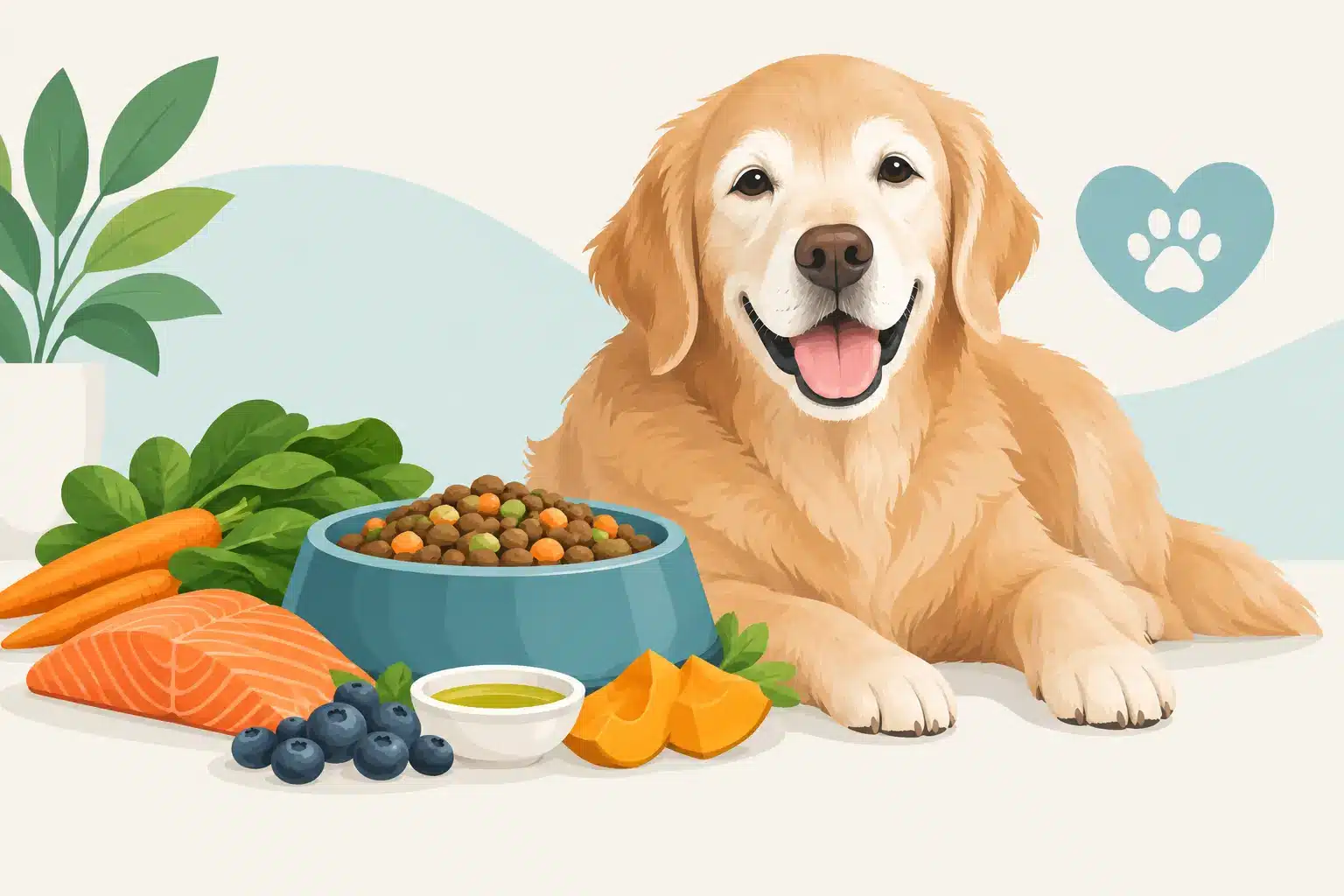
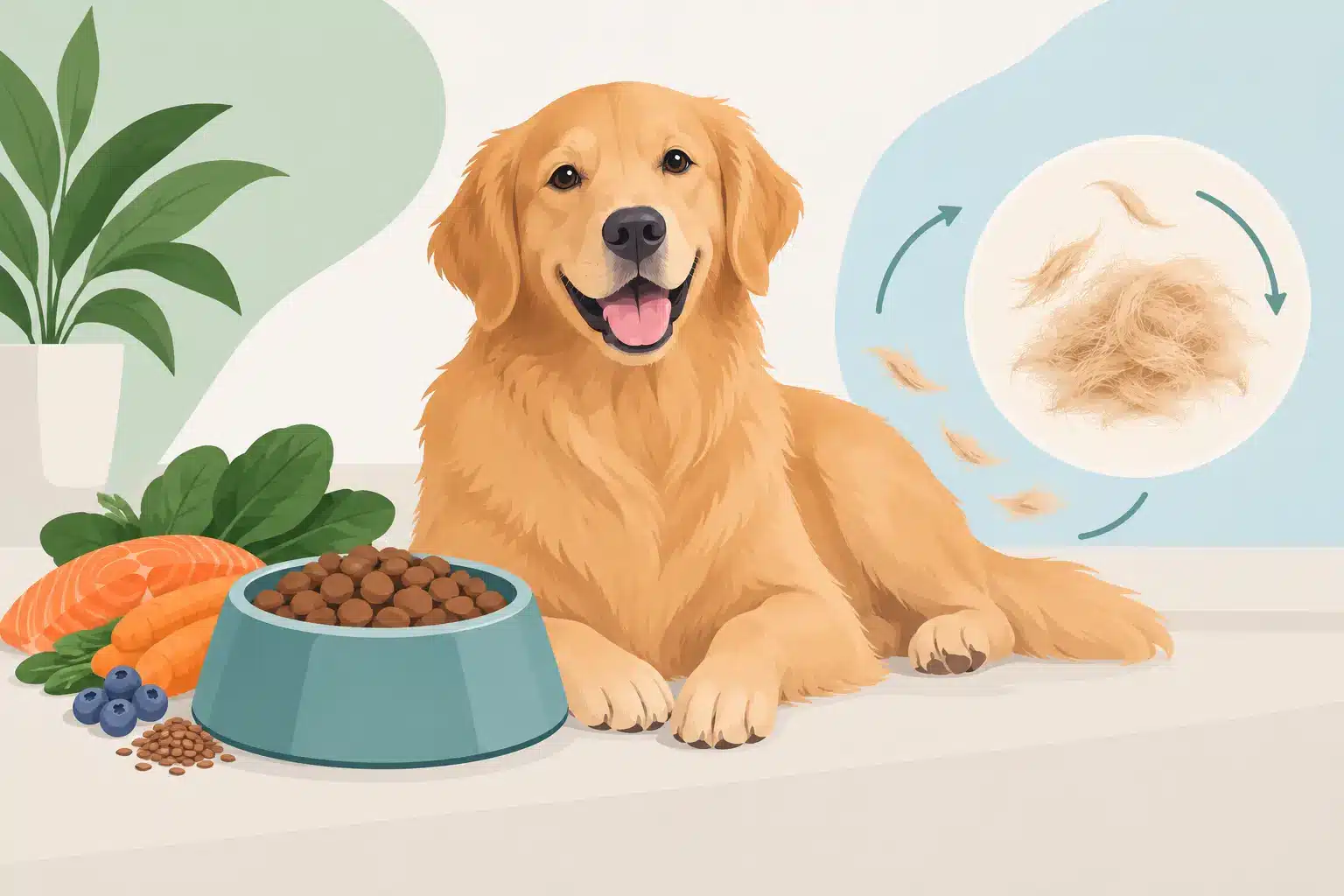
A little fur on the sofa is part of sharing life with a dog. A coat that suddenly seems thinner, duller, flaky, or endlessly everywhere can be a different conversation. The top foods for shedding dogs do not stop the natural shedding cycle, but the right nutrition can support the skin barrier, coat quality, and digestive health that help a dog look and feel their best.
Most dogs shed year-round, with heavier periods often occurring as seasons change. Breed, age, indoor lighting, grooming habits, stress, and health status all play a role. Nutrition matters because hair is built largely from protein, while healthy skin depends on essential fatty acids, vitamins, minerals, hydration, and the body’s ability to absorb those nutrients.
Why Food Can Affect a Dog’s Shedding
A dog’s coat is often one of the first places nutritional gaps become visible. When the diet does not provide enough highly digestible protein or the right balance of fatty acids, the coat may lose its shine and feel dry or brittle. Skin may become less resilient, which can contribute to itchiness, flaking, and more noticeable hair loss.
That does not mean every shedding problem is caused by food. Fleas, environmental allergies, skin infections, hormonal conditions, pain-related overgrooming, and certain medications can all affect the coat. Think of nutrition as a foundation: it gives the body the raw materials to maintain healthy skin and hair, but it cannot replace veterinary care when there is an underlying medical issue.
Digestive wellness belongs in that foundation, too. A dog must be able to digest and absorb nutrients before those nutrients can support the skin and coat. Consistent stool quality, a comfortable gut, and a complete and balanced diet work together to support whole-body health.
Top Foods for Shedding Dogs: What to Look For
Rather than chasing a single miracle ingredient, look for a complete and balanced dog food that brings several coat-supporting nutrients together in appropriate amounts. The best choice depends on your dog’s life stage, activity level, sensitivities, and current health needs.
Animal protein for hair growth and maintenance
Hair requires protein. Chicken, salmon, duck, and other quality animal proteins supply amino acids that help maintain the coat and support normal tissue repair. For many dogs, a food with a clearly identified animal protein near the top of the ingredient list is a practical starting point.
More protein is not automatically better. A puppy, an active adult, and a senior dog may have different calorie and protein needs. Dogs with certain medical conditions may also need a veterinarian-guided diet. What matters is a formula that is complete and balanced for your dog, made with protein sources they tolerate well, and fed in the right daily portion.
Salmon and other sources of omega-3 fatty acids
Fatty fish such as salmon are among the most useful foods for dogs with dry-looking coats because they naturally provide omega-3 fatty acids. These essential fats support normal skin function and can help promote a soft, glossy coat. Fish oil may also be included in a thoughtfully formulated food.
Omega-6 fatty acids matter as well. Dogs need a balanced supply of both omega-3 and omega-6 fats to support healthy skin and coat condition. Adding large amounts of oil at home can upset the digestive system and add significant calories, so a balanced formula is usually a safer approach than generously pouring oils over a meal.
Pumpkin and fiber-rich whole foods
Pumpkin is valued for its gentle fiber content and can be a useful ingredient in a digestive wellness-focused diet. Fiber helps support regularity, but the goal is balance. Too little fiber may not support the gut as intended, while too much can lead to bulky stool, gas, or reduced nutrient digestibility in some dogs.
Prebiotic fibers can help nourish beneficial gut microbes. This is relevant to coat care because digestive health influences how effectively a dog uses the nutrients in their food. Lucy Pet’s Formulas for Life® approach, including P.B.F. Prebiotic Balanced Fiber™, reflects the value of pairing complete nutrition with purposeful fiber for digestive and whole-body wellness.
Nutrient-dense carbohydrates and plant ingredients
Ingredients such as brown rice, quinoa, and carefully selected vegetables can contribute energy, fiber, and naturally occurring micronutrients. They are not substitutes for quality protein, but they can be valuable parts of a balanced recipe.
A food does not need to be grain-free to support a healthy coat. For dogs that digest grains well, grain-inclusive formulas can be an excellent option. Grain-free diets may suit some individual dogs, but they are not inherently superior for shedding. Choose based on your dog’s needs and your veterinarian’s guidance, not a trend or a single ingredient claim.
Vitamin and mineral support
Vitamin E, zinc, copper, biotin, and other micronutrients are involved in normal skin and coat function. A complete and balanced food is designed to provide these nutrients in amounts appropriate for daily feeding. This is one reason a diet made mostly of meat, table scraps, or unbalanced homemade additions can create problems over time, even if a dog seems eager to eat it.
If you prepare food at home, work with a board-certified veterinary nutritionist. Coat concerns are not a reason to guess at supplements. Excessive amounts of certain vitamins and minerals can be harmful.
How to Choose a Food for a Shedding Dog
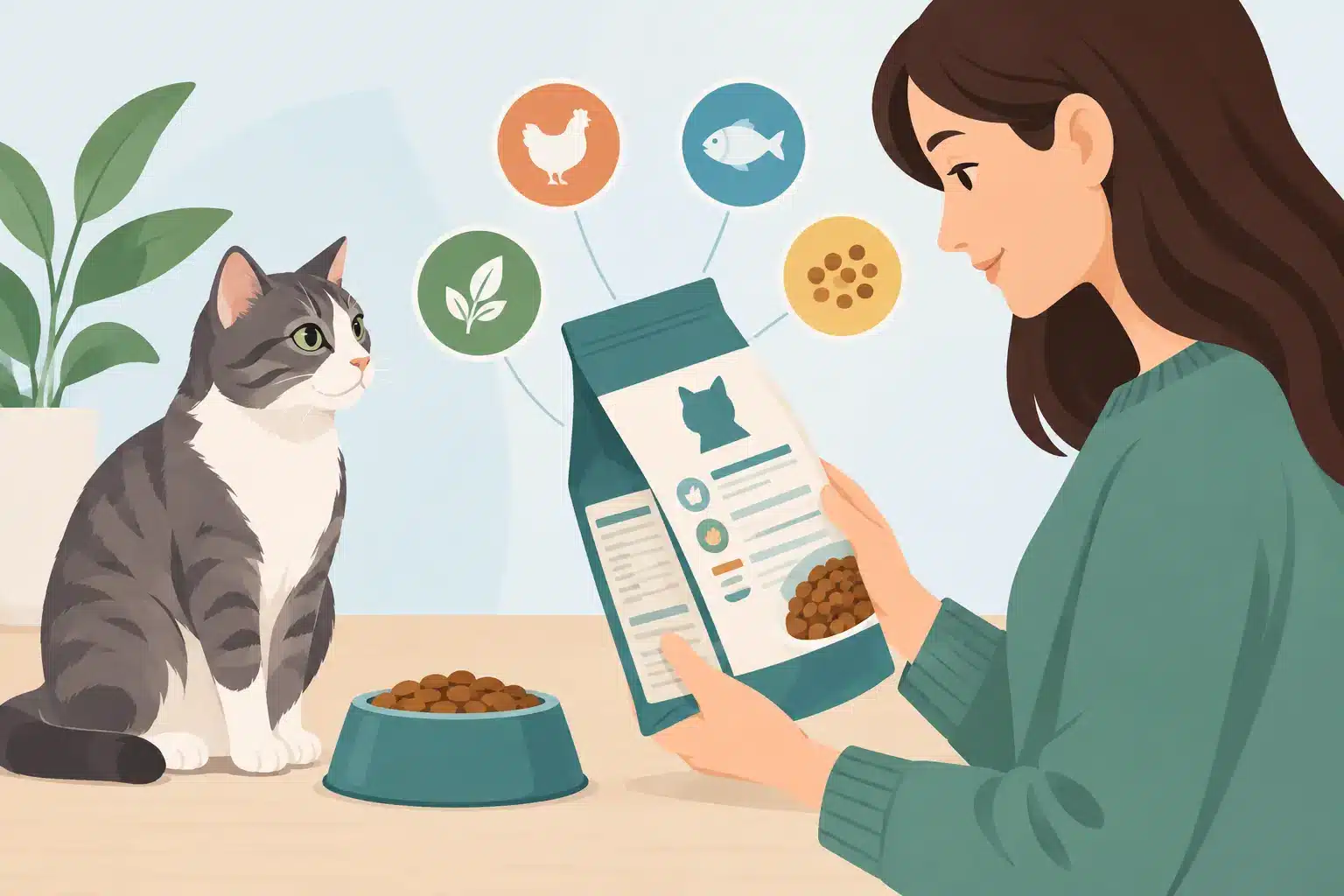
Start by reading the label beyond the front-of-bag promises. Look for a statement that the food is complete and balanced for your dog’s life stage. Then consider the protein source, the inclusion of beneficial fats, and whether the formula supports comfortable digestion.
A food change should be gradual. Mix increasing amounts of the new food with decreasing amounts of the current food over approximately seven to 10 days, adjusting more slowly for sensitive dogs. Watch for changes in stool, appetite, itching, ear irritation, and energy. A healthier-looking coat can take several weeks to show because new hair growth is not immediate.
Avoid assuming that shedding means a food allergy. True food allergies are less common than many pet parents think, and they often involve recurrent itching, ear problems, or gastrointestinal signs in addition to coat concerns. If your dog has persistent symptoms, a veterinarian can help distinguish food sensitivity from parasites, environmental allergies, or another condition.
Support the Coat Beyond the Bowl
Nutrition works best alongside consistent coat care. Brush your dog often enough to remove loose fur before it reaches the furniture, using a tool suited to their coat type. Regular bathing with a dog-safe shampoo can help remove dander and debris, but frequent bathing or harsh products may dry the skin.
Fresh water is also part of skin health. Dogs eating dry food still need reliable access to clean water throughout the day. In warm weather, after exercise, or in dry indoor conditions, hydration deserves extra attention.
If you want to offer whole-food extras, keep them modest and dog-safe. Plain cooked salmon, a small amount of plain pumpkin, or a veterinarian-approved omega-3 supplement may fit some dogs’ diets. Avoid seasoned foods, rich leftovers, cooked bones, onions, garlic, grapes, raisins, and products containing xylitol. Treats and toppers should not crowd out the balanced nutrition in the main meal.
When Shedding Needs a Veterinarian’s Attention
Schedule a veterinary visit if shedding is accompanied by bald patches, red or thickened skin, scabs, a strong odor, frequent scratching, recurrent ear issues, changes in thirst, weight changes, or a sudden drop in energy. These signs can point to concerns that food alone cannot address.
A healthy coat is not about eliminating every loose hair. It is about supporting the skin, gut, and nutritional foundation behind it. Feed a complete, digestible diet with quality protein and balanced fatty acids, groom consistently, and let your veterinarian investigate any changes that feel out of character for your dog.

Leave A Comment
You must be logged in to post a comment.