

A gray muzzle does not automatically mean your dog needs less nutrition. In fact, choosing the best foods for senior dogs often means paying closer attention to the quality, digestibility, and balance of every bowl. Older dogs can face changes in appetite, activity, muscle mass, digestion, dental comfort, and weight, but aging is not one-size-fits-all.
The right food supports the dog in front of you: the energetic 8-year-old retriever who still loves a long walk, the small-breed companion with a sensitive stomach, or the older dog whose veterinarian is monitoring a health condition. A thoughtful diet can help support comfort, body condition, healthy digestion, and the everyday vitality that keeps your dog feeling like themselves.
What Changes as Dogs Get Older?
Dogs age at different rates. Generally, larger breeds reach their senior years earlier than smaller breeds, but chronological age is only part of the picture. A dog’s ideal food should reflect their weight, activity level, health history, medications, and veterinary recommendations.
Many senior dogs burn fewer calories because they move less. At the same time, some become less efficient at digesting nutrients or maintaining lean muscle. That creates a common challenge: feeding fewer calories without shortchanging the protein, essential fats, vitamins, and minerals that support whole-body health.
Digestive changes also deserve attention. If stools become inconsistent, gas increases, or appetite becomes unpredictable, a highly digestible diet with appropriate fiber can make a meaningful difference. Persistent symptoms, sudden weight loss, increased thirst, or a major appetite change should always be discussed with a veterinarian rather than explained away as normal aging.
The Best Foods for Senior Dogs Start With Quality Protein
Protein is a priority for many older dogs. It helps maintain lean muscle, which supports mobility, strength, and a healthy metabolism. A lower-calorie diet is not necessarily a low-protein diet, and healthy seniors often benefit from food that provides an appropriate amount of high-quality, digestible animal protein.
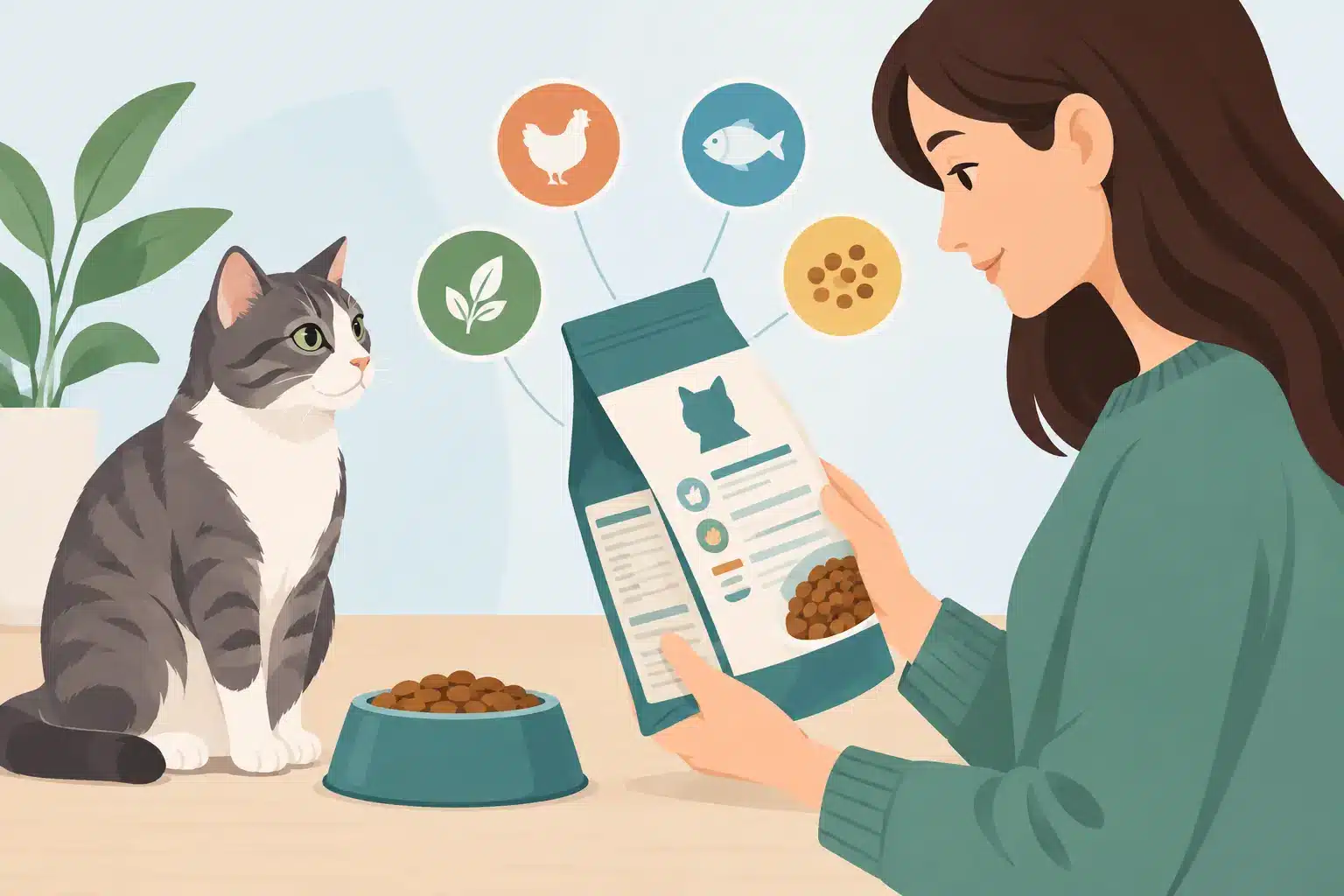
Look for recognizable protein sources such as chicken, salmon, turkey, or duck as part of a complete and balanced recipe. The best choice depends on your dog’s individual tolerance and preferences. For example, salmon can be a valuable option for a dog that benefits from omega-3 fatty acids, while a dog with a history of food sensitivities may do better with a formula built around a protein they have consistently tolerated.
There is one major exception: dogs with kidney disease or other diagnosed medical concerns may need specific nutritional adjustments. In those cases, do not make a protein change based on general senior-dog advice. Your veterinarian can recommend a diet and feeding plan based on lab work and your dog’s stage of disease.
Look for Fiber That Supports Digestive Health
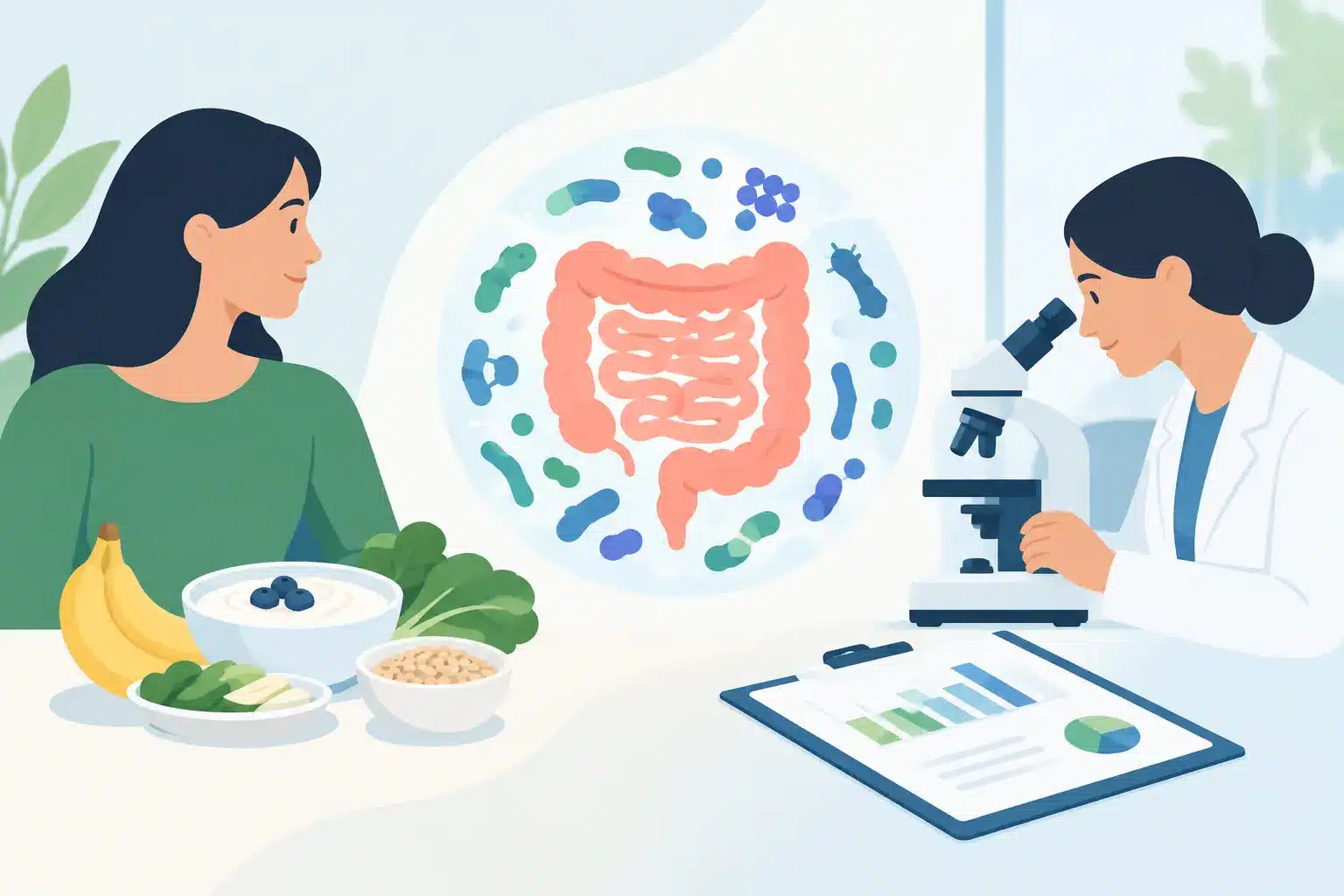
Healthy digestion matters at every life stage, but it can become especially noticeable in older dogs. The right balance of soluble and insoluble fiber helps support regular stool quality, healthy intestinal function, and the beneficial microorganisms that live in the gut.
Ingredients such as pumpkin, brown rice, quinoa, and carefully selected prebiotic fibers can contribute to a well-rounded diet. Fiber should be balanced, not excessive. Too little may not support regularity, while too much can reduce calorie density or lead to bulky stools in some dogs.
A gut-health-focused approach is particularly useful for senior dogs that seem more sensitive to dietary changes. Lucy Pet’s P.B.F. Prebiotic Balanced Fiber™ philosophy reflects this focus on feeding beneficial gut bacteria while supporting healthy digestion with balanced nutrition. As with any formula, the best results come from choosing a food that matches your dog’s needs and transitioning gradually.
Prioritize Healthy Fats for Skin, Coat, and Mobility
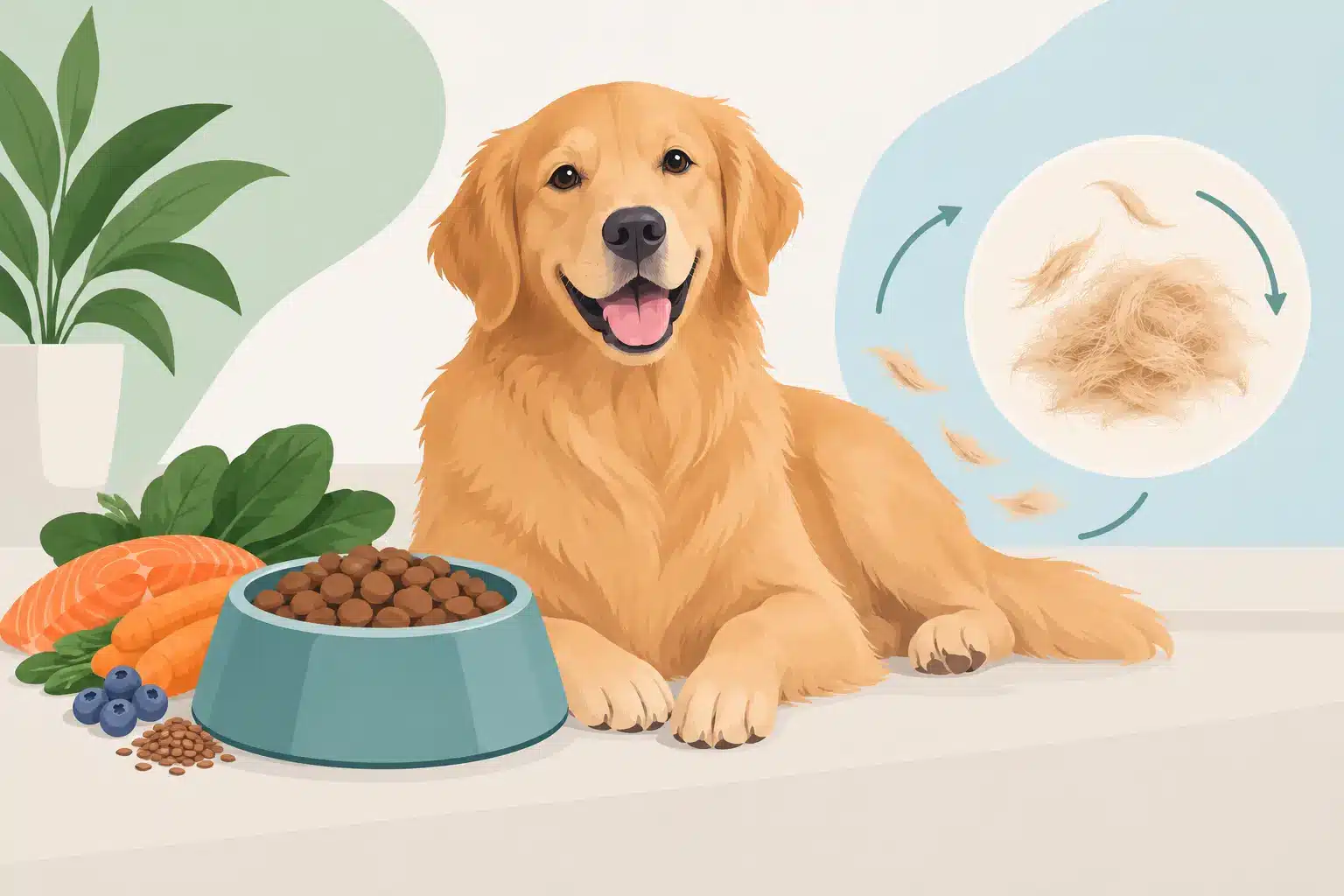
Dietary fat provides energy and helps dogs absorb fat-soluble vitamins. It also influences skin and coat condition, which can change as dogs age. A dull coat, dry skin, or flaky appearance can have several causes, including environmental factors and medical issues, but appropriate levels of essential fatty acids are an important nutritional foundation.
Omega-3 fatty acids, commonly associated with fish ingredients such as salmon, are especially valuable in senior dog nutrition. They support normal inflammatory processes, skin health, and mobility. For older dogs who are less eager to rise after resting or who move more slowly on walks, nutrition that supports joint and muscle health can be part of a broader wellness plan that includes appropriate exercise, weight management, and veterinary care.
Fat level still matters. A dog who gains weight easily may need a food with controlled calories and fat, while a thin senior with a reduced appetite may need more calorie-dense nutrition. The label alone cannot tell the whole story. Monitor your dog’s body condition, not just the number on the scale.
Do Not Overlook Calories and Portion Size
Extra weight puts additional pressure on joints and can make routine movement harder. Yet unintentional weight loss in a senior dog can signal that they are not getting enough calories, are losing muscle, or need medical evaluation. The goal is a stable, healthy body condition with a visible waist and ribs that are easy to feel under a light layer of tissue.
Use feeding guidelines as a starting point, then adjust based on your dog’s real-world results. Activity level, treats, household temperature, metabolism, and health conditions all affect calorie needs. Measuring meals is more reliable than estimating by scoop, especially when your dog’s needs begin to change.
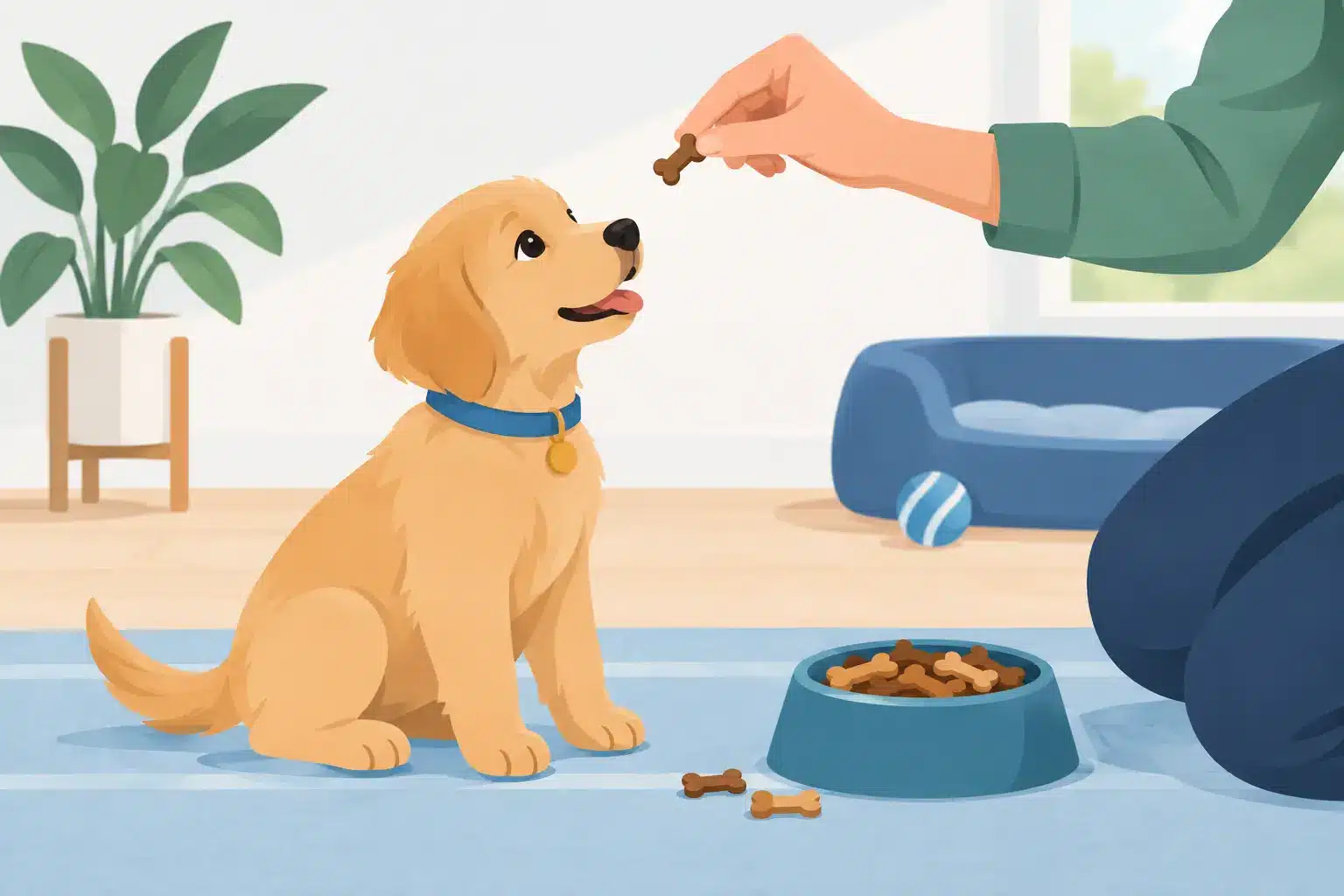
Treats count, too. A few high-calorie extras can quietly crowd out the balanced nutrition in a senior dog’s main meal. Choose treats thoughtfully, break them into smaller pieces when possible, and reserve part of your dog’s daily food for training if that works for your routine.
Consider Texture, Moisture, and Dental Comfort
Some older dogs continue to crunch kibble comfortably for years. Others develop dental disease, missing teeth, dry-mouth concerns, or simply less interest in hard food. If eating seems uncomfortable, schedule a dental and veterinary assessment. A sudden refusal to eat dry food can be a clue that something hurts.
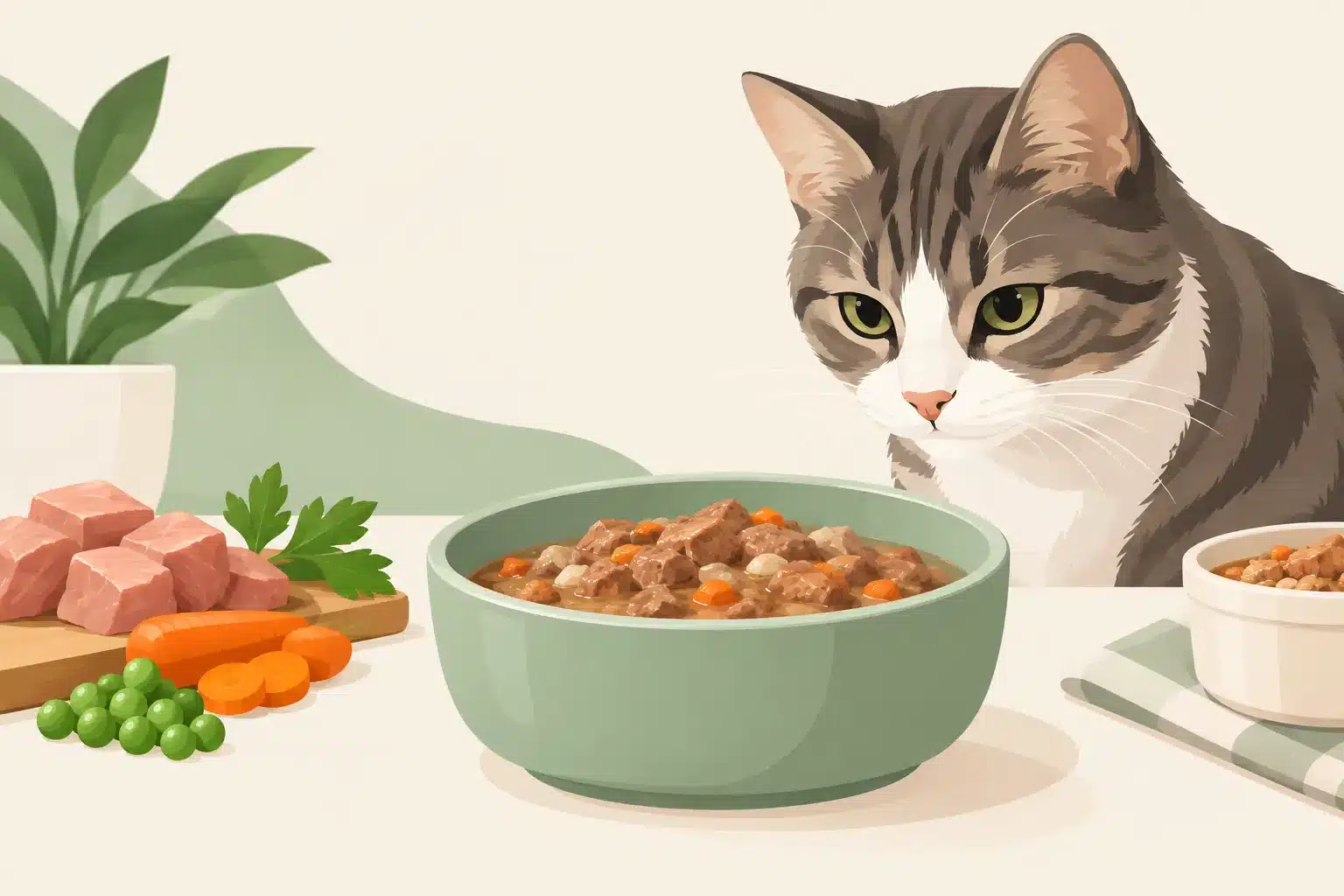
For dogs who need a softer meal, moistened kibble, a nutritionally complete stew, or a food roll can make meals more appealing. Added moisture may also support overall hydration, particularly for dogs that do not drink enthusiastically. Avoid assuming that a softer texture is automatically healthier, though. The food should still be complete and balanced for your dog’s life stage and feeding needs.
How to Change a Senior Dog’s Food Safely
Even an excellent food can cause temporary digestive upset when introduced too quickly. Senior dogs, especially those with sensitive digestion, usually do best with a gradual transition over about seven to 10 days. Start with a small amount of the new food mixed into the current food, then slowly increase the new portion while decreasing the old one.
Watch stool quality, appetite, energy, itching, and vomiting during the change. A brief adjustment can happen, but ongoing diarrhea, repeated vomiting, facial swelling, or lethargy calls for veterinary guidance. Slow down the transition if your dog has mild digestive changes, and never force a change when they are already ill unless your veterinarian directs you to do so.
When a Standard Senior Diet Is Not Enough
A food labeled for senior dogs can be a useful shortcut, but the label is not a guarantee that it is right for every older pet. Dogs with diabetes, pancreatitis, kidney disease, food allergies, significant arthritis, heart disease, or cognitive changes may need a more individualized plan.
Ask your veterinarian to assess body condition, muscle condition, dental health, and any new behavior around food. Routine senior wellness visits and bloodwork can identify issues before they become more difficult to manage. Bring the food label and a clear picture of what your dog eats in a typical day, including table scraps, chews, supplements, and treats.
The most nourishing bowl for an older dog is one they can digest comfortably, enjoy eating, and use to maintain a healthy body condition. Keep observing the small details: enthusiasm at mealtime, comfortable stools, a glossy coat, steady weight, and the willingness to join you for the parts of the day they love most.

Leave A Comment
You must be logged in to post a comment.