

A little fur on the sofa is part of life with dogs. But when loose hair suddenly seems to be everywhere, pet parents naturally start looking at the food bowl. Does dog food affect shedding? It can. Nutrition does not change a dog’s normal shedding cycle, but a complete, well-digested diet can help support the skin and coat that keep shedding at a healthy, expected level.
The key is separating normal hair turnover from excessive hair loss. Most dogs shed to some degree, especially with seasonal changes, age, coat type, and time spent outdoors. A dull coat, flaky skin, itching, bald patches, or a noticeable increase in shedding may point to a broader issue worth addressing with your veterinarian.
Does Dog Food Affect Shedding in Dogs?
Yes, dog food can influence shedding because hair growth begins in the skin and depends on consistent nutrition. The coat is not essential to survival in the same way as the brain, heart, or other organs, so when a diet is incomplete, poorly tolerated, or not well absorbed, the skin and coat may be among the first places where changes become visible.
That does not mean every shedding problem calls for a food change. A thick-coated German Shepherd will shed heavily even on an excellent diet. A short-haired Beagle may leave less visible hair around the house but still shed regularly. Breed, season, hormones, stress, parasites, grooming habits, and medical conditions all play a role.
Still, food matters because it supplies the building blocks for skin cells, hair follicles, and the protective skin barrier. Dogs need sufficient protein, essential fats, vitamins, minerals, and calories. They also need a digestive system that can make good use of those nutrients.
What a Healthy Coat Needs From Food
A shiny coat is often associated with fat, but coat health is more complex. It depends on the quality and balance of the entire diet, not one trendy ingredient or supplement alone.
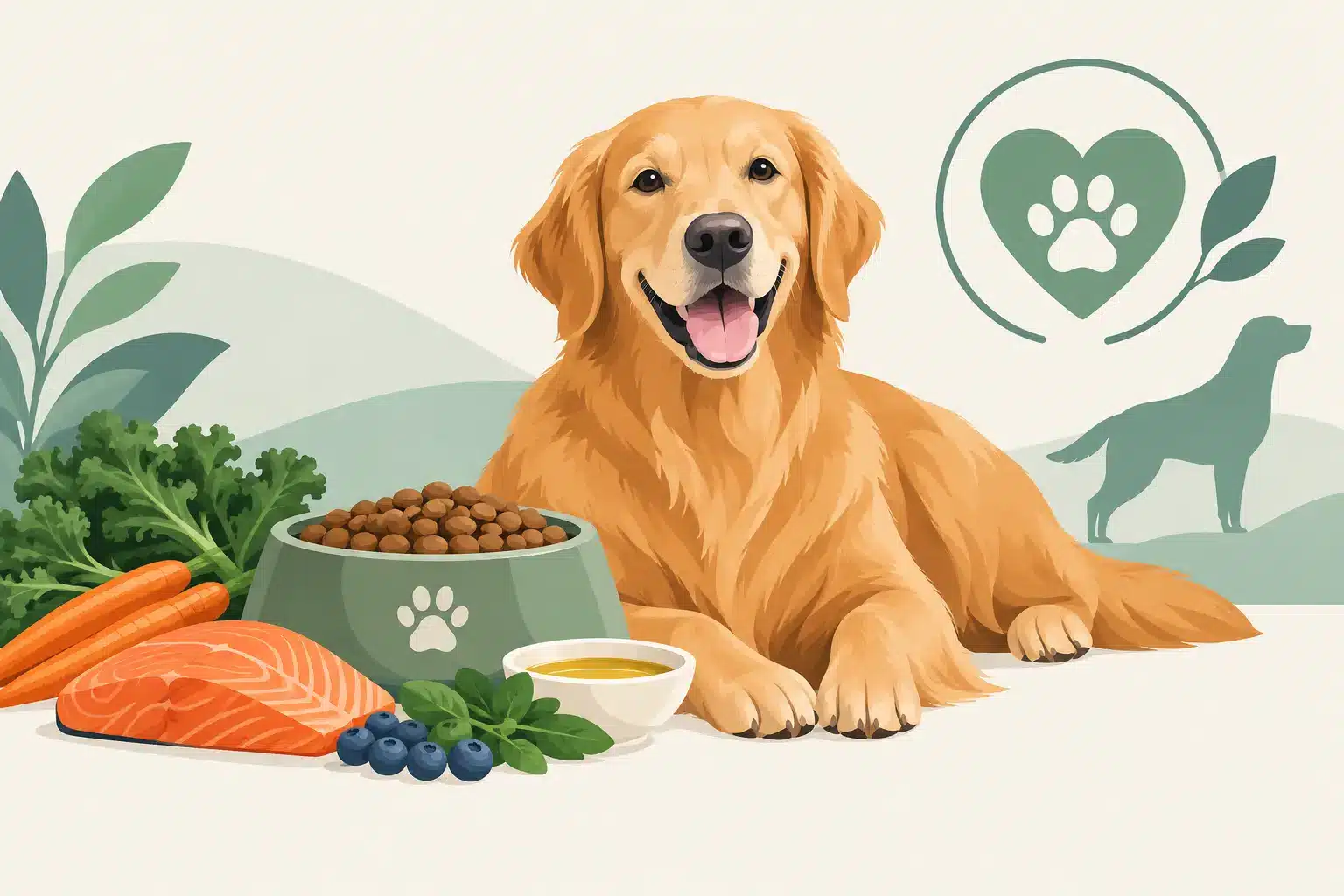
Complete, high-quality protein
Hair is primarily made of protein. Dogs need dietary amino acids to produce and maintain healthy hair, so inadequate protein intake can contribute to a dry, brittle coat or more noticeable shedding. The right amount depends on a dog’s age, size, activity level, health history, and total calorie intake.
Look for a complete and balanced food with recognizable animal proteins, such as chicken, salmon, or duck. More protein is not automatically better for every dog. The most useful choice is a formula that meets nutritional needs and agrees with your dog’s digestion.
Essential fatty acids
Omega-3 and omega-6 fatty acids help support normal skin function and a soft, glossy coat. They are called essential because dogs must get them through food. A balanced amount matters: too little dietary fat may affect the skin barrier, while an unbalanced approach to supplements can add unnecessary calories or upset a sensitive stomach.
Fish-based ingredients can be a valuable source of omega-3 fatty acids. Some dogs also benefit from formulas that include thoughtfully selected fats from animal and plant sources. If you are considering a fish oil or other supplement, ask your veterinarian about an appropriate product and serving size for your dog.
Vitamins and minerals in the right proportions
Nutrients including zinc, copper, vitamin A, vitamin E, and B vitamins contribute to normal skin and coat maintenance. This is one reason complete and balanced dog food is a stronger foundation than trying to build a coat-care plan from treats, toppers, or human foods.
Adding multiple supplements without guidance can create nutritional imbalances. A dog already eating a nutritionally complete diet may not need a long list of extras to support a healthy coat.
Digestion Can Show Up in the Coat
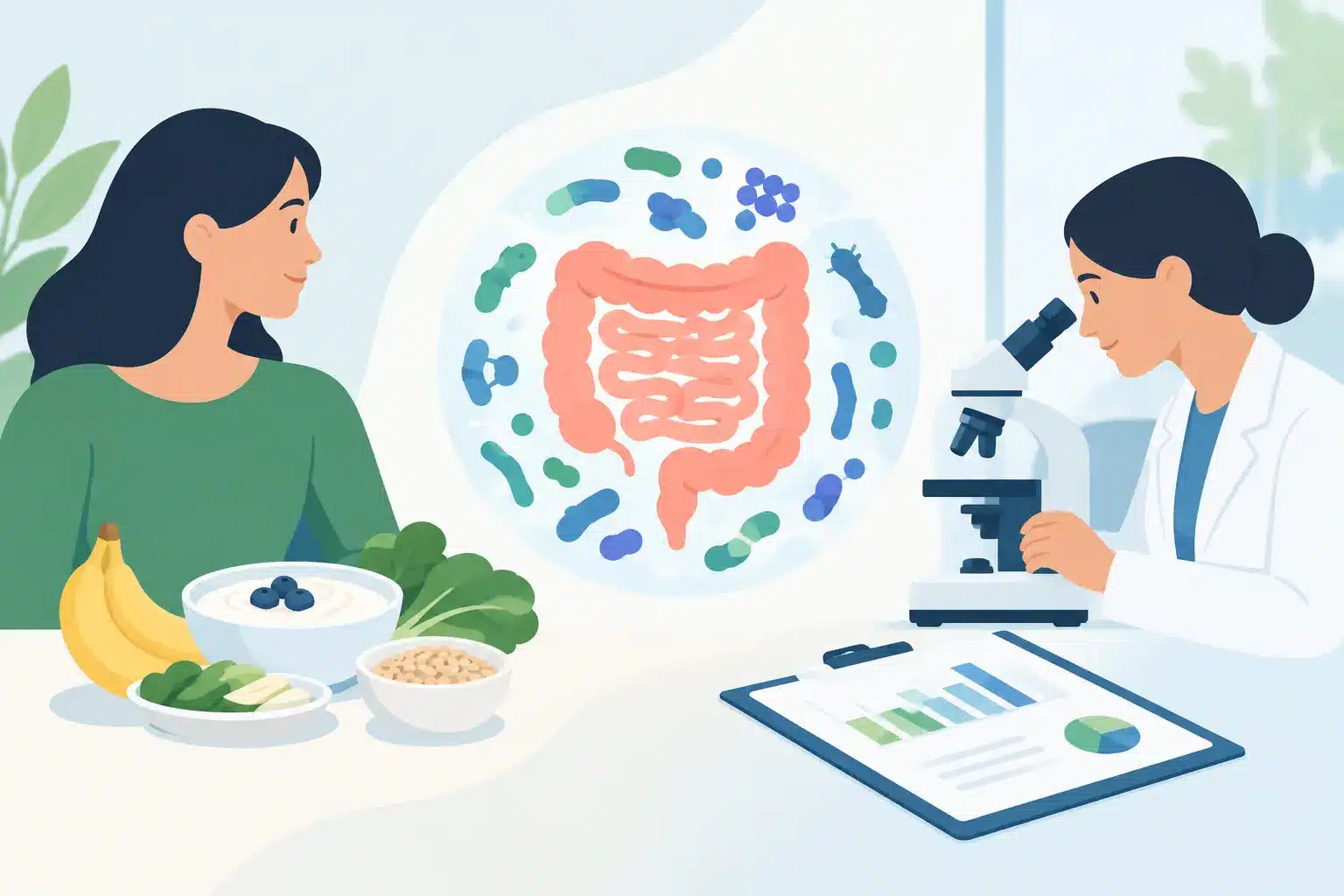
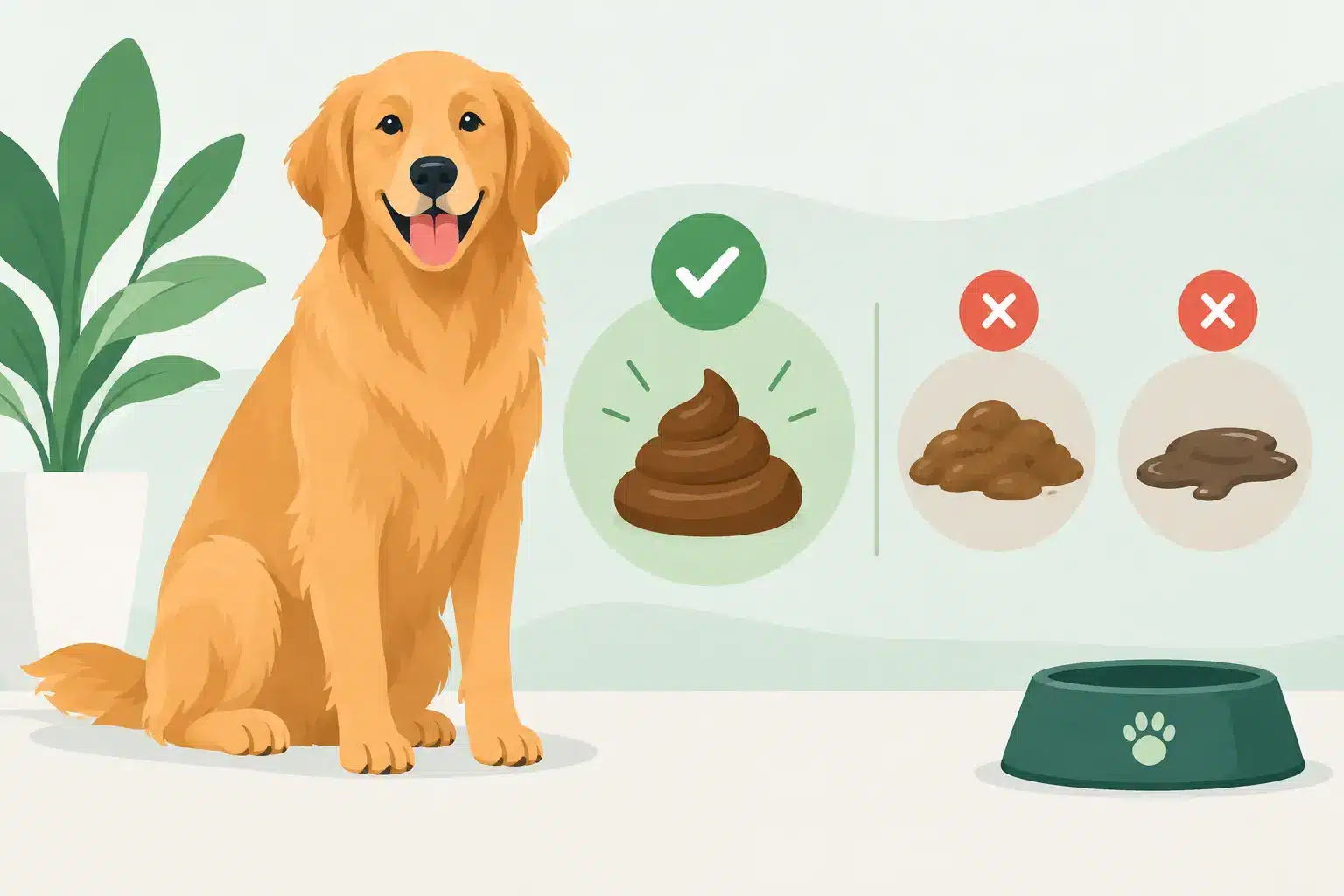
The connection between the gut and the coat is practical: nutrients only help when a dog can digest and absorb them. Dogs with frequent loose stools, gas, vomiting, inconsistent appetite, or sensitive digestion may not be getting the full benefit of even a high-quality food.
A diet designed around digestive wellness can support the whole-body systems involved in healthy skin and coat maintenance. Balanced fiber is particularly useful because it helps support a healthy digestive environment and consistent stool quality. Lucy Pet’s P.B.F. Prebiotic Balanced Fiber™ approach reflects this connection between digestive support and everyday wellness.
Dietary transitions matter here, too. Switching foods abruptly can cause digestive upset, which makes it harder to tell whether a formula is a good fit. Introduce a new food gradually over about seven to 10 days, mixing increasing amounts of the new food with the current food. Dogs with very sensitive digestion may need a slower transition under veterinary guidance.
Could a Food Sensitivity Cause More Shedding?
Food sensitivities can affect some dogs, but they are not the most common reason for shedding. When food is part of the problem, skin symptoms are usually more than simple loose fur. You may see persistent itching, recurrent ear irritation, paw licking, red skin, digestive changes, or a poor coat that does not improve with routine care.
It is easy to blame the last ingredient added to the bowl, but diagnosing a food reaction takes patience. Many skin concerns that look like a food issue are caused by fleas, environmental allergens, yeast, bacterial infections, or other medical conditions. Your veterinarian may recommend a structured elimination diet rather than repeated, unplanned food changes.
Avoid switching among several formulas at once. That can make symptoms harder to track and may create digestive disruption of its own. Keep notes on your dog’s food, treats, chews, medications, stool quality, scratching, and coat changes so you and your veterinarian can spot useful patterns.
When Shedding Is Normal and When to Call the Vet
Seasonal shedding is common, particularly in dogs with double coats. In spring and fall, many dogs release large amounts of undercoat as daylight and temperature patterns shift. Regular brushing removes loose hair before it collects in your home and can make normal shedding feel much more manageable.
Call your veterinarian if shedding comes with bald spots, sores, scabs, intense scratching, redness, odor, sudden coat thinning, weight changes, low energy, or changes in thirst and appetite. These signs can be associated with skin infections, parasites, endocrine disorders, stress, or other conditions that need more than a dietary adjustment.
Puppies, senior dogs, pregnant or nursing dogs, and dogs with chronic health concerns also have different nutritional needs. Their food and any supplements should be selected with professional guidance.
A Practical Way to Support Skin and Coat Health
Start with the basics: feed a complete and balanced formula appropriate for your dog’s life stage, provide fresh water, and measure meals to maintain a healthy body condition. Then give the food time. The coat grows slowly, so meaningful improvements in texture, shine, and shedding patterns may take several weeks.
Consistent grooming is equally valuable. Brush according to coat type, bathe only as needed with dog-appropriate products, and use parasite prevention recommended by your veterinarian. Bathing too often or using harsh products can dry the skin and make flakes and breakage more noticeable.
Resist the urge to chase every shedding trend. A food with a clear nutritional purpose, quality ingredients, and digestive support is usually more helpful than a cabinet full of unverified coat remedies. If you make a change, make one change at a time and observe your dog’s skin, coat, stools, energy, and comfort.
Your dog may never stop shedding completely, and that is perfectly normal. The goal is not a fur-free home. It is a comfortable dog with healthy skin, a resilient coat, and nutrition that supports the whole body from the inside out.

Leave A Comment
You must be logged in to post a comment.