

A kitten can double or even triple in size during the first months of life. That fast growth places real demands on every meal, which is why the best kitten food is not simply a smaller version of adult cat food. It should provide concentrated, complete nutrition for developing bones, muscles, organs, brain function, and immune defenses, while also being gentle enough for a young digestive system.
Choosing a food can feel complicated when every bag promises premium ingredients. Start with your kitten’s life stage and nutritional needs, then consider ingredient quality, digestion, feeding routine, and individual preferences. The goal is not to find one universal answer. It is to find a complete, balanced formula that helps your kitten grow with steady energy, comfortable digestion, and a healthy body condition.
What Makes the Best Kitten Food Different?
Kittens need more calories and key nutrients per pound of body weight than adult cats. They are building lean muscle, strengthening their skeleton, developing vision and brain function, and learning how to regulate their immune response. A food formulated for growth is designed to support that demanding work.
Look for a statement on the package showing that the food is complete and balanced for growth, or for all life stages. This indicates the formula is intended to meet established nutritional standards for kittens when fed as directed. Adult maintenance food may be nutritious for a mature cat, but it generally does not provide the same nutrient density a growing kitten needs.
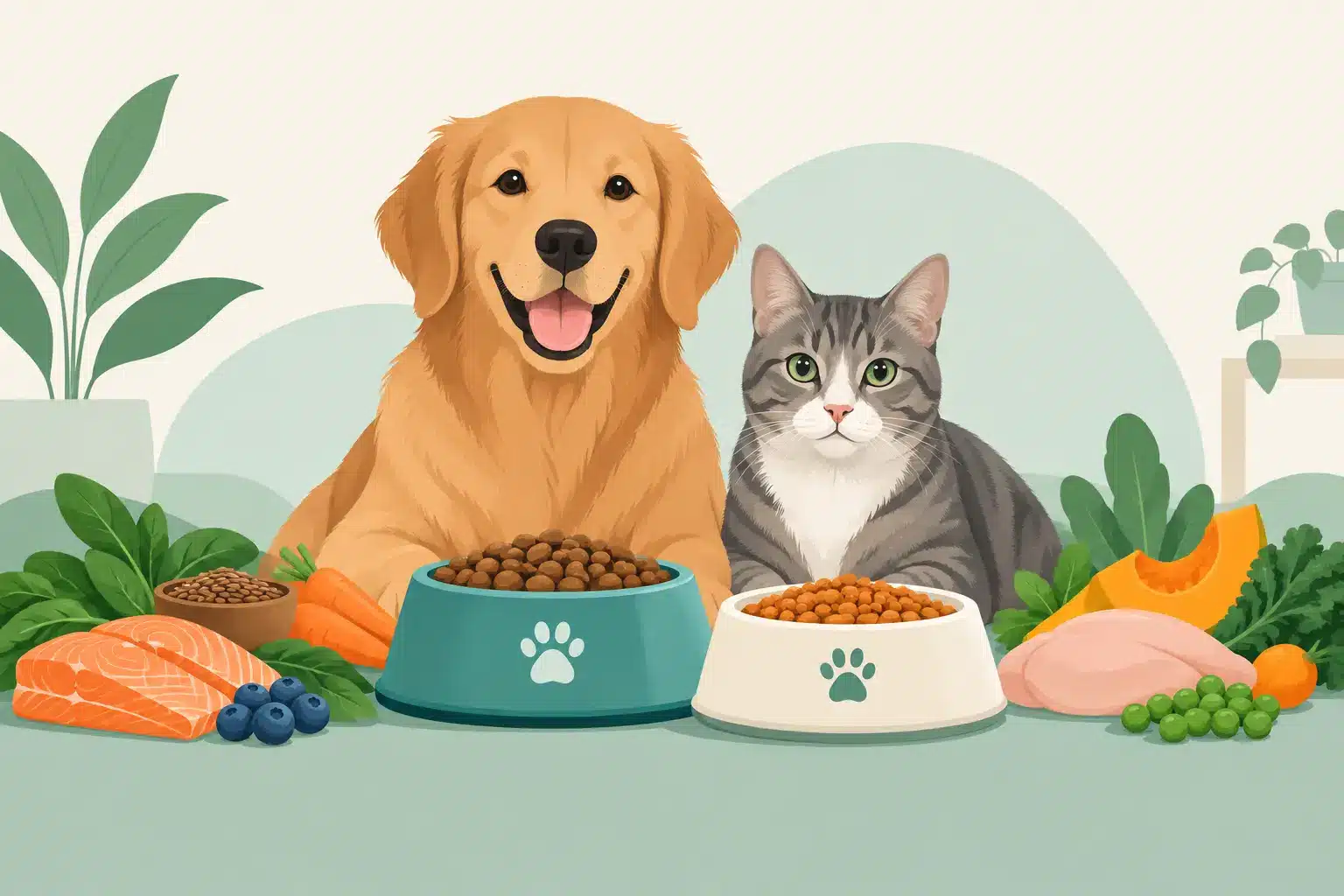
Protein is especially important. Cats are obligate carnivores, meaning animal-based ingredients play a central role in their nutrition. A quality kitten food should contain animal protein from recognizable sources such as chicken, salmon, duck, or other meat and fish ingredients. Protein supplies amino acids that help support muscle development, tissue repair, and healthy growth.
Dietary fat also matters. Fat provides concentrated energy for a kitten’s busy days of climbing, pouncing, and playing. It also supports the absorption of certain vitamins and contributes to healthy skin and a soft, glossy coat. Omega-3 fatty acids, including DHA when included in a formula, can help support normal brain and vision development.
Start With Complete, Balanced Nutrition
A long ingredient list is not automatically better. What matters most is how the formula works as a whole. Kittens need appropriate amounts of protein, fat, vitamins, minerals, and essential amino acids such as taurine. Taurine is vital for cats and supports normal heart, vision, and reproductive health.
Calcium and phosphorus deserve attention as well. These minerals work together to support growing teeth and bones. Adding extra calcium, supplements, or home-prepared ingredients without veterinary guidance can throw off a carefully balanced diet. For most healthy kittens, a complete kitten formula and fresh water are the foundation they need.
Many pet parents also compare grain-free and grain-inclusive recipes. Either may be appropriate when the formula is complete and balanced and agrees with your kitten. Grains such as brown rice can contribute digestible carbohydrates, fiber, and nutrients, while grain-free recipes may use other carbohydrate sources. The better choice depends on the individual kitten, not a marketing label alone.
Healthy Digestion Is Part of Healthy Growth
Young kittens can have sensitive stomachs, particularly during weaning, adoption, a move to a new home, or a change in food. Loose stools, constipation, excess gas, or frequent vomiting are reasons to pause and assess what is happening. A sudden diet change is often a factor, even when the new food is high quality.
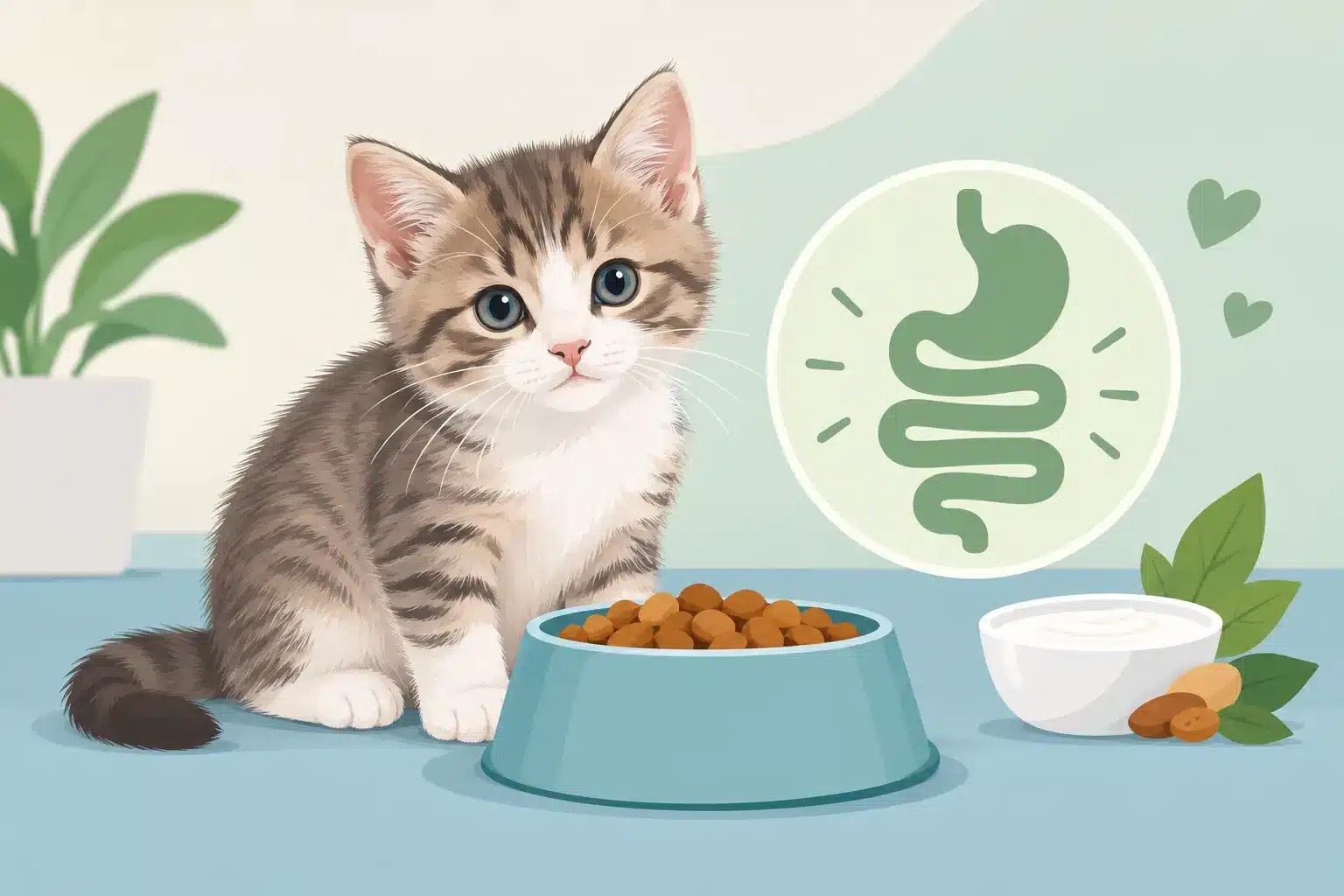
Digestive support starts with consistent feeding and a formula made with thoughtfully selected ingredients. Fiber can help support healthy stool quality, but balance is key. Too little or too much can be unhelpful for a small, developing digestive system. Prebiotics can also support beneficial gut bacteria, which are part of a healthy digestive and immune system.
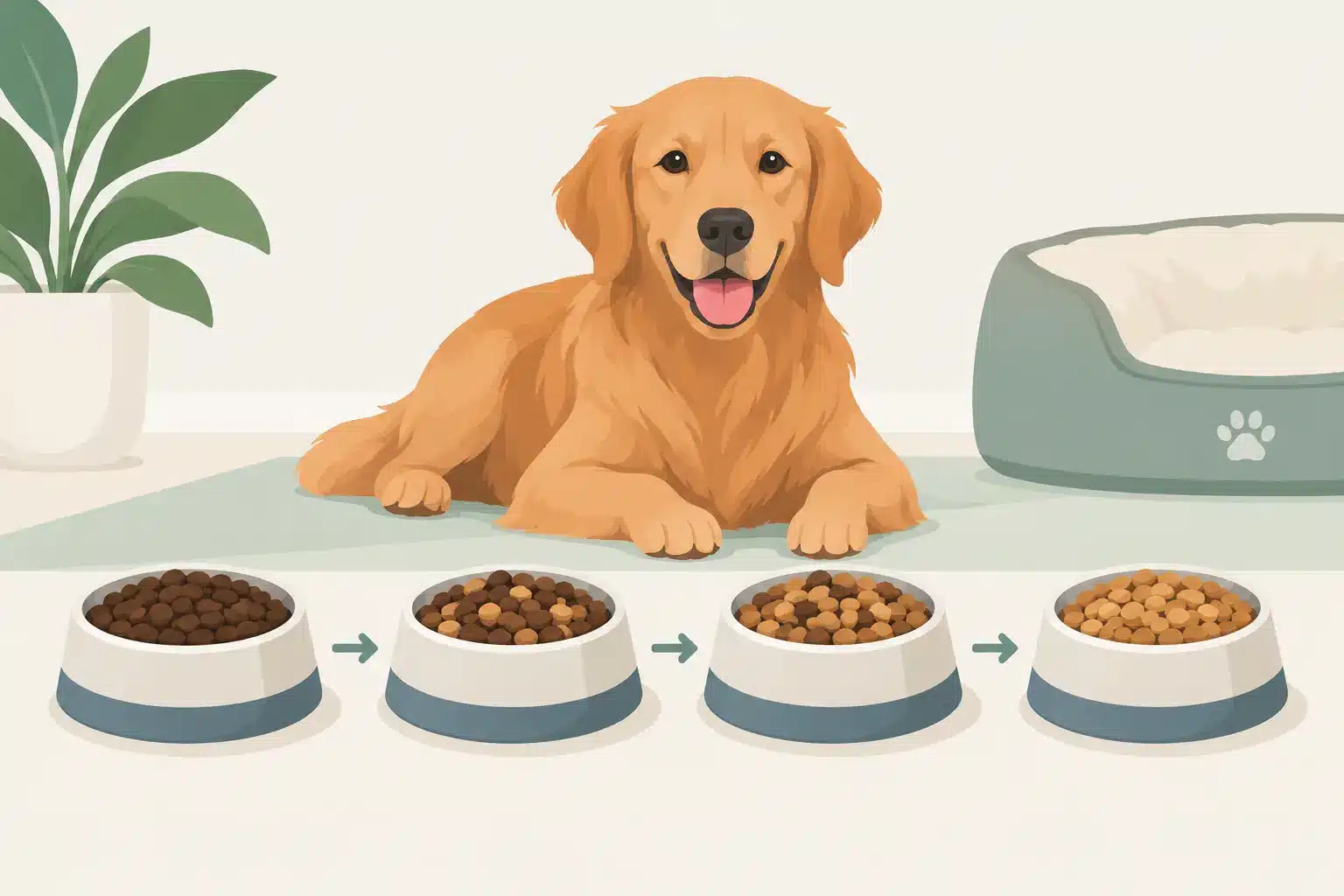
Lucy Pet Products approaches digestive wellness through its P.B.F. Prebiotic Balanced Fiber™ philosophy, pairing purposeful fiber with complete nutrition to support healthy digestion. For any kitten food, introduce a new recipe gradually over seven to 10 days. Begin by mixing a small amount of the new food with the old, then slowly increase the proportion as your kitten adjusts.
If digestive concerns persist, worsen, or occur alongside lethargy, poor appetite, weight loss, or dehydration, contact your veterinarian promptly. Kittens can become dehydrated more quickly than adult cats, so ongoing diarrhea or vomiting should never be treated as a minor inconvenience.
Wet Food, Dry Food, or Both?
Both wet and dry kitten foods can play a useful role. The right feeding approach depends on your kitten, your household routine, and the nutritional quality of the food.
Wet food has a high moisture content, which can help support hydration. Its soft texture and aroma may also appeal to picky eaters or very young kittens transitioning from nursing to solid food. Many kittens enjoy the variety of wet meals, and it can be easier to portion for smaller, frequent feedings.
Dry food is convenient, shelf-stable, and energy-dense. It can work well for measured meals and may be practical for multi-cat households. However, leaving dry food out all day can make it harder to monitor intake, especially once a kitten is spayed or neutered and calorie needs begin to change.
A combination of wet and dry food can offer the advantages of both, provided you account for total daily calories. This is where pet parents can accidentally overfeed: a full serving of dry food plus a full serving of wet food may be more than a kitten needs. Use feeding guidelines as a starting point, then adjust with your veterinarian based on age, size, activity, and body condition.
How Much and How Often Should You Feed a Kitten?
Most kittens do best with several small meals rather than one or two large ones. Their stomachs are small, but their energy needs are high. Young kittens may need three to four meals each day. As they grow, many can transition to two or three measured meals, though individual needs vary.
Use the feeding chart on your chosen food as a starting point, but do not treat it as a rigid rule. A highly active kitten may need more food than the chart suggests, while a less active kitten may need less. Watch the kitten in front of you. You should be able to feel the ribs with gentle pressure, but they should not be prominent. A veterinarian can help you assess body condition if you are unsure.
Fresh, clean water should always be available. If you feed primarily dry food, make hydration an even greater priority. Some kittens prefer a wide water bowl, a quiet location away from the litter box, or a circulating water fountain.
Ingredients and Labels Worth a Closer Look
When comparing foods, focus on the nutritional purpose behind the formula. A named animal protein near the beginning of the ingredient list is a positive sign, but the guaranteed analysis, calorie content, life-stage statement, and feeding directions provide valuable context too.
Avoid making decisions based on one ingredient alone. Chicken is not automatically right for every kitten, and an unfamiliar ingredient is not automatically poor quality. What matters is whether the full recipe is complete and balanced, made by a company that takes formulation and quality control seriously, and tolerated well by your cat.
Be cautious with raw or homemade diets for kittens unless they have been specifically formulated by a qualified veterinary nutrition professional. Growing kittens have narrow nutritional margins. A deficiency or excess that seems small on paper can affect development over time.
Treats should stay modest, even when your kitten is learning new routines or winning everyone over with those very persuasive eyes. Treat calories add up quickly in a small body. Choose treats made for cats and keep them to a small portion of daily calorie intake.
When to Move From Kitten Food to Adult Food
Most cats remain on kitten food until around 12 months of age. Large-breed cats or kittens with specific health needs may need a different timeline, so ask your veterinarian for individualized guidance. The transition should be gradual, just like any other food change.
The best kitten food supports more than a number on the scale. It helps make room for energetic play, comfortable litter box habits, healthy skin and coat, bright eyes, and the confidence that comes from giving a growing cat the nutritional start they deserve. Feed with attention, adjust when your kitten’s needs change, and let regular veterinary care guide the journey from tiny newcomer to thriving adult cat.



Leave A Comment
You must be logged in to post a comment.