

A bag of kibble can look perfectly fine while a few overlooked handling habits put its freshness at risk. Pet food safety is not just about watching for a recall. It is the everyday practice of choosing food thoughtfully, storing it correctly, serving clean portions, and paying attention to changes in your pet.
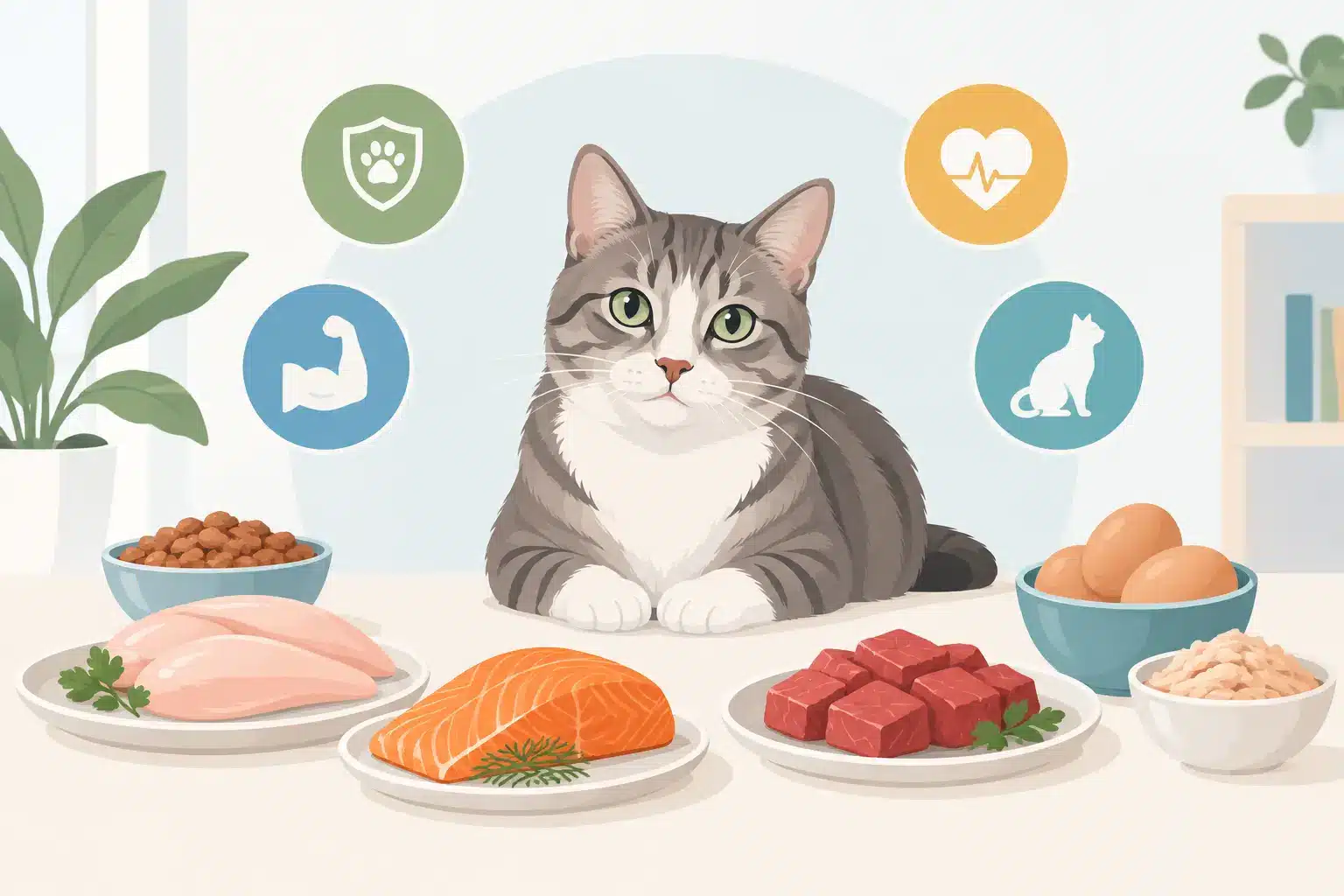
For dogs and cats, food supports far more than a full bowl. Consistent nutrition helps support digestion, immune health, skin and coat condition, energy, and long-term wellness. Protecting that food from contamination, spoilage, or poor storage helps protect the nutritional value you chose it for in the first place.
Pet Food Safety Begins Before You Buy
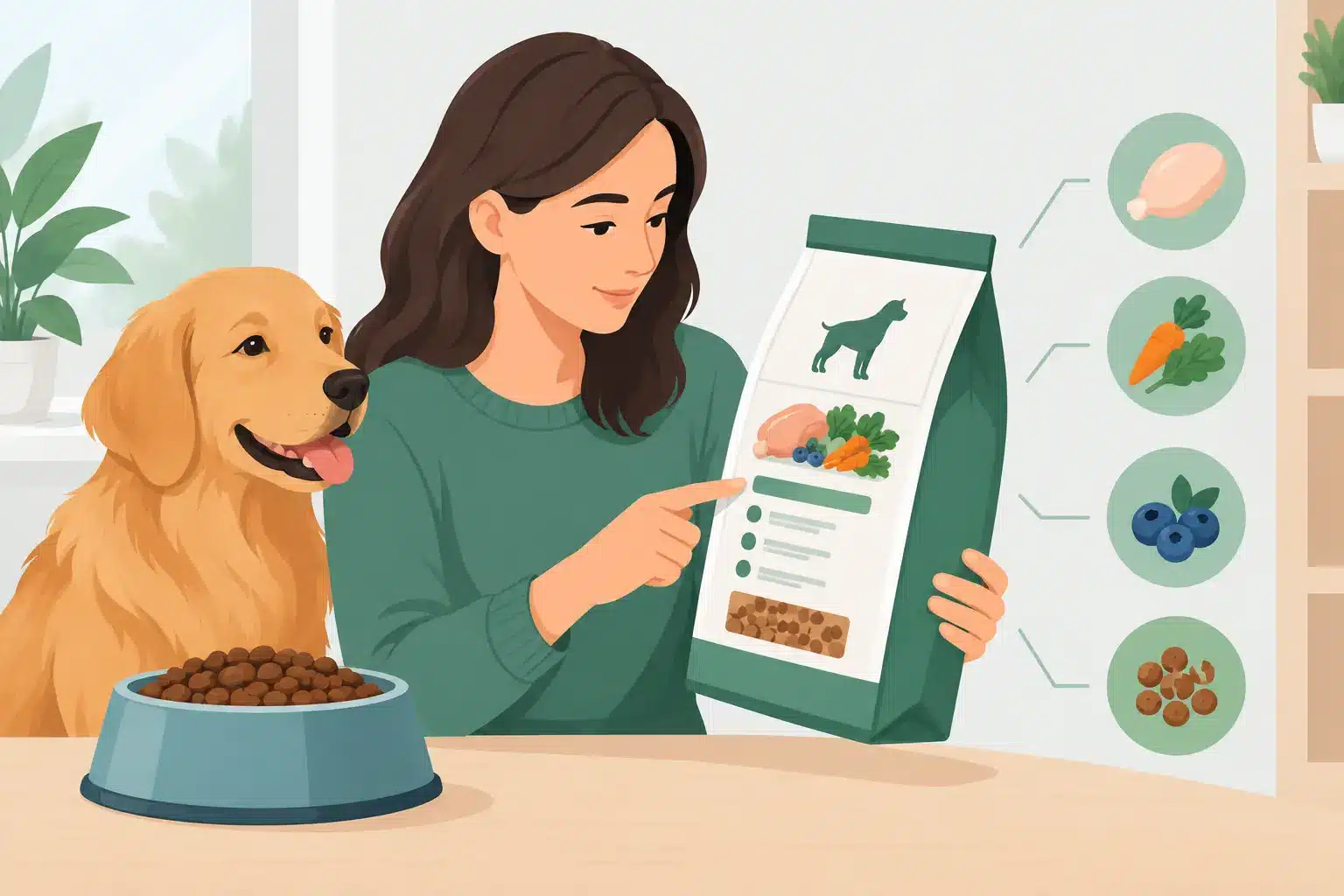
Start with the package. Choose food from reputable brands that identify the product clearly, provide feeding guidance, and make it easy to locate the lot code and best-by date. The package should be intact, dry, and free of punctures, tears, swelling, or unusual damage.
A torn bag or dented can may have been exposed to moisture, air, or contaminants during transport or on the store shelf. Do not assume a package is safe simply because the food inside is not past its date. When in doubt, select another package.
Check that the food is appropriate for your pet’s life stage and needs. Puppies and kittens need a different nutrient balance than adult pets, while senior pets, highly active dogs, and pets with sensitivities may benefit from more tailored nutrition. A food that is complete and balanced for the intended life stage offers a dependable nutritional foundation.
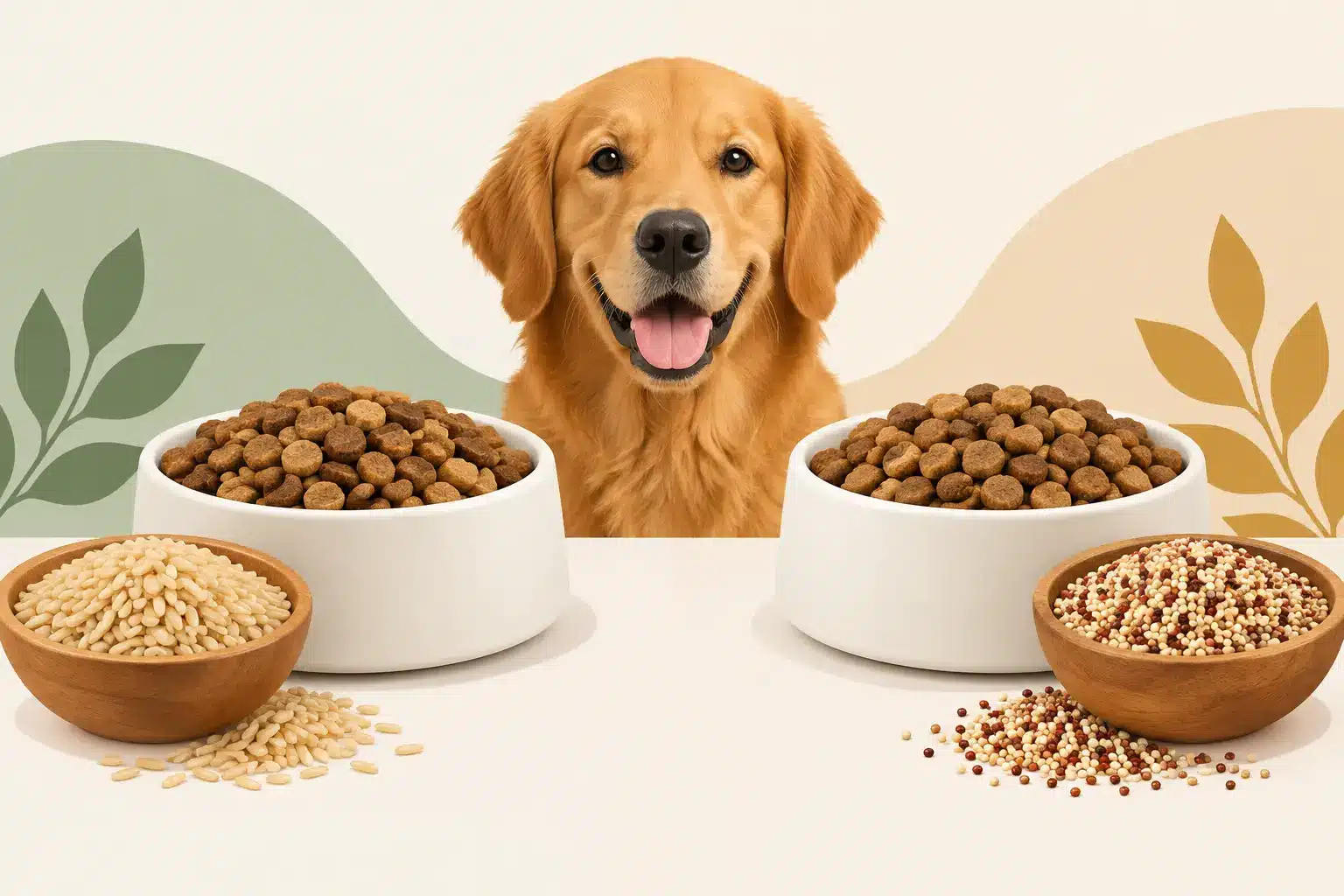
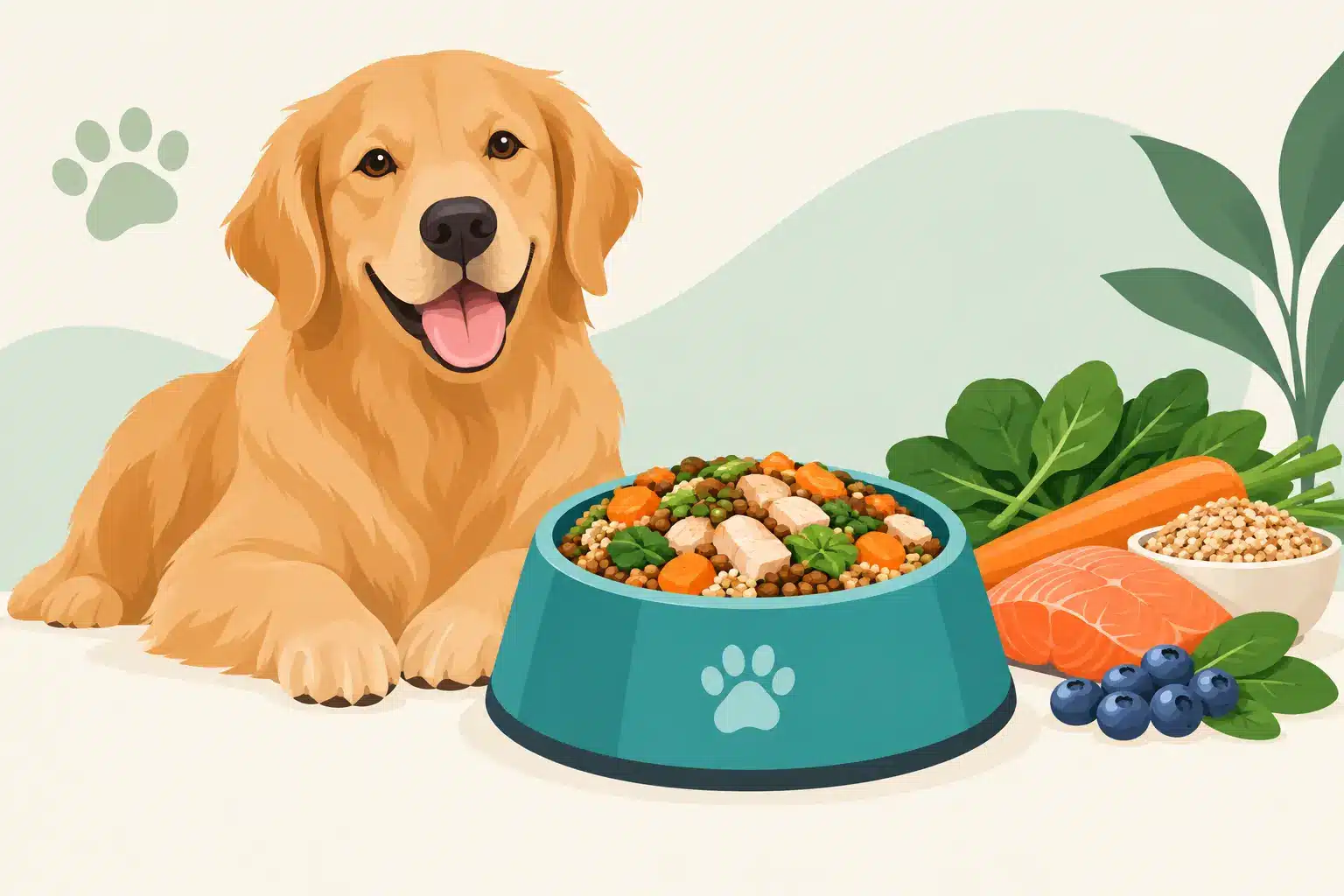
Ingredient quality matters, but it is only one part of the decision. A diet should also be properly formulated, made under meaningful quality controls, and suited to your pet as an individual. Recognizable ingredients such as chicken, salmon, pumpkin, brown rice, and quinoa can be part of a nourishing meal, but a healthy food choice also considers nutrient balance, digestibility, and consistency from bowl to bowl.
Be thoughtful about raw food and homemade diets
Raw and homemade feeding can appeal to pet parents who want greater control over ingredients. They also require more precision. Raw animal products can carry bacteria, and homemade recipes can fall short on essential nutrients when they are not designed by a qualified veterinary nutrition professional.
If your household includes young children, older adults, pregnant people, or anyone with a weakened immune system, raw food handling deserves especially careful consideration. The trade-off is not just convenience. It is foodborne illness risk for pets and people, plus the challenge of maintaining complete nutrition over time.
Store Pet Food to Protect Freshness
Heat, humidity, air, and light can affect food quality after you bring it home. Dry food should be kept in a cool, dry location away from direct sunlight, garages with extreme temperatures, and damp laundry rooms. A climate-controlled pantry or cabinet is usually a better choice.
Keep kibble in its original bag whenever possible. The bag carries the lot code, best-by date, and product details you may need if there is a quality question or recall. It is also designed to help protect the food’s fats and nutrients from excess air and light.
For added protection, place the entire sealed bag inside a clean, food-safe container with a tight-fitting lid. Avoid pouring kibble directly into a bin unless the bin is washed and fully dried between bags. Old crumbs and oils can build up along the container walls, creating a less sanitary environment for fresh food.
Canned food should be stored in a cool, dry place before opening. Once opened, cover it, refrigerate it promptly, and use it within the timeframe stated on the label. The same care applies to fresh, refrigerated, or frozen pet foods: follow the manufacturer’s storage instructions closely, and do not leave perishable food sitting out for extended periods.
Treats, chews, food rolls, and stews need attention too. Reseal packages tightly, use clean hands when portioning, and discard any item that develops an unusual odor, color, texture, or visible mold.
Safe Serving Habits Matter Every Day
Your pet’s bowl should be treated like any other food-contact surface in your kitchen. Wash bowls with hot, soapy water after meals, especially when serving wet, fresh, or raw foods. Let them dry fully before refilling. Water bowls should be cleaned and refreshed daily.
Use a clean scoop for dry food rather than reaching into the bag with a cup that has been sitting in a drawer or used for another purpose. Keep the scoop dry, and do not use it to handle wet food. Simple separation reduces the chance of transferring moisture or bacteria into the bag.
Portioning also supports safety and wellness. Serving more than your pet will eat can leave food sitting out longer than it should, particularly in warm weather. It can also make it harder to notice changes in appetite, which may be one of the earliest signs that something is wrong.
If wet food has been left at room temperature for several hours, it is safer to discard it than to save it. Bacteria can multiply quickly in moist foods, and refrigeration does not reverse that growth once it has occurred. Dry kibble is more shelf-stable, but it should still be protected from insects, moisture, and persistent heat.
Know What to Do if You Suspect a Problem
Pets may occasionally reject a food because they are stressed, distracted, or simply not hungry. But a sudden refusal to eat, vomiting, diarrhea, excessive gas, itching, lethargy, or a major stool change can also signal that something deserves attention. These symptoms may relate to food, a fast diet change, an underlying health issue, or something entirely unrelated to the bowl.
If you suspect a food problem, stop feeding that product and keep the packaging. Record the product name, lot code, best-by date, where it was purchased, and when your pet ate it. If your pet is ill, contact your veterinarian promptly. Severe vomiting or diarrhea, weakness, difficulty breathing, facial swelling, collapse, or signs of dehydration require urgent veterinary care.
Do not rely on smell alone to decide whether food is safe. Some contamination is not obvious, while an unfamiliar aroma may simply reflect a formula’s ingredients. The product date, package condition, storage history, and your pet’s symptoms provide a more complete picture.
Recall readiness is part of responsible feeding
Food recalls are uncommon, but knowing how to respond prevents confusion. Check the exact brand, recipe, package size, lot code, and date before assuming a product is affected. If your food matches a recall notice, follow the stated instructions, stop serving it, and clean bowls, scoops, and storage containers before introducing a replacement.
Keeping food in its original bag makes this process much easier. It also allows you to rotate products wisely: use older bags first while they remain within date, rather than opening several bags at once.
Transition Food With Digestion in Mind
A safe food transition is also a gentler one. Even a high-quality formula can cause digestive upset when it replaces a familiar diet overnight. For most healthy pets, introduce the new food gradually over about seven to 10 days, increasing the new food while decreasing the previous food.
Pets with sensitive digestion may need a slower transition. Watch stool quality, appetite, comfort, and energy rather than following a rigid schedule. If your pet develops persistent digestive symptoms, pause the transition and speak with your veterinarian about the best next step.
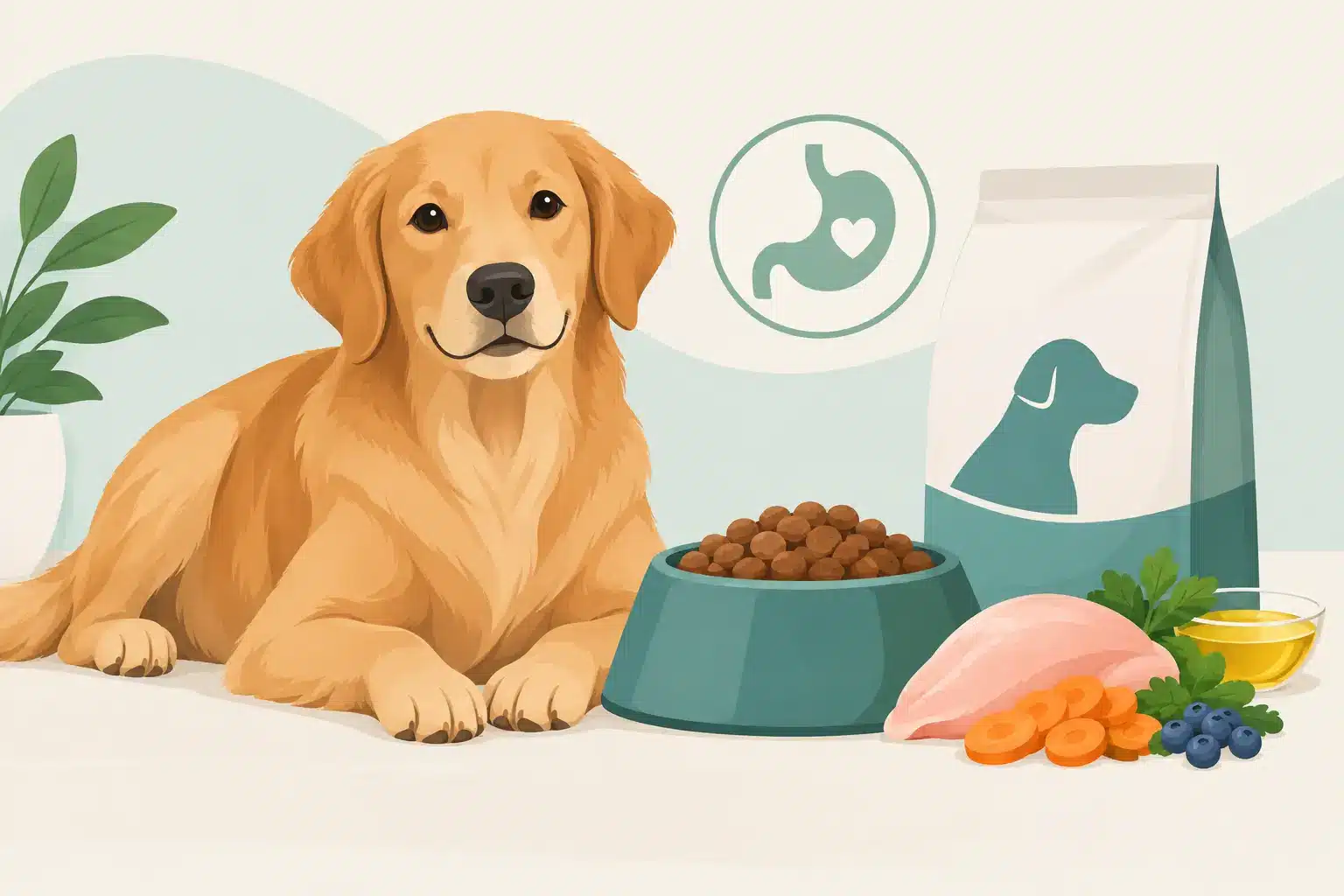
At Lucy Pet, digestive wellness is central to the feeding experience. A thoughtfully formulated diet, including balanced fiber that helps support a healthy gut environment, can be especially valuable when pet parents are working toward more consistent stools and everyday digestive comfort.
Pet food safety is ultimately a daily expression of care. Choose food with confidence, protect it after purchase, keep feeding tools clean, and let your pet’s habits guide your attention. Those small decisions help preserve the nourishment in every meal and support more happy, healthy years together.

Leave A Comment
You must be logged in to post a comment.