

A dog’s digestive system can tell you a great deal about how they are feeling. Consistent stools, comfortable digestion, a healthy appetite, and steady energy often point to a well-supported gut. When those signs are less consistent, introducing prebiotics to dog diets may be one thoughtful way to help nourish the beneficial bacteria that support digestive and whole-body wellness.
Prebiotics are not a quick fix for every digestive concern, and more is not always better. The right approach is gradual, food-first when possible, and tailored to your dog’s age, health history, and current diet. For pet parents focused on long-term nutrition, understanding how prebiotics work makes it easier to make confident feeding decisions.
What prebiotics do for dogs
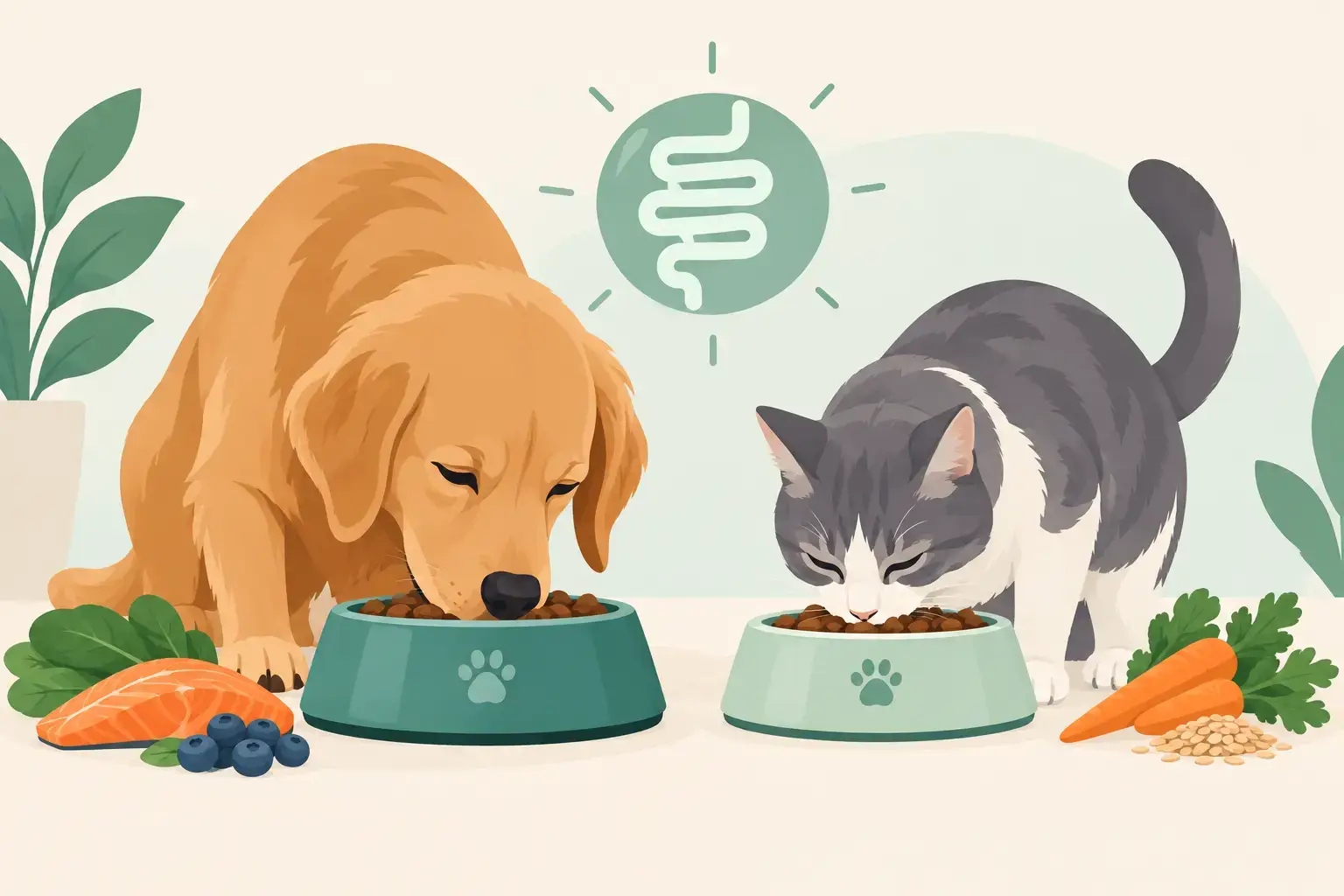
Prebiotics are specialized dietary fibers that provide fuel for beneficial microorganisms in the gut. Unlike probiotics, which are live beneficial microorganisms, prebiotics help create an environment where the helpful bacteria already present in your dog’s digestive tract can thrive.
As these bacteria use prebiotic fibers, they produce compounds that help support the intestinal environment. This matters because the gut does more than process food. It plays a meaningful role in nutrient absorption, stool quality, immune function, and the body’s ongoing response to everyday stressors.
A healthy gut microbiome is also about balance. Dogs naturally carry a diverse community of microorganisms in their digestive tract. Diet, medications, illness, travel, sudden food changes, and stressful events can all affect that balance. A well-formulated diet with appropriate fiber can help support digestive regularity without asking pet parents to rely on unnecessary supplements or dramatic feeding changes.
Signs your dog may benefit from dietary prebiotics
Many healthy dogs can benefit from an appropriately balanced source of prebiotic fiber. Some pet parents begin paying closer attention to prebiotics when they notice occasional loose stools, inconsistent stool volume, excess gas, or a dog who seems sensitive to abrupt diet changes.
Skin and coat concerns can also lead pet parents to look more closely at digestive wellness. The gut, immune system, skin, and nutrient utilization are connected, so a complete and balanced diet that supports digestion may contribute to visible wellness over time. Still, itchy skin, recurring diarrhea, vomiting, appetite loss, weight changes, or blood in the stool deserve veterinary attention. Prebiotics are a nutritional tool, not a replacement for a diagnosis.
Puppies, senior dogs, and dogs with a history of sensitive digestion may need extra care during any diet adjustment. In these cases, your veterinarian can help determine whether a prebiotic-rich food, a specific supplement, or another feeding strategy makes the most sense.
Introducing prebiotics to dog diets gradually
The best transition is usually the least dramatic one. Even beneficial fibers can lead to temporary gas or softer stools when they are introduced too quickly. Start by reviewing your dog’s existing food, treats, chews, and supplements so you can see the full picture of what they are eating each day.
If you are changing to a complete food that includes prebiotic fiber, transition over approximately seven to 10 days. Begin with a small amount of the new food mixed into the current food, then gradually increase the new food while decreasing the previous diet. Dogs with especially sensitive digestion may do better with an even slower transition.
During this period, keep treats simple and familiar. Adding a new food, new topper, new supplement, and several new treats at once makes it difficult to know what is helping or what may be causing discomfort. A steady routine gives your dog’s digestive system time to adapt and gives you a clearer view of results.
What to monitor during the transition
Look beyond a single day of stool changes. Monitor your dog over several days for stool consistency, frequency, appetite, energy, and signs of discomfort such as excessive gas or repeated straining. Healthy stools are typically formed, easy to pick up, and produced at a consistent frequency for your individual dog.
A small, short-lived change may occur as the gut adapts to a new fiber level. If loose stool, gas, vomiting, or reduced appetite persists, slow the transition or return to the previous feeding level and contact your veterinarian for guidance.
Choosing quality prebiotic fiber sources
Not all fibers work in the same way. Some fibers primarily add bulk to stool, while others are more readily fermented by beneficial gut bacteria. A thoughtfully formulated food often combines different fiber sources to support both digestive regularity and the microbiome.
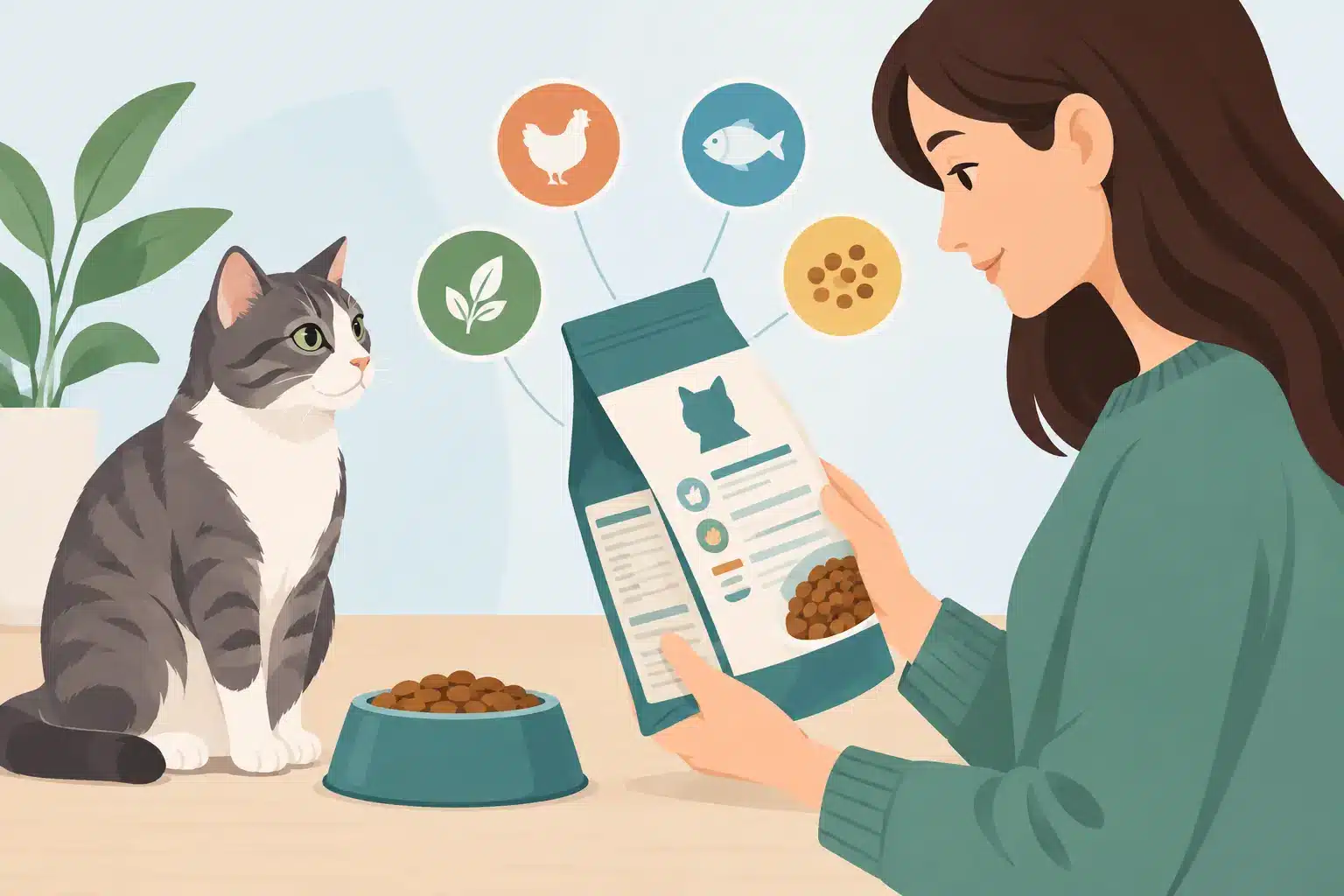
Ingredients such as pumpkin, certain plant fibers, and carefully selected carbohydrate sources can contribute to a dog’s overall fiber intake. What matters most is not simply spotting one appealing ingredient on a label. The full formula should be complete and balanced for your dog’s life stage, with protein, fats, vitamins, minerals, and fiber working together.
This is where formulation matters. A diet with too little fiber may not adequately support regularity for some dogs, while an excessive or poorly matched fiber level can increase stool volume or cause digestive upset. The ideal amount depends on the dog, including their size, activity level, age, health status, and the rest of their diet.
Lucy Pet’s P.B.F. Prebiotic Balanced Fiber™ approach reflects this balanced perspective: digestive support is strongest when fiber is considered as part of complete daily nutrition, rather than as an isolated add-on.
Food versus prebiotic supplements
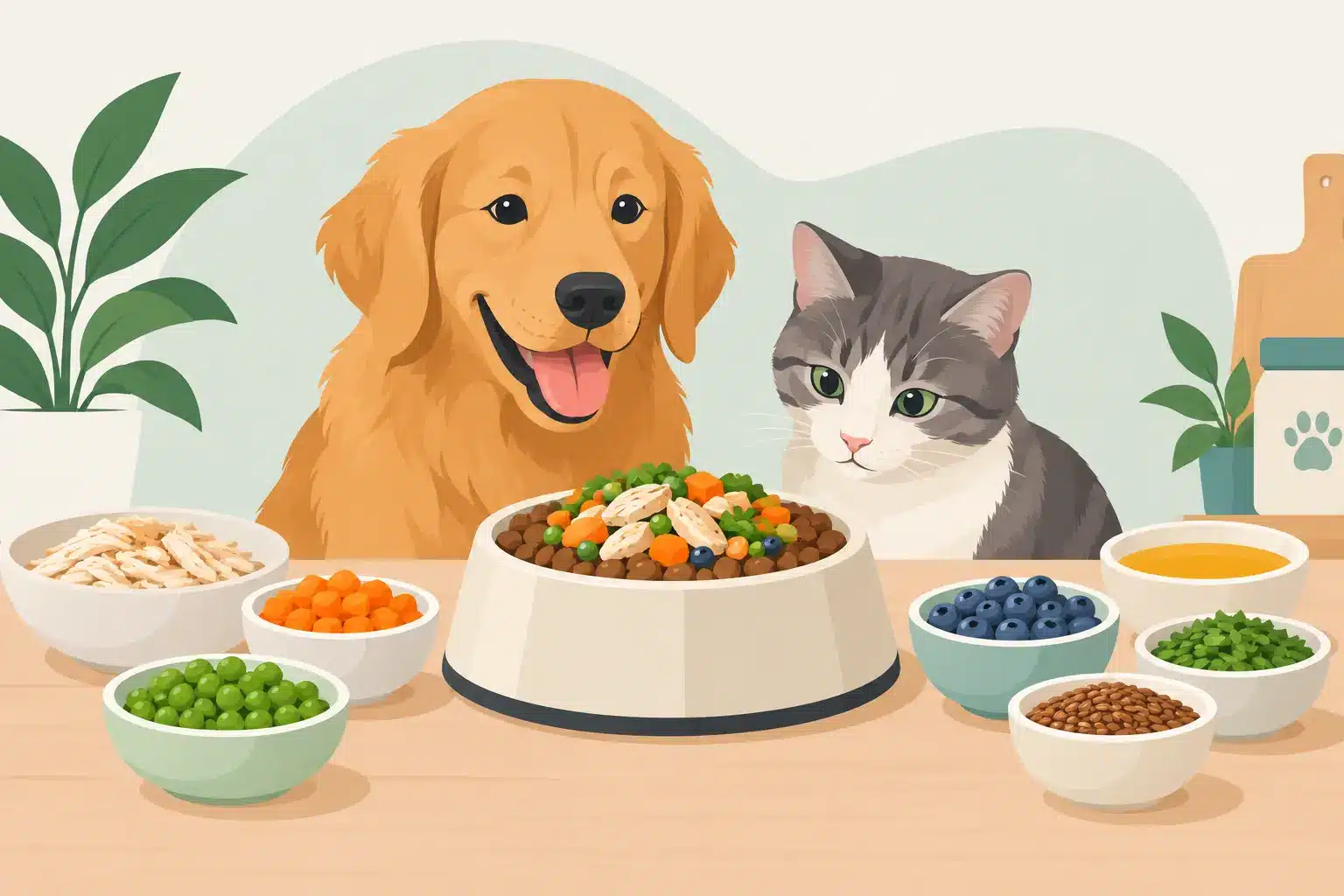
A complete diet is often the most practical starting point for dogs that need more consistent digestive support. It delivers prebiotic fiber in the context of a balanced meal and simplifies the feeding routine. For many dogs, this is preferable to layering multiple supplements over a food that may not meet their needs in the first place.
Prebiotic supplements can be useful in select situations, but they should be chosen carefully. Powders, chews, and capsules can vary widely in ingredients, fiber types, calorie content, and serving instructions. A supplement may be appropriate when a veterinarian recommends a targeted strategy, but it should not be used to mask ongoing digestive symptoms.
Be especially cautious with products made for people. Human fiber supplements may contain sweeteners, flavorings, or ingredients that are not suitable for dogs. Always read the full label and ask your veterinarian before adding a new supplement, particularly if your dog takes medications or has a medical condition.
Common mistakes to avoid
The most common mistake is changing too much at once. A rapid food switch combined with new supplements and rich treats can overwhelm a sensitive digestive system. Another is assuming that more fiber will automatically produce better results. Dogs have individual tolerance levels, and excessive fiber can mean larger stools, gas, or reduced nutrient digestibility.
It is also easy to focus on a single ingredient rather than the quality of the whole diet. Pumpkin may be a useful fiber source, for example, but a spoonful added to an unbalanced feeding plan does not create complete nutrition. Treat prebiotic foods as one part of a bigger commitment to consistent, complete, and carefully formulated meals.
Finally, avoid judging a diet solely by one stool or one day. Travel, exercise, hydration, excitement, table scraps, and changes in routine can all influence digestion. Look for steady trends while maintaining a consistent feeding schedule and access to fresh water.
When to talk with your veterinarian
Contact your veterinarian promptly if your dog has repeated vomiting, diarrhea lasting more than a day, black or bloody stools, noticeable pain, lethargy, refusal to eat, or unexplained weight loss. These signs may indicate a concern that requires more than a nutrition adjustment.
Veterinary guidance is also valuable for dogs with diagnosed gastrointestinal disease, pancreatitis, diabetes, food allergies, or a history of recurrent digestive problems. In these cases, the best fiber source and amount can be highly individual.
A calm, gradual feeding change can make a meaningful difference for many dogs. By choosing complete nutrition with thoughtfully balanced prebiotic fiber and paying attention to your dog’s response, you can support the daily digestive comfort that helps them stay active, happy, and ready for the moments you share.



Leave A Comment
You must be logged in to post a comment.