

A dog’s stool can tell a surprisingly detailed story. Firm, easy-to-pick-up stools, comfortable bathroom routines, and a steady appetite often point to a digestive system that is doing its job well. When stools become loose, inconsistent, overly firm, or unusually frequent, the food bowl is one place worth examining. This canine prebiotic fiber guide explains how the right fiber strategy can help nourish the gut ecosystem behind your dog’s everyday digestive comfort.
Fiber is sometimes treated as a simple filler, but thoughtful formulation makes it much more useful than that. Certain fibers help support regularity, while prebiotic fibers provide nourishment for beneficial microorganisms in the gastrointestinal tract. The goal is not to add as much fiber as possible. It is to provide the right types, in balanced amounts, within a complete and nutritious diet.
What Prebiotic Fiber Does for Dogs
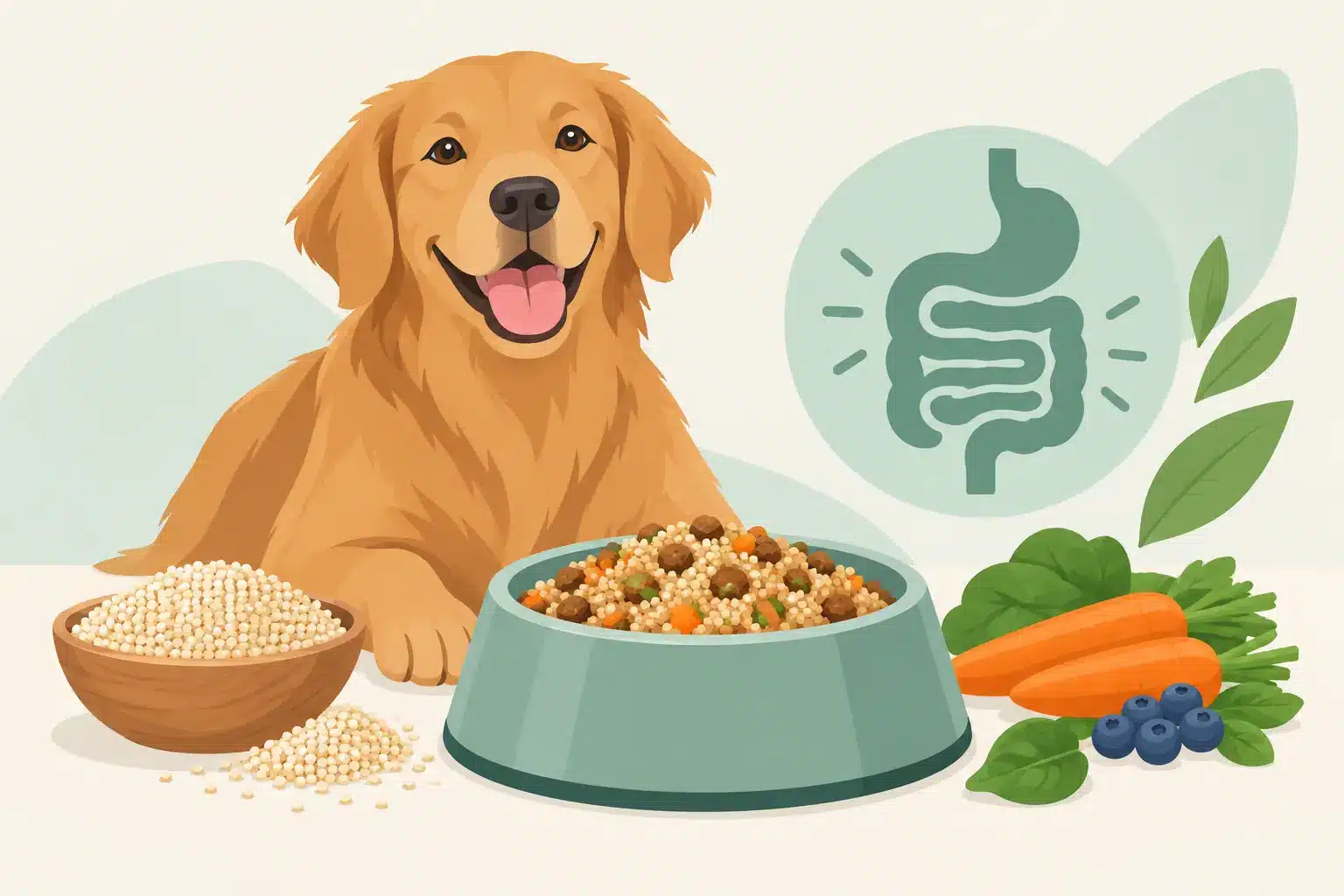
Prebiotic fiber is a type of carbohydrate that resists digestion in the small intestine and reaches the large intestine, where it can be used by beneficial gut microbes. As these microbes ferment appropriate fibers, they produce compounds that help support the intestinal environment. This relationship matters because the gut is connected to more than digestion. A healthy gastrointestinal system plays a meaningful role in nutrient use, immune function, and overall well-being.
Not every dietary fiber acts the same way. Some fibers are more soluble, meaning they can absorb water and form a gel-like consistency in the digestive tract. Others are more insoluble and can help add bulk and encourage movement through the intestines. Prebiotic fibers are valued for another reason: they can selectively support beneficial bacteria already living in the gut.
A well-designed diet often uses a blend rather than relying on one ingredient to do every job. That balance is especially helpful for dogs with sensitive digestion, but it also benefits healthy dogs whose pet parents want to protect the consistency and comfort of their daily routine.
Fiber, probiotics, and prebiotics are not interchangeable
These terms are often used together, but they describe different things. Probiotics are live microorganisms added to a diet or supplement. Prebiotics are the fibers that help feed beneficial microorganisms. Fiber is the broader category, encompassing materials with different effects on stool texture, gut transit time, and microbial fermentation.
A dog may benefit from prebiotic fiber without taking a probiotic supplement. Likewise, adding a probiotic does not automatically correct a diet that lacks appropriate fiber. For many dogs, a complete food with balanced fiber is a practical first step because it supports digestion every day, not only when a supplement is used.
A Canine Prebiotic Fiber Guide to Common Sources
Recognizable whole-food ingredients can contribute useful fiber, although the nutritional value of a formula depends on the complete recipe, processing, and amount included. Pumpkin is widely appreciated for its mix of soluble and insoluble fiber. It may help support stool quality in dogs that occasionally experience minor digestive variation, but it is not a cure-all for ongoing symptoms.
Ingredients such as brown rice and quinoa can contribute fiber alongside carbohydrates and other nutrients. Beet pulp is another commonly used source that can support stool quality when included at an appropriate level. Chicory root is often used for its naturally occurring inulin, a fermentable prebiotic fiber. Each source has different properties, which is why ingredient lists alone do not tell the full story.
What matters most is the finished food. A premium formula should provide complete and balanced nutrition for the dog’s life stage while using fiber purposefully. Lucy Pet’s P.B.F. Prebiotic Balanced Fiber™ approach reflects this principle: digestive support is strongest when fiber is balanced within a thoughtfully formulated daily diet, not added as an afterthought.
Signs Your Dog May Need a Fiber Review
Digestive changes are common, and they do not always mean that fiber is the cause. A rushed food transition, rich treats, stress, scavenging outdoors, parasites, illness, medications, and food sensitivities can all affect stools. Still, it may be time to review your dog’s fiber intake if you notice a pattern of inconsistent stool quality, frequent straining, large stool volume, excess gas, or difficulty maintaining a comfortable bathroom schedule.
A healthy dog’s needs can also change with age, activity, and lifestyle. A highly active dog may have different calorie and nutrient requirements than a sedentary adult. Puppies need a formula designed for growth, while senior dogs may benefit from a careful conversation with their veterinarian about digestive changes, hydration, body condition, and mobility.
Persistent diarrhea, vomiting, blood in stool, unexplained weight loss, marked fatigue, abdominal discomfort, or a sudden refusal to eat need veterinary attention. Fiber can support normal digestion, but it should never be used to delay care when symptoms are severe, prolonged, or concerning.
How to Introduce More Prebiotic Fiber Safely
More is not always better. Increasing fiber too quickly can lead to gas, bloating, or loose stools, particularly in dogs with a sensitive gastrointestinal tract. The safest approach is to make one change at a time and give the digestive system time to adjust.
If you are switching to a new complete food, transition gradually over about seven to 10 days. Begin by mixing a small amount of the new food with the current diet, then steadily increase the new food while decreasing the old food. Some particularly sensitive dogs may need a slower transition. Keep treats and table scraps consistent during this period, so you can better understand how the new food is working.
Pay attention to the full picture, not just one bowel movement. Look at stool consistency, frequency, appetite, energy, skin and coat condition, and your dog’s general comfort. Fresh water should always be available, since fiber and hydration work together to support normal digestive movement.
Avoid adding multiple high-fiber toppers, powders, and supplements on top of a fiber-conscious food without professional guidance. These additions can make it difficult to determine what is helping and can push total fiber beyond what your individual dog tolerates well. For dogs with medical conditions, a history of pancreatitis, chronic gastrointestinal concerns, or prescription diets, consult your veterinarian before making dietary changes.
Choosing a Food With a Purposeful Fiber Strategy
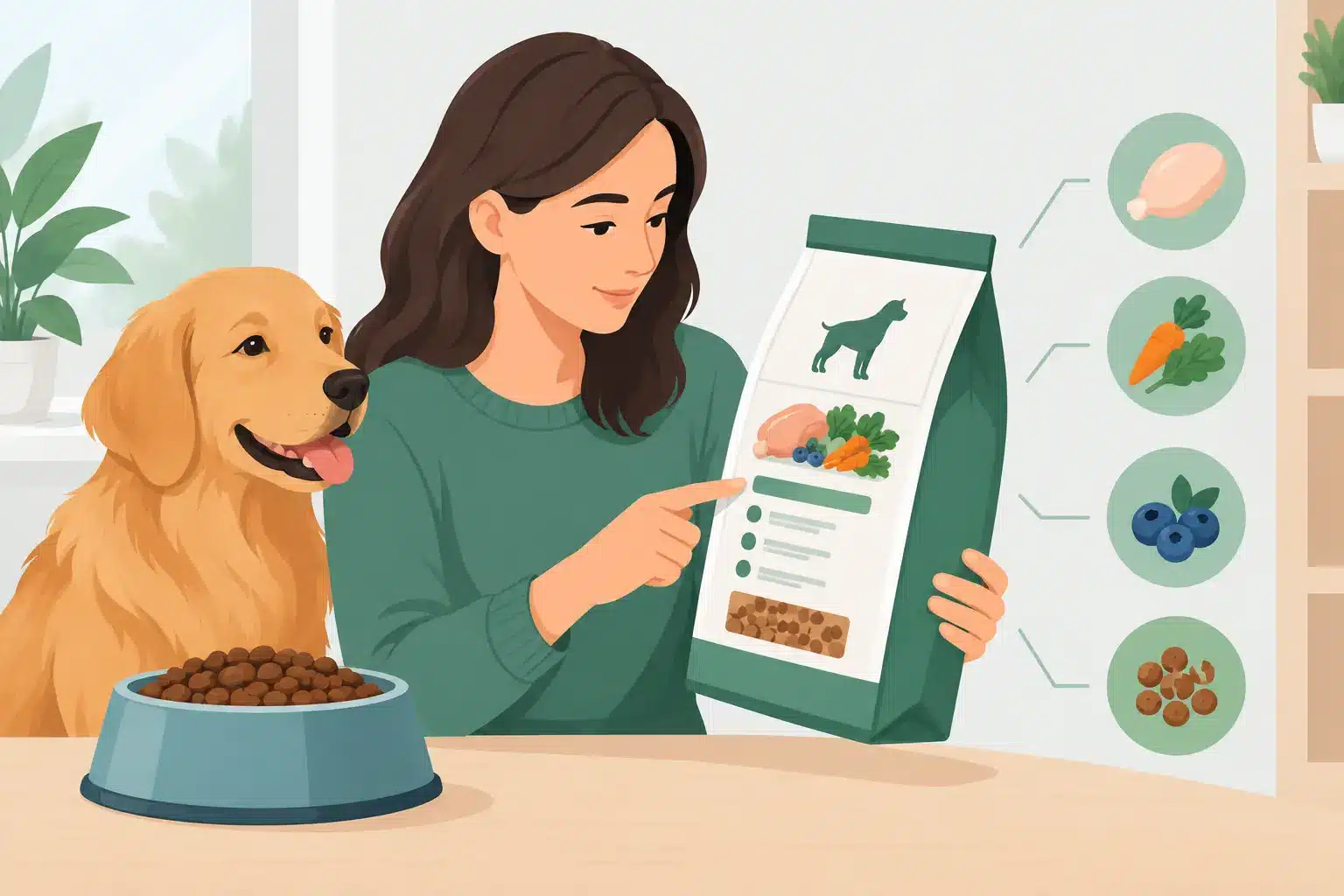
Pet parents often focus on the first ingredient, and protein quality certainly matters. But a dog food’s value comes from how the entire formula works together. Look for a food that is complete and balanced for your dog’s life stage, clearly identifies its ingredients, and is designed with digestive wellness in mind.
It is also reasonable to consider your dog’s personal response. A food can look excellent on paper and still not be the best fit for every dog. After a careful transition, observe whether your dog maintains healthy stools, a comfortable appetite, appropriate body condition, and the energy to enjoy daily life. If results are mixed, resist the urge to change foods repeatedly in a short period. Work with your veterinarian to rule out health concerns and make a measured plan.
Questions worth asking before changing foods
Ask whether the formula is complete and balanced, whether it is appropriate for your dog’s age and activity level, and whether its fiber sources serve a clear nutritional purpose. Also consider how your dog has responded to similar ingredients in the past. A dog with a known food sensitivity may need a more individualized approach than a dog simply experiencing a brief change in stool quality.
The best fiber plan is not the trendiest ingredient or the highest number on a label. It is a consistent, well-tolerated diet that supports your dog’s gut day after day. When digestion feels settled, there is more room for the things that matter most: eager meals, energetic walks, comfortable naps, and more good years together.


Leave A Comment
You must be logged in to post a comment.