

A shiny coat is not just a cosmetic win after bath day. It can reflect whether your pet is getting the protein, essential fats, vitamins, minerals, and digestive support needed to nourish skin from within. The best treats for coat health are not simply the ones labeled “skin and coat.” They are treats that complement a complete daily diet with purposeful ingredients and without adding unnecessary calories or dietary surprises.
For many pet parents, dry skin, dull fur, shedding, or a less-than-lustrous coat prompts a search for a better treat. That is a reasonable place to start, but treats work best as part of a bigger nutrition picture. A healthy coat begins with healthy skin, and healthy skin depends on the nutrients your dog or cat absorbs every day.
What Makes the Best Treats for Coat Health?
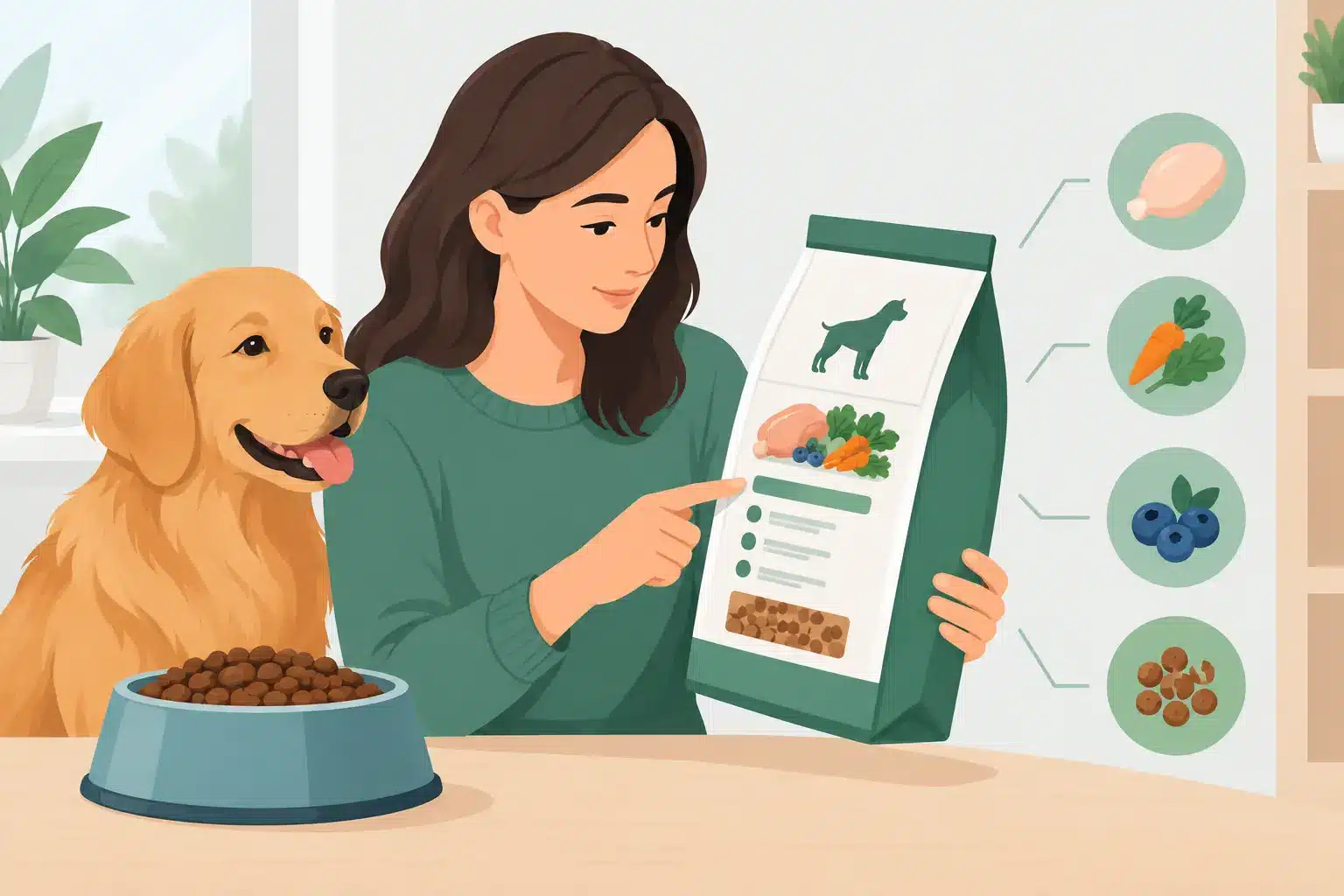
Look beyond a front-of-package claim and start with the ingredient panel. Treats that support a healthy coat typically provide quality animal protein, beneficial fats, and a straightforward recipe that agrees with your pet’s digestive system.
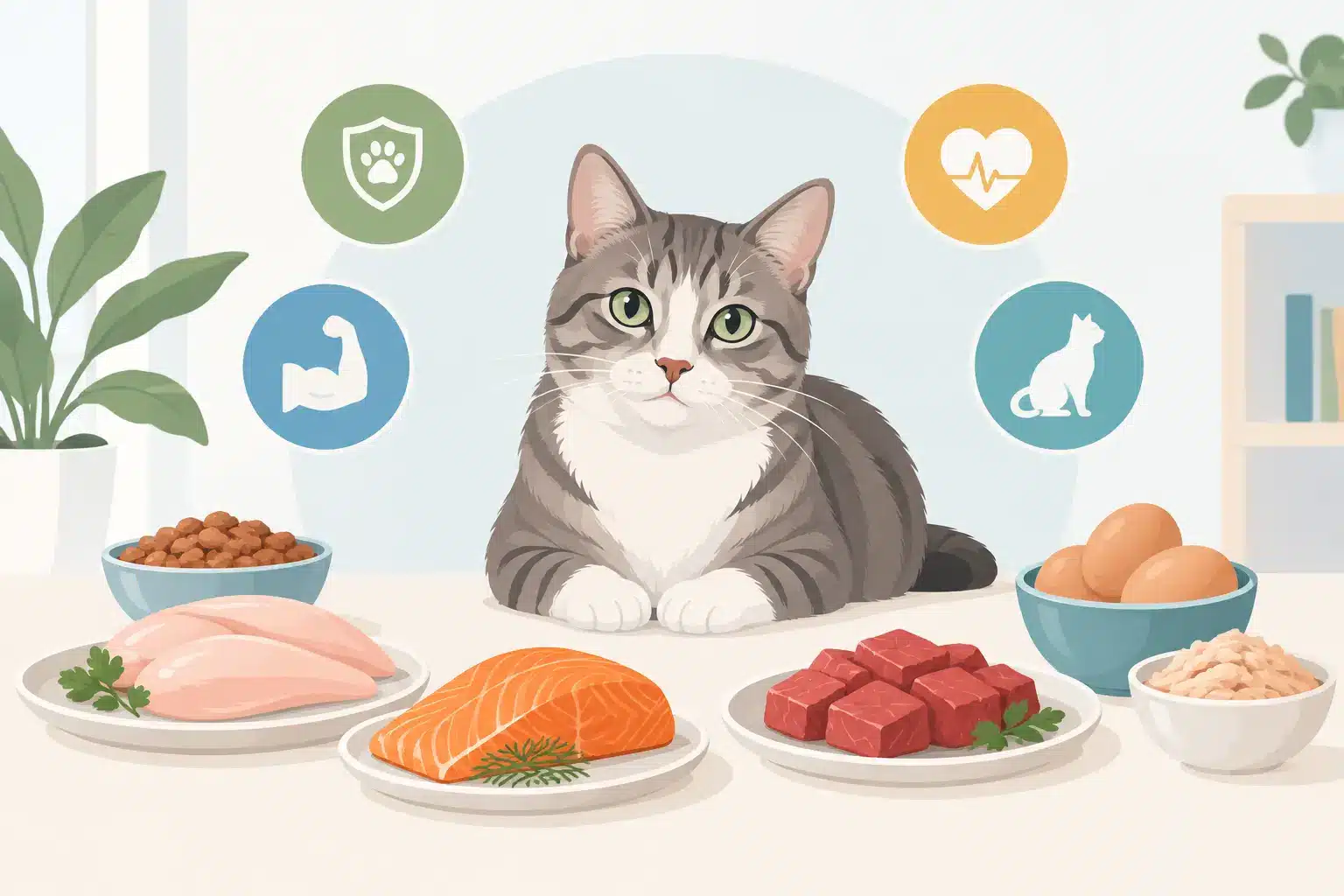
Animal-based ingredients such as salmon, chicken, duck, or other recognizable proteins can contribute amino acids that help maintain skin and hair structure. Hair itself is largely made of protein, so a pet eating an inadequate or poorly tolerated diet may show changes in coat quality over time.
Healthy fats matter just as much. Omega-3 and omega-6 fatty acids support the skin barrier, which helps the skin hold moisture and respond to everyday environmental stressors. Fish-based ingredients are a familiar source of omega-3 fatty acids, while other fats may contribute omega-6 fatty acids. The goal is not to chase one nutrient in isolation. Your pet needs an appropriate overall balance.
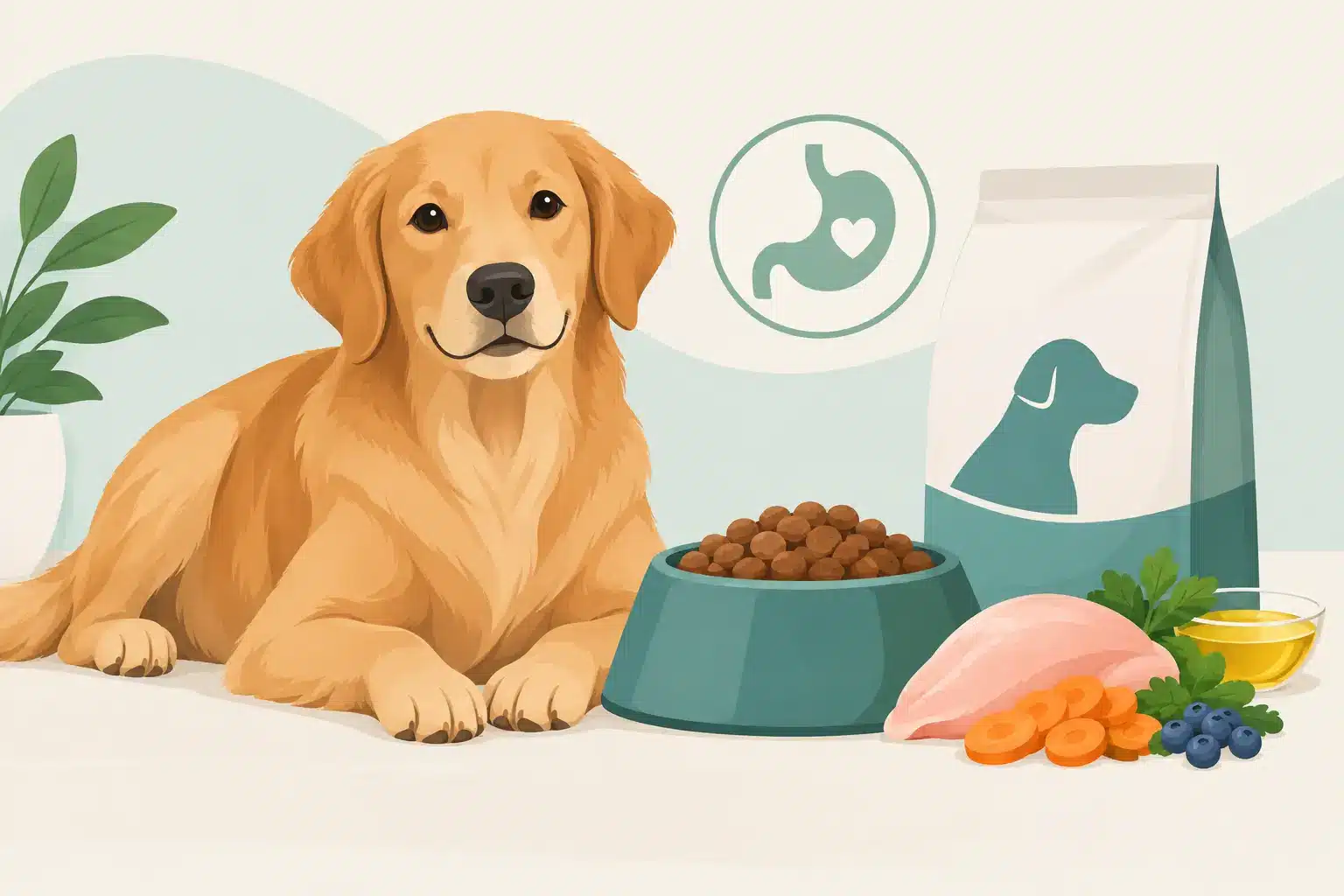
A treat should also be easy on the stomach. When digestion is unsettled, nutrient absorption and skin comfort can suffer. For pets with sensitive digestion, a short, recognizable ingredient list and a treat that fits their established diet can be a more thoughtful choice than a highly rich novelty snack.
A healthy coat starts at the skin barrier
The outer layer of your pet’s skin serves as a protective barrier. When that barrier is well supported, skin is better able to retain moisture and keep out everyday irritants. Essential fatty acids are part of that support system, which is why they are often associated with soft fur and visible shine.
That said, more fat is not automatically better. Rich treats can be difficult for some pets to tolerate and can add calories quickly, especially for smaller dogs, less active adults, and indoor cats. The right choice is a properly portioned treat with nutrition that fits your pet’s individual needs.
Ingredients Worth Looking For
The best choice will depend on your pet’s current food, sensitivities, life stage, and activity level. Still, several ingredients and nutritional qualities are useful signals when evaluating coat-focused treats.
Quality protein should be near the top of the list. Chicken, salmon, duck, and other clearly identified animal proteins can help support lean body condition as well as healthy skin and fur. Pets with known food sensitivities may do better with a protein source they have already tolerated well rather than a new flavor introduced all at once.
Fish ingredients can be especially appealing for pet parents seeking naturally occurring omega-3 fatty acids. Salmon is a familiar example and may be a good fit for many pets, provided it aligns with their dietary history. Some treats also contain added fish oil, but richer formulas should be introduced gradually and served in moderation.
Vitamin E, zinc, biotin, and other micronutrients also play roles in normal skin and coat function. However, these nutrients are most meaningful in the context of a complete and balanced diet. A treat fortified with a long list of nutrients cannot compensate for a daily food that does not meet your pet’s nutritional requirements.
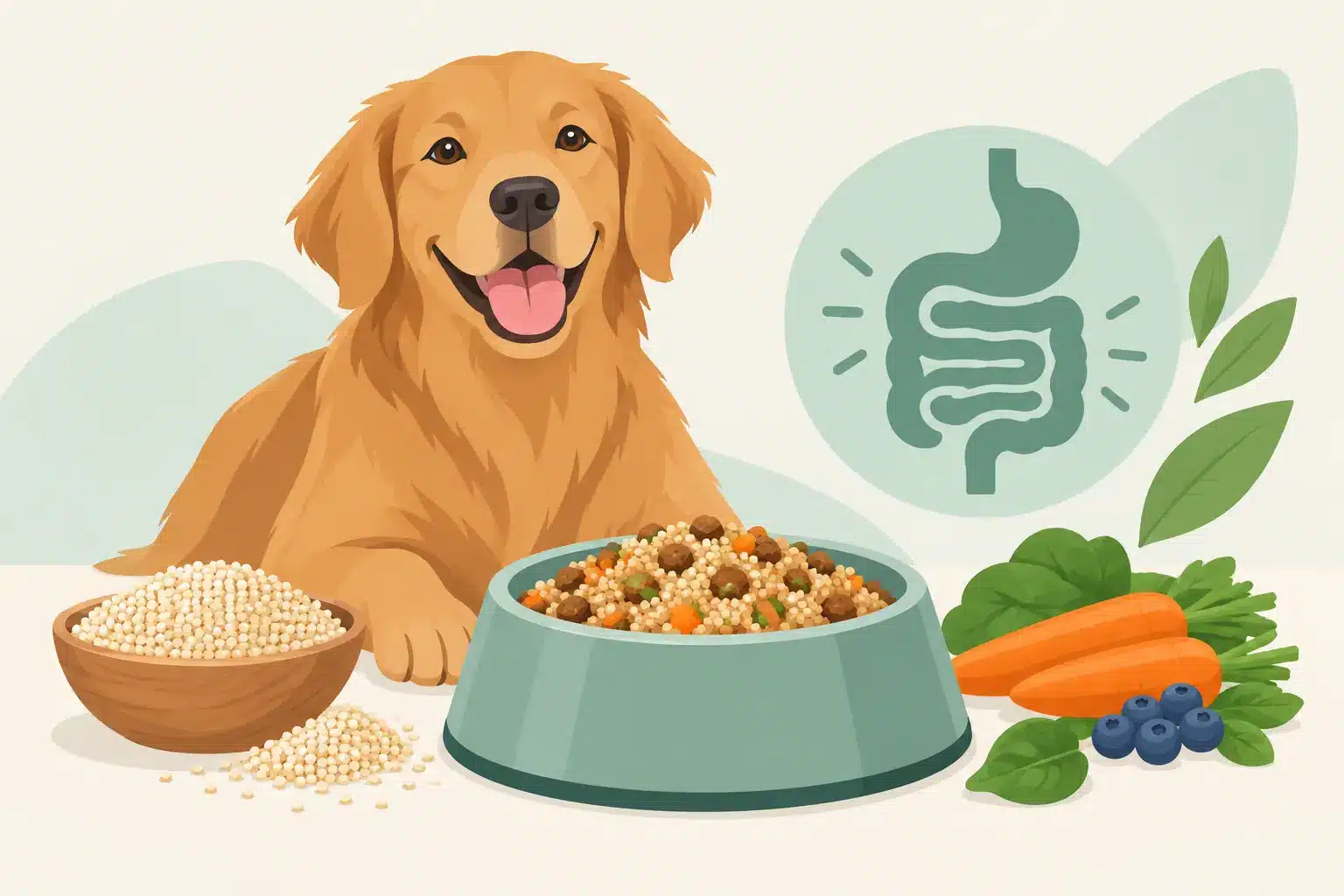
Fiber deserves attention, too, particularly for pets whose coat concerns occur alongside occasional digestive upset. Appropriate fiber can support digestive regularity and the gut environment. Lucy Pet’s nutrition philosophy centers on digestive wellness, including its P.B.F. Prebiotic Balanced Fiber™ approach, because whole-body health is closely connected to what happens in the gut.
Match the Treat to Your Pet, Not the Trend
A salmon treat may sound ideal for every dull coat, but the best option depends on the pet in front of you. A young, active dog may have different calorie needs than a senior dog with a slower metabolism. A cat with a sensitive stomach may need a smaller, simpler treat than a food-motivated dog who can handle a higher-value reward during training.
For dogs, consider the treat’s size, texture, and intended use. A soft, small treat can make training easier because it can be broken into tiny pieces, helping you reward good behavior without overfeeding. Crunchy treats may offer satisfying texture, but they are not a replacement for routine dental care. Chews can be enjoyable, yet they should be selected carefully for size and always offered under supervision.
For cats, portion control is particularly important. Cats are small, and a few extra calories each day can add up. Choose cat-specific treats with a clear feeding guide, and avoid assuming that a dog treat is appropriate simply because the ingredient list looks wholesome.
If your pet has a history of itchy skin, recurrent ear issues, vomiting, loose stool, or suspected food reactions, resist the urge to rotate through several new treats. A single new product at a time makes it easier to observe tolerance. Your veterinarian can also help determine whether a skin concern is related to nutrition, parasites, allergies, infection, grooming practices, or another health issue.
How to Add Coat-Supporting Treats Wisely
Even a nutritious treat should remain a treat. As a general guideline, treats and extras should make up no more than about 10% of your pet’s daily calories. The rest should come from a complete and balanced food formulated for their species and life stage.
Start with the smallest recommended portion, especially when introducing a fish-based or higher-fat treat. Watch for changes in stool quality, appetite, scratching, or overall comfort over the next several days. If your pet does well, continue using the treat consistently but sparingly.
It also helps to think about timing. Treats given after a walk, as part of training, or in a food puzzle can add enrichment without becoming automatic extras throughout the day. For pets who need to lose weight or maintain a healthy body condition, you can reserve part of their regular meal for rewards and use coat-focused treats less often.
Do not overlook the daily food
A treat can support a nutrition routine, but it should not carry the full responsibility for coat health. If your pet’s primary food is complete and balanced, made with quality protein and appropriate fat, a well-chosen treat is a useful addition. If the base diet is inconsistent, nutritionally incomplete, or poorly tolerated, changing treats alone is unlikely to create a lasting difference.
Hydration and regular grooming also matter. Fresh water supports normal skin function, while brushing removes loose fur and helps you notice flakes, redness, bumps, or parasites early. Seasonal shedding is normal for many pets, so a temporary increase in fur around the home does not necessarily mean the diet is failing.
When a Dull Coat Needs More Than a Treat
Coat changes can sometimes be an early clue that something deserves closer attention. Contact your veterinarian if you notice sudden or severe hair loss, red or inflamed skin, scabs, persistent scratching, a greasy coat, sores, unusual odor, or a major shift in appetite, energy, or stool quality.
A veterinarian can help rule out medical causes and recommend a feeding plan that makes sense for your pet. This is particularly valuable for pets with chronic digestive concerns, known allergies, pancreatitis risk, or a prescription diet. In those cases, adding a rich treat without guidance may create more problems than it solves.
The most rewarding treat routine is one that supports the life your pet already loves: training sessions, quiet companionship, a post-walk reward, or a little extra enthusiasm at mealtime. Choose treats with purposeful nutrition, feed them in sensible portions, and let a complete daily diet do the steady work of supporting healthy skin, a soft coat, and a pet who feels as good as they look.


Leave A Comment
You must be logged in to post a comment.