

Loose stools one week, gurgly stomach the next, then sudden pickiness at mealtime – digestive issues in dogs rarely stay neatly contained. If you are wondering what to give dogs for gut health, the best answer is not a single trendy ingredient. It is a thoughtful combination of complete nutrition, the right kind of fiber, digestive support, and feeding habits that help the gut stay balanced over time.
A dog’s digestive system does more than process food. It helps regulate stool quality, nutrient absorption, immune function, and even day-to-day comfort. That is why gut health support should be practical, steady, and based on what your dog actually needs – not just what sounds healthy on a label.
What to give dogs for gut health starts with the bowl
The foundation of gut health is a complete and balanced diet made with digestible ingredients. Before adding supplements or toppers, look at the main food your dog eats every day. A diet that is difficult to digest, overly rich, inconsistent, or poorly balanced can keep digestive issues going even if you add helpful extras.
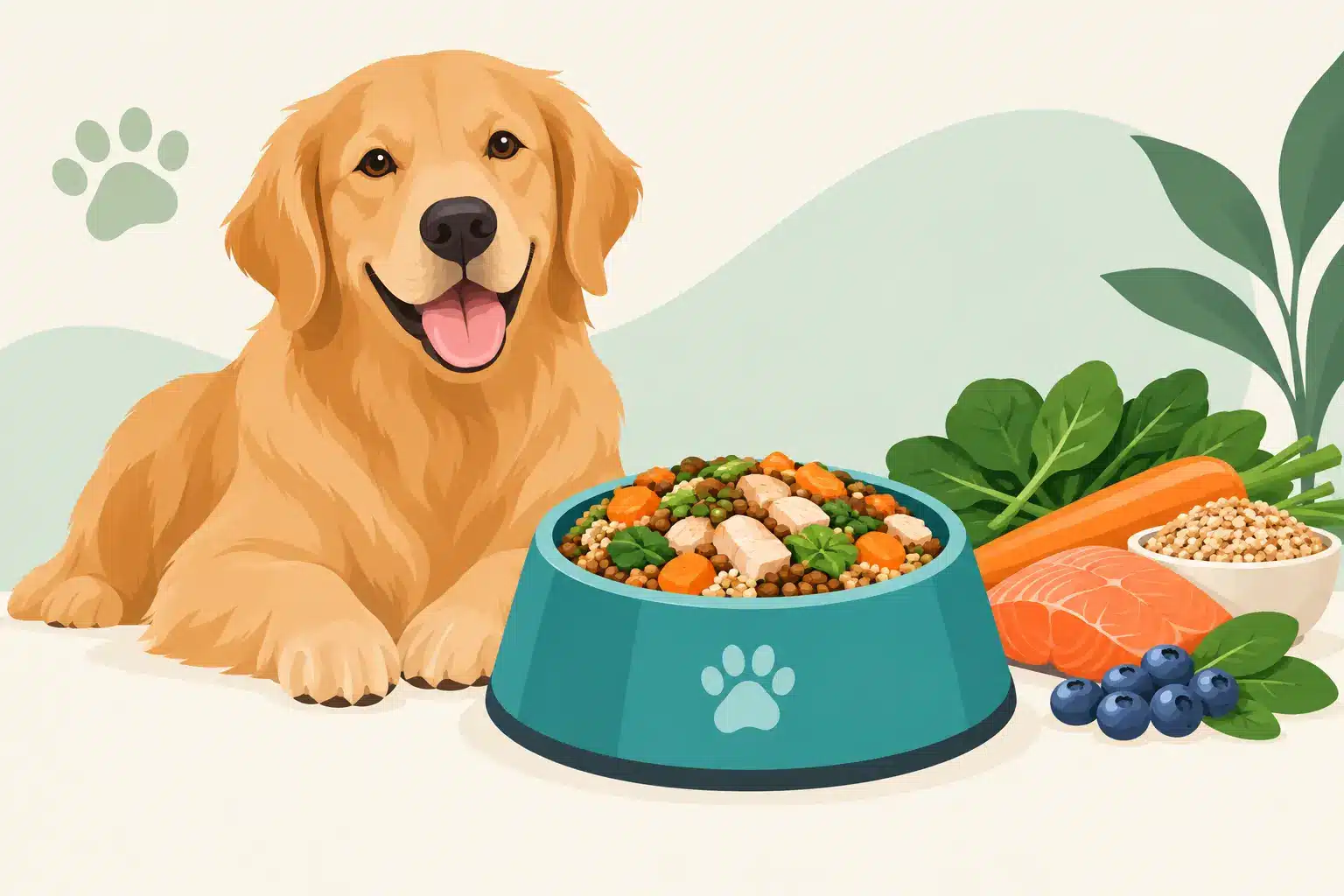
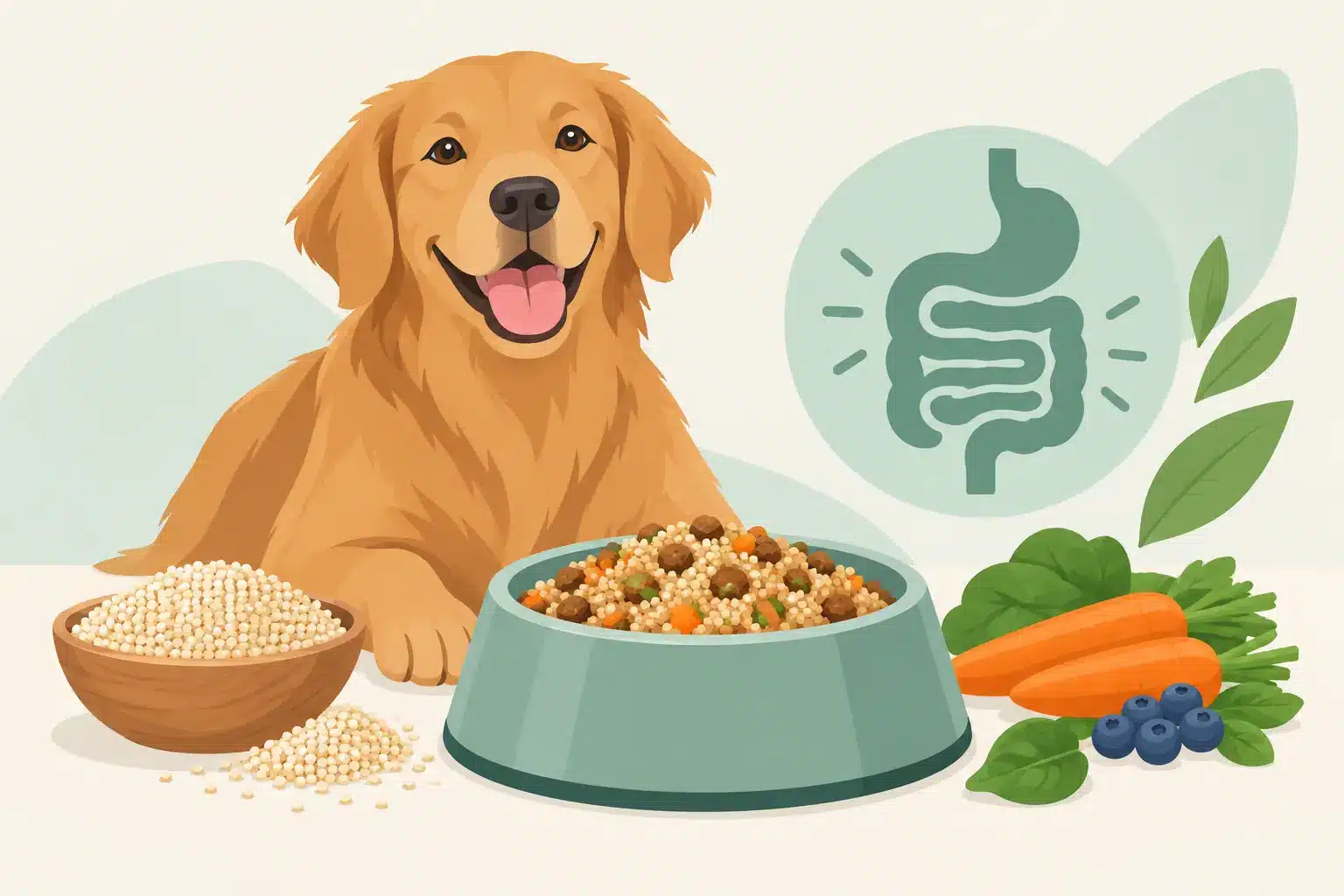
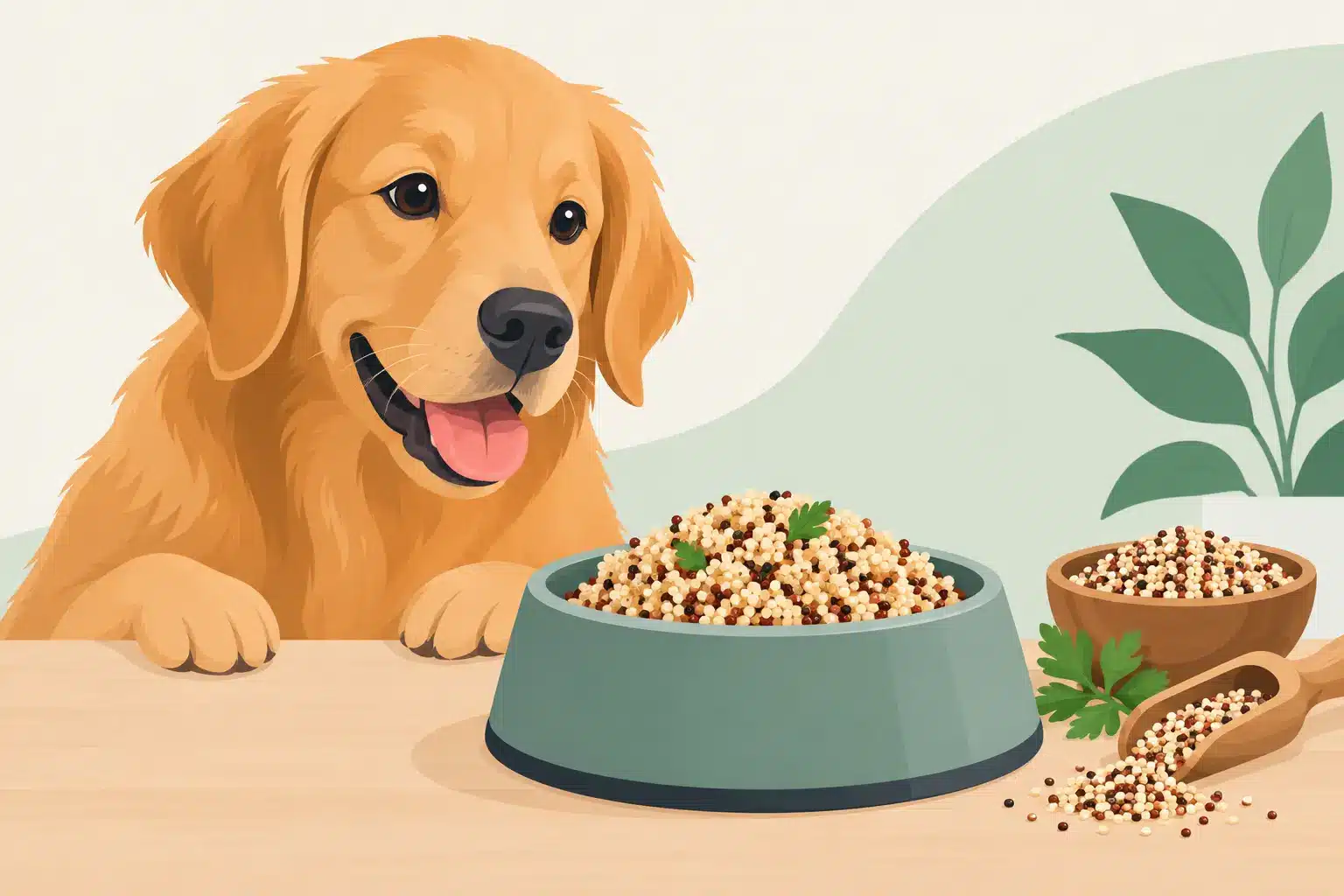
Dogs with healthy digestion often do best on foods that pair quality animal protein with purposeful carbohydrate and fiber sources. Ingredients like pumpkin, brown rice, quinoa, and carefully selected proteins can support normal digestion because they are familiar, functional, and easier for many dogs to handle than heavily processed fillers or frequent food changes.
This is also where fiber matters more than many pet parents realize. Fiber is not just about keeping things moving. The right balance helps support stool quality, nourishes beneficial bacteria in the gut, and promotes a more stable digestive environment. Too little fiber can leave stools loose or irregular. Too much, or the wrong type, can lead to gas, bulky stools, or poor nutrient utilization. Balance is the goal.
The most helpful things to give dogs for gut health
When pet parents ask what to give dogs for gut health, a few categories come up again and again because they genuinely matter.
Prebiotic fiber
Prebiotics feed beneficial gut bacteria. Unlike probiotics, which add live microorganisms, prebiotics help nourish the good bacteria already living in the digestive tract. This can support better stool consistency, a healthier intestinal environment, and stronger digestive resilience.
Sources of prebiotic fiber may include ingredients such as beet pulp, pumpkin, or other balanced fiber components used intentionally in a formula. This is one reason fiber systems deserve more attention than they usually get. A well-designed prebiotic fiber blend can support digestion without overloading the gut.
Probiotics
Probiotics can be helpful for some dogs, especially during times of digestive stress, diet changes, or occasional stool irregularity. They may support microbial balance in the gut, but they are not magic. Results vary depending on the strain used, the amount given, and whether the dog’s core diet supports a healthy digestive environment in the first place.
For some dogs, a probiotic supplement or food with added probiotics can be useful. For others, the bigger win comes from improving the daily diet and fiber profile rather than relying on a supplement alone. If your dog has ongoing digestive symptoms, probiotics are best seen as one part of a broader plan.
Pumpkin
Pumpkin is popular for a reason. It provides soluble fiber and moisture, and many dogs tolerate it well. In small amounts, plain pumpkin can help support normal stool quality in dogs with mild digestive upset. It is often used for both loose stool and mild constipation because fiber can help normalize movement through the digestive tract.
The key is plain pumpkin, not pie filling with sugar and spices. It is also best used thoughtfully. Pumpkin can support digestion, but it should not become a stand-in for a complete, balanced food.
Easily digestible protein
Protein quality matters for gut health. Some dogs do better when their diet uses a consistent, digestible protein source rather than a rotating menu of rich treats and table scraps. Chicken, salmon, or duck may all work well, depending on the individual dog.
If your dog seems gassy, has inconsistent stools, or shows signs of food sensitivity, simplifying the protein source may help. This is especially true if digestive issues began after frequent treat changes or exposure to rich human foods.
Moisture and hydration support
Digestion works better when dogs are well hydrated. Adequate moisture helps move food through the GI tract and supports normal stool consistency. Fresh water should always be available, and some dogs benefit from moisture-rich meals such as stews or mixed feeding approaches if they do not naturally drink much.
This may sound basic, but hydration is often overlooked when pet parents focus only on supplements.
What not to give dogs for gut health if their stomach is sensitive
Some of the most common digestive setbacks come from foods given with good intentions. Rich leftovers, fatty meats, dairy, sudden treat overload, and abrupt food switches can all upset the gut. Even healthy add-ins can cause problems if you introduce too much too fast.
Bone broth, yogurt, fruits, or high-fiber toppers may be tolerated by one dog and poorly tolerated by another. That is the reality of digestive care – it depends on the dog’s age, diet history, sensitivities, and underlying health status. If your dog has a sensitive stomach, simpler is usually better.
It also helps to be careful with internet advice that treats every digestive issue the same way. A dog with stress-related loose stool may need something different from a dog with chronic food sensitivity, recurring vomiting, or signs of inflammatory digestive disease.
Why balanced fiber matters so much
Gut health conversations often focus on probiotics because they are easy to market. Fiber deserves equal attention. The digestive tract relies on the right ratio of soluble and insoluble fiber to help regulate transit time, stool formation, and the microbial environment in the colon.
That is why advanced digestive formulas often focus on more than one fiber source. A balanced approach can help support both the gut microbiome and the mechanical side of digestion. In practical terms, that means firmer stools, less cleanup stress, and more predictable digestion.
At Lucy Pet, digestive wellness has long centered on this idea through P.B.F. Prebiotic Balanced Fiber, a formulation approach designed to support beneficial gut bacteria and digestive function through fiber balance, not just supplementation. For pet parents, that kind of nutritional structure can be more useful than chasing one standalone ingredient after another.
When supplements make sense
Supplements can help, but they should match the problem. A probiotic may support a dog during boarding, travel, stress, or a diet transition. Digestive enzymes may be suggested in specific cases under veterinary guidance. Fiber supplements may help some dogs with irregular stools.
Still, supplements should not cover up a poor diet or ignore bigger symptoms. If your dog has chronic diarrhea, repeated vomiting, weight loss, blood in the stool, significant bloating, or loss of appetite, that is a veterinary conversation. Gut health support works best when it starts early, but ongoing digestive problems deserve medical attention.
How to change your dog’s diet without upsetting the gut
Even a better food can cause digestive upset if you switch too quickly. Gradual transitions give the gut microbiome and digestive system time to adjust. Most dogs do well when a new food is introduced over seven to ten days, though especially sensitive dogs may need longer.
During this time, keep everything else stable. Avoid adding new treats, table food, and multiple supplements at once. If stools become softer for a day or two, that can happen during adjustment. If the digestive upset is significant or persistent, slow the transition or talk with your veterinarian.
Consistency also matters after the transition. Feeding on a regular schedule, using measured portions, and limiting random extras can make a bigger difference than many owners expect.
Signs your dog’s gut health support is working
You usually see the results in ordinary daily moments. Stools become more formed and easier to pick up. Gas becomes less frequent. Your dog seems more comfortable after meals. Appetite is steadier, and the coat and energy level may improve over time as digestion and nutrient absorption become more consistent.
Not every improvement happens overnight. Some dogs respond quickly to a diet change, while others need several weeks of stable feeding before the gut settles into a healthier rhythm. The goal is not perfection every single day. The goal is a digestive system that is more resilient, more predictable, and less easily thrown off.
If you are deciding what to give dogs for gut health, think beyond quick fixes. Give them food that is built to support digestion, fiber that helps nourish the gut, and a routine their system can trust. A healthier gut often starts with simple choices made consistently – and your dog will feel the difference where it matters most, every day.

Leave A Comment
You must be logged in to post a comment.