

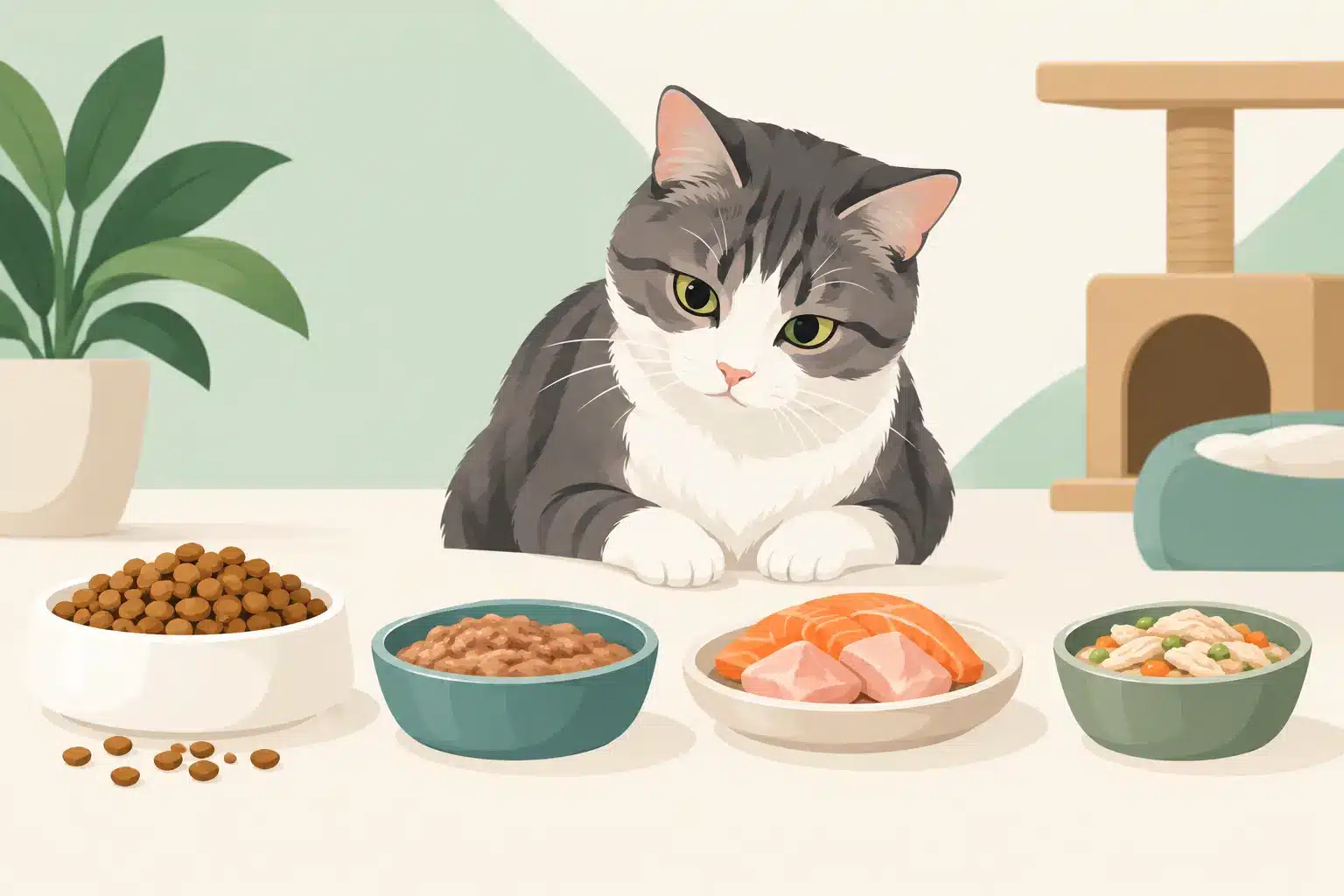
That half-finished bowl on the kitchen floor says a lot. Some cats inhale canned food and ignore kibble. Others prefer the crunch and walk away from anything soft. When pet parents compare wet vs dry cat food, the real question is not which type wins in every case. It is which one supports your cat’s hydration, digestion, energy needs, and long-term wellness.
Cats are obligate carnivores with a naturally low thirst drive, so food texture and moisture matter more than many people realize. The best choice depends on your cat’s age, health status, eating habits, and even how well they maintain a healthy weight. A smart feeding plan starts with understanding the trade-offs.
Wet vs Dry Cat Food: The Core Difference
The biggest difference between wet and dry cat food is moisture content. Wet food typically contains much more water, while dry food is more concentrated. That single difference affects hydration, calorie density, portion size, storage, palatability, and sometimes digestive response.
Wet food usually has a stronger aroma and softer texture, which can make it more appealing for picky eaters and senior cats. Dry food is convenient, easy to measure, and often more economical per feeding. Neither format is automatically superior on its own. Nutritional quality depends on the formula, ingredient balance, and whether the food is complete and balanced for your cat’s life stage.
If your cat has a sensitive stomach, the conversation goes beyond moisture. Ingredient quality, fiber sources, protein digestibility, and how the formula supports the gut all play a role in stool quality and overall comfort.
Hydration Is One of the Biggest Factors
Because many cats do not drink enough water on their own, wet food can be especially helpful for supporting daily fluid intake. That matters for overall wellness and may be particularly useful for cats that are prone to dehydration or simply do not visit the water bowl often.
Dry food is not a problem if your cat drinks well, but it does put more responsibility on voluntary water intake. Some cats compensate just fine. Others do not. If your cat eats mostly dry food, it helps to watch water habits, keep fresh water available, and pay attention to signs like concentrated urine or low interest in drinking.
This is one reason many pet parents choose a mixed feeding approach. A cat can benefit from the convenience of dry food and the moisture boost of wet food without forcing an all-or-nothing decision.
Calories, Weight, and Portion Control
Dry food is more calorie-dense because it contains less moisture. That means a small scoop can deliver a lot of calories. For some cats, especially highly active ones, that can be practical. For indoor cats with lower energy needs, it can also make overfeeding easier than people expect.
Wet food tends to provide fewer calories per ounce because so much of the serving is moisture. That can help with portion satisfaction for cats that need weight management support. A cat may be able to eat a physically larger meal while consuming fewer calories than they would from a similarly sized serving of kibble.
Still, portion control matters with both. Free-feeding dry food can lead to gradual weight gain, and too much wet food can do the same. The healthiest approach is to feed measured amounts based on your cat’s body condition, age, activity level, and your veterinarian’s guidance.
What About Digestion?
For many cats, digestive wellness is where food format becomes more personal. Some cats do well on either type. Others show clear preferences or sensitivities through stool quality, gas, vomiting, or inconsistent appetite.
Wet food can be easier for some cats to eat and tolerate, especially if they have dental discomfort or are older and less enthusiastic about chewing. Dry food, on the other hand, can work very well when the formula is thoughtfully designed with digestible proteins and balanced fiber.
Fiber deserves more attention than it usually gets. A cat’s digestive system benefits from the right balance of soluble and insoluble fiber to support stool quality, nutrient absorption, and a healthy gut environment. That is one reason wellness-focused brands like Lucy Pet put so much emphasis on digestive support and balanced fiber systems. The food’s format matters, but the formulation behind it matters just as much.
If your cat has frequent loose stools, constipation, or a history of sensitive digestion, it is worth looking beyond wet versus dry and asking what ingredients and functional nutrients are driving digestive performance.
Is Dry Food Better for Teeth?
This is one of the most common assumptions, and it needs a little nuance. Dry food may provide a mild mechanical scraping effect for some cats, but standard kibble is not a substitute for dental care. Many pieces are small enough that cats swallow them with minimal chewing.
Wet food does not cause dental disease by default, and dry food does not prevent it by default. Oral health depends more on genetics, plaque control, routine dental care, and whether your cat receives dental-specific products or cleanings when needed.
So if you are choosing between wet and dry mainly for dental reasons, that alone should not make the decision for you. Teeth matter, but so do hydration, digestion, and healthy weight.
Wet vs Dry Cat Food for Different Life Stages
Kittens often do well with wet food because it is easy to eat, highly palatable, and supportive of hydration. Dry kitten formulas can also work well, especially when they are nutrient-dense and sized appropriately. In many homes, feeding both gives kittens texture variety early on.
Adult cats can thrive on wet, dry, or mixed feeding as long as the diet is complete and balanced. This is the stage where lifestyle matters most. Indoor cats may need closer calorie control. Picky eaters may prefer wet food. Busy households may rely more on dry food for convenience.
Senior cats often benefit from the aroma and softness of wet food, especially if appetite declines or chewing becomes less comfortable. At the same time, some older cats are deeply attached to their kibble routine and do best with gradual, thoughtful changes rather than abrupt switches.
When a Mixed Feeding Plan Makes Sense
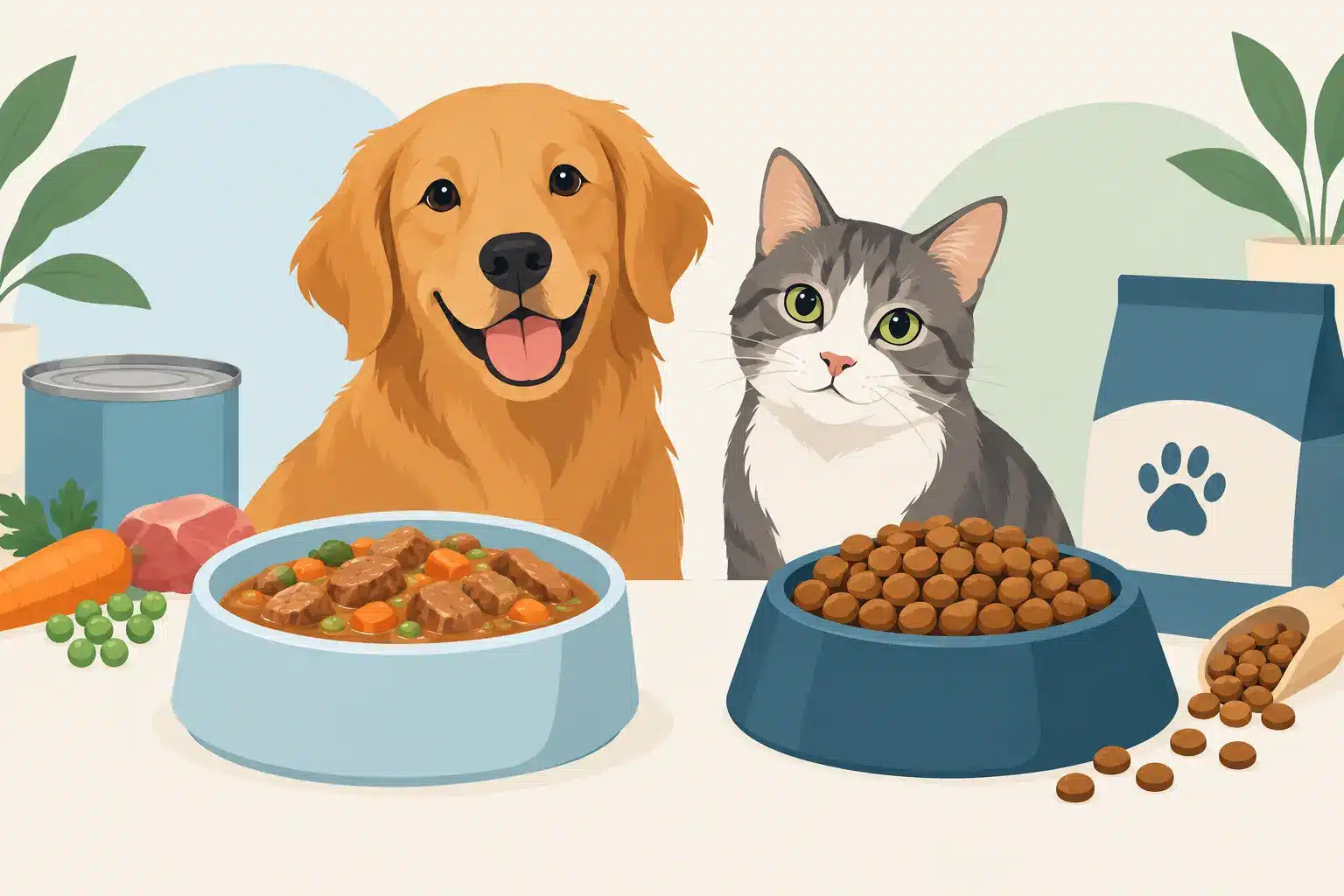
For many pet parents, the best answer to wet vs dry cat food is both. Mixed feeding can combine the benefits of each format. Wet food can help increase moisture intake and improve meal appeal, while dry food can offer convenience and flexible feeding.
A mixed plan can also help reduce food boredom. Cats can become very committed to one texture, which may make future diet changes harder if health needs shift. Offering both formats can create more adaptability over time.
The key is balance. Combining foods without adjusting portions can lead to overfeeding. If you feed both, count the total daily calories from both sources rather than treating one as extra.
How to Choose the Right Food for Your Cat
Start with your cat, not the package format. A cat that rarely drinks water, struggles with appetite, or needs help with weight control may benefit from more wet food. A cat that prefers grazing, maintains excellent hydration, and does well on measured meals may do well with dry food. A sensitive cat may need a formula focused on digestibility and gut support more than a specific texture.
Read labels with a wellness mindset. Look for complete and balanced nutrition, clearly identified protein sources, and formulas built with purposeful ingredients rather than filler-heavy shortcuts. If your cat has digestive concerns, skin issues, or inconsistent stool quality, ask whether the formula includes supportive fibers and other functional nutrition elements.
Any change should be gradual. Cats can be resistant to new foods, and sudden transitions may cause digestive upset. Mixing increasing amounts of the new food with the current food over several days can help the process go more smoothly.
The Better Question to Ask
Instead of asking whether wet or dry food is universally better, ask what helps your individual cat stay hydrated, maintain a healthy weight, digest food comfortably, and eat with consistent enthusiasm. That is the question that leads to better outcomes.
The bowl in front of your cat is never just about preference. It is one of the clearest daily opportunities to support gut health, immune function, energy, skin and coat condition, and long-term vitality. When you choose with those goals in mind, you are already on the right track.



Leave A Comment
You must be logged in to post a comment.