

A pet can seem perfectly fine right up until the signs start stacking up – loose stools, gassiness, itching, inconsistent appetite, dull coat, or that look that says something just feels off. For many pet parents, this is where the real conversation about gut health for dogs and cats begins.
The digestive system does much more than process food. It helps break down nutrients, supports immune function, influences stool quality, and plays a meaningful role in how pets feel day to day. When the gut is supported properly, you often see the results in ways that matter at home: more consistent digestion, better energy, healthier skin and coat, and a pet that seems more comfortable in its own body.
Why gut health for dogs and cats matters so much
Your dog or cat’s gastrointestinal tract is home to a complex ecosystem of bacteria and other microorganisms. In a healthy state, that microbial balance helps the body digest food efficiently and maintain a normal protective barrier in the gut. It also supports the immune system, which is especially important because a large portion of immune activity is connected to the digestive tract.
This is one reason digestive wellness has such wide-reaching effects. A pet with a disrupted gut may not only have stool changes, but may also show signs like food sensitivity, poor nutrient absorption, or skin issues. That does not mean every itch or upset stomach starts in the gut, but it does mean the gut is often one of the first places worth evaluating.
There is also an important difference between a short-term digestive upset and an ongoing pattern. A pet who gets into something unusual may have a temporary issue. A pet with recurring loose stool, frequent vomiting, excessive gas, or chronically inconsistent bowel movements may need a closer look at diet, feeding routine, ingredient tolerance, stress, and veterinary guidance.
What a healthy gut can look like
Pet parents often expect digestive problems to be obvious, but subtle signs matter too. Healthy digestion usually shows up as firm, easy-to-pick-up stools, regular bowel movements, a normal appetite, and minimal gas. Many pets with good digestive balance also maintain more consistent energy, body condition, and coat quality.
For cats, healthy gut function can also mean less digestive drama around meals. For dogs, it may mean less stool inconsistency when routines change slightly. Neither species is identical, though. Dogs are often more prone to dietary indiscretion, while cats can be more sensitive to abrupt food changes and may hide discomfort longer.
A healthy gut is not about perfection every single day. It is about resilience. If your pet’s digestive system can handle normal life without frequent upset, that is often a sign the nutritional foundation is doing its job.
Common causes of poor digestive balance
Food is a major factor, but not the only one. Sudden diet changes can disrupt the digestive tract because the gut microbiome and digestive enzymes need time to adapt. Rich table scraps, inconsistent feeding schedules, and low-quality ingredients can also make digestion harder than it needs to be.
Fiber balance matters more than many people realize. Too little fiber may not provide enough support for healthy stool formation and the beneficial bacteria in the gut. Too much of the wrong type can be just as unhelpful, especially if it reduces digestibility or causes extra bulk without nutritional benefit. The goal is balance, not extremes.
Stress can contribute too. Boarding, travel, schedule changes, a new pet, or household disruption can affect digestion in both dogs and cats. Age also matters. Puppies and kittens are still developing, while senior pets may process nutrients differently and have changing digestive needs.
Then there is the question of sensitivity. Some pets do well on a wide range of proteins and grains. Others need more careful ingredient selection. It depends on the animal, the formula, and how consistently the food supports normal digestion over time.
Nutrition’s role in supporting the gut
The right diet can help support digestive health in several ways at once. First, it should provide complete and balanced nutrition from quality ingredients your pet can digest well. Second, it should include the right type and amount of fiber to support normal intestinal function and nourish beneficial gut bacteria. Third, it should be consistent enough to help maintain digestive stability.
This is where formulation matters more than marketing language. Premium nutrition is not simply about adding trendy ingredients. It is about building a food that works as a whole system. Protein sources, carbohydrate digestibility, fat levels, fiber composition, and ingredient quality all affect how the gut responds.
Prebiotics are especially relevant in this conversation. Unlike probiotics, which are live microorganisms, prebiotics are specific fibers that help feed beneficial bacteria already living in the gut. When used thoughtfully, prebiotic fiber can help support microbial balance and digestive function. That support may show up in better stool quality, more predictable digestion, and better overall wellness.
At Lucy Pet, this philosophy is reflected in a digestive-health-focused approach that emphasizes balanced nutrition and carefully designed fiber systems, including P.B.F. Prebiotic Balanced Fiber™, to help support gut function and whole-body health.
Ingredients that often support digestive wellness
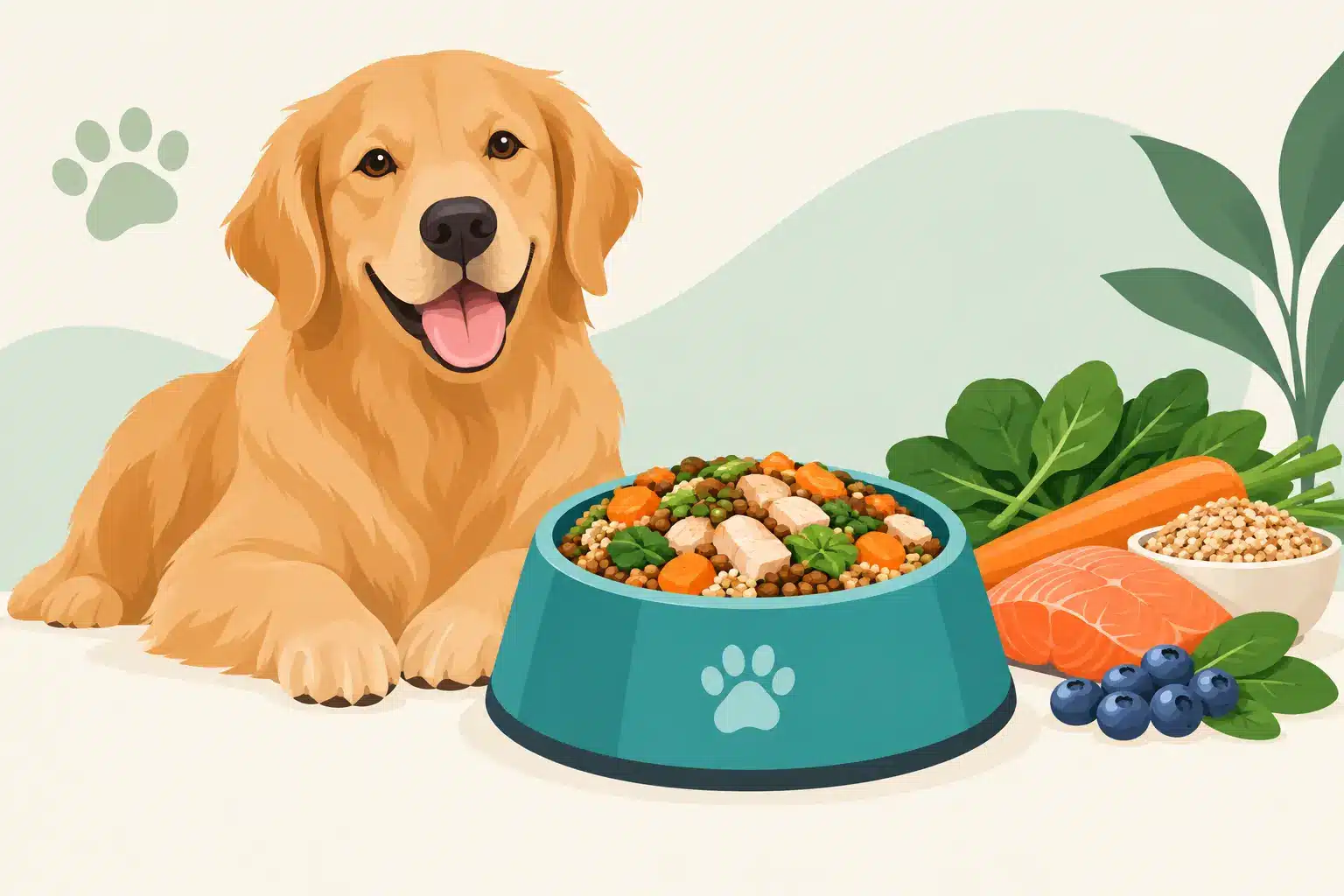
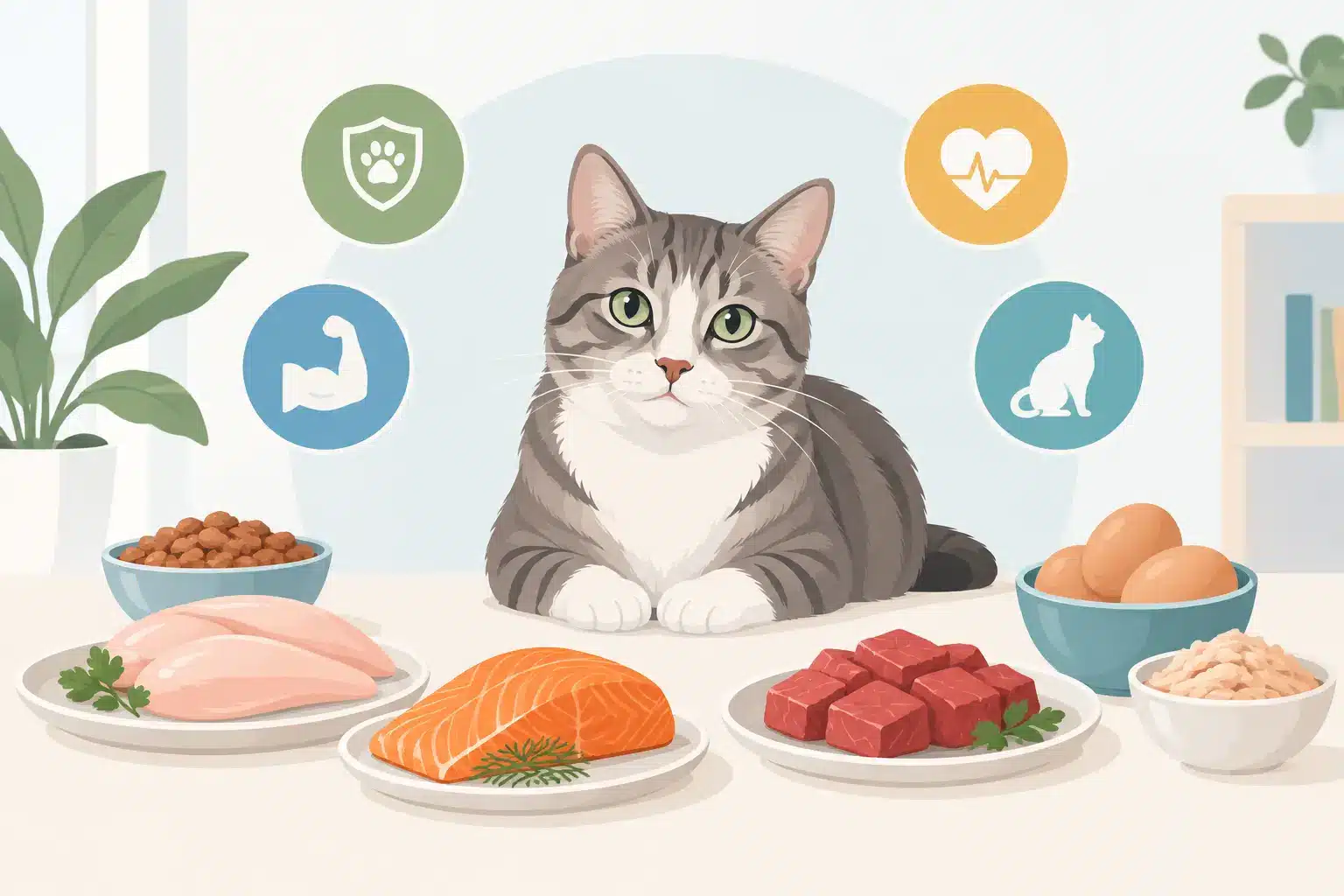
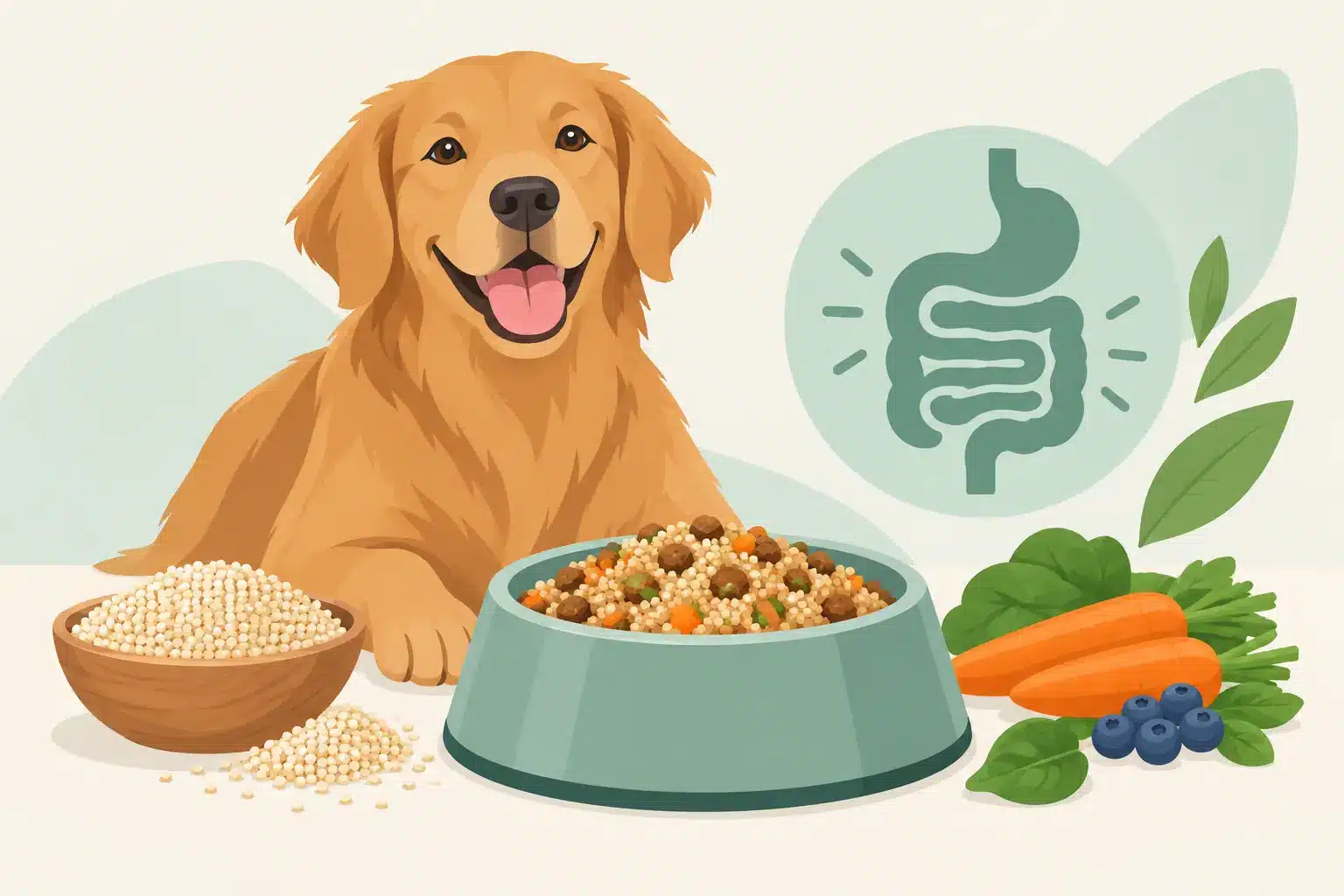
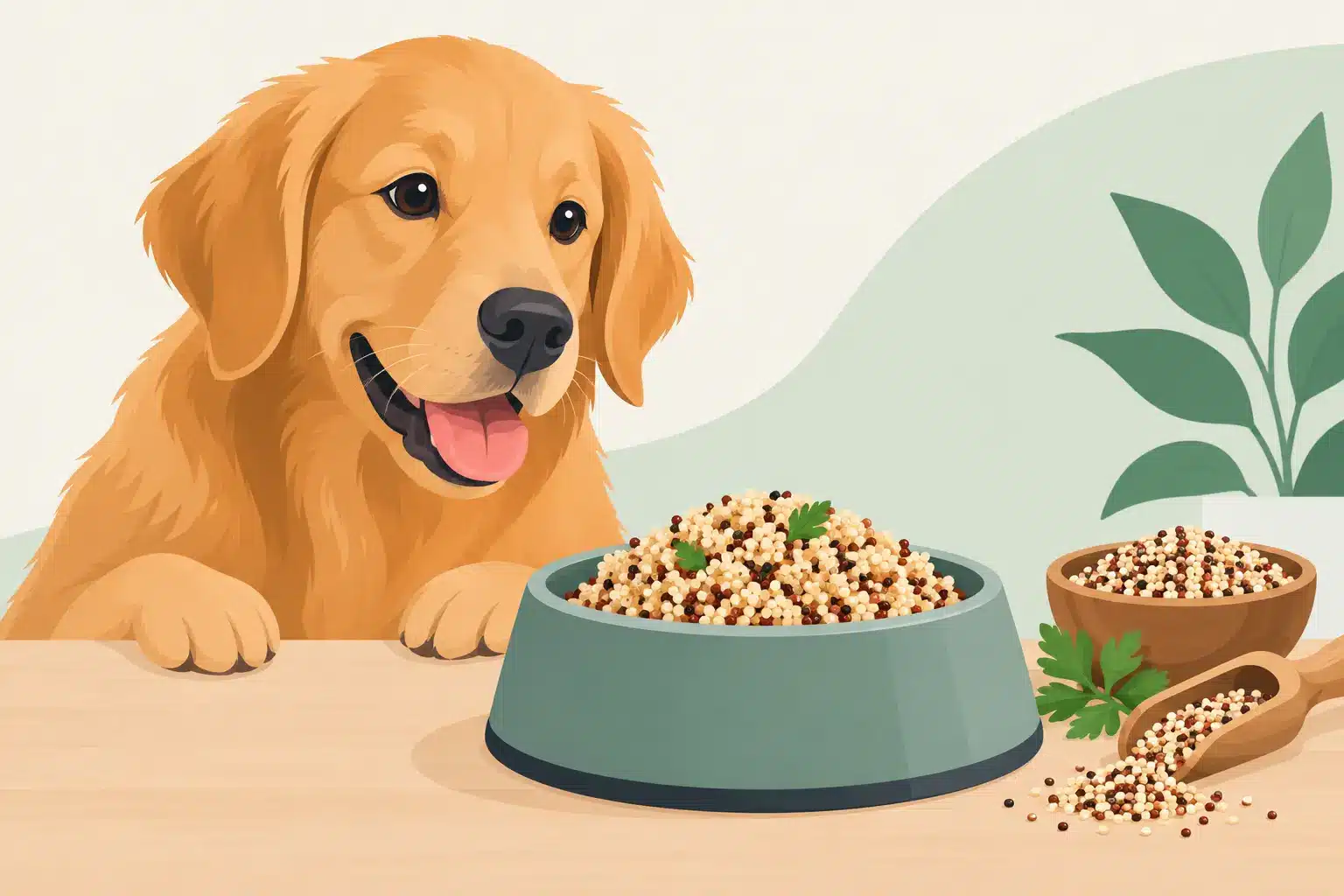
Recognizable ingredients can play a useful role when they are included for a clear nutritional reason. Pumpkin is a familiar example because it contains fiber that can help support stool quality. Brown rice and quinoa may be valuable in formulas designed for digestibility and steady energy. Quality animal proteins such as chicken, salmon, or duck can help deliver essential amino acids while fitting different taste preferences and sensitivities.
That said, no single ingredient creates digestive health on its own. Pumpkin in a poorly balanced formula is still a poorly balanced formula. Salmon in the wrong overall nutrient profile does not guarantee great results. The complete recipe is what matters.
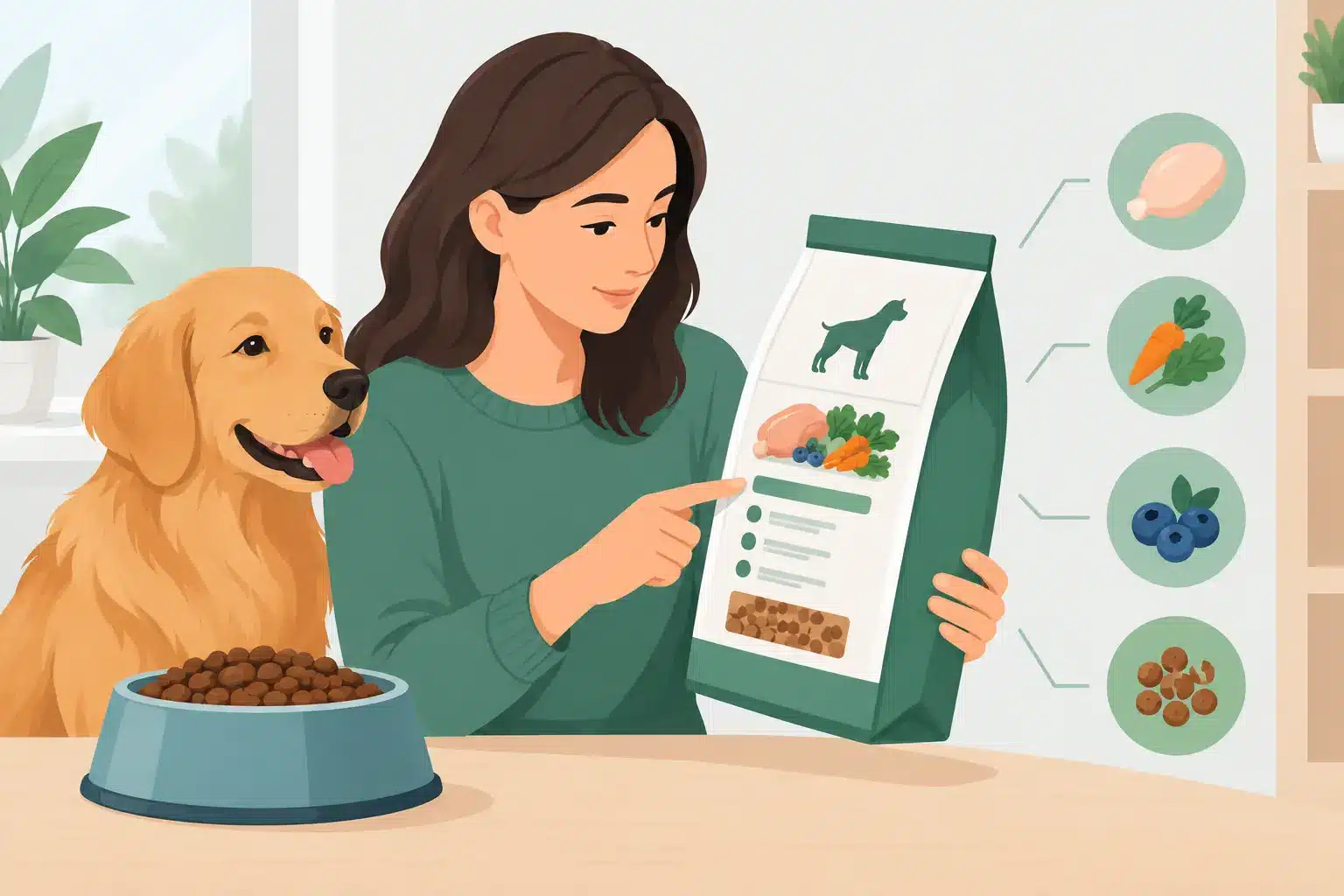
This is also why ingredient transparency matters to informed pet parents. When you understand why an ingredient is present, you can better evaluate whether a food aligns with your pet’s needs rather than chasing buzzwords.
How to improve gut health for dogs and cats at home
If you want to support your pet’s digestive system, consistency is one of the most powerful tools you have. Feed measured meals on a regular schedule, avoid frequent diet changes, and keep treats from becoming a second diet. Even high-quality treats should fit within the bigger nutritional picture.
When changing foods, take it slowly. A gradual transition over several days gives the digestive tract time to adjust. For sensitive pets, going even slower may be the better choice. If digestive upset appears during the transition, that is useful information. It may mean the pace is too fast, or that the new formula is not the best fit.
Hydration matters as well. Proper water intake supports normal digestion, especially for cats and for pets eating dry food. Some pets also benefit from a combination of dry and wet textures, depending on their preferences and health needs.
Pay attention to patterns, not isolated moments. One soft stool is not the whole story. But repeated loose stools, chronic vomiting, straining, weight loss, or appetite changes deserve prompt veterinary attention. Nutrition is powerful, but it is not a substitute for diagnosing illness.
When the answer is not the same for every pet
One of the most helpful truths in pet nutrition is also one of the least convenient: what works beautifully for one pet may not work for another. A grain-inclusive formula may be an excellent choice for one dog, while another pet may do better with a different ingredient profile. Some cats thrive on one protein source and turn their nose up at another. Some dogs need extra digestive support during transitions, aging, or after periods of stress.
That does not make nutrition guesswork. It means good choices come from matching the formula to the pet in front of you. Stool quality, appetite, coat condition, energy, and body condition are all practical signs worth watching.
Gut health is not a trend. It is a daily foundation for how dogs and cats digest, absorb nutrients, and feel over time. When you choose nutrition with digestive support in mind, you are not just feeding for today’s meal. You are helping create a steadier, healthier baseline your pet can build on every day.

Leave A Comment
You must be logged in to post a comment.