

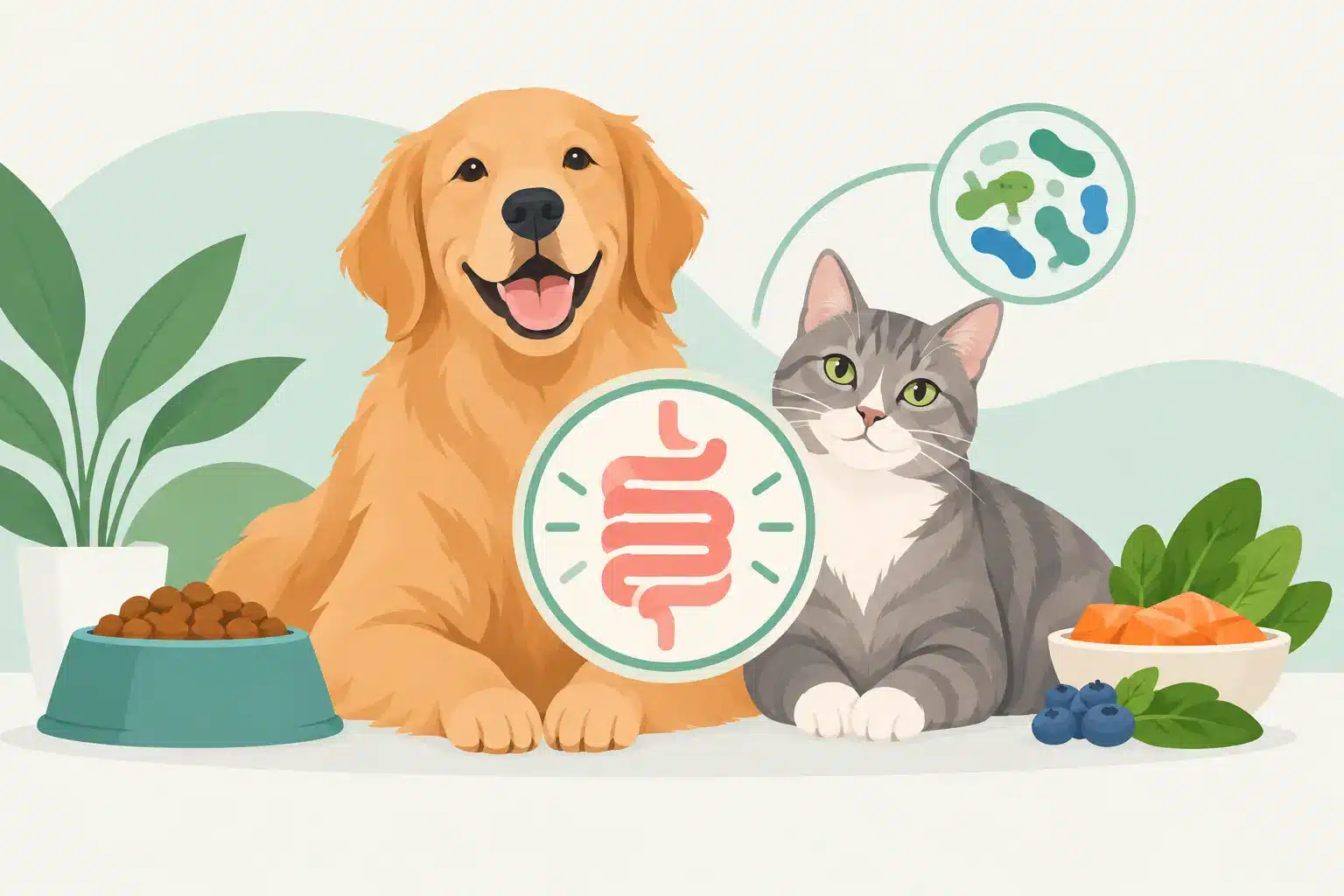
A cat with occasional loose stool, vomiting, hairballs, or picky eating is not just being difficult. Those signs often point back to the digestive system. If you are wondering how to support cat digestion, the answer usually starts with daily nutrition, feeding consistency, and a closer look at what your cat’s body is trying to tell you.
Cats have sensitive digestive systems by design. They thrive on routine, and many do best when their food, portions, and feeding schedule stay steady. Even small disruptions – a fast food switch, too many treats, stress in the home, or low moisture intake – can show up as stomach upset, gas, poor stool quality, or reduced appetite.
How to support cat digestion starts with the bowl
The most effective digestive support is not usually a dramatic fix. It is a pattern of smart, steady choices. Food quality matters, but so does digestibility. A formula can look impressive on the label and still be hard on a cat if the ingredient balance does not agree with that individual animal.
Highly digestible protein sources are often easier on the stomach than lower-quality fillers or overly rich formulations. Cats also benefit from recipes made with recognizable ingredients and a balanced approach to fiber. Too little fiber can leave stool irregular. Too much of the wrong kind can lead to bulk without comfort. The goal is not just getting food in, but helping the body break it down, absorb nutrients well, and move waste normally.
This is where digestive-focused formulation matters. Prebiotics and balanced fiber can help nourish beneficial gut bacteria and support stool quality, especially in cats that tend to be sensitive. A thoughtful approach to gut health can also support immune function, because a large part of the immune system is closely connected to the digestive tract.
Why fiber balance matters more than many cat owners realize
Many pet parents hear the word fiber and think only about constipation. In reality, fiber plays a broader role in digestive wellness. The right balance can help regulate transit time, support the gut microbiome, and promote more consistent stools.
Not all fiber works the same way. Some fibers help feed beneficial bacteria in the gut. Others add structure and can help move food through the digestive tract more predictably. A balanced approach tends to be more useful than simply adding a high-fiber ingredient and hoping for the best.
For cats with digestive sensitivity, this balance can make a visible difference. Stool may become firmer and easier to pass. Hairballs may become less frequent if gastrointestinal transit improves. Some cats even show secondary benefits like better appetite, more comfort after meals, and steadier energy.
Lucy Pet Products has built much of its nutrition philosophy around digestive wellness, including its P.B.F. Prebiotic Balanced Fiber™ approach, which reflects the idea that gut support works best when fiber is balanced rather than overloaded.
Feed on a schedule, not on impulse
One of the simplest ways to support digestion is to make feeding more predictable. Cats are creatures of habit, and their digestive systems often respond well to consistency. Random meal timing, frequent table scraps, or constant formula changes can create unnecessary stress on the gut.
If your cat does well with measured meals, keep portions consistent and feed at roughly the same times each day. If your cat is a grazer, be careful that free-feeding does not turn into overeating, stale food, or unnoticed appetite changes. Monitoring intake matters, especially in multi-cat homes where one cat’s digestive issue can be hidden by another cat finishing the bowl.
Portion size is part of digestive health too. Overfeeding can lead to vomiting, sluggish digestion, and weight gain, while underfeeding may leave a cat hungry enough to eat too fast. A healthy digestive routine is rarely about more food. It is about the right amount, delivered consistently.
Slow transitions protect the gut
A sudden switch is one of the fastest ways to upset a cat’s stomach. Even when the new food is higher quality, the digestive system needs time to adapt. This is especially true for cats with a history of loose stools, vomiting, or food sensitivity.
A gradual transition over 7 to 10 days is usually a safer approach. Start with a small amount of the new food mixed into the current food, then increase the new portion slowly. Some sensitive cats may need even more time. If stool quality declines or appetite drops, slowing the transition can help.
It also helps to avoid changing multiple things at once. If you are introducing a new food, do not add several new treats, supplements, or toppers on the same week. When digestion becomes unsettled, simplicity makes it easier to identify the cause.
Hydration supports digestion at every step
Cats are not always enthusiastic drinkers, which can complicate digestion. Adequate hydration helps support the movement of food through the digestive tract and can be especially important for cats prone to constipation or hairballs.
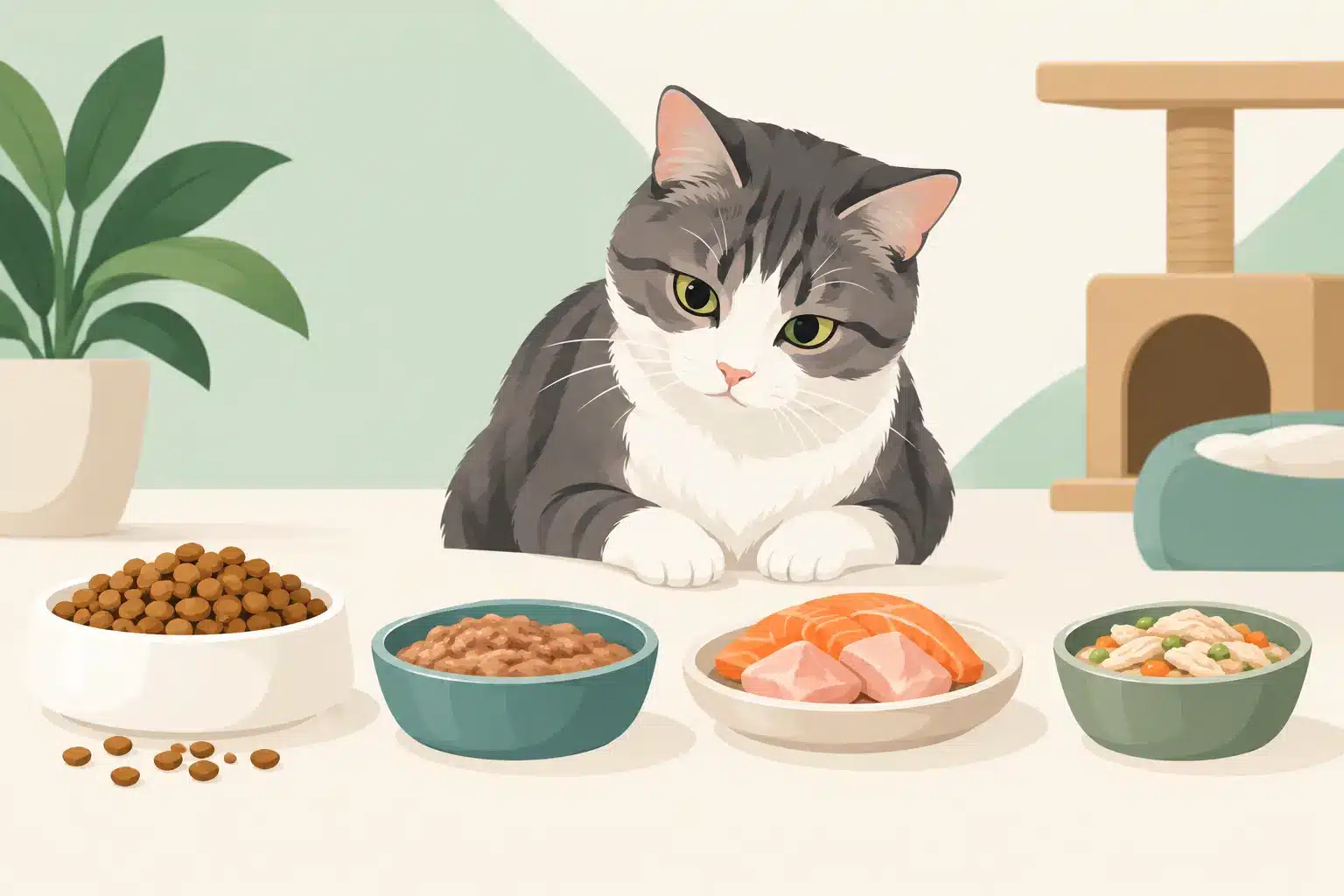
If your cat eats mostly dry food, moisture support deserves extra attention. Some cats drink more from a fountain than a bowl. Others respond better when water is placed away from the litter box or offered in multiple locations. Wet food or stew-style meals can also help increase moisture intake while making meals appealing.
Hydration is not only about thirst. It affects stool consistency, comfort, and overall digestive efficiency. A cat that seems mildly constipated, strains in the box, or passes very dry stool may need more moisture support along with a review of diet and fiber balance.
Treats, extras, and rich foods can undo good progress
Many digestive setbacks come from the extras, not the main diet. A nutritionally balanced cat food may support the gut very well, but frequent treats, human food, or rich toppers can change that quickly.
Cats with sensitive digestion often do best when treats are limited and simple. If you use treats for training or bonding, choose options that fit the cat’s overall dietary needs and keep portions modest. A little variety can be enjoyable, but too much can create a cycle of stomach upset followed by food refusal.
This is also true for dairy, fatty meats, and foods made for people. Even small amounts can trigger vomiting or loose stool in some cats. What seems like a harmless indulgence can be difficult for the feline digestive system to manage.
Stress can show up in the litter box
Digestive health is not only about ingredients. Stress can affect appetite, stool quality, and vomiting frequency. Cats may react to moving, travel, new pets, loud guests, schedule disruption, or even subtle household tension.
If your cat’s digestion seems to worsen during changes in the environment, support should include more than food. Provide safe resting spaces, maintain routine, and make sure litter boxes are clean and accessible. In multi-cat households, resource competition can create hidden stress that affects both eating and elimination habits.
A cat that scarfs food because another pet is nearby, or skips meals because the feeding area feels unsafe, may develop digestive problems that look nutritional at first but are partly behavioral.
Know when digestive signs need veterinary attention
Not every digestive issue can be solved with better feeding habits. Mild, short-lived upset can happen, but recurring symptoms deserve attention. Frequent vomiting, chronic diarrhea, straining, blood in stool, weight loss, lethargy, or major appetite changes should not be brushed off as normal cat behavior.
Cats are skilled at hiding discomfort. If digestive signs persist, a veterinarian can help rule out parasites, food intolerance, inflammatory conditions, dental pain, or other medical issues. This is especially important for kittens, seniors, and cats with underlying health concerns.
Nutrition is powerful, but it works best when it is part of a bigger health picture. When a cat has ongoing digestive trouble, the right food matters even more after you understand what the body is dealing with.
How to support cat digestion for the long term
Long-term digestive support is usually built on a few steady habits. Choose a high-quality diet designed with digestibility in mind. Transition foods slowly. Keep meals consistent. Support hydration. Be careful with treats and rich add-ons. Pay attention to stool quality, appetite, and behavior, because those everyday details often reveal the earliest signs of imbalance.
Most of all, think of digestion as the foundation of whole-body wellness. When the gut is supported, you may also see benefits in energy, coat condition, immune health, and overall comfort. Cats cannot tell us when something feels off, but their habits, litter box patterns, and enthusiasm for meals speak clearly if we know how to listen.
A healthier digestive routine does not need to be complicated. For many cats, it is the quiet consistency of the right nutrition and a stable routine that helps them feel their best day after day.

Leave A Comment
You must be logged in to post a comment.