

A cat’s immune system does not run on a single “immune-boosting” ingredient. It relies on daily nutrition that supports every connected system, especially the digestive tract. When pet parents search for the best cat food for immunity, the most useful answer is usually a complete, highly digestible formula made with purposeful ingredients, not a bag covered in vague wellness claims.
Your cat’s food should provide dependable nourishment day after day, whether you are feeding a playful kitten, an active adult, or a senior cat with changing needs. The goal is not to chase a quick fix. It is to create a strong nutritional foundation that helps support healthy digestion, normal immune function, skin and coat health, and steady energy.
Why Gut Health Matters for Immune Support
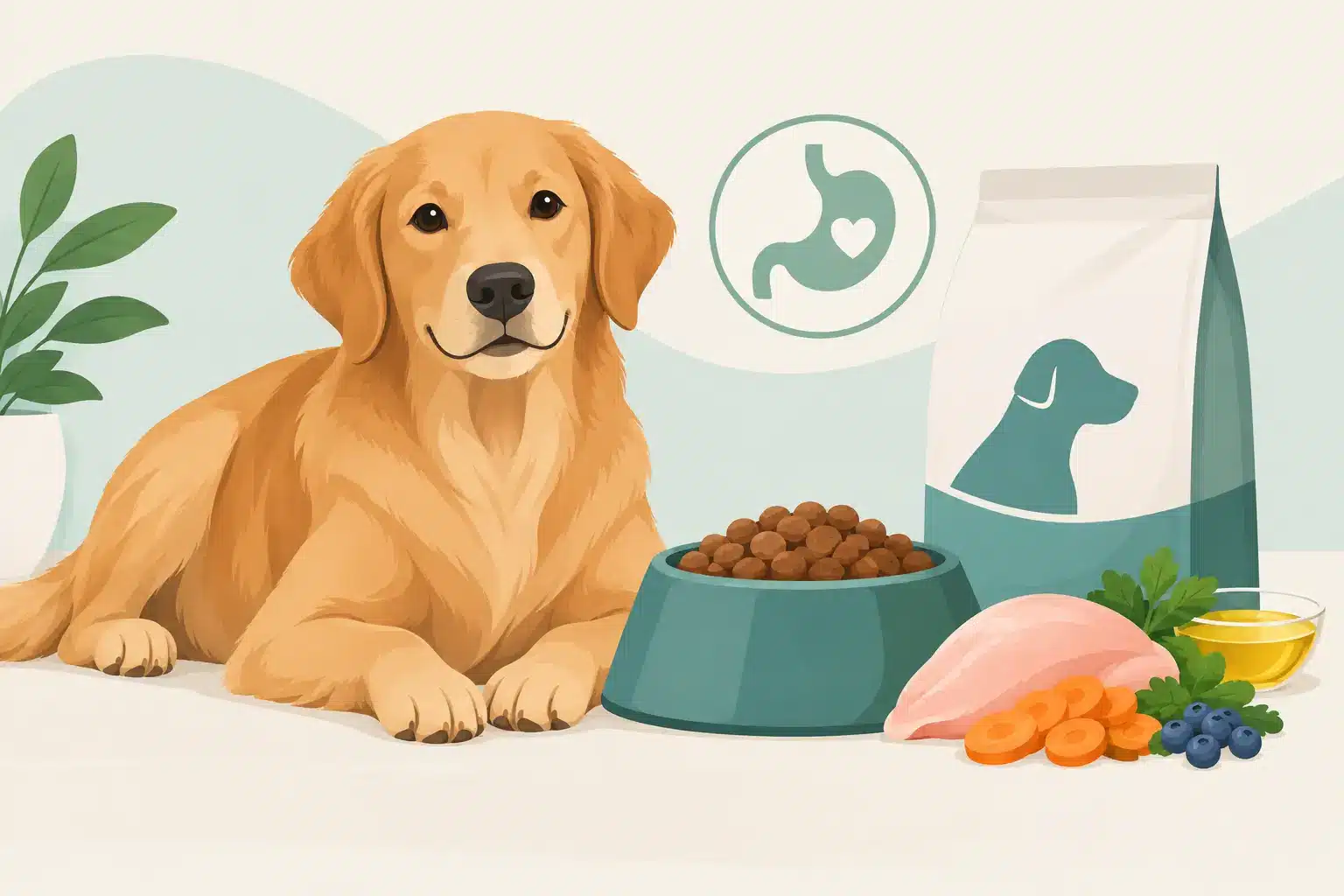
A large share of immune activity is connected to the gastrointestinal tract. The gut is where your cat processes nutrients, encounters new substances, and maintains a community of beneficial microorganisms. When digestion is supported, your cat is better positioned to absorb the nutrients needed for normal whole-body function.
That relationship is why fiber deserves more attention in cat nutrition. Cats are obligate carnivores and need animal-based protein, but that does not mean fiber has no place in their bowls. The right amount and blend of fiber can help support healthy digestion and regular stool quality. It may also help nourish beneficial gut bacteria, which are part of a healthy digestive ecosystem.
A diet that causes ongoing loose stool, constipation, frequent hairballs, or obvious digestive discomfort is worth discussing with your veterinarian. Food is one part of the picture, but persistent symptoms can also signal a health concern that needs professional care.
What to Look for in the Best Cat Food for Immunity
The strongest formulas tend to get the fundamentals right. Rather than evaluating food by one trendy ingredient, look at how the full recipe works together.
High-quality, digestible animal protein
Protein is essential for maintaining lean muscle, supporting normal tissue repair, and providing amino acids cats cannot make in sufficient amounts on their own. Animal-based proteins such as chicken, salmon, and duck can be valuable choices because they align with a cat’s natural nutritional needs.
The right protein for your cat depends on individual tolerance and preference. A cat who does well on chicken does not need to switch proteins just because salmon is popular. On the other hand, a cat with suspected food sensitivities may benefit from veterinary guidance on finding a formula that better suits them.
Complete and balanced nutrition
A food labeled complete and balanced for your cat’s life stage is designed to provide essential nutrients in appropriate amounts. This is the baseline that matters most. Immune health relies on a broad range of nutrients working together, including amino acids, fatty acids, vitamins, and minerals.
Avoid treating toppers, treats, and supplemental foods as a replacement for a complete daily diet. They can add variety and enjoyment, but too many extras can unbalance calorie intake and reduce the nutritional consistency your cat needs.
Prebiotic fiber and digestive support
Prebiotic fibers help feed beneficial bacteria in the gut. In a thoughtfully formulated cat food, balanced fiber can support digestive regularity without crowding out the protein and calories your cat needs.
Look for formulas that explain the role of their fiber sources rather than simply advertising fiber as a catch-all benefit. Ingredients such as pumpkin can contribute fiber, while a carefully designed prebiotic fiber system can help support a healthy digestive environment. Lucy Pet’s P.B.F. Prebiotic Balanced Fiber™ approach reflects this connection between digestive wellness and whole-body health.
Omega fatty acids for skin and coat health
Healthy skin forms an important physical barrier between your cat and the outside environment. Omega fatty acids, often supplied by ingredients such as salmon and fish oils, help support healthy skin and a soft, glossy coat.
A shiny coat alone is not a complete measure of health, but dull fur, dandruff, or persistent itchiness can be worth bringing up at your cat’s next veterinary visit. Nutrition, grooming, parasites, allergies, and underlying conditions can all play a role.
Essential vitamins and minerals
Vitamins and minerals help support normal immune function and antioxidant defenses. Vitamin E, for example, is an antioxidant nutrient commonly included in complete pet foods. Minerals such as zinc and selenium also have important roles in normal health.
More is not automatically better. Adding high-dose supplements without veterinary direction can create nutritional imbalances, particularly when your cat already eats a complete and balanced food. A well-formulated diet is generally a safer starting point than a cabinet full of supplements.
Ingredients Are Helpful, but Formulation Matters More
Reading an ingredient panel can help you understand a food, but it cannot tell the whole story. A recipe can contain appealing ingredients and still be poorly suited to a particular cat if it is difficult for them to digest, too calorie-dense, or nutritionally incomplete.
Think beyond the first few ingredients. Consider whether the food is made for your cat’s life stage, whether it provides complete and balanced nutrition, and how your cat responds over several weeks. Healthy stool, steady appetite, appropriate body condition, normal energy, and good coat quality are practical signs that a diet may be working well.
Grain-free food can be a good choice for some cats, but it is not inherently better for immunity. Similarly, grains are not automatically a problem for every cat. The better question is whether the full formula is nutritionally sound and agrees with your individual pet.
How to Change Foods Without Upsetting Digestion
Even the best cat food for immunity can cause digestive upset if the transition happens too quickly. Cats often prefer routine, and their digestive systems benefit from a gradual change.
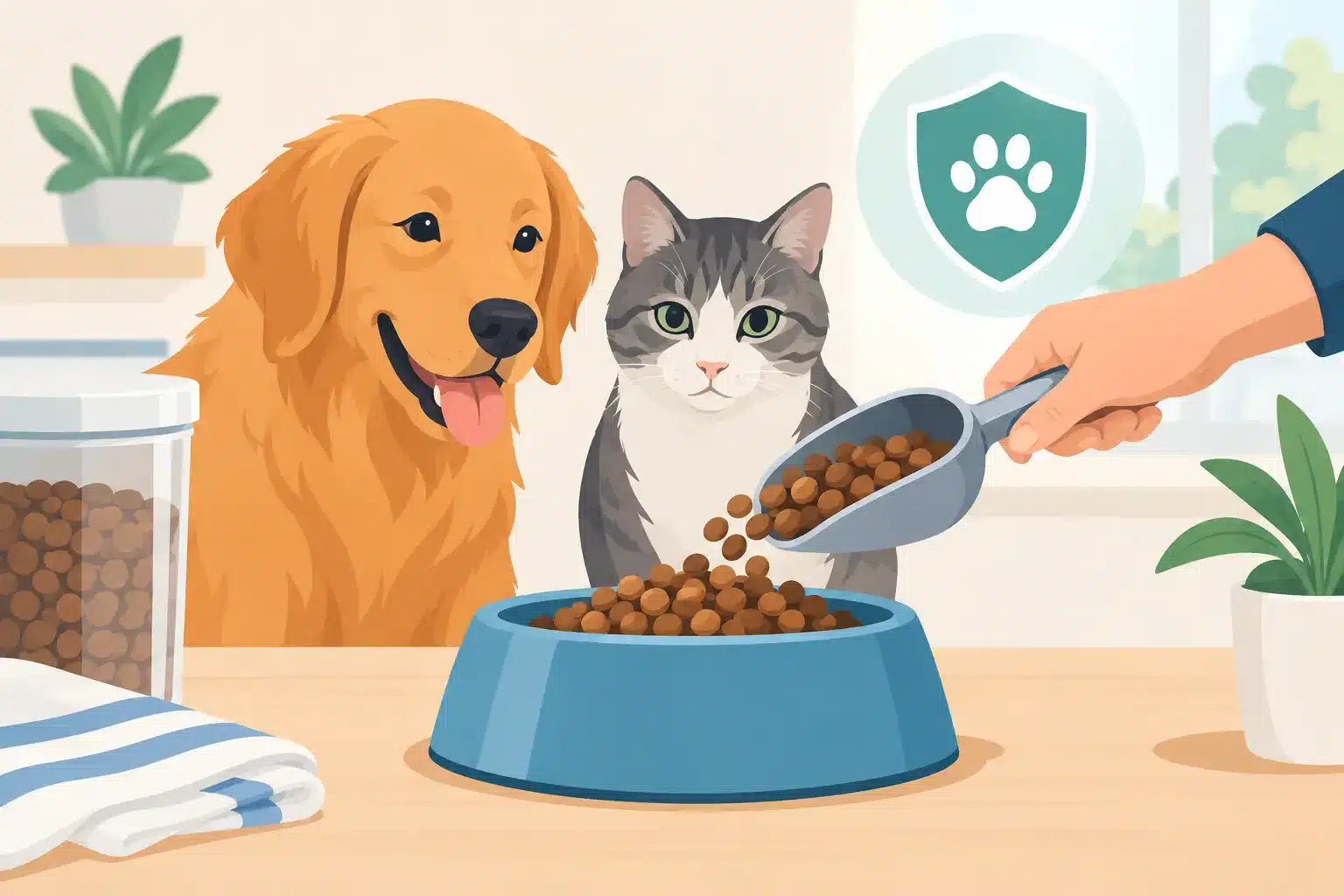
Start by mixing a small amount of the new food into the current food. Over about seven to 10 days, slowly increase the new food while reducing the old one. A more sensitive cat may need an even slower transition. Keep fresh water available, avoid introducing several new treats at once, and monitor stool quality, appetite, and behavior.
If your cat refuses food for a day, vomits repeatedly, has ongoing diarrhea, or seems lethargic, contact your veterinarian promptly. Cats should not go long periods without eating, especially if they are overweight or have existing health concerns.
Match the Formula to Your Cat, Not the Marketing
Kittens need nutrition that supports growth. Adult indoor cats may need careful calorie management, while active cats can have different energy needs. Senior cats may benefit from a veterinary review of their weight, dental comfort, kidney function, and appetite before any major diet change.
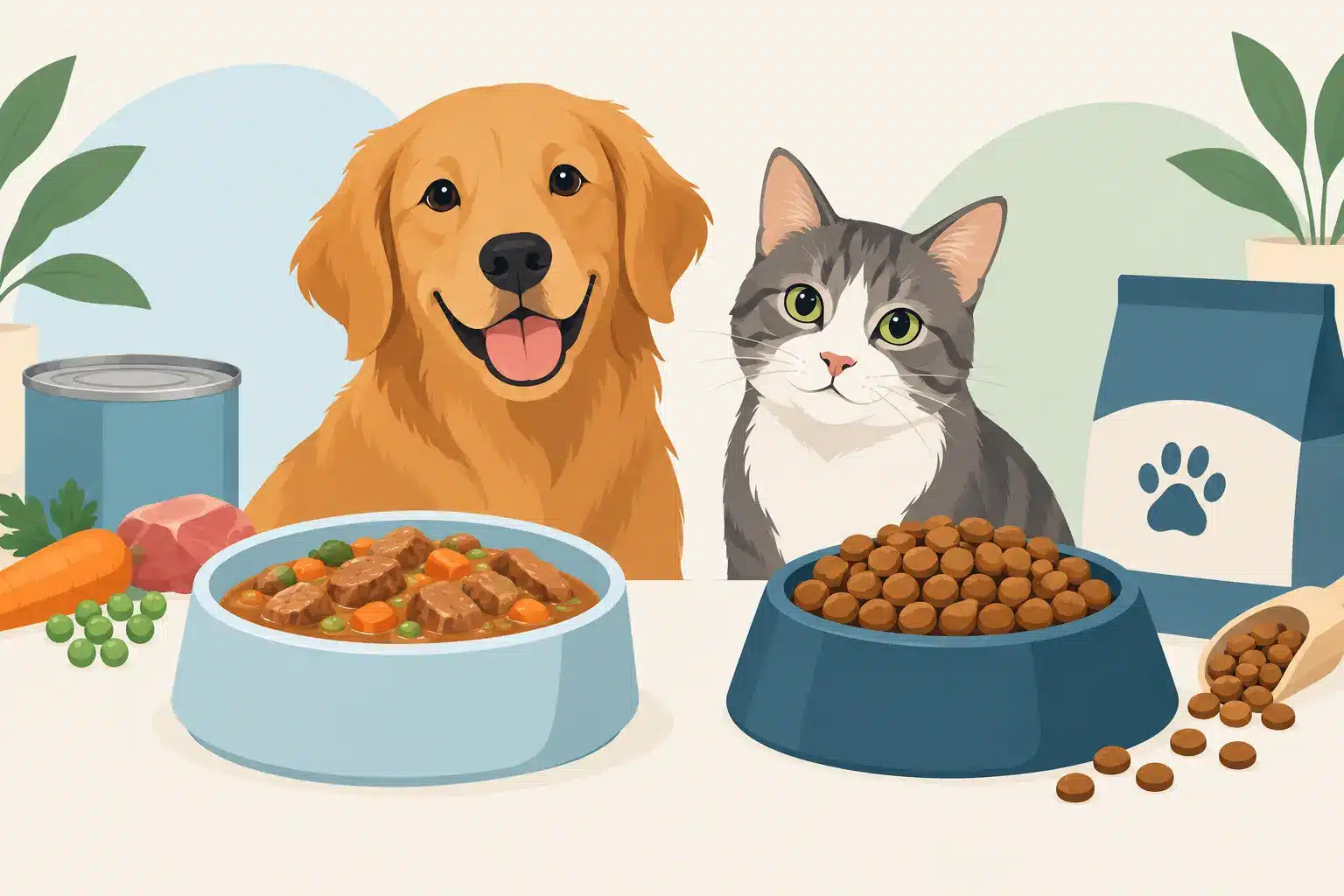
Food texture matters, too. Some cats thrive on dry food, while others benefit from the moisture of wet food. A combination can work well when portions are managed carefully. For cats who drink very little, wet food may be a practical way to support daily hydration, but the best option depends on your cat’s preferences and health needs.
Be cautious with broad promises such as “boosts immunity overnight” or “prevents illness.” No food can guarantee that a cat will never get sick. Vaccinations, parasite prevention, indoor safety, stress management, regular veterinary care, and genetics all influence immune health. Nutrition supports the system, but it does not replace medical care.
A Better Standard for Your Cat’s Bowl
The right food should make sense on both the label and in your home. Choose a complete formula with digestible animal protein, balanced nutrients, and purposeful fiber to support the gut-health connection. Then give it time, transition gradually, and watch the indicators that matter most: your cat’s comfort, appetite, stool quality, body condition, and everyday enthusiasm.
A nourishing bowl is one of the kindest daily habits you can build for your cat. When nutrition supports digestion and whole-body wellness consistently, you are giving their immune system the steady foundation it deserves.


Leave A Comment
You must be logged in to post a comment.