

A gray muzzle, a slower walk around the block, and a longer nap in the afternoon are all familiar signs that your dog is getting older. Choosing the best dog food for seniors is not about finding a label that says “senior” and assuming it is right for every dog. It is about matching a complete, balanced diet to your dog’s body condition, activity level, digestion, health history, and appetite as those needs change over time.
Many dogs remain bright, playful, and food-motivated well into their later years. The right nutrition can help support that quality of life by promoting healthy digestion, a comfortable weight, strong muscles, immune health, and healthy skin and coat. Your veterinarian should remain your first resource for diagnosing or managing medical conditions, but everyday feeding choices can make a meaningful difference.
What Makes the Best Dog Food for Seniors?
There is no single age when every dog needs a new food. Small breeds may not be considered senior until around age 10 or 11, while giant breeds can begin showing age-related changes much earlier. More useful than the number on the birthday cake are changes in your dog’s body, energy, stool quality, mobility, and ability to maintain a healthy weight.
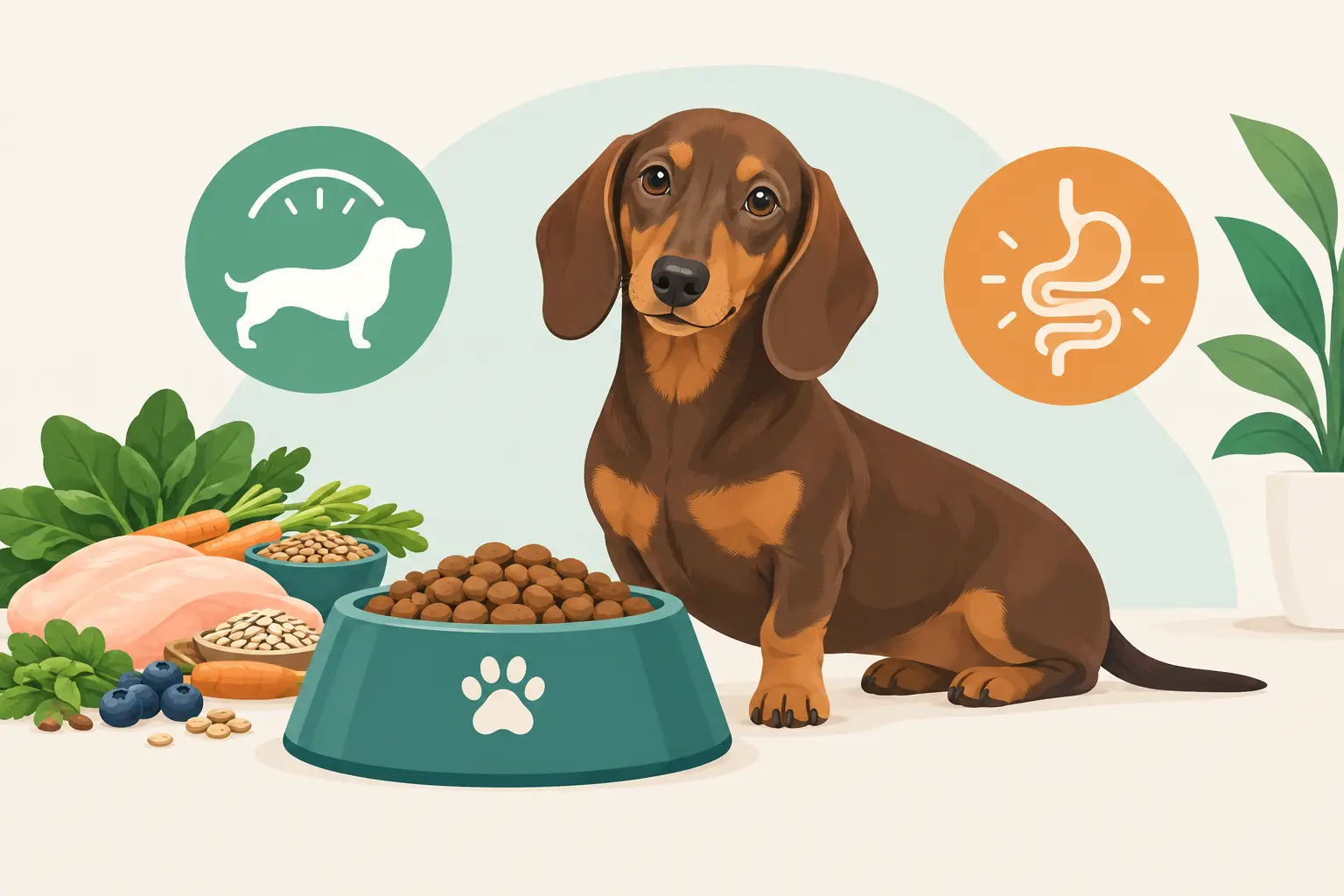
A quality senior diet should provide complete and balanced nutrition while accounting for the realities of aging. Older dogs often become less active, which can lower calorie needs. At the same time, some dogs lose muscle or have trouble maintaining weight, so simply feeding less is not always the answer. The best formula is one that supports a lean body condition without shortchanging high-quality protein and essential nutrients.
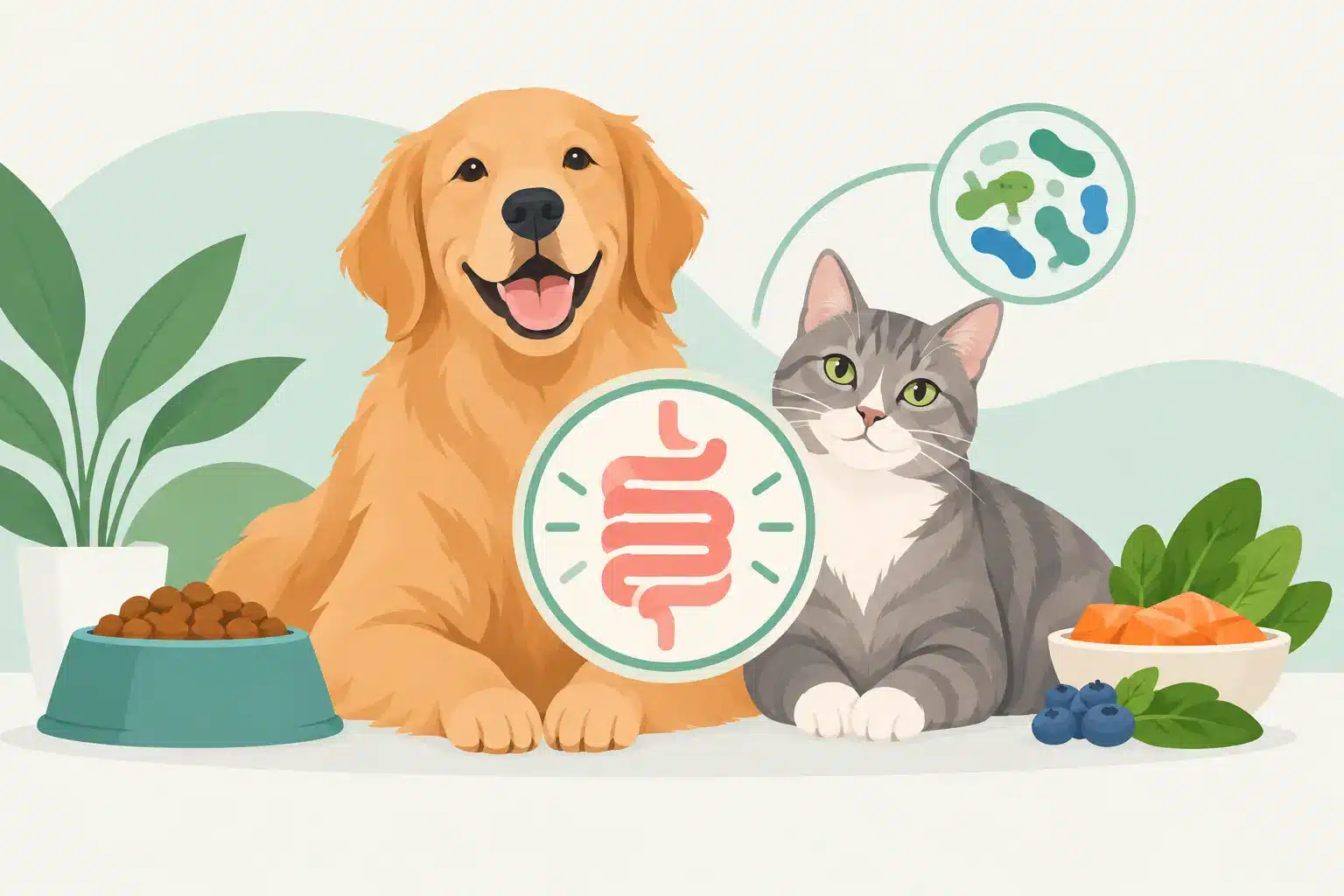
Digestive health also deserves close attention. Aging can bring a more sensitive stomach, inconsistent stools, or reduced interest in food. A diet made with recognizable ingredients and balanced fiber can help support healthy digestion and more consistent stool quality. Fiber is not just filler when it is thoughtfully formulated. The right balance can support beneficial gut bacteria, regularity, and nutrient utilization.
Start With Your Dog, Not the Front of the Bag
A “senior” designation can be useful, but it does not replace an individualized look at your dog. Before switching foods, consider what has actually changed.
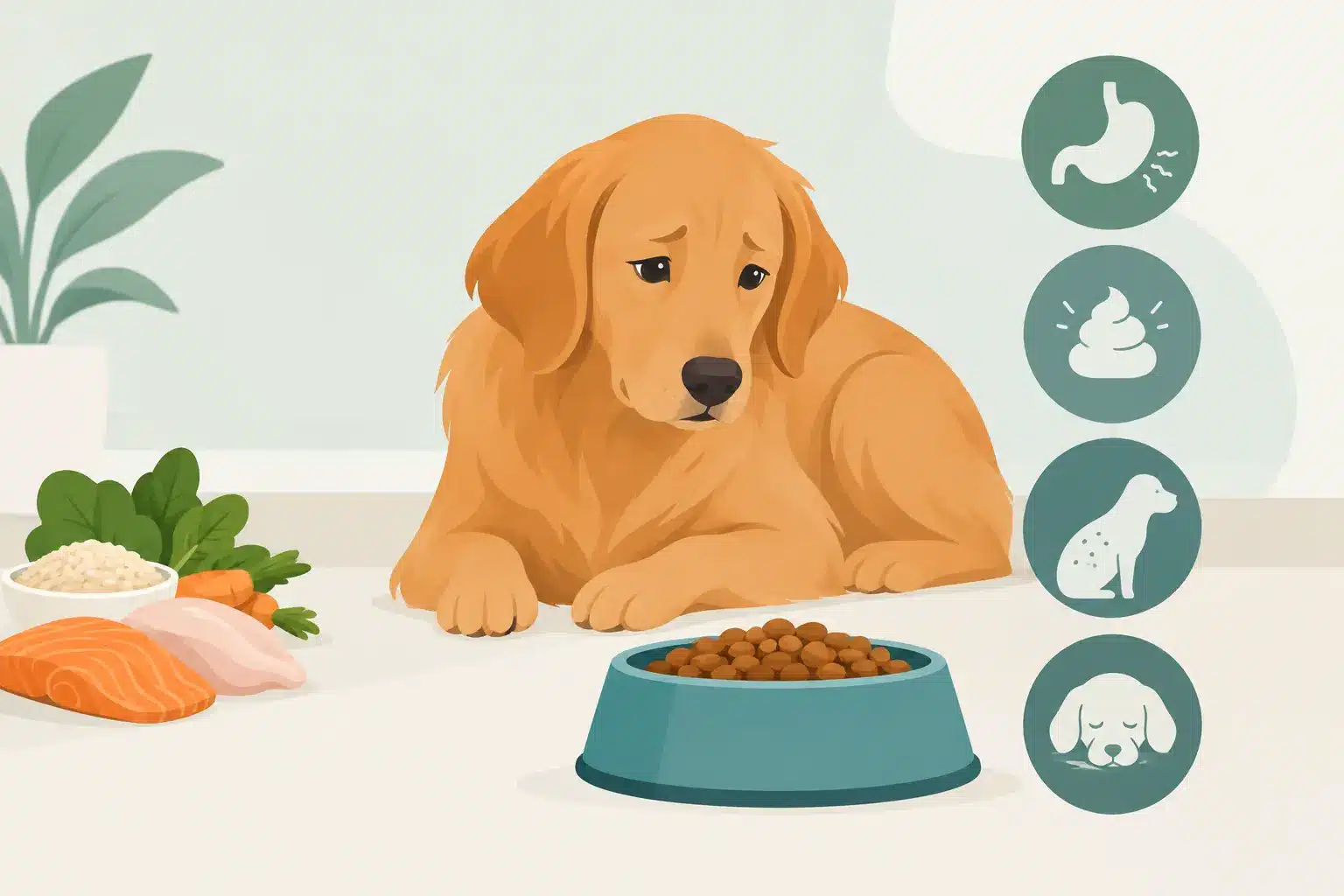
Is your dog gaining weight because daily walks have become shorter? Is she losing weight despite finishing every meal? Has he become picky, started having softer stools, or seemed stiffer after resting? These clues can help you and your veterinarian determine whether a food change, a feeding adjustment, or medical evaluation is appropriate.
A body condition assessment is especially valuable. You should be able to feel your dog’s ribs beneath a light layer of tissue, see a waist from above, and notice an abdominal tuck from the side. Excess body fat adds strain to joints and can make ordinary movement harder. On the other hand, visible loss of muscle along the spine, hips, or thighs deserves prompt attention, even if the scale has not changed much.
Protein supports healthy aging
One outdated idea is that all senior dogs need lower-protein food. For healthy older dogs, that is not generally the goal. Adequate, digestible protein helps support lean muscle, which matters for strength, mobility, metabolism, and resilience.
The right amount depends on the individual dog and any veterinary diagnosis. Dogs with certain kidney or liver conditions may need a therapeutic dietary approach directed by a veterinarian. For a healthy senior, look for a complete diet with quality animal protein sources and avoid making major restrictions based on age alone.
Calories should fit activity and body condition
Calorie needs can shift in either direction. A less active dog may gradually gain weight on the same portion that worked for years. Another senior may burn through calories, lose muscle, or have a reduced appetite and need a more energy-dense approach.
Measure meals rather than estimating by scoop. Use feeding guidelines as a starting point, then adjust based on your dog’s body condition over several weeks. Treats, table scraps, chews, and training rewards count, too. A few extras each day can quietly add enough calories to change a senior dog’s weight.
Digestion and Fiber Matter More Than Ever
The digestive system plays a central role in whole-body wellness. When digestion is working well, dogs are better able to use the nutrients in their food, maintain regular stools, and feel comfortable after meals. That is why ingredient quality and fiber balance should be part of every senior-food conversation.
Some older dogs do well with diets featuring ingredients such as pumpkin, brown rice, quinoa, and carefully selected protein sources. These ingredients can contribute nutrients and fiber while providing the familiar, appealing flavors many dogs enjoy. Still, a food that works beautifully for one dog may not be ideal for another. Dogs with food sensitivities, chronic digestive concerns, or a history of pancreatitis need more specific guidance from their veterinarian.
Lucy Pet’s Formulas for Life® approach centers digestive wellness with P.B.F. Prebiotic Balanced Fiber™, a blend designed to support a healthy gut environment and balanced digestion. For pet parents seeking a wellness-focused everyday food, this kind of formulation can be especially relevant when stool quality and digestive comfort are regular concerns.
Watch the stool, not just the bowl
A dog eagerly eating a food does not automatically mean it is the best fit. Stool quality often tells a fuller story. Ideally, stools should be formed, easy to pick up, and predictable in frequency. Ongoing loose stool, constipation, excessive gas, straining, or a sudden change in bathroom habits warrants a call to your veterinarian.
Make diet changes gradually over seven to 10 days whenever possible. Begin by mixing a small amount of the new food with the current food, then slowly increase the new food each day. A slow transition gives the digestive system time to adapt and makes it easier to identify whether the new diet agrees with your dog.
Nutrients That Support the Senior Years
Senior dogs do not need a cabinet full of supplements by default. A complete and balanced food should be the foundation. However, several nutritional areas are worth discussing with your veterinarian when selecting a food or considering additions.
Omega-3 fatty acids can support skin, coat, and joint health. Antioxidant nutrients can help support normal immune function. Appropriate levels of vitamins and minerals support everyday metabolic health, while quality protein helps preserve lean tissue. For dogs with mobility concerns, your veterinarian may also discuss joint-focused ingredients or supplements, depending on the dog’s diagnosis and current diet.
Dental comfort can affect nutrition, too. A dog with painful teeth may walk away from kibble, chew only on one side, drop food, or suddenly become selective. Softer meal options, adding warm water to kibble, or using a complete stew can make meals easier to manage, but dental disease still requires veterinary care. Do not assume a change in appetite is simply part of getting older.
When a Senior Dog Needs a Veterinary Diet
Some senior dogs need more than a general adult maintenance food. Kidney disease, diabetes, heart disease, pancreatitis, arthritis, food allergies, cancer, and cognitive changes can each affect nutritional priorities. In these cases, the best diet may be a therapeutic formula or a feeding plan created specifically for your dog.
Seek veterinary guidance promptly if your dog has unexplained weight loss, increased thirst or urination, repeated vomiting, persistent diarrhea, trouble chewing, a dramatic appetite change, or a sudden drop in energy. These are not problems to solve by trying several foods at random.
Regular wellness exams become more valuable as dogs age. Routine blood work and body-condition tracking can reveal changes before they become obvious at home. Bring a photo of the food label, the amount fed daily, and a list of treats or supplements to the appointment. That information gives your veterinarian a much clearer picture of your dog’s nutritional intake.
A Better Feeding Routine for Older Dogs
Consistency can make meals easier on older dogs. Feed measured portions at predictable times, keep fresh water available, and store food properly to protect freshness and flavor. If your dog struggles with a large meal, smaller meals may be more comfortable. If appetite is fading, warming wet food slightly or moistening kibble can improve aroma without adding unnecessary extras.
Pay attention to the full picture: enthusiasm at meals, comfortable digestion, stable weight, muscle tone, coat condition, mobility, and everyday attitude. These markers are more useful than a marketing claim alone.
Your senior dog has spent years showing up for every walk, every quiet evening, and every moment that mattered. Feeding with care now is one practical way to support more comfortable days, more tail wags, and more good years together.

Leave A Comment
You must be logged in to post a comment.