

A litter box can tell you a surprising amount about how your cat is feeling. Firm, formed stools that are easy to scoop are generally a welcome sign that the digestive system is doing its job. When stools become consistently loose, dry, unusually smelly, or difficult to pass, nutrition may be one piece of the puzzle. Choosing healthy stool cat food means looking beyond a front-of-bag promise and focusing on the nutrients that support digestive balance every day.
Food cannot diagnose or cure a medical issue, and sudden or severe changes in stool always deserve a call to your veterinarian. But for many cats, a thoughtfully formulated diet with quality protein, balanced fiber, and dependable nutrition can help support more comfortable digestion and better litter box habits.
What Healthy Cat Stool Usually Looks Like
Healthy stools are typically brown, formed, and moist enough to pass without straining. They should hold their shape when scooped, rather than leaving a puddle or crumbling into dry pellets. Frequency varies from cat to cat, although many adult cats have a bowel movement once a day.
One unusual stool is not always a reason for concern. A stressful weekend, a sneaked treat, a fast food transition, or a hairball can temporarily affect digestion. The more meaningful pattern is a change that continues for several days or returns regularly.
Watch for stools that are persistently soft, watery, very hard, coated in mucus, black and tarry, or streaked with blood. Vomiting, appetite changes, hiding, weight loss, straining, or lethargy alongside stool changes call for prompt veterinary guidance. Kittens, senior cats, and cats with known health conditions may need attention sooner.
What to Look for in Healthy Stool Cat Food
A formula designed with digestive wellness in mind does not rely on one trendy ingredient. It brings several nutritional pieces together in proportions that work for a cat’s needs. The right choice also depends on your individual cat, including age, activity level, food sensitivities, health history, and whether they eat wet food, dry food, or both.
Quality animal protein comes first
Cats are obligate carnivores, meaning animal-based protein is central to their nutrition. A complete and balanced cat food should provide appropriate protein from recognizable animal ingredients, such as chicken, salmon, or duck. Protein supports lean muscle and overall body condition, while a consistently formulated diet can be gentler on a cat’s digestive routine than frequently rotating foods.
More protein is not automatically better for every cat. The protein source, the total formula, and your cat’s individual tolerance all matter. If your cat has a diagnosed medical condition, follow your veterinarian’s dietary recommendations rather than choosing a food based on a single nutrient claim.
Balanced fiber supports regularity
Fiber is often misunderstood in feline nutrition. The goal is not simply to add as much fiber as possible. Cats need the right type and amount of fiber to support normal stool quality without crowding out the animal-based nutrition they need.
Soluble fibers can help absorb excess water in the digestive tract, which may support firmer stools. Insoluble fibers can help promote movement through the intestinal tract. Prebiotic fibers are especially valuable because they help nourish beneficial microbes in the gut. Those microbes are part of a healthy digestive environment and can influence more than stool quality, including nutrient use and immune function.
Ingredients such as pumpkin and other carefully selected plant fibers may play a useful role in a complete cat food. Still, a fiber-rich formula should be balanced, not improvised with large amounts of home remedies. Adding too much pumpkin or fiber supplement without guidance can create new digestive issues.
Complete nutrition matters more than a single ingredient
It is easy to focus on one ingredient when your cat is having litter box trouble. Yet stool quality reflects the entire diet: protein, fat, fiber, moisture, vitamins, minerals, and calorie intake. Look for food formulated to meet AAFCO nutrient profiles for your cat’s life stage.
Ingredient transparency matters, too. A premium formula should make it easier to understand what is feeding your cat, not harder. Recognizable ingredients and a clear nutritional purpose help pet parents make confident decisions, especially when a sensitive stomach is involved.
Moisture Has a Role in Stool Quality
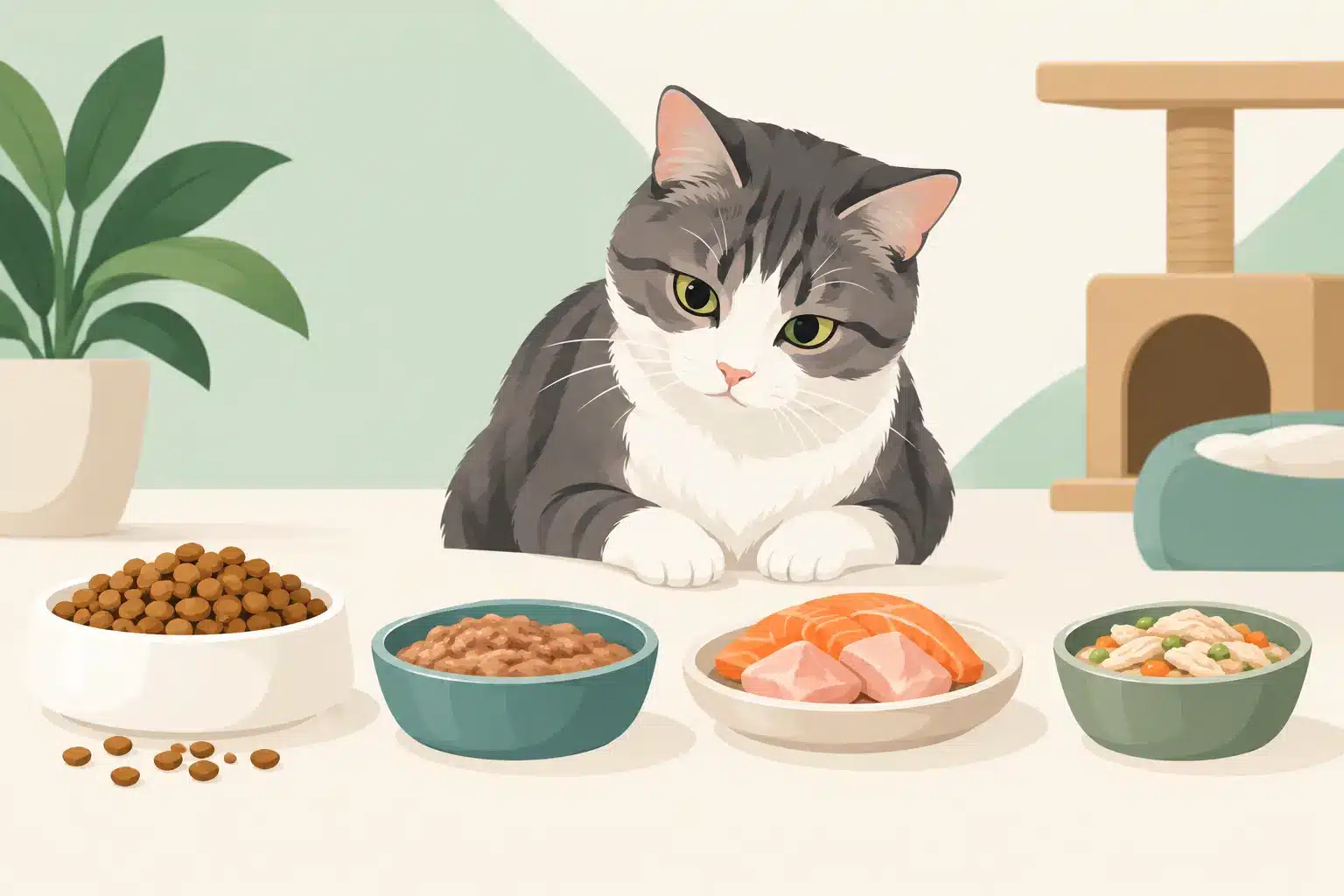
Many cats naturally have a low thirst drive. That is one reason moisture-rich food can be a helpful part of a feeding plan, particularly for cats who eat mostly kibble or do not drink much water. Adequate hydration supports normal digestion and may help prevent stools from becoming overly dry and hard.
Wet food, stews, and fresh water are all practical ways to support daily fluid intake. Some cats prefer wide water bowls, a water fountain, or bowls placed away from their food. The best strategy is the one your cat will reliably accept.
Dry food can also be part of a healthy diet when it is complete and balanced, well tolerated, and paired with good water access. There is no universal rule that every cat must eat one format only. Your cat’s health, preferences, and veterinary needs should guide the decision.
How to Change Foods Without Upsetting Digestion
Even an excellent formula can lead to loose stools if it is introduced too quickly. The digestive tract and its resident microbes need time to adjust. A gradual transition is one of the simplest ways to protect stool consistency when switching foods.
For most cats, start by mixing a small amount of the new food into the current food. Increase the new food slowly over seven to 10 days while reducing the old food. Cats with sensitive digestion may benefit from an even slower transition. Keep treats and table scraps limited during this period so you can clearly see how your cat responds.
If stool becomes persistently loose, pause the transition and speak with your veterinarian. Do not assume the food is necessarily the problem. Parasites, infections, stress, medications, food intolerance, inflammatory conditions, and other health concerns can affect stool quality.
Daily Habits That Support a Healthier Litter Box
Food is foundational, but it works best alongside steady routines. Feed measured portions appropriate for your cat’s size and life stage, since overfeeding can contribute to digestive upset and unwanted weight gain. Keep fresh water available, and avoid frequent, abrupt changes in food and treats.
Stress can also show up in the litter box. Changes in household schedules, visitors, a new pet, construction noise, or tension between cats may affect appetite and digestion. Provide a clean, accessible litter box in a quiet space. In multi-cat homes, having enough boxes can reduce competition and help you monitor each cat’s output more easily.
Hair ingestion is another common factor. Regular brushing can reduce the amount of loose fur your cat swallows, which may help some cats maintain more predictable digestive habits. If your cat is frequently vomiting hairballs or seems uncomfortable, ask your veterinarian for advice rather than relying on a hairball product alone.
When a Digestive-Focused Formula May Help
A cat food developed around gut health can be a thoughtful choice for cats who experience occasional soft stools, inconsistent stool shape, or digestive sensitivity after routine changes. Lucy Pet Formulas for Life® cat foods are designed with P.B.F. Prebiotic Balanced Fiber™ to support healthy digestion with a carefully balanced fiber approach, alongside quality nutrition for whole-body wellness.
The goal is not to chase perfection in every litter box visit. It is to give your cat a consistent nutritional foundation that supports normal digestion over time. Monitor stool quality, appetite, energy, skin and coat condition, and body weight together. These details create a much clearer picture than any single symptom.
A comfortable cat often leaves the simplest clue behind: a normal, scoopable stool and the confidence to return to their favorite sunny spot. By choosing a complete diet with balanced fiber, quality animal protein, and the right amount of moisture, you can help support the digestive comfort that lets your cat feel like themselves.

Leave A Comment
You must be logged in to post a comment.