

A meal that has lost its appeal can turn feeding time into a daily negotiation. Pet food toppers offer a practical way to bring back aroma, moisture, and interest while helping pet parents support specific needs such as hydration, digestion, or a changing appetite. The key is choosing a topper that complements a complete and balanced diet rather than quietly replacing it.
What Are Pet Food Toppers?
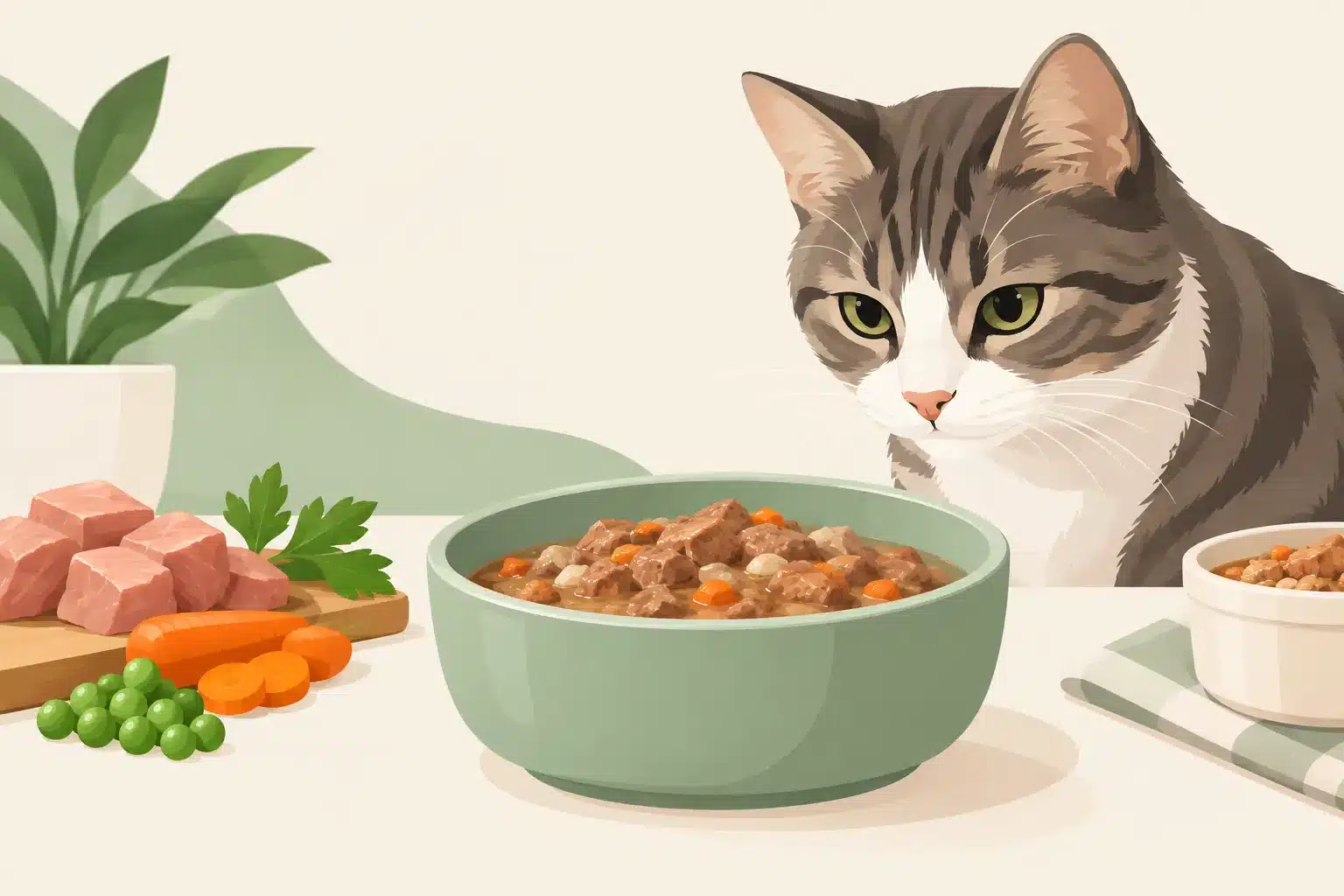
Pet food toppers are foods added in small amounts to a dog’s or cat’s regular meal. They may come as savory stews, broths, freeze-dried pieces, food rolls, canned foods, or simple whole-food additions such as plain cooked pumpkin. Some are designed primarily for taste, while others contribute meaningful nutrition, including protein, moisture, fiber, or targeted ingredients.
A topper is not automatically a better choice simply because it sounds wholesome. The most helpful option depends on your pet’s base diet, life stage, health needs, and total calorie intake. A highly palatable topper can be useful for a senior pet eating less, a recovering pet under veterinary guidance, or a picky eater. It can also create challenges if it encourages a pet to reject their regular food or adds too many calories every day.
For most healthy pets, the foundation of the bowl should remain a complete and balanced food formulated for their species and life stage. Toppers should make that nutritious foundation more enjoyable, not make it less balanced.
Why Pet Parents Use Toppers
The obvious benefit is variety. Dogs and cats experience food through scent and texture as much as taste, so a little warm stew or moist food can make a familiar meal more appealing. This can be especially helpful when a pet’s appetite changes with age, routine disruptions, travel, or seasonal shifts in activity.
Moisture is another valuable benefit. Many dogs enjoy a wetter meal, and cats in particular may consume more fluids when wet food or a moisture-rich topper is mixed into their diet. Hydration needs are individual, so fresh water should always be available, but adding moisture can be a sensible part of a thoughtful feeding routine.
Toppers can also help pet parents introduce beneficial ingredients without changing the entire menu at once. A recipe with recognizable proteins and carefully selected fiber sources may support normal digestion when it fits the pet’s overall diet. At Lucy Pet Products, the focus on digestive wellness, including P.B.F. Prebiotic Balanced Fiber™, reflects a useful principle: the health of the gastrointestinal system deserves attention at every stage of feeding, not only when problems appear.
The Difference Between a Topper and a Complete Meal
This distinction matters more than the package design. A complete and balanced dog or cat food is formulated to provide essential nutrients in appropriate proportions when fed as the main diet. A complementary topper may be nutritious, but it is not necessarily designed to meet all nutritional requirements by itself.
Feeding too much of an incomplete product can dilute the nutrition supplied by the regular food. Over time, that can mean your pet receives a less consistent balance of vitamins, minerals, amino acids, and fatty acids than intended. This risk is greatest when generous spoonfuls become routine, especially for small dogs and cats whose daily calorie needs are relatively low.
As a general rule, treats and toppers should account for no more than about 10 percent of daily calories unless your veterinarian has recommended a different plan. Read the feeding guidance and calorie information for both foods, then adjust the main meal when necessary. A tablespoon can be modest for a large dog and substantial for a small cat.
Choosing a Topper With Purpose
Start with the reason you are adding one. If your pet is simply bored with dry food, a small amount of a palatable, moisture-rich stew may be enough. If you are looking to support a sensitive digestive system, choose a topper with straightforward ingredients and avoid changing several foods at the same time. A pet with skin concerns may benefit from a topper featuring an appropriate animal protein or omega fatty acids, but persistent itching or ear issues should be discussed with a veterinarian rather than managed through food alone.
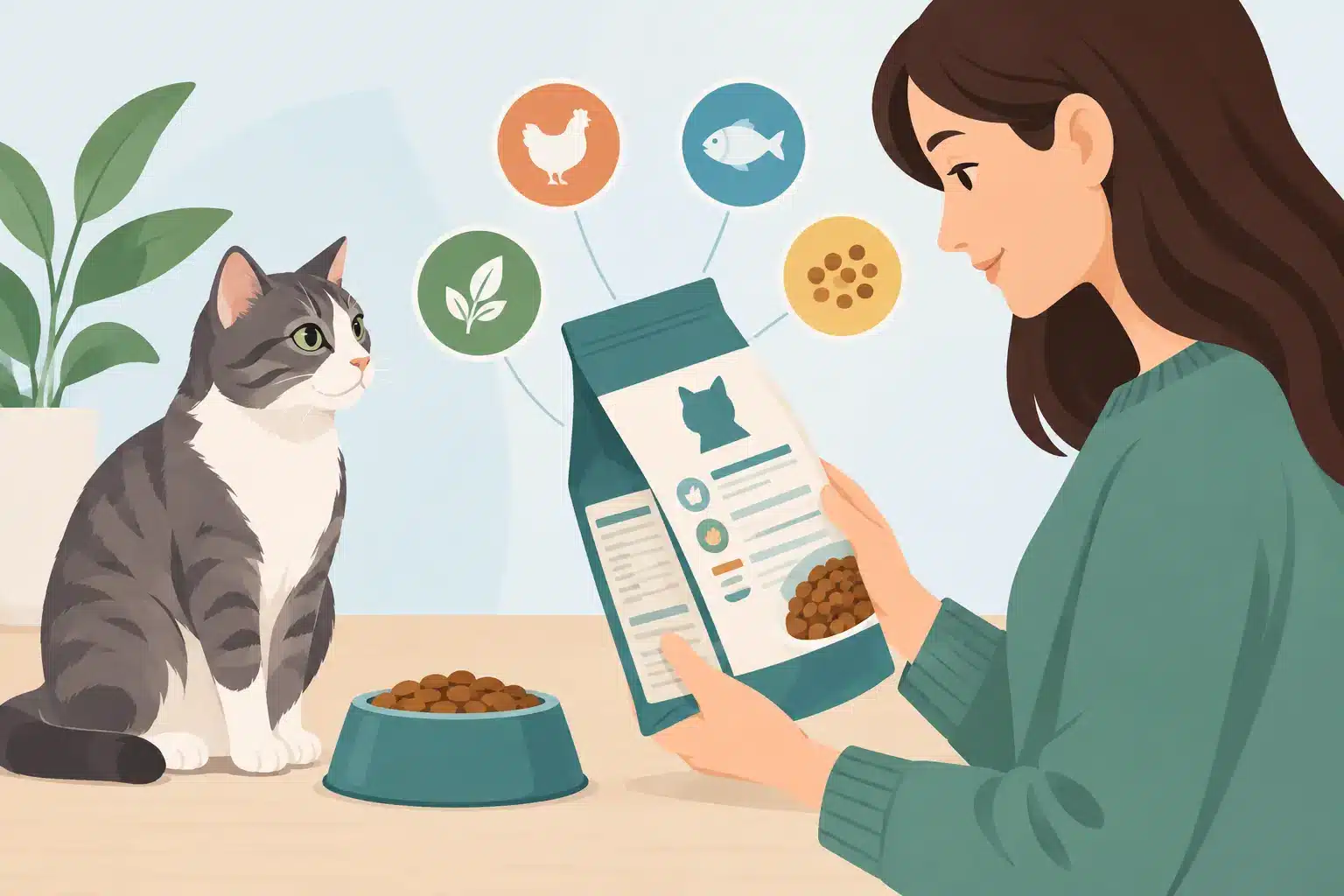
Ingredient quality and clarity matter. Look for an identifiable protein source, such as chicken, salmon, or duck, and a product made for your pet’s species. Dogs and cats have different nutritional needs. Cats are obligate carnivores, so a cat topper should be especially aligned with their need for animal-based protein and should never be replaced with a dog product just because the ingredients appear similar.
For pets with known sensitivities, keep the formula simple. A novel protein may be appropriate in some situations, but it is not a cure-all. Food reactions can be difficult to identify, and a true elimination diet should be conducted with veterinary guidance. Avoid toppers containing ingredients your pet has reacted to before, and check labels carefully for added proteins, flavorings, and fats.
How to Add a Topper Without Upsetting the Bowl
A new food can change stool quality, appetite, and digestive comfort, even when the product is well made. Introduce it gradually over several days. Begin with a very small amount mixed thoroughly into the usual food, then increase only if your pet remains comfortable and maintains normal stools.
Warming refrigerated or wet food slightly can increase aroma, but it should never be served hot. Mix the topper throughout the meal instead of placing it only on top. This reduces the chance that your pet will eat around the complete food and wait for the most flavorful portion.
Consistency helps you identify what is working. If you regularly rotate proteins or use multiple toppers, it becomes harder to tell which change may be behind loose stool, gas, itching, or reduced appetite. For a pet with a sensitive stomach, choose one topper and use it consistently before deciding whether it agrees with them.
Adjust Calories, Not Just Portions
The calories in toppers count. This is easy to overlook because many products are fed in small amounts, yet calorie-dense foods can add up quickly. If you add a topper daily, reduce the amount of the main food enough to keep total daily calories appropriate for your pet’s age, size, activity level, and body condition.
This does not need to be complicated. Check the calories per serving on the label, measure the amount you actually feed, and watch your pet’s body condition over time. You should be able to feel your pet’s ribs with gentle pressure, though they should not be prominently visible in most healthy pets. Your veterinarian can help establish a calorie target if weight management is a concern.
Be Careful With Human Foods
Plain, pet-safe foods can occasionally work as toppers, but the safety margin is narrower than many pet parents realize. Foods prepared for people often contain excess salt, rich fats, onion, garlic, sauces, or seasonings that are not appropriate for pets. Avoid grapes, raisins, chocolate, xylitol, alcohol, and foods from the onion family entirely.
Even safe options should stay simple. Plain cooked lean meat or plain pumpkin may fit some pets, but portion size still matters, and these foods should not displace a balanced diet. When convenience, consistency, and nutrition are priorities, a commercially prepared topper made for dogs or cats is often easier to feed responsibly.
When a Change in Appetite Needs More Than a Topper
A topper can encourage eating, but it should not be used to mask a significant appetite change. Contact your veterinarian promptly if your pet refuses food, has repeated vomiting or diarrhea, seems painful while eating, loses weight, drinks unusually large amounts of water, or has a sudden and persistent change in behavior. Cats, especially, should not go without eating for extended periods.
A healthy feeding routine should feel reassuring, not like a workaround for a problem that keeps returning. The best topper is one your pet enjoys, tolerates well, and receives in an amount that preserves the nutritional value of their everyday diet. With a purposeful choice and a measured scoop, you can make mealtime more satisfying while keeping long-term wellness at the center of the bowl.




Leave A Comment
You must be logged in to post a comment.