

A pumpkin treat can be a simple way to make reward time feel more nourishing, especially for dogs whose parents pay close attention to digestion. But the best pumpkin treats for dogs are not automatically the ones with the brightest orange color or the biggest pumpkin image on the package. What matters is the complete ingredient list, the treat’s calorie density, and whether it fits your dog’s individual dietary needs.
Pumpkin is valued in dog nutrition because it provides naturally occurring fiber and moisture. In an appropriately formulated treat, it can be a useful ingredient for dogs who benefit from thoughtful digestive support. Still, pumpkin is only one part of the equation. A high-quality treat should be safe, palatable, portion-conscious, and made with ingredients you recognize and trust.
What Makes the Best Pumpkin Treats for Dogs?
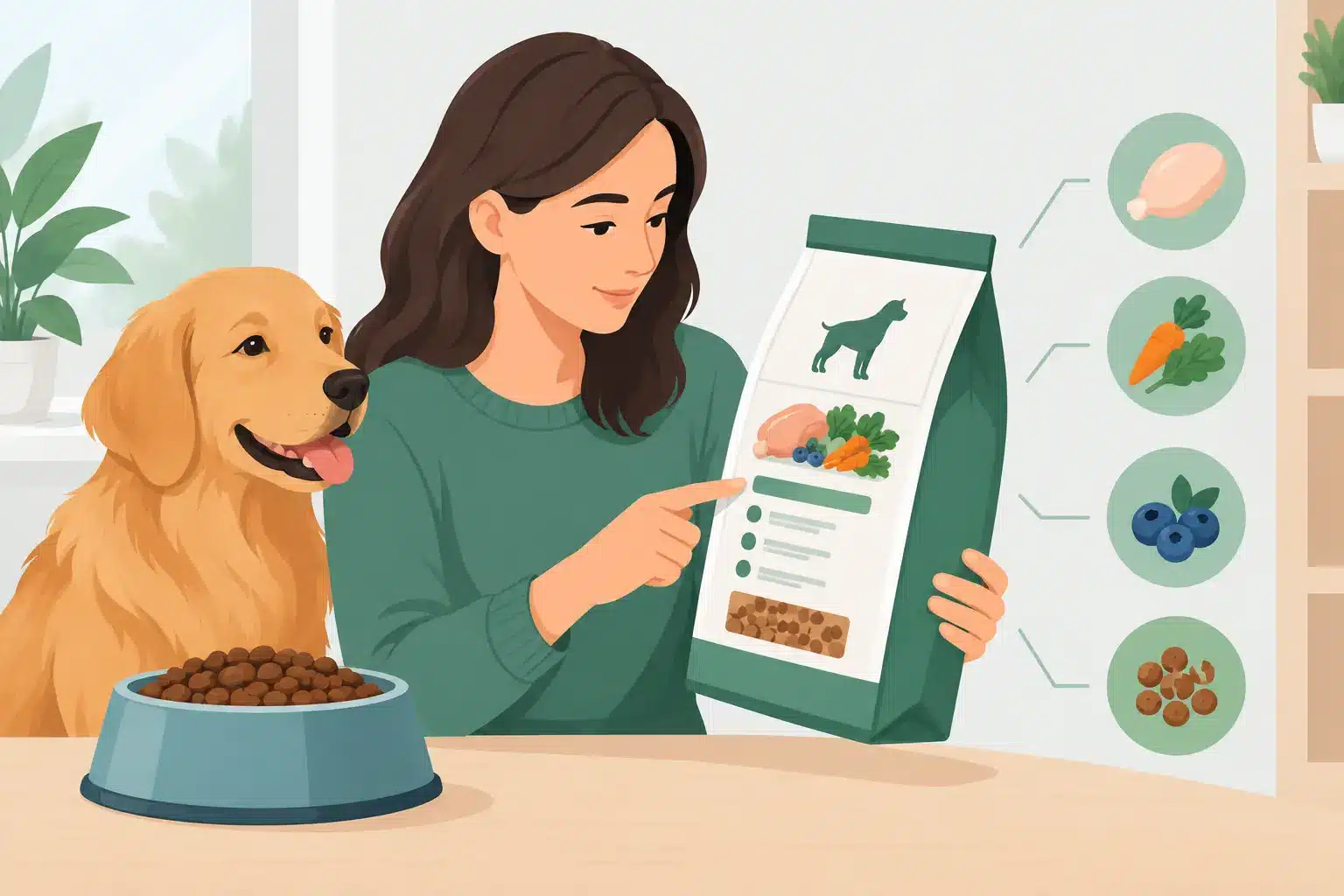
Start by looking beyond the front of the package. Pumpkin should appear clearly on the ingredient panel, ideally alongside a straightforward protein source and other purposeful ingredients. Treats made with vague meat ingredients, excessive sweeteners, artificial colors, or a long list of unnecessary additives may not align with a wellness-focused feeding plan.
The best choice depends on why you are offering treats in the first place. A soft, bite-sized pumpkin treat can be ideal for training because it is easy to chew and quick to eat. A crunchy biscuit may work better as a casual reward or an occasional boredom buster. For older dogs or dogs with dental sensitivity, softer textures are often more comfortable. For enthusiastic chewers, a firm baked treat can offer a little more satisfaction, though it should never replace appropriate chew products or dental care.
Calorie content matters just as much as ingredients. Treats are part of a dog’s daily food intake, not an extra that exists outside it. As a general rule, treats should make up no more than 10% of daily calories. Small dogs can reach that limit quickly, even with treats that seem tiny to us. Check feeding guidance, use a measuring mindset, and adjust meal portions when needed.
Pumpkin Puree Is Not the Same as Pumpkin Pie Filling
If you plan to use pumpkin from your own kitchen, choose plain canned pumpkin puree with no added ingredients. Pumpkin pie filling is made for people, not dogs. It can contain added sugar, salt, spices, and other ingredients that do not belong in a dog treat.
Plain cooked pumpkin can also be offered in a small amount, as long as it is soft, unseasoned, and free of butter, oil, salt, and toppings. Remove the skin, stem, and seeds before serving. Raw pumpkin pieces can be hard to digest and may present a choking concern, particularly for small dogs or dogs who gulp food.
Read the Label With Your Dog’s Needs in Mind
A premium pumpkin treat should support your dog’s overall feeding routine rather than disrupt it. That means considering protein, fiber, fat, and the ingredients that may be relevant to your dog’s known sensitivities.
For dogs with sensitive stomachs, simpler is usually better. Choose a treat with a short, transparent ingredient list and introduce it gradually. Even a wholesome ingredient can cause loose stool or gas if a dog receives too much too soon. If your dog is already eating a specialized diet for food sensitivities, pancreatitis, kidney concerns, or another health condition, ask your veterinarian before adding new treats regularly.
Dogs with food allergies need even more careful label reading. Pumpkin itself is not a common concern for most dogs, but the surrounding ingredients may be. A pumpkin treat containing chicken, dairy, wheat, egg, or a particular legume may not work for a dog with an established sensitivity to that ingredient. The right treat is the one that supports your dog’s specific dietary plan, not the trendiest option on the shelf.
Look for Purposeful Nutrition, Not Empty Extras
Pumpkin contributes fiber, but a treat does not need to make exaggerated promises to be a good choice. Look for a balanced approach: recognizable ingredients, an appropriate texture, manageable calories, and a clear purpose in your dog’s day.
Fiber is particularly nuanced. The right amount can help support normal digestion, but more is not always better. Overfeeding high-fiber treats may lead to digestive upset, especially when a dog is not accustomed to them. This is why a nutrition philosophy centered on balanced fiber, such as Lucy Pet’s P.B.F. Prebiotic Balanced Fiber™ approach, is more useful than focusing on a single trendy ingredient in isolation.
Pumpkin Treat Formats and When They Work Best
Pumpkin treats come in several formats, and each has a practical place. Soft chews tend to be convenient for training sessions, medication rewards, and senior dogs. Because they are often more aromatic, they may be especially appealing in distracting environments.
Crunchy biscuits can give dogs a satisfying reward ritual and are easy for pet parents to portion. They are not a substitute for brushing or professional dental care, but a crisp texture can be a pleasant option for dogs who enjoy a crunch.
Freeze-dried treats may appeal to parents seeking a minimally processed option, though pumpkin is often paired with meat in this format. Check the calorie count carefully because small freeze-dried pieces can be calorie-dense. Pumpkin puree used as a topper or stuffed into an enrichment toy is another option, but it requires tighter portion control than pre-portioned treats.
Whichever format you choose, reserve higher-value treats for moments that matter. Use tiny pieces for training, a modest biscuit after a walk, or a small amount of puree in a frozen toy on a warm day. Dogs do not measure love by treat size. Consistency, attention, and a reward that agrees with their stomach matter far more.
Ingredients to Avoid in Homemade Pumpkin Dog Treats
Homemade treats can be a thoughtful option when you want full control over ingredients, but homemade does not automatically mean safer. Keep recipes simple and skip ingredients designed for human desserts.
Never use xylitol, which may also appear on labels as birch sugar. This sweetener is highly toxic to dogs and can be found in some sugar-free products. Avoid chocolate, raisins, grapes, macadamia nuts, alcohol, and large amounts of salt. Do not add nutmeg or pumpkin pie spice. Spiced seasonal recipes may smell inviting, but they are not appropriate for your dog’s bowl.
If you bake pumpkin treats at home, make small batches and store them properly. Moist treats can spoil quickly. Refrigerate them in an airtight container and discard anything with an off smell, visible mold, or an uncertain storage history. When in doubt, throw it out.
How Much Pumpkin Treat Is Enough?
The appropriate amount depends on your dog’s body size, activity level, usual diet, and the treat’s calories. A small dog may only need a few pea-sized training rewards in a day. A large, active dog may have more room in the treat budget, but the 10% guideline still applies.
Introduce a new pumpkin treat one at a time. Offer a small portion, then watch for changes in stool quality, itching, vomiting, excessive gas, or reduced appetite over the next day or two. A single new food is easier to evaluate than several new snacks offered at once.
Dogs with chronic digestive concerns deserve an especially steady approach. Frequent switching between treats, toppers, and table scraps can make it difficult to identify what is helping and what is causing discomfort. A consistent, complete daily food paired with a few well-chosen rewards is often the kindest strategy for the gut.
Make Treat Time Part of Whole-Body Wellness
Pumpkin can be a welcome ingredient in a dog’s treat routine, but it works best as part of a bigger commitment to sound nutrition. Prioritize a complete and balanced daily diet, fresh water, regular activity, veterinary care, and rewards that respect your dog’s calorie needs.
Choose pumpkin treats with the same care you bring to your dog’s food bowl. When the ingredients are clear, portions are sensible, and your dog feels good after enjoying them, a small reward becomes a meaningful part of supporting a happier, healthier life together.

Leave A Comment
You must be logged in to post a comment.