

Loose stools one week, grass eating the next, then a sudden refusal to finish dinner – digestive changes can feel minor until they start happening often. A good dog digestive health guide helps you look past isolated symptoms and focus on the bigger picture: how your dog eats, digests, absorbs nutrients, and eliminates waste every single day.
Digestive health is not just about avoiding upset stomachs. Your dog’s gut plays a central role in nutrient absorption, stool quality, immune function, energy, skin condition, and overall comfort. When the digestive system is working well, you usually see it in consistent stools, a healthy appetite, steady energy, and fewer day-to-day issues. When it is off, the signs may be subtle at first.
What digestive health really means for dogs
A healthy digestive system does more than move food from one end to the other. It breaks food down into usable nutrients, supports beneficial gut bacteria, helps regulate immune responses, and manages water balance in the intestines. That is why digestive wellness often shows up in ways that go beyond the bowl.
Pet parents sometimes assume digestive problems only mean vomiting or diarrhea. In reality, digestive imbalance can also look like frequent gas, inconsistent stools, chronic stool eating, gurgling sounds after meals, bloating, low enthusiasm for food, or stools that are technically formed but still too soft, too hard, or difficult to pass. If your dog alternates between normal digestion and recurring mild issues, that pattern still matters.
Dog digestive health guide: the signs to watch
Your dog’s stool is one of the clearest daily reports on digestive function. Well-formed stools that are easy to pick up, passed regularly, and consistent in color and texture generally suggest the digestive tract is handling food appropriately. Soft stool, mucus, straining, unusually dry stool, or major day-to-day variation can point to dietary imbalance, stress, food intolerance, parasites, infection, or a need for more structured digestive support.
Appetite is another useful clue. A healthy dog may occasionally eat less for a meal, especially with heat, reduced activity, or routine changes. But repeated reluctance to eat, eating too fast and vomiting, lip licking, or obvious discomfort after meals deserves attention.
You should also watch for changes in body condition and coat quality. If a dog is eating enough but seems harder to keep in good weight, has dull fur, or seems less vibrant overall, digestion and nutrient absorption may be part of the picture. It depends on the dog, of course. A high-energy working dog and a laid-back senior will not have identical needs.
Why food quality matters so much
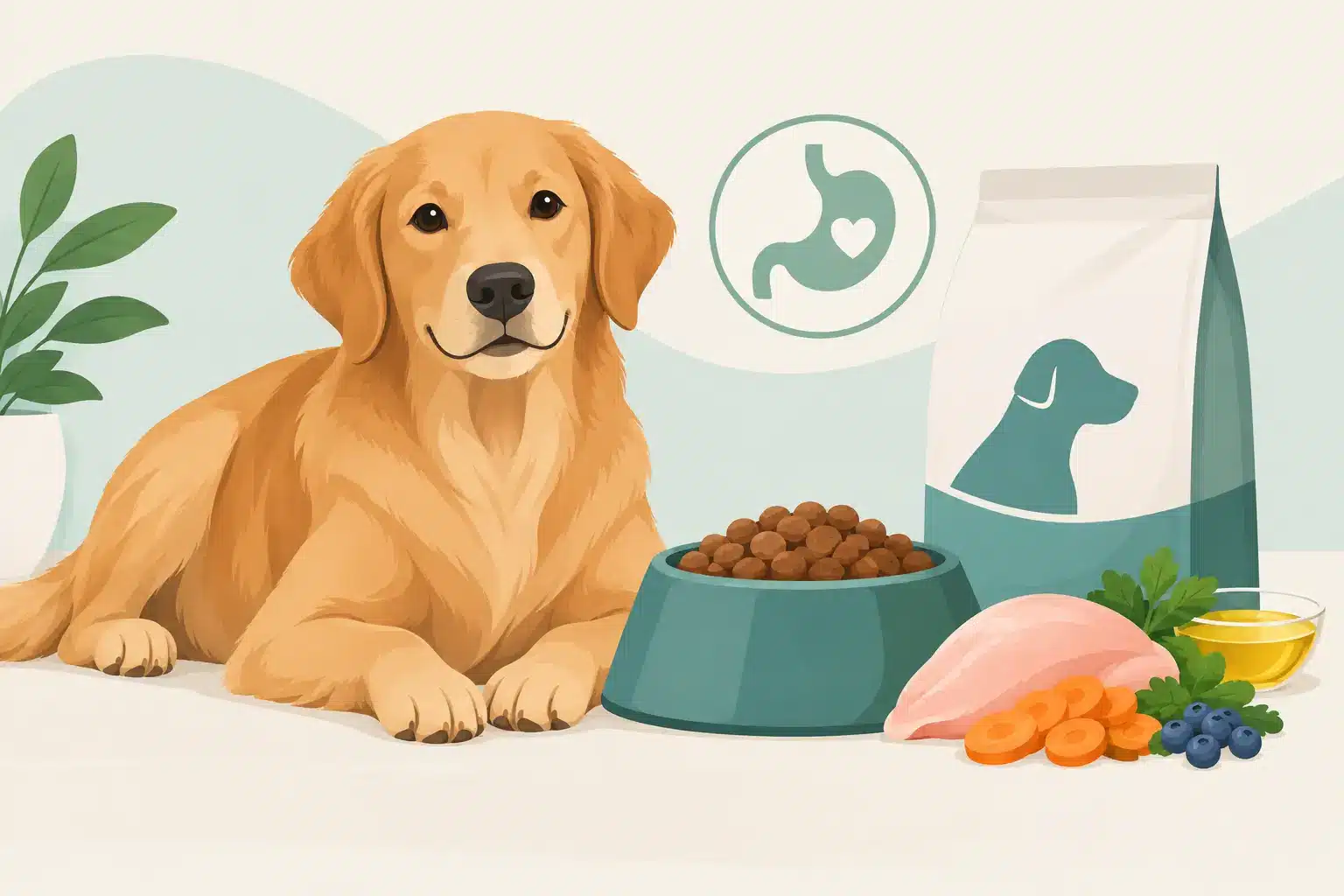
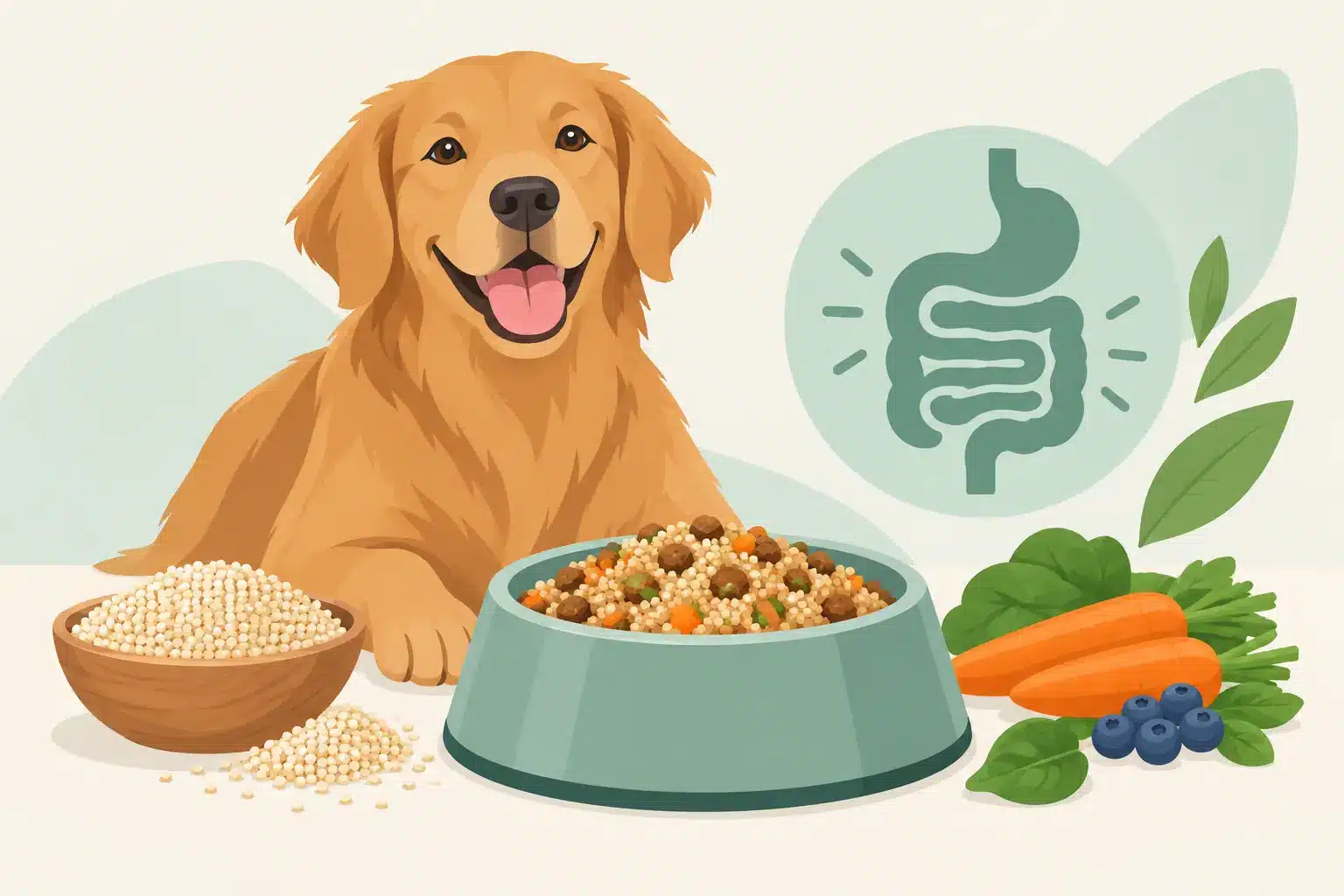
The digestive system can only work with what it is given. Ingredient quality, nutrient balance, and formula design all influence how comfortably a dog digests food. Highly digestible proteins, appropriate fat levels, and carefully selected carbohydrate and fiber sources can make a major difference, especially for dogs with sensitive stomachs.
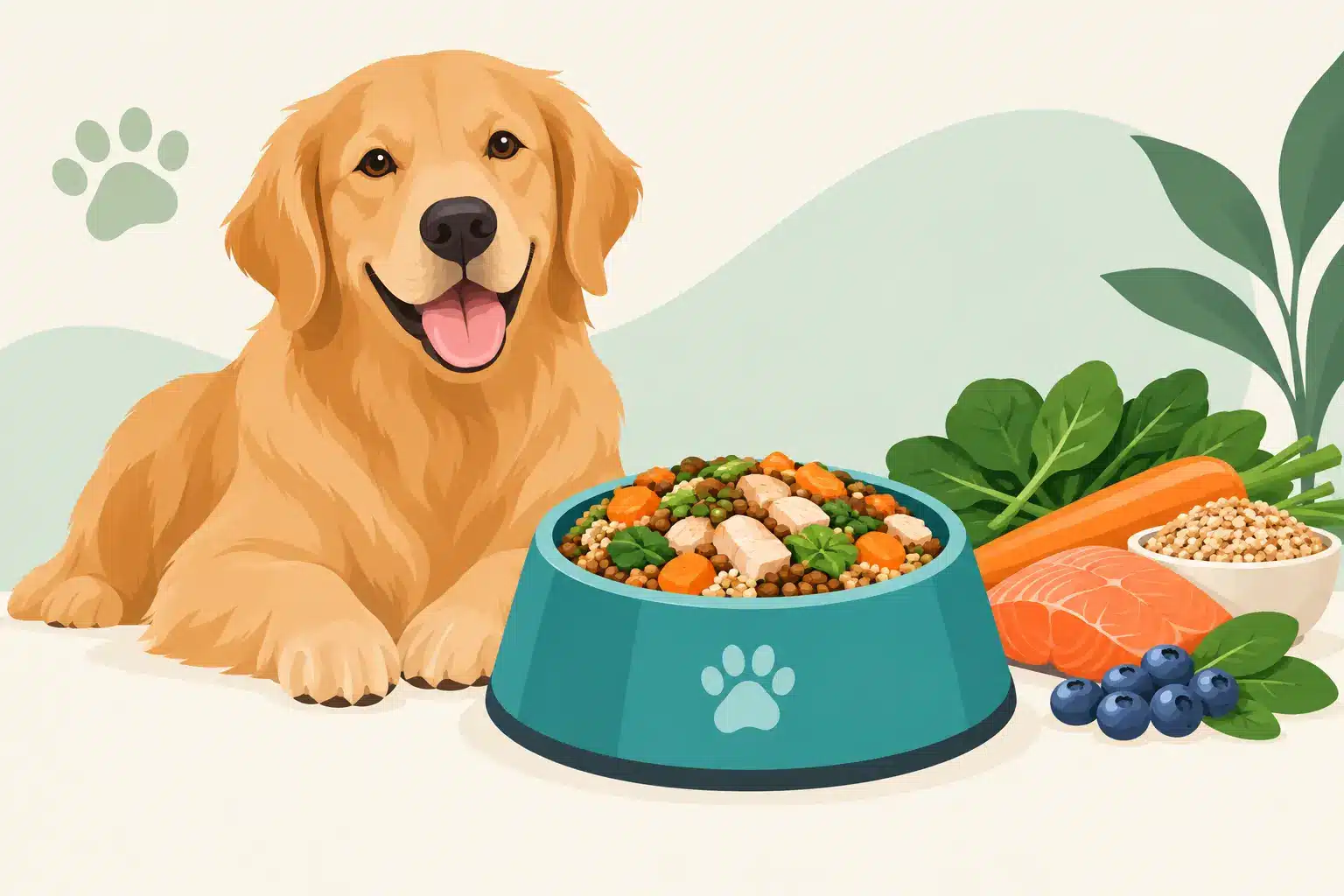
This is one reason premium nutrition matters. Recognizable ingredients such as chicken, salmon, duck, pumpkin, brown rice, and quinoa are not just appealing on a label. When used thoughtfully in balanced formulas, they can support digestibility, stool quality, and sustained energy. The goal is not trendy feeding. The goal is predictable nourishment your dog can use well.
Fiber deserves special attention here. Many pet parents think of fiber only in terms of constipation, but balanced fiber helps with much more than that. It can support stool formation, help normalize transit time, and nourish beneficial gut bacteria. Too little fiber can leave digestion unsteady. Too much, or the wrong type, can also create problems. That is why balance matters more than hype.
The role of the gut microbiome
Inside your dog’s digestive tract lives a complex community of microorganisms often referred to as the gut microbiome. When that community is in balance, it can support digestion, normal immune activity, and stool consistency. When it is disrupted by stress, abrupt food changes, antibiotics, illness, or poor diet fit, digestive problems can follow.
This is where prebiotics and probiotics often come into the conversation, but they are not interchangeable. Probiotics are beneficial live microorganisms. Prebiotics are fibers and compounds that help feed those beneficial microbes. Many dogs benefit from both, but the bigger picture still matters. A supplement cannot consistently fix a food that does not agree with your dog.
For many dogs, digestive support works best when it starts with a complete and balanced diet formulated with gut health in mind. Lucy Pet Products, for example, has built much of its nutritional philosophy around digestive wellness and its P.B.F. Prebiotic Balanced Fiber concept, which reflects the idea that fiber balance can help support both digestive regularity and whole-body health.
How to choose a diet for digestive support
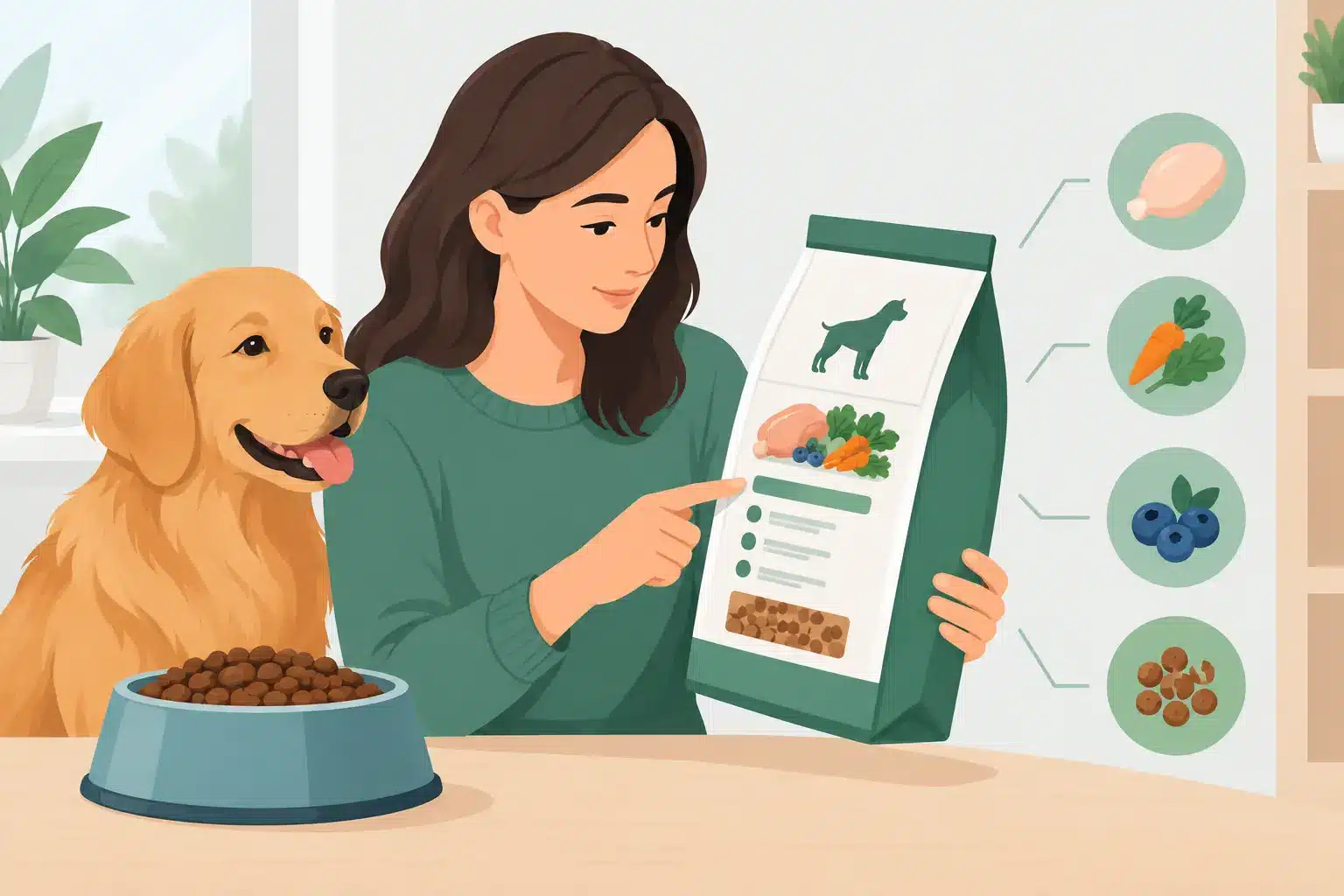
If your dog has a sensitive stomach, choosing food is rarely about chasing the single most fashionable ingredient. It is about finding a formula your dog digests well and can stay on consistently. Start with life stage and lifestyle. Puppies, adults, seniors, less active dogs, and high-energy dogs all process nutrition a little differently.
Then look at the formula itself. A helpful diet for digestive health should provide clearly identified protein sources, complete and balanced nutrition, and fiber sources that support regular stools without overloading the gut. Some dogs do well with grains such as brown rice, while others may do better with a different carbohydrate profile. Grain-free is not automatically better, and grain-inclusive is not automatically right for every dog. This is one of those areas where the best choice depends on the individual dog.
If your dog has recurring digestive trouble, simplicity can help. Diets with a clear nutritional purpose and consistent ingredients are often easier to evaluate than constantly rotating foods and treats. Too much variety can make it harder to identify what is helping and what is triggering problems.
Transitioning food without upsetting the gut
One of the most common causes of digestive upset is switching food too quickly. Even a high-quality formula can cause temporary soft stool or gas if the transition is abrupt. A gradual change gives the digestive tract and gut microbiome time to adjust.
For most dogs, transitioning over 7 to 10 days is a sensible starting point. Some sensitive dogs need longer. Mix a small amount of the new food into the current food at first, then slowly increase the new portion while decreasing the old. If stool quality changes noticeably, slowing the pace often helps.
Treats matter during this process. If you are evaluating how a new food affects digestion, keep treats simple and limited. Table scraps, rich chews, and multiple new snacks can muddy the picture fast.
Everyday habits that support better digestion
Good digestive care is not only about what is in the bowl. Feeding routine, hydration, activity, and stress all affect the gut. Dogs generally do well with consistent meal times, measured portions, access to fresh water, and regular exercise. Movement helps support normal intestinal motility, while erratic feeding schedules can contribute to digestive unpredictability.
How your dog eats also matters. Dogs that inhale meals may swallow excess air, regurgitate, or seem uncomfortable after eating. In those cases, slowing intake with portion control, smaller meals, or a slow feeder can help. If your dog often has digestive issues after exciting events such as travel, boarding, guests, or thunderstorms, stress may be playing a bigger role than you think.
When digestive issues need veterinary attention
A practical dog digestive health guide should never imply that every issue can be solved with food alone. Some problems need prompt veterinary care. Repeated vomiting, bloody stool, black stool, severe lethargy, abdominal swelling, significant pain, dehydration, unexplained weight loss, or refusal to eat are not wait-and-see symptoms.
Even milder issues deserve a veterinary conversation when they keep returning. Chronic soft stool, frequent nighttime bathroom urgency, recurring gas, or ongoing stomach sensitivity can stem from food intolerance, parasites, inflammatory conditions, pancreatic issues, or other medical concerns. Nutrition is powerful, but diagnosis matters.
What progress actually looks like
Improved digestive health is usually not dramatic overnight. More often, it shows up as fewer bad days. Stools become more consistent. Meal times feel calmer. Your dog seems more comfortable, less gassy, and more eager to eat. Skin and coat may also improve over time, especially when better digestion supports better nutrient use.
That progress can be gradual, and perfection is not the standard. Some dogs have sensitive systems and may always need a little extra attention around diet changes, treats, or stress. What you want is stability, comfort, and a feeding routine that supports long-term wellness rather than constant recovery from setbacks.
The most helpful thing you can do is stay observant without overreacting. If you pay attention to stool quality, appetite, energy, ingredient fit, and feeding consistency, you will learn what your dog’s normal really looks like. And once you know that, it becomes much easier to protect the gut health that supports a happy, active life.

Leave A Comment
You must be logged in to post a comment.