

A pet’s digestive system gives pet parents useful feedback every day. Consistent stools, a comfortable appetite, steady energy, and a healthy-looking coat can all reflect how well the body is using its food. When those signs change, gut health is often part of the conversation.
The gut is more than a place where food is broken down. It is home to a complex community of microorganisms, supports nutrient absorption, and plays a meaningful role in immune function. For dogs and cats, feeding for digestive wellness is not about chasing a single trendy ingredient. It is about choosing complete, balanced nutrition with the right combination of digestible proteins, purposeful fiber, and quality ingredients suited to your pet.
What Gut Health Means for Pets
A healthy gastrointestinal tract helps move food through the body, absorb nutrients, and eliminate waste comfortably. The gut microbiome – the collection of beneficial and other microorganisms living in the digestive tract – also helps maintain a balanced digestive environment.
Because much of the immune system is connected to the digestive tract, nutrition that supports the gut can have effects beyond the litter box or backyard. A pet who digests food well may be better positioned to maintain normal stool quality, healthy skin and coat condition, and dependable day-to-day energy.
That does not mean every digestive concern begins with food. Parasites, infections, medications, stress, underlying health conditions, and sudden dietary changes can all affect digestion. Ongoing vomiting, diarrhea, blood in the stool, marked appetite changes, weight loss, or lethargy deserve prompt veterinary attention. Nutrition is a powerful daily foundation, but it does not replace veterinary care.
The Signs Your Pet May Need Digestive Support
Occasional digestive upset can happen, especially after a scavenging adventure, boarding stay, or change in routine. Repeated symptoms are more useful clues. Soft or inconsistent stools, frequent gas, straining, unusual stool volume, recurring upset stomach, and excessive licking or scratching may be worth discussing with your veterinarian.
Look at patterns rather than one isolated event. Is your dog’s stool consistently loose after meals? Has your cat become reluctant to finish meals, or are hairballs suddenly more frequent? Are symptoms connected to treats, table scraps, or a new food? A simple log of meals, treats, stool changes, and behavior can make those patterns easier to identify.
Pets have individual needs. A highly active dog, a sedentary indoor cat, a growing puppy, and a senior pet may all thrive on different calorie levels and ingredient profiles. The best food is not the one with the longest list of buzzwords. It is a complete and balanced formula that your pet tolerates well and that fits their life stage and health needs.
How Fiber Supports Gut Health
Fiber is often misunderstood as filler. In thoughtfully formulated pet food, it has an important job. Different fibers can help support normal intestinal movement, stool quality, and the beneficial bacteria that live in the gut.
Prebiotic fiber is particularly valuable because it helps nourish beneficial microorganisms. When those microbes have the nutrients they need, they can contribute to a more balanced digestive environment. Sources such as pumpkin and other plant-based ingredients may offer useful fiber, but the total formula matters more than any one ingredient on the label.
Too little fiber may not provide enough support for regularity. Too much, or a major increase introduced too quickly, can lead to gas or loose stools. This is why balance matters. Lucy Pet’s P.B.F. Prebiotic Balanced Fiber™ approach reflects the idea that purposeful fiber should work alongside digestible proteins and complete nutrition, not sit apart from them.
Soluble and Insoluble Fiber Both Have a Role
Soluble fiber absorbs water and can help support normal stool consistency. Insoluble fiber adds bulk and can help encourage regular movement through the digestive tract. Many quality recipes use a blend because dogs and cats benefit from a balanced approach rather than an extreme one.
A pet with a sensitive stomach is not automatically better off with a very high-fiber food. The appropriate amount depends on the pet, the formula, portion size, activity level, and any guidance from a veterinarian. Cats, in particular, have distinct nutritional requirements as obligate carnivores, so their food should always be specifically formulated for feline nutrition.
Ingredients Matter, but Formula Matters More
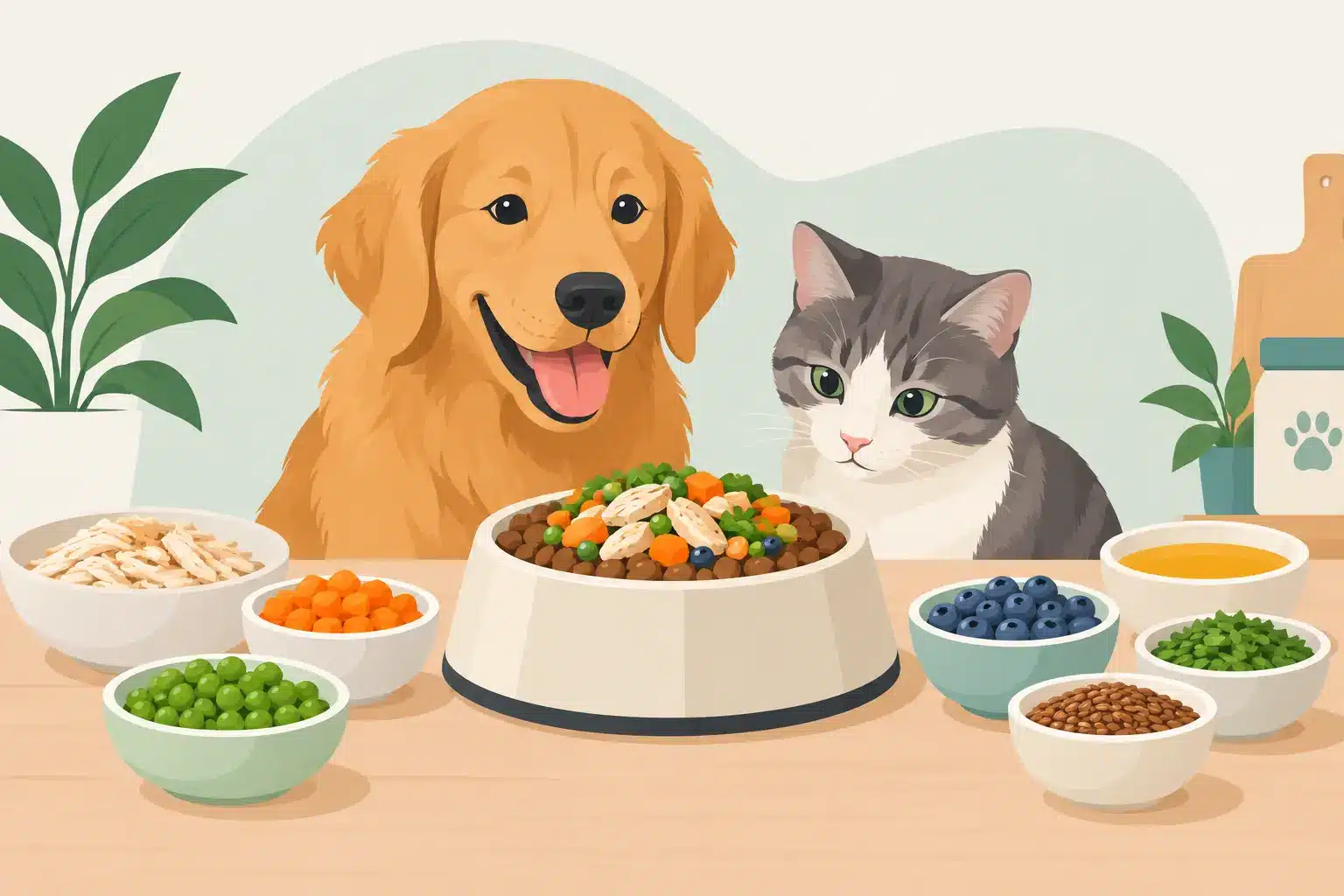
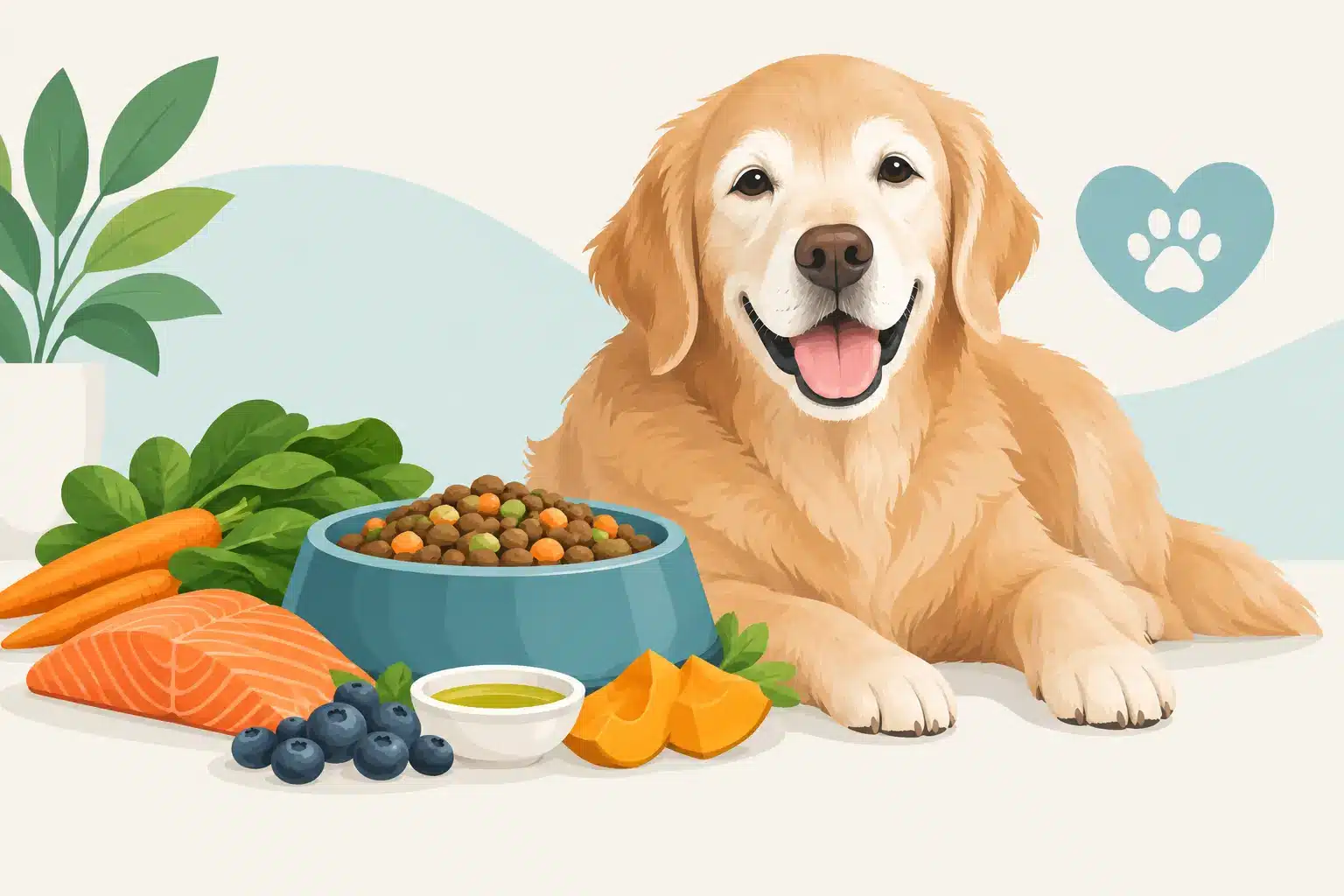
Recognizable ingredients can help pet parents understand what they are feeding. Chicken, salmon, duck, pumpkin, brown rice, and quinoa may each have a place in a thoughtfully designed recipe. Protein supports lean body condition and many functions throughout the body. Carbohydrate sources can provide energy, while fruits, vegetables, and fibers can contribute targeted nutritional value.
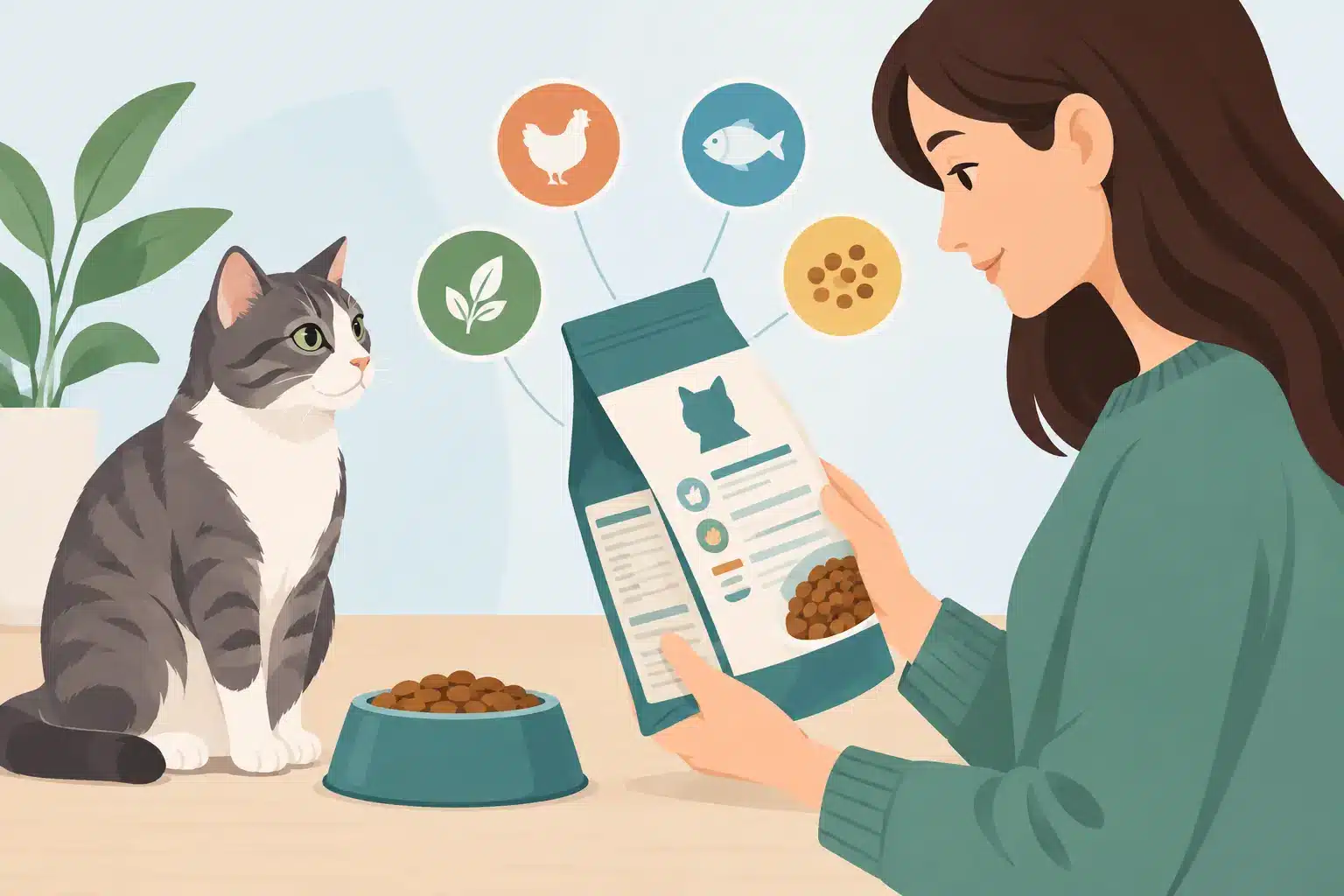
Still, an ingredient list cannot tell the full story. Two foods may both include chicken and pumpkin while differing greatly in protein quality, fat level, fiber balance, calories, nutrient completeness, and digestibility. Look for a statement that the food is complete and balanced for your dog or cat’s life stage, then consider the formula as a whole.
For pets with known food sensitivities, simplicity can be helpful. A limited ingredient approach may make it easier to identify potential triggers, but it is not inherently better for every pet. Grain-free formulas can be appropriate for some pets, while other dogs and cats do very well with carefully selected grains. The right choice depends on your pet’s medical history, tolerance, and nutritional needs – not a broad rule applied to every bowl.
How to Change Food Without Upsetting the Gut
Even an excellent new food can cause digestive discomfort if it is introduced too fast. The gut microbiome and digestive system need time to adapt to changes in ingredients and nutrient levels.
For most healthy pets, transition gradually over about seven to 10 days. Start by mixing a small portion of the new food with the current food, then increase the new food a little at a time while reducing the previous diet. If your pet has a history of sensitivity, a slower transition may be appropriate.
During the transition, keep other variables steady. Avoid introducing new treats, chews, supplements, and table food at the same time. This makes it much easier to understand what is affecting your pet if stools change. Fresh water should always be available, and feeding measured portions helps prevent overfeeding, which can also contribute to digestive upset.
If loose stools, vomiting, or reduced appetite continue, pause the transition and contact your veterinarian. A food change is not a test of endurance. Your pet’s comfort comes first.
Everyday Habits That Protect Digestive Wellness
The food bowl is central to digestive care, but daily routine matters too. Regular feeding times can help many pets maintain predictable digestion. Exercise supports overall wellness and can encourage healthy intestinal movement, while enrichment and a calm eating environment may reduce stress-related digestive disruption.
Treats count as part of the diet. For most pets, treats should remain a modest portion of daily calories so they do not crowd out the balanced nutrition in their main food. Choose treats with the same care you use for meals, especially for pets with sensitive digestion.
Food safety is another practical piece of gut health. Store food in a cool, dry place, use clean bowls, and follow package feeding and storage guidance. If you feed wet food or stews, refrigerate unused portions promptly. Small habits can help protect both food quality and your pet’s comfort.
When to Call the Veterinarian
Do not wait on persistent or severe digestive symptoms. Contact a veterinarian promptly if your pet has repeated vomiting, diarrhea lasting more than a day, black or bloody stool, a swollen or painful abdomen, refusal to eat, signs of dehydration, or unusual weakness. Puppies, kittens, senior pets, and pets with chronic conditions can become dehydrated or unwell more quickly.
Your veterinarian can help rule out medical causes and recommend an appropriate feeding plan. Bring details about your pet’s current food, treats, supplements, recent changes, and stool patterns. Clear information helps create a more useful next step.
The most helpful approach to gut health is steady, observant care: feed a complete and balanced formula, make changes gradually, keep routines consistent, and pay attention to the small signals your pet gives you. A comfortable digestive system can help your dog or cat spend more time doing what matters most – eating with enthusiasm, playing with energy, and sharing life by your side.

Leave A Comment
You must be logged in to post a comment.