

A pickup bag can tell you more about your dog’s well-being than most pet parents realize. Dog stool improvement is not about chasing a picture-perfect poop every day. It is about noticing a consistent pattern: stools that are formed, easy to pick up, and passed without straining can be a reassuring sign that food, fiber, hydration, and digestion are working together.
One loose stool after a new treat or an exciting day at the dog park may not be cause for alarm. Ongoing changes, however, deserve attention. Your dog’s stool is one of the clearest everyday signals of digestive health, and early observation can help you make thoughtful feeding decisions or know when it is time to call your veterinarian.
What Healthy Dog Stool Typically Looks Like
Healthy stool varies somewhat by dog, diet, and activity level, but most dogs should produce stool that is medium to dark brown, shaped like a log, moist but not wet, and easy to pick up. It should hold its form without being hard, dry, crumbly, or leaving a large smear behind.
Frequency matters, too. Many adult dogs poop once or twice a day, while puppies may go more often. What matters most is your dog’s normal routine. A sudden change in frequency, effort, or appearance can provide useful context, especially if it happens alongside reduced appetite, vomiting, low energy, or discomfort.
Color can offer clues, but it should always be interpreted carefully. Bright red streaks can indicate irritation near the lower digestive tract. Black, tarry stool can signal digested blood higher in the gastrointestinal tract. Yellow, gray, pale, or persistently green stool may also warrant a veterinary conversation. Some temporary color variation can occur after eating certain foods, but unusual color that continues should not be ignored.
Why Dog Stool Changes Happen
The digestive tract responds quickly to what goes into it and what is happening around it. A sudden food switch is one of the most common reasons stool becomes soft, gassy, or irregular. Even a high-quality food can upset a dog’s system if the transition happens too quickly, because the gut needs time to adapt to a new balance of protein, fat, fiber, and other nutrients.
Treats, table scraps, chews, scavenged food, and rich holiday meals can have the same effect. A small amount of something unfamiliar may be enough to cause loose stool in a sensitive dog. Stress also plays a role. Boarding, travel, visitors, changes in household routine, and a new pet can all affect the gut-brain connection and alter bowel movements.
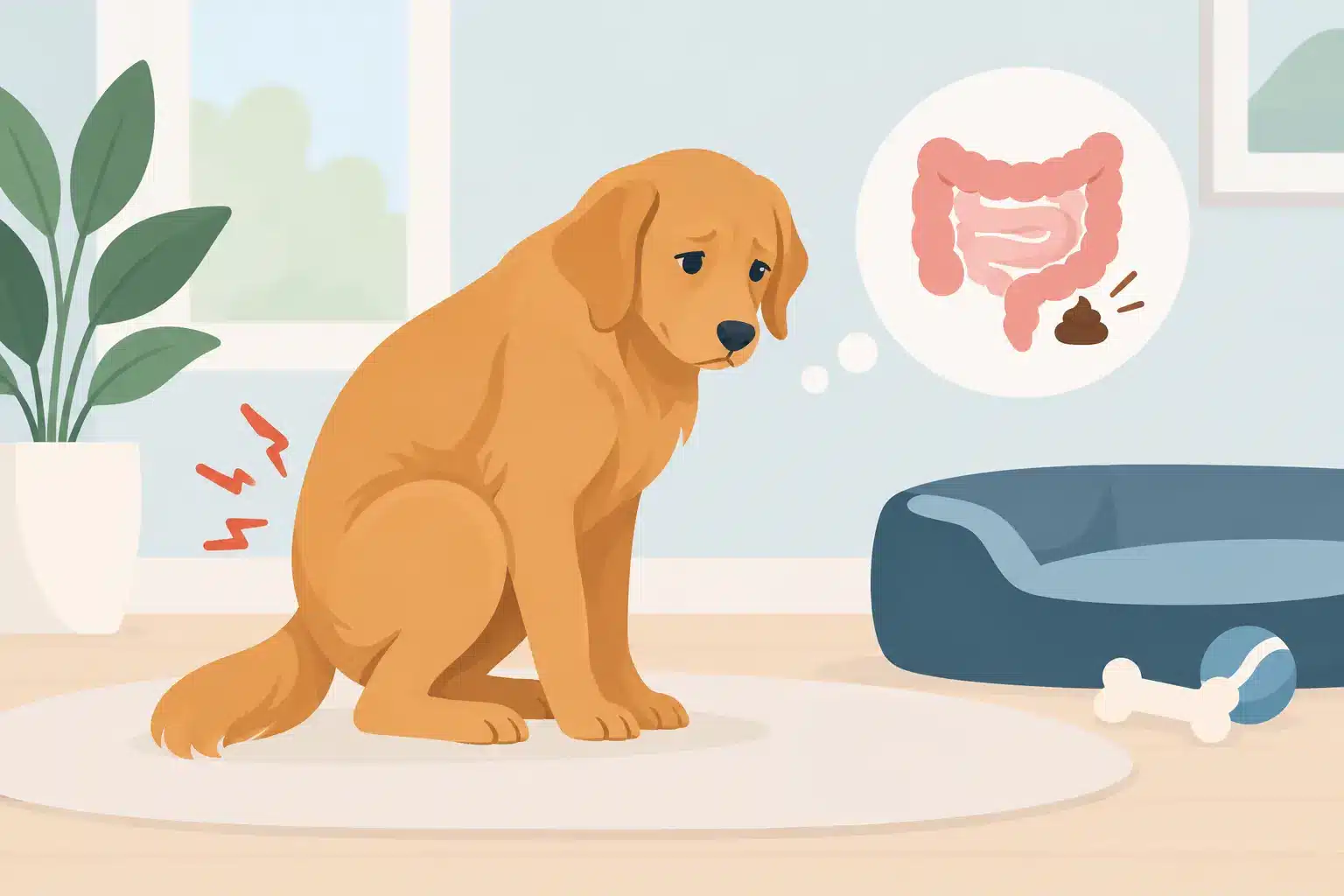
Other possible contributors include parasites, infections, food sensitivities, medication effects, pancreatitis, and underlying digestive conditions. That is why stool quality should be viewed as a wellness marker, not a diagnosis. Persistent symptoms need professional evaluation rather than guesswork.
Fiber Needs Balance, Not Extremes
Fiber is often discussed as if more is always better. For dogs, the goal is balance. The right amount and type of fiber can help support regular movement through the digestive tract and encourage well-formed stools. Too little fiber may contribute to irregularity for some dogs, while too much or an abrupt increase can lead to gas, bulky stools, or loose stool.
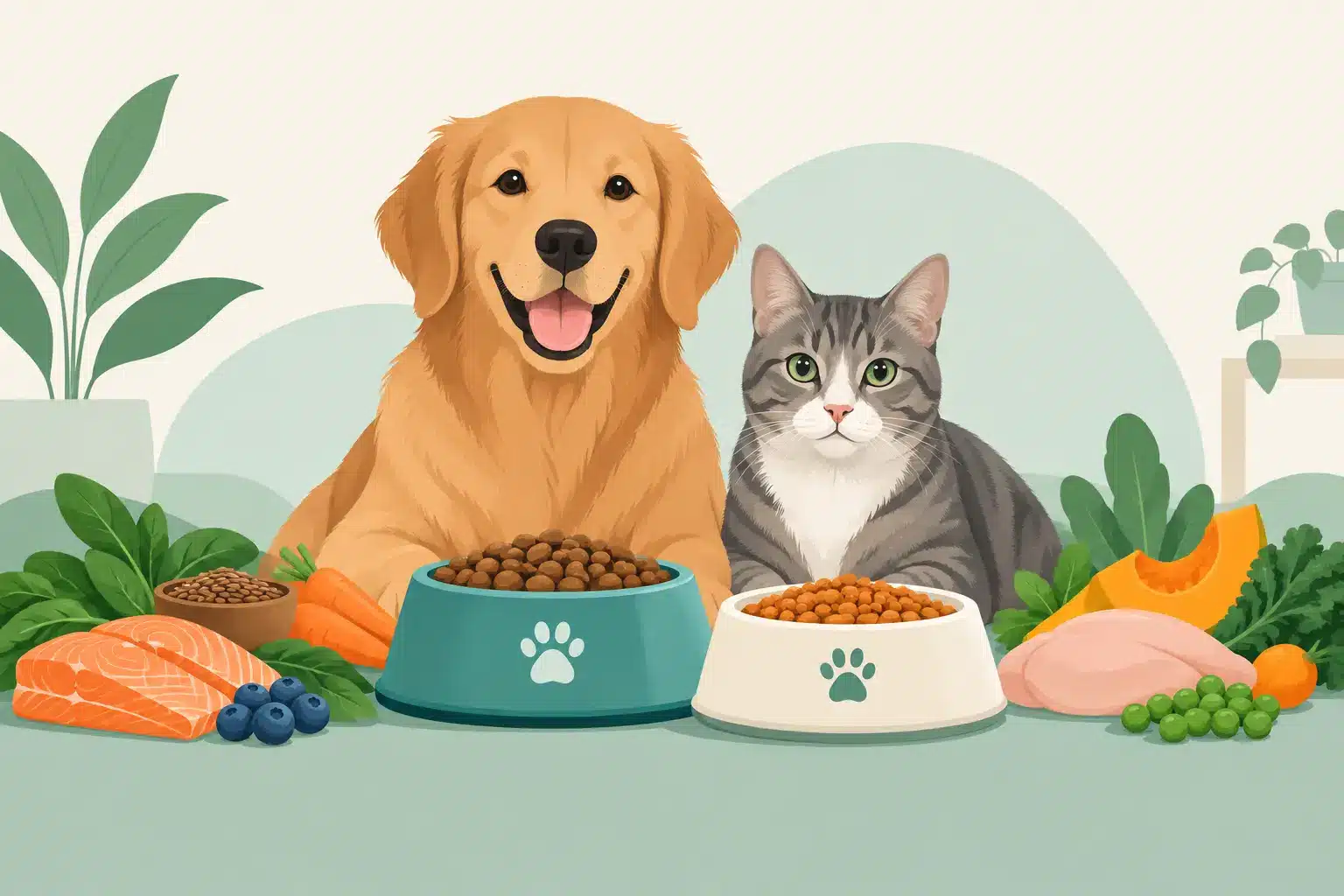
A complete and balanced diet formulated with purposeful fiber sources is generally a more reliable starting point than adding multiple supplements at once. Ingredients such as pumpkin, brown rice, quinoa, and other carefully selected sources may fit within a balanced nutritional approach, but the best choice depends on your dog’s age, size, health history, and individual tolerance.
Prebiotic fiber deserves special attention because it helps nourish beneficial gut bacteria. A healthy microbial community supports digestion and may contribute to whole-body wellness. Lucy Pet’s P.B.F. Prebiotic Balanced Fiber™ approach reflects this principle: digestive support works best when nutrition is designed around balance rather than a single trendy ingredient.
Practical Steps for Dog Stool Improvement
If your dog is otherwise acting normally and has a mild, short-lived stool change, start with the basics. First, review what has changed over the previous few days. That includes meals, treats, chews, medications, access to trash, travel, stress, and time spent around unfamiliar dogs.
Keep fresh water available at all times. Hydration supports normal digestion, while dehydration can make stool harder and more difficult to pass. Then simplify extras. Pause new treats and avoid table food while you observe whether your dog returns to normal on their regular, complete diet.
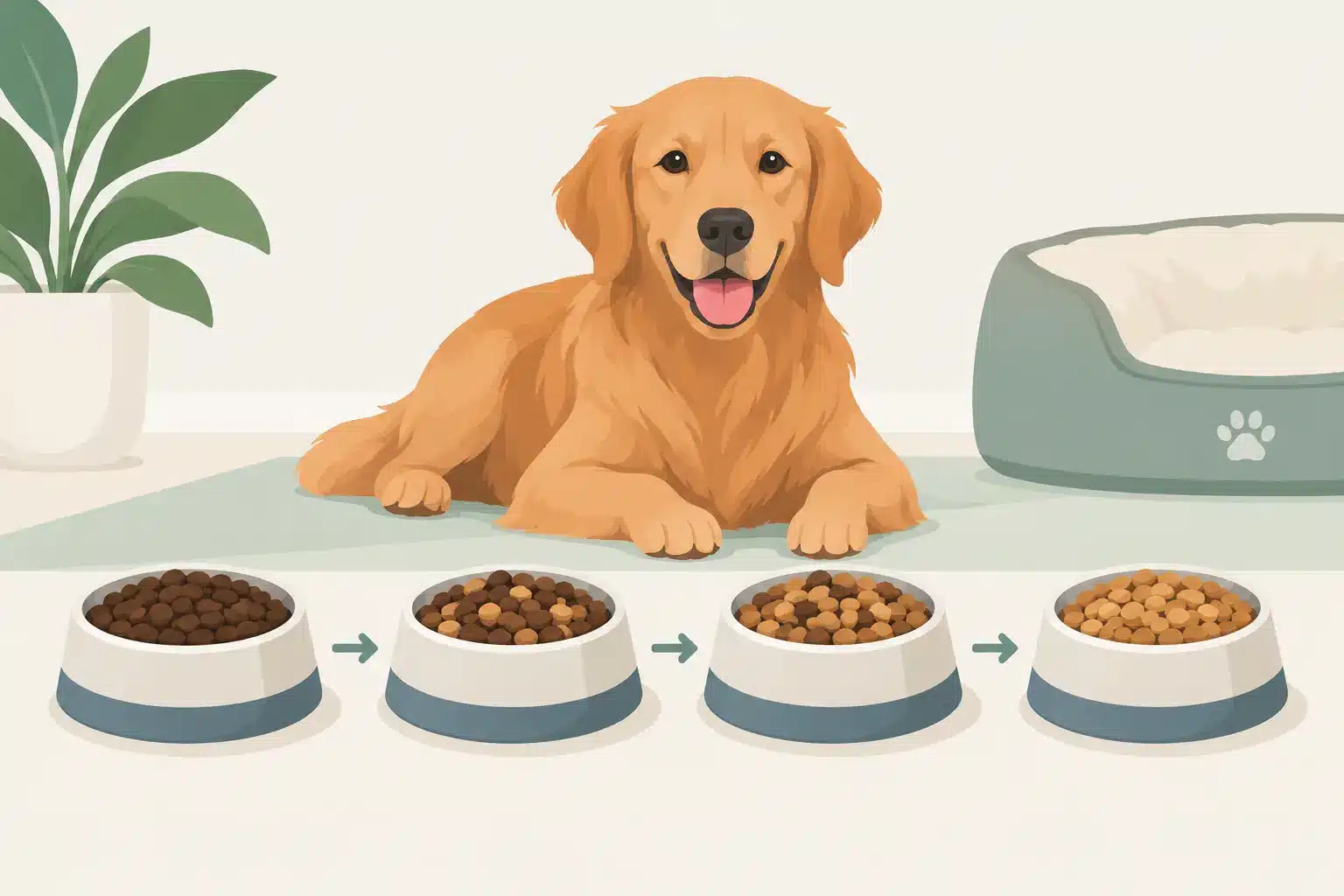
If you are changing foods, transition gradually over about seven to 10 days. Begin by mixing a small amount of the new food into the current food, then slowly increase the new food as your dog tolerates it. Dogs with sensitive digestion may benefit from an even slower transition. A gradual change gives the digestive system time to adjust and makes it easier to identify which food works well for your dog.
Consistency is often underrated. Feeding measured meals at reliable times, limiting rich extras, and choosing a formula that provides complete nutrition can be more helpful than frequently changing foods in search of a quick fix. Keep a simple note of stool appearance, feeding changes, and symptoms for several days. This record can be especially valuable if you need veterinary guidance.
Avoid Common Fixes That Can Backfire
When pet parents see loose stool, it is understandable to want an immediate solution. Yet stacking several new products, homemade additions, and supplements at once can make the situation harder to understand. It may also create a new digestive upset.
Do not give over-the-counter human medications unless your veterinarian specifically directs you to do so. Some can be unsafe for dogs or mask symptoms that need evaluation. Likewise, a bland diet may be appropriate in certain situations, but it is not a long-term replacement for complete nutrition and should be used with veterinary guidance, particularly for puppies, senior dogs, or dogs with medical conditions.
When Stool Changes Need a Veterinarian
A single soft stool in a happy, hydrated dog may resolve quickly. Diarrhea that lasts more than a day or two, recurs often, or becomes severe is different. Call your veterinarian promptly if your dog has repeated vomiting, blood in the stool, black or tarry stool, obvious pain, a swollen abdomen, weakness, loss of appetite, or signs of dehydration such as dry gums or unusual lethargy.
Puppies, seniors, very small dogs, and dogs with chronic health conditions can become dehydrated more quickly, so their symptoms deserve a lower threshold for concern. Contact your veterinarian immediately if a puppy has diarrhea, especially if vomiting or low energy is also present.
If possible, bring a fresh stool sample to your appointment in a clean container. Your veterinary team may recommend testing for parasites or other causes that cannot be identified simply by looking at the stool. This is one reason it is wise not to assume that every digestive change is food-related.
Support the Gut Every Day
The most meaningful improvements often come from steady habits, not dramatic interventions. Feed a complete and balanced food appropriate for your dog’s life stage, make dietary transitions slowly, use treats thoughtfully, maintain clean water access, and keep routine preventive veterinary care on schedule.
Your dog does not need identical stool every single day to be healthy. Look for a comfortable, predictable pattern and pay attention when that pattern changes. A few careful observations on your daily walk can help you care for your dog’s digestive health with the same confidence and compassion you bring to every bowl you serve.

Leave A Comment
You must be logged in to post a comment.