

A shiny coat and steady energy are wonderful to see, but they are only part of the picture. Pet nutrition shapes what happens beneath the surface too: digestion, stool quality, immune function, lean muscle maintenance, skin comfort, and the ability to enjoy everyday life. The best feeding plan is not about chasing the most fashionable ingredient. It is about choosing food that is complete, balanced, digestible, and appropriate for the individual pet in front of you.
What Pet Nutrition Really Means
Good nutrition begins with the nutrients a dog or cat needs, not a single ingredient that happens to sound healthy. Protein provides essential amino acids for muscles, organs, skin, and a healthy coat. Fats supply concentrated energy and fatty acids that support the skin and nervous system. Carbohydrates can provide usable energy and fiber, while vitamins and minerals help regulate countless functions throughout the body.
The balance matters as much as the ingredients themselves. A food made with chicken, salmon, pumpkin, brown rice, or quinoa may sound appealing, but it should also be formulated to provide the right nutrient levels in the right proportions. Look for a clear nutritional adequacy statement showing that the food is complete and balanced for your pet’s life stage, whether that is growth, adult maintenance, or all life stages.
Dogs and cats also have different nutritional needs. Cats are obligate carnivores and require nutrients such as taurine that must be supplied through their diet. Dogs are more nutritionally adaptable, but that does not mean every dog thrives on the same recipe. Age, size, activity level, health history, and digestive sensitivity all influence what a good choice looks like.
Why Digestive Health Belongs at the Center
Food only helps when your pet can digest and use its nutrients effectively. That is why a healthy gastrointestinal system should be central to any conversation about pet nutrition. Frequent loose stools, inconsistent stool volume, gas, vomiting, reluctance to eat, or excessive scratching can have many causes, but diet is often one part of the equation worth examining with your veterinarian.
Fiber is particularly valuable because it supports normal digestive function in more than one way. Some fibers help add bulk and retain water in the stool. Others can serve as fuel for beneficial microbes in the gut. The goal is balance. Too little fiber may not provide enough support for regularity, while too much or the wrong kind can contribute to bulky stools or digestive upset in some pets.
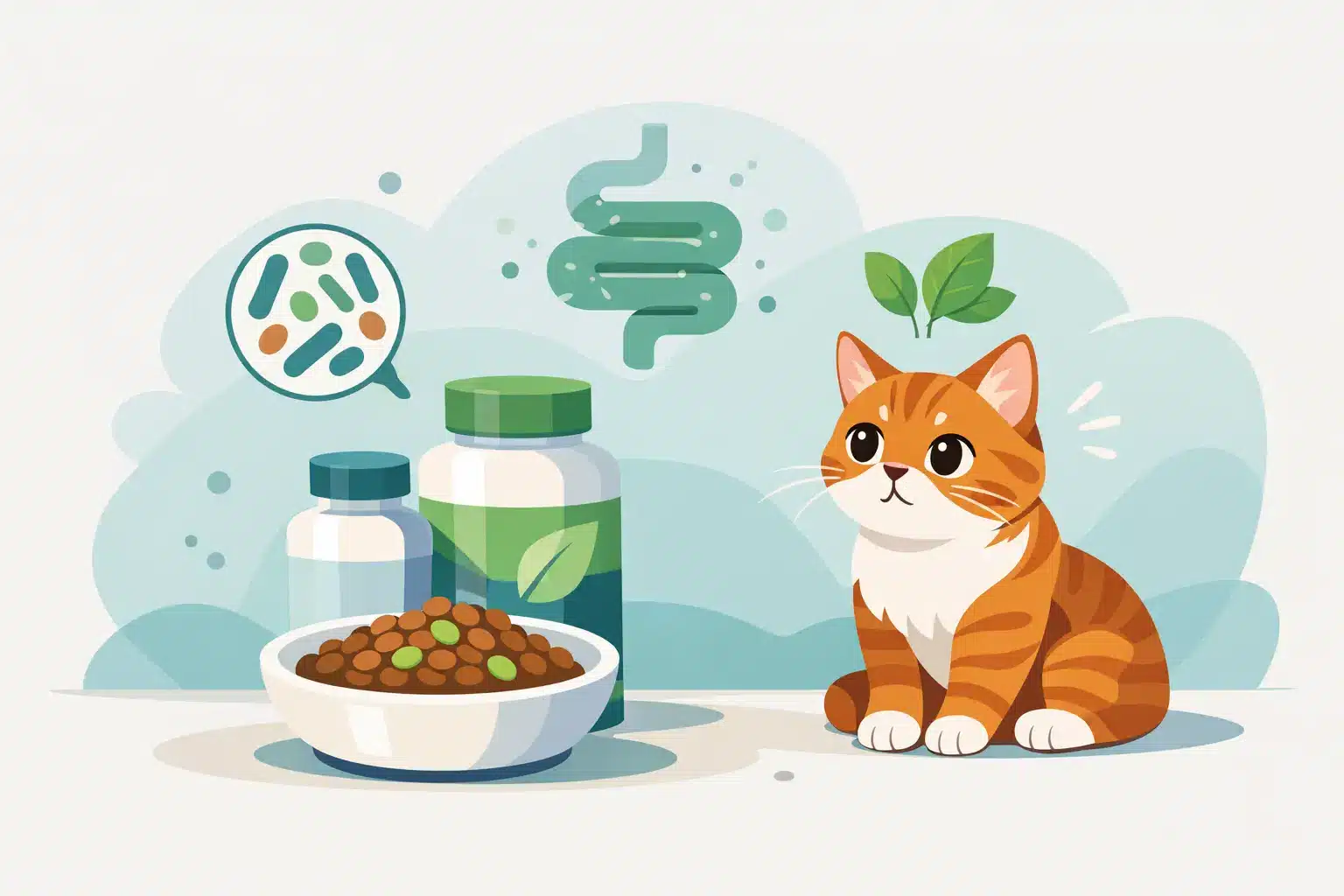
Prebiotic fiber deserves attention because it helps nourish beneficial gut bacteria. A well-supported microbiome can contribute to digestive comfort and may play a role in broader wellness, including immune health. Lucy Pet’s P.B.F. Prebiotic Balanced Fiber™ approach reflects this principle: dietary fiber should be chosen and balanced with the whole formula in mind, not added as an afterthought.
Read the Label With Purpose
A pet food label can feel technical, but a few details offer meaningful guidance. Start with the nutritional adequacy statement, then consider the feeding directions, calorie content, ingredient list, and the guaranteed analysis. Each tells a different part of the story.
The ingredient list is useful for identifying protein sources and recognizing ingredients your pet has previously tolerated well. Still, it does not reveal the complete nutritional quality of a food on its own. Ingredients are listed by weight before cooking, and a long list is not automatically better than a focused one. What matters is the finished formula’s nutritional completeness, ingredient quality, digestibility, and fit for your pet.
Guaranteed analysis lists minimum protein and fat and maximum fiber and moisture. It is a starting point rather than a full comparison tool, especially when comparing dry food with canned stews or other high-moisture foods. Moisture changes the numbers on the label. If you are comparing products with very different moisture levels, ask your veterinarian or the manufacturer for help understanding the nutrient content on a dry-matter basis.
Calories matter, too. Even a high-quality food can contribute to unwanted weight gain when portions exceed a pet’s needs. Use the package guide as a starting point, then adjust based on body condition, activity, treats, and your veterinarian’s recommendations.
Choosing a Formula for Your Pet’s Life
Puppies and kittens need more energy and specific nutrient levels to support rapid growth. Adult pets generally need a formula that helps maintain a healthy body condition without excess calories. Senior pets are not all alike. Some remain highly active, while others need a different calorie intake or veterinary nutrition support for age-related health concerns.
Lifestyle also matters. A working or highly active dog may need more calories and carefully balanced nutrition to sustain demanding activity. A relaxed indoor cat may benefit from measured meals and a routine that supports a healthy weight. Pets with sensitive digestion may do well with a recipe built around familiar, digestible ingredients and thoughtfully balanced fiber.
Grain-free, grain-inclusive, vegetarian, and limited-ingredient choices each have a place for some pets, but none is universally superior. Whole grains can offer carbohydrates, fiber, and nutrients for pets that tolerate them well. Grain-free options may suit certain preferences or individual needs, but they should still be complete and balanced. A vegetarian dog food should be professionally formulated to meet canine nutrient requirements. For cats, dietary decisions require added care because of their uniquely strict nutritional needs.
Avoid making major food choices based solely on internet trends or a single anecdote. If your pet has a diagnosed medical condition, recurring digestive signs, or a history of adverse food reactions, your veterinarian can help determine whether a therapeutic diet, a controlled food trial, or a different feeding strategy is appropriate.
Make Food Changes Slowly
Even a thoughtful upgrade can upset a pet’s stomach when introduced too quickly. Give the digestive system time to adjust by transitioning gradually over about seven to 10 days. Begin with mostly current food and a small amount of the new formula, then slowly increase the new food as long as your pet is comfortable.
A slower transition may be helpful for pets with sensitive stomachs. Watch the practical signals: appetite, energy, stool consistency, stool frequency, gas, skin comfort, and overall behavior. Temporary changes can occur during a transition, but persistent vomiting, diarrhea, refusal to eat, or lethargy should prompt a call to your veterinarian.
Keep the rest of the routine as steady as possible while evaluating a new diet. Introducing new treats, table scraps, chews, and food toppers at the same time makes it difficult to tell what is helping or causing discomfort. Treats count toward daily calories, so use them intentionally rather than letting them quietly replace balanced meals.
Feeding Habits That Support Better Health
Consistency is underrated. Measured portions, regular meal times, fresh water, clean bowls, and proper food storage all help support a reliable feeding routine. Measuring meals is more accurate than estimating with a scoop, particularly for small pets or pets working toward a healthier weight.
Body condition is one of the most useful tools a pet parent has. You should generally be able to feel your pet’s ribs with light pressure, see a waist from above, and notice an abdominal tuck from the side. Breed and coat type can make visual assessment harder, so regular veterinary checkups remain valuable.
Finally, give nutrition time to work. A new food is not a quick fix for every skin, coat, or digestive concern, and a pet’s needs can change over time. Observe your pet closely, make adjustments thoughtfully, and rely on veterinary guidance when symptoms persist. The most meaningful feeding plan is the one that helps your pet feel comfortable, energetic, well-nourished, and ready for more good days by your side.





Leave A Comment
You must be logged in to post a comment.