

A dog’s immune system does not work in isolation. It depends on the nutrients absorbed from each meal, the health of the digestive tract, and a daily diet that meets your dog’s needs consistently. Foods that support dog immunity are not magic fixes for illness, but the right nutritional foundation can help support normal immune function, healthy skin, energy, and overall resilience.
For most dogs, the best place to start is not a cabinet full of supplements. It is a complete and balanced food made with digestible proteins, beneficial fats, fiber, vitamins, and minerals in appropriate amounts. Thoughtful whole-food ingredients can add value, too, especially when they are used safely and fit your dog’s individual diet.
Why Digestive Health Matters for Immune Support
Much of the body’s immune activity is connected to the gastrointestinal tract. The gut is home to a diverse community of microorganisms that interacts with the intestinal lining and the body’s normal immune defenses. When digestion is supported by appropriate fiber and highly digestible nutrition, your dog is better positioned to absorb the nutrients needed for everyday wellness.
That does not mean every dog needs the same ingredients. A highly active adult dog, a senior dog with a sensitive stomach, and a growing puppy may have very different calorie and nutrient requirements. Food sensitivities, medical conditions, and prescribed diets also change the conversation. The goal is a diet that is complete, balanced, digestible, and appropriate for the individual dog.
10 Foods That Support Dog Immunity
1. Salmon and other oily fish
Salmon provides high-quality protein along with omega-3 fatty acids. These fats help support healthy skin and a glossy coat, while also playing a role in normal inflammatory processes throughout the body. Fish should be thoroughly cooked, plain, and free of bones when offered as a topper. Avoid seasoned fish, smoked fish, and recipes prepared with onion, garlic, or heavy sauces.
For dogs who do not tolerate fish well, a complete diet that uses another animal protein may be a better choice. A nutrient-rich ingredient is only helpful if your dog can digest it comfortably.
2. Chicken
Chicken is a familiar, digestible protein source for many dogs. Protein supplies amino acids needed to maintain tissues, produce enzymes, and support many normal functions, including immune health. Plain, cooked chicken can be an occasional addition to a balanced meal, but it should not replace a complete dog food.
Some dogs are sensitive to chicken, so watch for recurring itching, digestive upset, or other concerns after eating it. Those signs do not automatically confirm a food allergy, but they are worth discussing with your veterinarian.
3. Eggs
Eggs offer highly digestible protein and nutrients such as selenium, riboflavin, and vitamin B12. They can be a practical topper for dogs that tolerate them, provided they are fully cooked and served without salt, butter, oil, or seasoning.
One egg can be a meaningful calorie addition for a small dog. Size the portion to your dog, and reduce other calories if needed to avoid gradual weight gain. Maintaining a healthy body condition is itself an important part of whole-body wellness.
4. Pumpkin
Plain pumpkin is valued for its fiber content. Dietary fiber can help support regular digestion and provide nourishment for beneficial gut microorganisms. Pumpkin also contains carotenoids, which are plant compounds that the body can use in normal cellular processes.
Choose plain canned pumpkin or cooked fresh pumpkin, never sweetened pie filling. Because too much fiber can loosen stools or create digestive discomfort, start with a small amount. A teaspoon may be enough for a small dog, while a larger dog may tolerate more.
5. Blueberries
Blueberries contain naturally occurring antioxidants, including anthocyanins, as well as fiber and vitamins. A few fresh or frozen blueberries make a simple, low-calorie training reward for many dogs. Serve them plain and in bite-size portions, particularly for smaller dogs.
Antioxidant-rich foods can complement a balanced diet, but they are not a substitute for professional care when a dog is sick. Persistent fatigue, coughing, vomiting, diarrhea, unexplained weight loss, or recurring infections call for a veterinary evaluation.
6. Carrots
Carrots offer beta-carotene, fiber, and a satisfying crunch. Beta-carotene is a precursor to vitamin A, a nutrient involved in normal vision, skin health, and immune function. Raw carrot pieces can work as a crisp snack for some dogs, while lightly cooked carrots may be easier for others to digest.
Cut carrots into safe sizes for your dog and supervise chewing. Large, hard pieces can be a choking risk, especially for enthusiastic eaters.
7. Sweet potatoes
Cooked, plain sweet potatoes provide fiber and carotenoids. Their naturally sweet flavor makes them appealing to many dogs, but they are calorie-dense compared with non-starchy vegetables. Small portions are usually plenty.
Never serve raw sweet potato, and skip marshmallows, brown sugar, butter, and spices. Dogs with diabetes, pancreatitis, or a veterinarian-directed diet should only receive new toppers with professional guidance.
8. Broccoli
Broccoli contains fiber, vitamin C, and a range of beneficial plant compounds. In small amounts, steamed plain broccoli can be a reasonable occasional treat. However, large servings can cause gas and digestive discomfort, so moderation matters.
The florets are generally easier to portion than thick stalks. If your dog has a history of sensitive digestion, introduce cruciferous vegetables slowly or choose a gentler topper such as pumpkin instead.
9. Plain Greek yogurt or kefir
Unsweetened plain yogurt and kefir may contain live cultures that can complement digestive wellness for some dogs. They also provide protein and calcium. However, dairy is not right for every dog. Lactose intolerance can lead to gas, loose stool, or discomfort.
Read labels closely. Products sweetened with xylitol are dangerous for dogs, and flavored varieties often contain unnecessary sugar. A small spoonful is enough to test tolerance, and dogs with food allergies or digestive disease should follow their veterinarian’s recommendations.
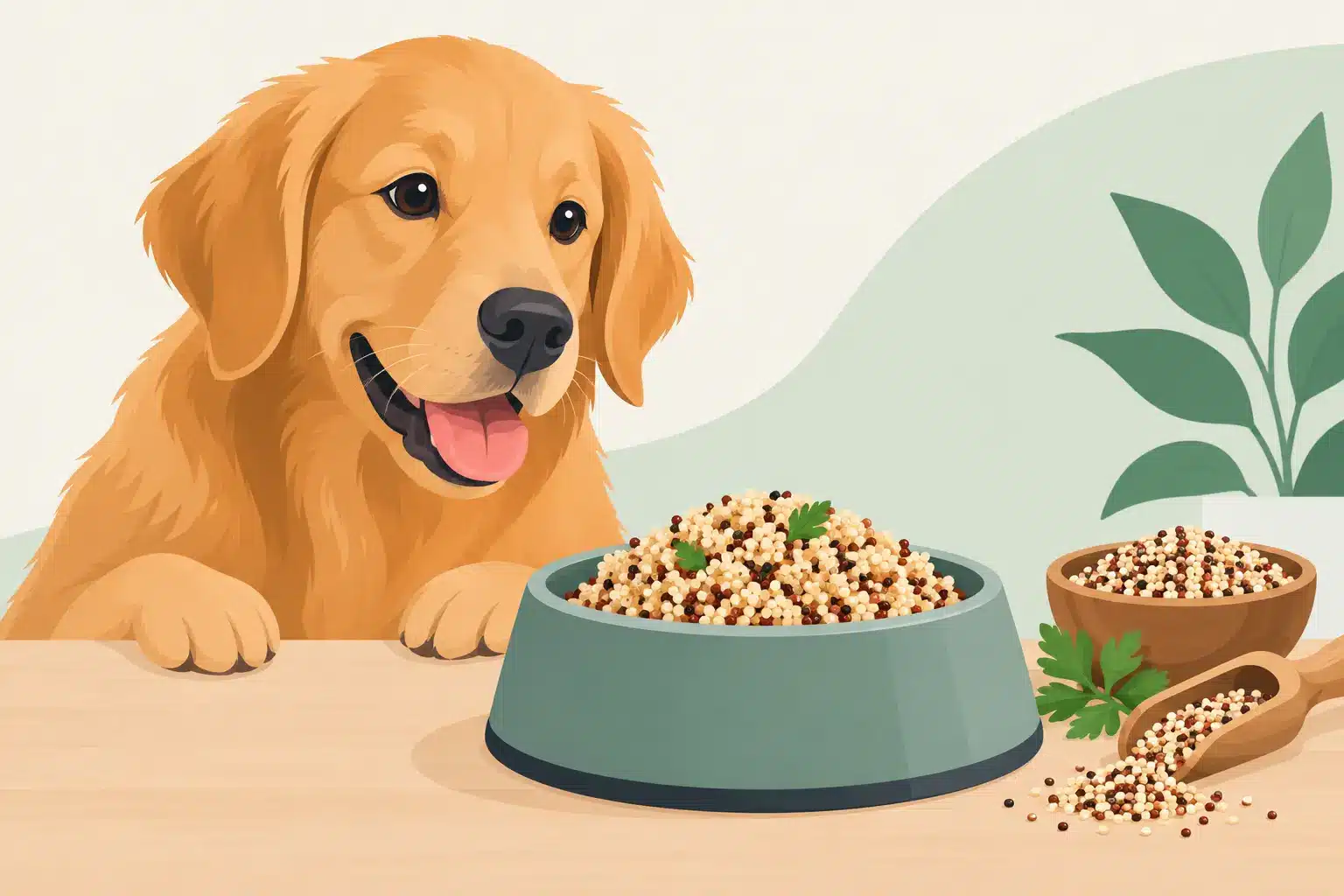
10. Brown rice and quinoa
Whole grains and grain-like ingredients such as brown rice and quinoa can provide digestible carbohydrates, fiber, and trace nutrients in properly formulated foods. Contrary to a common misconception, grains are not inherently harmful to dogs. Many dogs do well with grain-inclusive diets, while others may need a different formulation based on individual tolerance or medical needs.
What matters most is the overall recipe. A food should provide appropriate protein, fat, vitamins, minerals, and fiber rather than relying on any one ingredient to carry the nutritional load.
Build Immune-Supportive Meals Safely
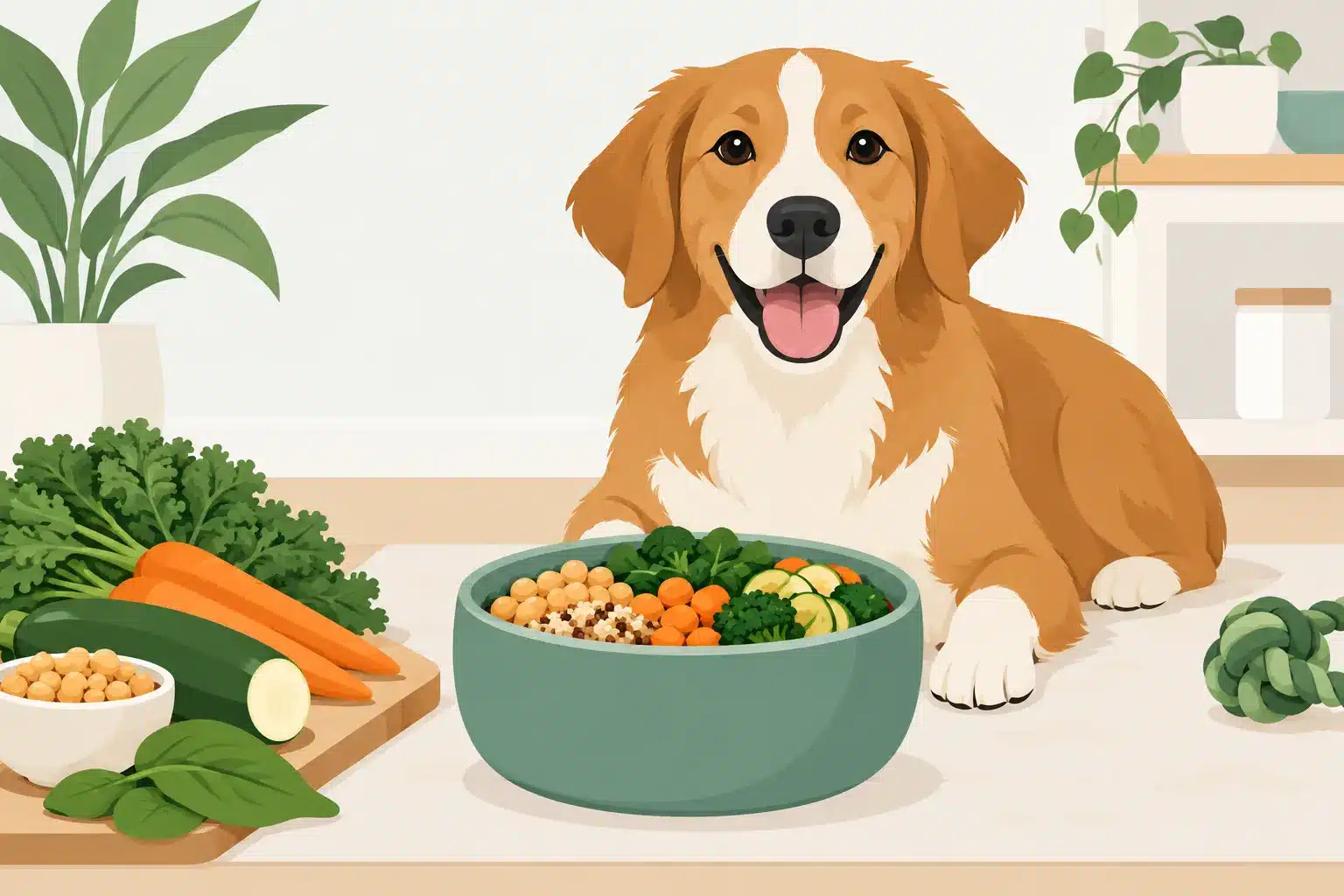
A complete and balanced dog food should supply the vast majority of your dog’s daily calories. Treats, toppers, and homemade additions are best kept modest – generally no more than 10 percent of daily calories unless a veterinarian or board-certified veterinary nutritionist has formulated the full plan.
That guideline protects the nutritional balance of the main diet. A bowl that starts out complete can become diluted if it is regularly loaded with chicken, rice, vegetables, eggs, and other extras. Small dogs are especially easy to overfeed because even a few bites can represent a large share of their daily energy needs.
When trying a new food, introduce only one ingredient at a time and begin with a small portion. Monitor stool quality, appetite, skin, ears, and overall comfort for several days. A gradual approach makes it easier to identify whether an ingredient suits your dog.
Lucy Pet Formulas for Life® are designed around digestive wellness, including P.B.F. Prebiotic Balanced Fiber™, because gut health deserves to be part of the immune-support conversation. A consistent, nutritionally complete feeding routine gives beneficial ingredients the right framework to do their job.
Foods to Keep Out of the Bowl
Some human foods can be dangerous even when they seem wholesome. Grapes and raisins, onions, garlic, chocolate, macadamia nuts, alcohol, yeast dough, and products containing xylitol should never be fed to dogs. Fatty table scraps can also trigger digestive upset and may be particularly risky for dogs prone to pancreatitis.
Do not assume a food is safe because it is natural. Preparation, portion size, your dog’s health history, and ingredients hidden in sauces or seasonings all matter.
When Food Is Not the Whole Answer
Nutrition supports normal immune function, but it cannot diagnose or treat disease. Puppies, senior dogs, dogs taking medication, and dogs with chronic conditions may need more tailored support. If your dog has frequent infections, poor appetite, persistent gastrointestinal signs, or sudden changes in behavior or energy, contact your veterinarian promptly.
The most helpful bowl is rarely the most complicated one. Choose a complete food your dog thrives on, add safe whole-food variety only when it fits, and let steady nutrition support the happy, active life you share.



Leave A Comment
You must be logged in to post a comment.