

A cat who seems a little off often shows it in small ways first – less interest in food, more hiding, a duller coat, or slower recovery from everyday stress. If you are wondering how to support cat immunity, the answer usually starts long before your cat appears sick. Immune health is built day by day through nutrition, digestive balance, hydration, environment, and preventive care.
The immune system is not a single switch you turn on with one supplement or one “superfood.” It is a complex network that relies on the body having the right building blocks and the right conditions to function well. For cats, that means looking at the whole picture rather than chasing quick fixes.
How to support cat immunity starts with daily nutrition
Food does more than satisfy hunger. It provides the amino acids, fatty acids, vitamins, minerals, and antioxidants a cat needs to maintain normal immune function. Because cats are obligate carnivores, high-quality animal protein matters. Protein supports tissue repair, helps maintain lean body mass, and provides essential nutrients the immune system depends on.
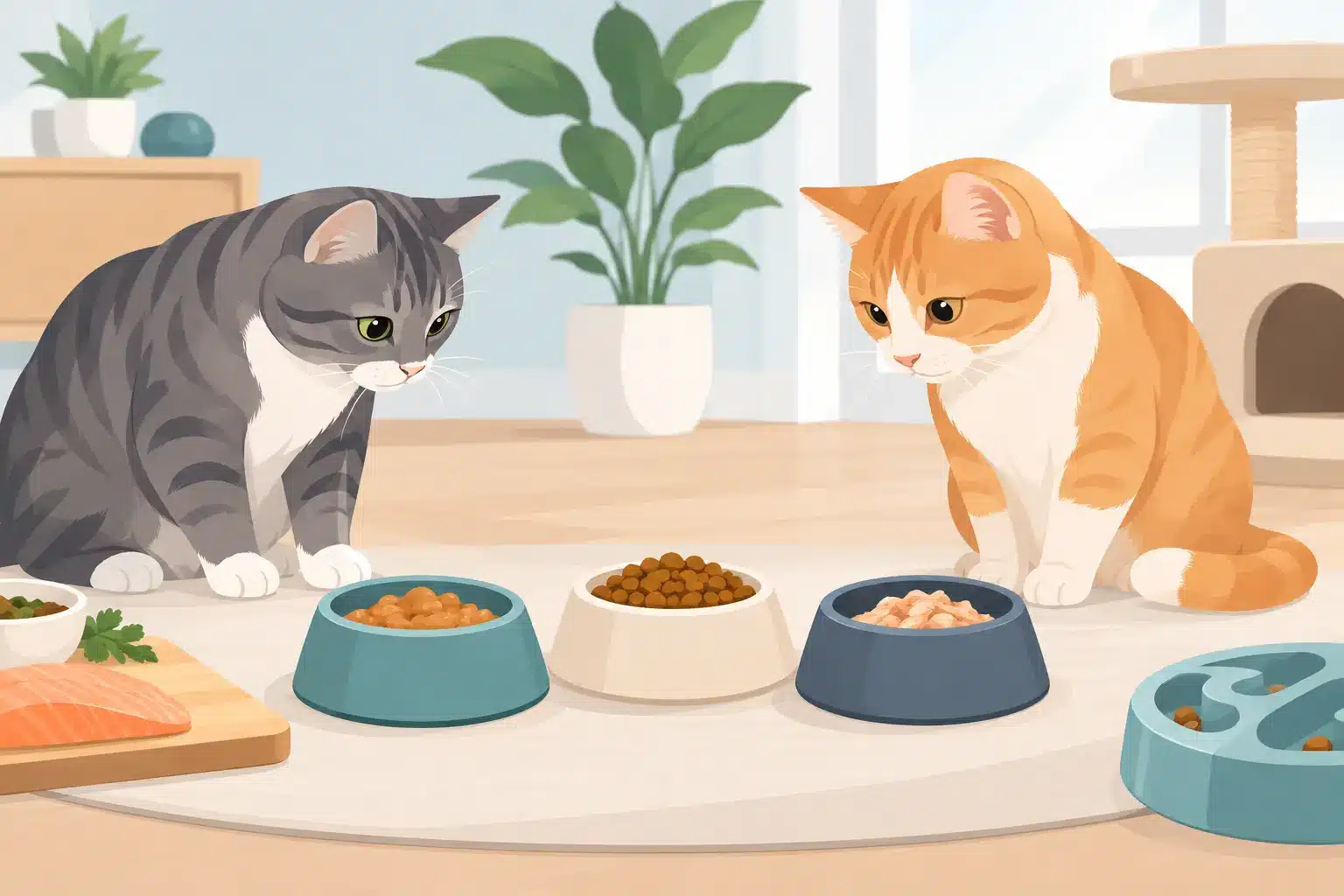
A balanced diet is more valuable than adding random toppers or treats with health claims. Cats need consistent nutrition in the right proportions. Too many extras can throw off that balance, especially if they replace a complete and balanced food. It is easy to assume more is better, but excess supplementation can work against overall health.
Ingredient quality also matters. Recognizable ingredients and thoughtfully formulated recipes can help pet parents feel more confident about what is going into the bowl. When a formula supports both digestion and whole-body wellness, it can be especially helpful because the gut and immune system are closely connected.
Why gut health matters so much for immunity
A large part of immune activity is connected to the digestive tract. That is one reason stool quality, appetite, and digestive comfort tell you so much about a cat’s broader health. When the gut is functioning well, the body is better positioned to absorb nutrients and maintain healthy immune defenses.
Fiber plays an important role here, but balance is the key. Too little fiber may not support digestive regularity, while too much or the wrong type may not suit every cat. Prebiotics can also help nourish beneficial gut bacteria, which supports digestive wellness and, in turn, immune function. This gut-health-first approach is one reason many pet parents look for diets designed around digestive support rather than focusing only on one isolated benefit.
That does not mean every cat needs the same formula. Age, activity level, sensitivities, and medical history all influence what works best. A cat with a sensitive stomach may benefit from a different nutritional profile than a healthy young adult with no digestive concerns.
Protein, fats, and micronutrients all play a role
When people think about immune support, they often focus only on vitamins. In reality, immune health depends on a wider nutritional foundation. Protein is essential, but healthy fats matter too, including omega fatty acids that support skin health and the protective barrier function of the body. A healthy skin and coat condition is not just cosmetic – it is part of your cat’s first line of defense.
Micronutrients such as vitamins A, C, and E, along with minerals like zinc and selenium, also help support normal immune function. These nutrients are best delivered through a complete and balanced diet formulated for cats, rather than piecemeal additions that may duplicate what is already in the food.
Hydration is an overlooked part of immune support
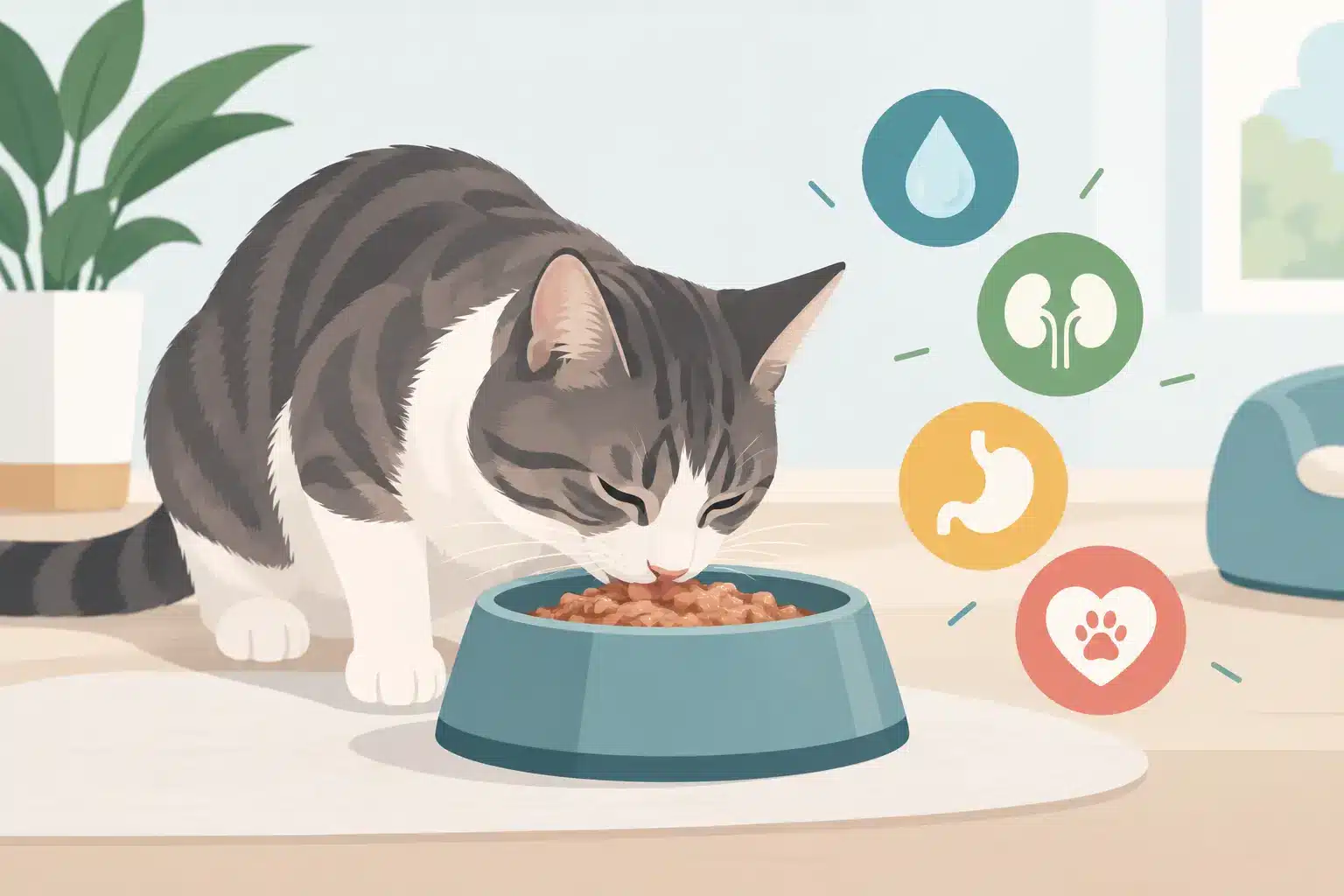
Cats are known for not always drinking enough water, especially if they eat mostly dry food and are not naturally drawn to the water bowl. Hydration supports circulation, organ function, and overall metabolic health. When a cat is properly hydrated, the body is better able to carry out everyday functions that support resilience and recovery.
You can encourage hydration in simple ways. Fresh water in clean bowls, multiple water stations, cat fountains, and moisture-rich food options can all help. Some cats prefer wide bowls, running water, or water placed away from the litter box and food dish. Small changes in setup can make a meaningful difference.
If your cat suddenly drinks much more or much less than usual, that is not something to guess about. Changes in water intake can signal an underlying health issue that needs veterinary attention.
Stress affects the immune system more than many owners realize
Cats thrive on predictability. A change in schedule, a houseguest, a move, loud noise, or conflict with another pet can all create stress that affects appetite, digestion, sleep, grooming, and immune function. In some cats, stress can be subtle. They may simply become quieter, pickier about food, or spend more time alone.
Supporting immune health means supporting emotional comfort too. Safe hiding spaces, vertical territory, clean litter boxes, a steady feeding routine, and gentle interactive play all help reduce chronic stress. If your cat is anxious, the environment may need attention before any food change makes a noticeable difference.
This is also where routine matters. Cats generally do better when meals, play, and sleep happen on a predictable schedule. Stability helps the body stay in balance.
Weight and activity influence immune resilience
An overweight cat is not just carrying extra pounds. Excess body fat can contribute to inflammation and may increase the risk of other health problems over time. On the other end, unexplained weight loss can also be a red flag that the body is under strain.
Maintaining a healthy body condition is one of the most practical ways to support long-term wellness. Portion control, measured feeding, and appropriate calorie intake matter just as much as ingredient quality. Even premium food needs to be fed in the right amount.
Daily movement helps too. Interactive toys, short play sessions, climbing opportunities, and food puzzles can encourage activity and mental engagement. Exercise supports circulation, muscle tone, weight management, and stress reduction, all of which contribute to overall health.
Preventive care is part of how to support cat immunity
Even the best nutrition plan cannot replace routine veterinary care. Preventive visits help identify issues early, before they become bigger immune challenges. Your veterinarian can evaluate body condition, dental health, vaccine needs, parasite prevention, and any subtle changes in behavior or appetite.
Dental health is especially easy to overlook. Oral inflammation and infection can place a burden on the body and affect eating habits. A cat who is not chewing comfortably may eat less, lose weight, or avoid certain textures. Supporting immune health includes making sure your cat can eat comfortably and consistently.
Vaccination is another area where balance matters. Core vaccines are an important part of preventive health, but the right schedule depends on your cat’s age, lifestyle, and risk factors. Indoor cats still need veterinary guidance, even if their exposure risk is lower.
When supplements may help – and when they may not
Supplements can sound appealing, especially products marketed for immunity, but they are not automatically necessary. If your cat is already eating a complete and balanced diet and doing well, adding multiple supplements may offer little benefit. In some cases, they may upset digestion or create nutrient overlap.
There are situations where a veterinarian may recommend targeted support, especially for senior cats, cats recovering from illness, or those with specific health concerns. The key is to use supplements with a clear purpose, not just because the label sounds promising.
That same cautious mindset applies to home remedies. Cats have unique metabolic needs, and some ingredients that seem harmless to humans are not appropriate for felines.
Signs your cat may need extra support
Immune health is not something you can measure by one symptom alone, but patterns matter. Frequent digestive upset, poor coat quality, low energy, recurring skin issues, slow recovery from stress, and changes in appetite can all signal that your cat’s wellness plan needs a closer look.
Sometimes the solution is straightforward, like improving diet consistency or increasing moisture intake. Other times, a deeper issue such as dental disease, parasites, food intolerance, or an underlying medical condition is involved. That is why observation matters so much. Pet parents often notice the first subtle changes before a problem becomes obvious.
If you are reevaluating your cat’s diet, focus on complete nutrition, digestive support, and ingredient quality rather than chasing the latest trend. For many households, a science-informed approach that considers gut health, balanced fiber, and whole-body wellness offers a more reliable path than isolated add-ons.
A strong immune system is rarely built by one dramatic change. It is shaped by what your cat eats every day, how well those nutrients are digested, how much water they take in, how safe and calm they feel at home, and whether small health issues are caught early. Brands such as Lucy Pet Products have helped spotlight this connection between digestive wellness and immunity, but the larger principle is simple: when you support the whole cat, the immune system has a better chance to do its job well.
The most helpful next step is usually not doing more. It is doing the basics more intentionally, one bowl, one routine, and one healthy habit at a time.



Leave A Comment
You must be logged in to post a comment.