

Loose stools at pickup time. Gurgling after meals. A dog that seems eager to eat, but never quite settles comfortably afterward. When pet parents start searching for the best dog food for digestion, they are usually trying to solve a real daily problem, not chase a trend. And while plenty of foods claim to support sensitive stomachs, digestive health is more than choosing a bag with the right words on the label.
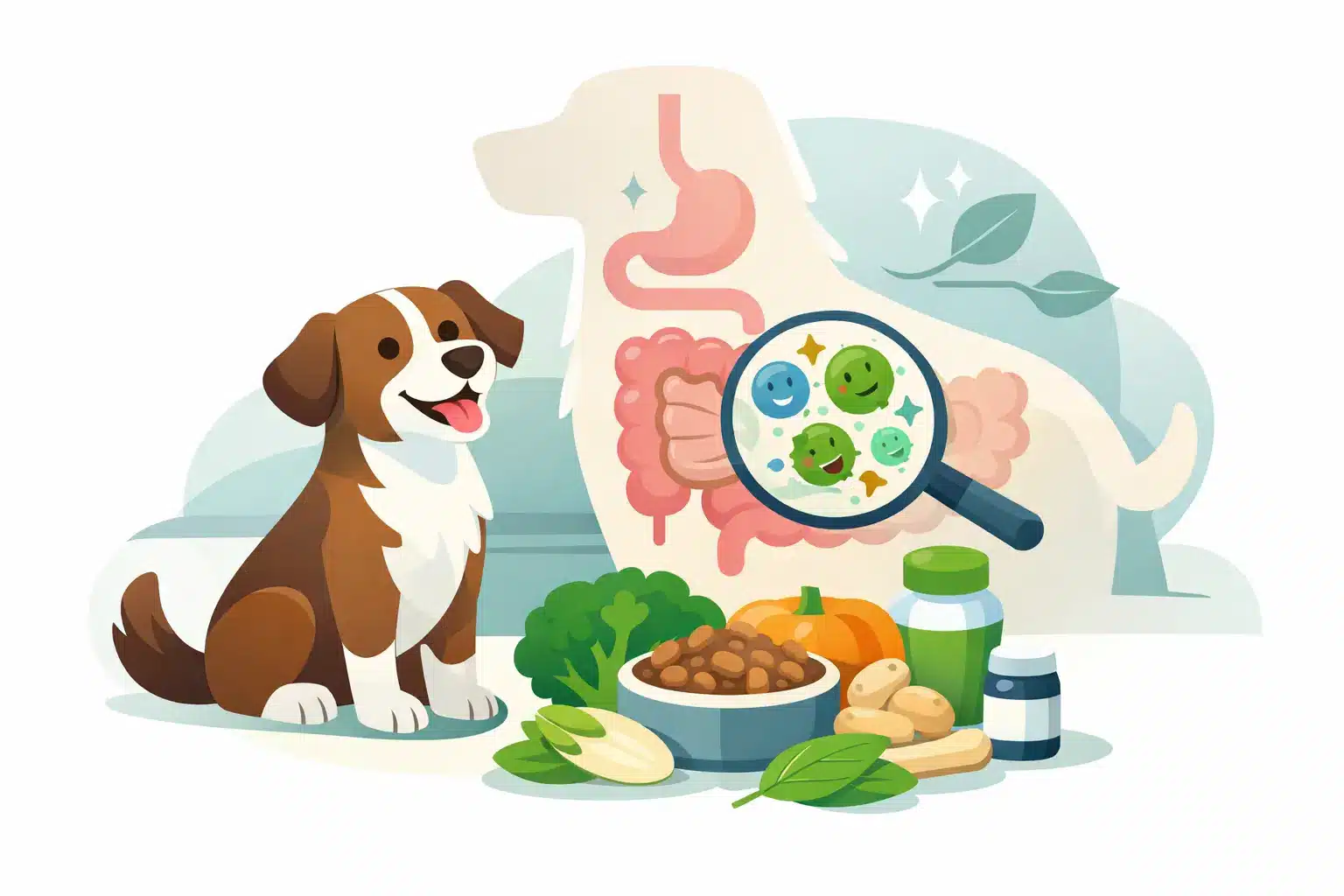
A dog’s digestive system affects far more than what happens in the yard. It influences nutrient absorption, stool quality, immune function, energy, skin condition, and overall comfort. That is why the right formula should do more than avoid obvious irritants. It should actively support a healthy gut environment with balanced nutrition, high-quality ingredients, and the right kind of fiber.
What the best dog food for digestion really does
The best dog food for digestion helps the body process food efficiently and consistently. That means nutrients are absorbed well, stools are formed and regular, and the gut stays balanced instead of swinging between constipation, gas, and diarrhea. A truly digestive-friendly formula is not just bland. It is thoughtfully built.
Protein quality matters because poorly digested protein can contribute to excess gas and inconsistent stools. Carbohydrate sources matter too, especially when they are chosen for steady digestibility rather than filler value. Then there is fiber, which is often misunderstood. Too little can leave digestion sluggish and irregular. Too much, or the wrong type, can create its own problems.
This is where balance becomes essential. Soluble and insoluble fibers work differently, and dogs benefit from a smart combination of both. Prebiotic fibers can help nourish beneficial gut bacteria, while other fibers help promote stool formation and healthy intestinal movement. When those elements are balanced correctly, the results often show up in ways pet parents notice quickly – firmer stools, less mess, better appetite, and a more comfortable dog.
Signs your dog may need better digestive support
Some digestive issues are obvious, but others show up in ways that are easy to dismiss at first. Recurrent loose stools, frequent gas, vomiting after meals, or visible stomach discomfort are clear signals. So is stool that changes dramatically from day to day.
Other clues are subtler. A dull coat, excessive itching, low energy, or trouble maintaining healthy weight can all connect back to digestion, because the gut is where nutrients are broken down and absorbed. If that process is inefficient, the whole body can feel the effects.
Of course, persistent digestive problems always deserve veterinary guidance. Food can be a powerful tool, but it is not a substitute for diagnosing parasites, infections, food allergies, pancreatitis, inflammatory conditions, or other medical issues. The goal is to support digestive wellness, not guess through something serious.
Ingredients to look for in the best dog food for digestion
Start with clearly named animal proteins and recognizable whole-food ingredients. Chicken, salmon, duck, or other defined protein sources make it easier to understand what your dog is eating and how they respond to it. Quality matters here because digestibility starts with ingredient integrity.
Fiber deserves just as much attention as protein. Pumpkin is a familiar favorite for a reason. It can help support stool quality and digestive regularity. Ingredients such as brown rice and quinoa may also contribute gentle digestibility in balanced formulas, depending on the dog. The key is not chasing a single super ingredient. It is choosing food where ingredients work together.
Prebiotic support is another major plus. Prebiotics help feed beneficial bacteria in the gut, which can influence digestion, stool quality, and immune health. This is one reason wellness-focused formulas often emphasize fiber systems rather than isolated ingredients. A dog’s digestive tract responds to the complete nutritional design.
You should also look for complete and balanced nutrition appropriate for your dog’s life stage. A food can include trendy digestive ingredients and still fall short if the overall formulation is not consistent, balanced, and well tolerated.
What to be cautious about
Not every food marketed for sensitive digestion is automatically a good fit. Some formulas reduce ingredients dramatically, which may help certain dogs, but simplicity alone is not the same as digestive support. Others lean heavily on marketing terms without explaining how the formula actually supports gut health.
Ingredient sensitivity is also highly individual. One dog may do beautifully with chicken and brown rice, while another may tolerate salmon more comfortably. Grain-free is another area where context matters. It is not inherently better for digestion unless a specific dog does better on that type of formula. For many dogs, wholesome grains can be part of an excellent digestive diet.
Rich treats, abrupt diet changes, table scraps, and overfeeding can also undermine even the best food. Sometimes the problem is not the main diet alone. It is the total feeding routine.
Why fiber balance matters more than pet parents often realize
Fiber can sound simple, but in digestive nutrition it is one of the most important formulation tools. Some fibers help slow digestion and support beneficial bacteria. Others add bulk and help keep stool moving normally through the digestive tract. Dogs often do best when these functions are balanced rather than pushed to extremes.
This is one reason science-backed digestive formulas stand out. Instead of adding fiber as an afterthought, they build the entire recipe around gastrointestinal function. Lucy Pet Products, for example, has centered much of its nutritional approach on digestive health through its P.B.F. Prebiotic Balanced Fiber concept. That kind of philosophy matters because it reflects a formulation strategy, not just a label claim.
For pet parents, the practical takeaway is simple. If a food talks about digestion, look beyond one ingredient and ask whether the formula appears designed to support a healthy gut ecosystem, stool quality, and nutrient absorption together.
How to choose the right formula for your dog
Age, size, activity level, and history all matter. A young, active dog with occasional loose stool may need something different from an older dog with long-standing stomach sensitivity. Dogs with recurring digestive trouble often do best on a formula that stays consistent over time instead of rotating frequently between proteins and recipes.
Read the guaranteed analysis, but do not stop there. The ingredient panel, the type of fiber sources used, and the brand’s formulation philosophy can tell you much more about digestive intent. Foods built for whole-body wellness often support digestion more effectively because they are designed with nutrient absorption, immune health, and gut function in mind as connected systems.
Palatability matters too. The best food on paper will not help if your dog refuses to eat it or only eats reluctantly. Good digestive nutrition should be well tolerated and realistically sustainable.
Transitioning to a new digestive-support food
Even the best dog food for digestion can cause temporary upset if the transition is too fast. A gradual shift gives the digestive system time to adapt. Mixing a small amount of the new food into the current food, then slowly increasing the new portion over about a week, is often the gentlest approach. Some sensitive dogs need longer.
During the transition, watch stool quality, appetite, energy, and overall comfort. One soft stool does not always mean the food is wrong. A pattern of worsening symptoms is more meaningful. If your dog improves, stay consistent long enough to evaluate the formula fairly. Constant switching makes it harder to know what is working.
Also keep the rest of the routine steady. New treats, scraps from the table, or sudden portion changes can blur the picture and make a promising formula seem less successful than it really is.
When the best choice depends on the dog
There is no single universal answer because digestive needs vary. Some dogs thrive on chicken-based formulas with wholesome grains. Others do better with fish or duck. Some need higher fiber support, while others need a formula that is gentle without being overly rich. The best dog food for digestion is the one that your dog digests comfortably, absorbs well, and can thrive on every day.
That may sound less dramatic than a miracle claim, but it is far more useful. Digestive wellness is usually built through consistency, quality, and formulation balance. When you find the right food, you often see it in the small but meaningful signs: cleaner pickups, calmer mealtimes, steadier energy, and a dog that simply seems to feel better in their own body.
If you are choosing with gut health in mind, look for a food that respects how closely digestion is tied to the rest of your dog’s wellbeing. The right bowl does not just settle the stomach. It helps support a healthier, happier life from the inside out.





Leave A Comment
You must be logged in to post a comment.