

A dog with unpredictable stools, gassiness, itchy skin, or a sensitive stomach is often showing you more than a minor digestive complaint. Those everyday signs can point back to the gut ecosystem itself. If you are wondering how to improve dog microbiome health, the answer usually starts with food quality, feeding consistency, and understanding what beneficial gut bacteria need to thrive.
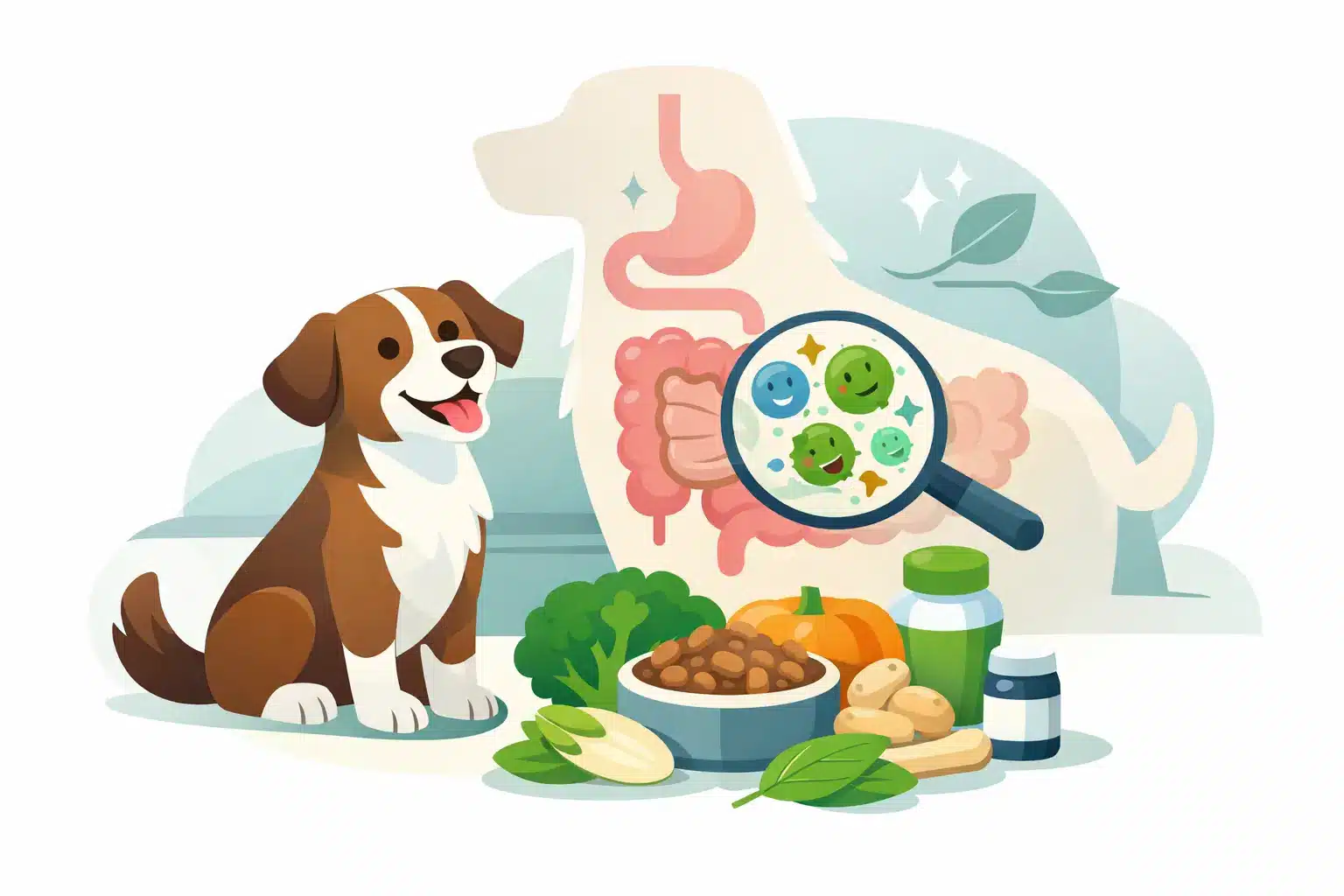
The canine microbiome is the community of bacteria and other microorganisms living primarily in the digestive tract. When that community is balanced, it supports normal digestion, healthy stool formation, nutrient absorption, immune function, and even skin and coat condition. When it is disrupted, the effects can show up quickly or build over time.
Why your dog’s microbiome matters so much
A healthy microbiome does more than help break down food. It helps maintain the gut barrier, supports immune activity, and influences how your dog responds to everyday stressors in the environment. Since a large portion of the immune system is connected to the gut, digestive wellness and whole-body wellness are closely tied together.
This is why gut health is rarely just about the stomach. Dogs with an imbalanced microbiome may experience loose stools, constipation, excessive gas, bad breath, inconsistent appetite, or frequent digestive upset after diet changes. Some dogs also show less obvious signs, such as dull coat quality or reduced vitality.
It is also worth remembering that every dog is different. Age, breed, stress, medications, previous diet, lifestyle, and underlying health issues can all influence the microbiome. A solution that works beautifully for one dog may need adjustment for another.
How to improve dog microbiome with the right diet
The most effective long-term way to improve the gut environment is to feed a complete and balanced diet designed to support digestive health. Beneficial gut bacteria need the right fuel, and that usually means more than simply adding a supplement on top of an inconsistent diet.
High-quality dog food with digestible protein sources and thoughtfully selected carbohydrates can make a real difference. Recognizable ingredients such as chicken, salmon, pumpkin, brown rice, and quinoa often fit well into a gut-supportive approach because they can contribute digestibility and nutritional balance when used in a properly formulated food.
Fiber is especially important here. Not all fiber works the same way, and more is not always better. The goal is balanced fiber that helps nourish beneficial bacteria while supporting stool quality and digestive regularity. A formula built around prebiotic fiber can help feed the good bacteria already living in your dog’s gut, which is often more useful than chasing quick fixes.
This is one reason many pet parents look for diets centered on digestive wellness principles, including prebiotic-balanced nutrition. Lucy Pet’s P.B.F. Prebiotic Balanced Fiber™ concept is built around that idea – feeding the microbiome in a way that supports digestive and whole-body health rather than treating gut health as an afterthought.
What prebiotics do for the canine gut
Prebiotics are dietary fibers that beneficial gut bacteria ferment and use as fuel. When those bacteria are fed consistently, they can help create a healthier digestive environment. That can support more normal stools, less digestive fluctuation, and better resilience during routine life changes.
Prebiotics are different from probiotics. Probiotics are live microorganisms added to the diet, while prebiotics feed the beneficial microbes already present. Both can play a role, but prebiotics are often a foundational part of a daily feeding strategy because they support the ecosystem over time.
Avoid sudden food changes
One of the fastest ways to upset a dog’s microbiome is to switch foods too abruptly. Even if the new food is a better option, a sudden change can overwhelm the digestive system and temporarily disrupt stool quality.
A slow transition gives the gut time to adapt. Many dogs do well when their current food is gradually mixed with the new formula over seven to ten days. Sensitive dogs may need even longer. If your dog has a history of digestive issues, patience matters.
This is also true with treats, toppers, and table scraps. A nutritionally sound food can lose its digestive advantage if the rest of the diet is unpredictable. Small extras add up, especially in dogs with sensitive stomachs.
Feed consistently and keep portions appropriate
The microbiome responds to patterns. Dogs generally do better when meals are fed on a regular schedule instead of changing meal timing and portion size from day to day. Consistency supports digestion and helps you notice when something is off.
Overfeeding can also work against gut health. Excess food can lead to softer stools, weight gain, and more digestive strain. Underfeeding, on the other hand, can reduce nutrient intake and weaken overall condition. Feeding the right amount for your dog’s age, size, activity level, and body condition is one of the simplest ways to support digestive stability.
Treats should support the diet, not compete with it
Treats are part of life with dogs, but they should not undermine digestive goals. Rich, fatty, or heavily processed treats can be hard on sensitive systems. Functional treats made with digestible ingredients are often a better fit when you are trying to improve stool quality and gut balance.
As a general rule, treats should stay limited and predictable. If your dog gets frequent rewards during training, choose options that fit within the overall nutrition plan rather than treating every snack as separate from health.
Support the microbiome beyond the food bowl
Nutrition leads the conversation, but it is not the whole story. Stress, sleep, activity, hydration, and medication use can all affect the gut.
Dogs thrive on routine. Major household changes, travel, boarding, lack of exercise, and inconsistent schedules can contribute to digestive disruption in some pets. Regular movement supports overall health, and steady routines can help reduce stress-related digestive changes.
Hydration matters too. Water helps support normal digestion and stool consistency. If your dog is not a big drinker, moisture-rich foods or stews may help increase total water intake, depending on the individual dog and the rest of the diet.
Antibiotics deserve special mention because they can alter the balance of gut bacteria. Sometimes they are medically necessary, and a veterinarian may need to prescribe them. But after antibiotic use, many dogs benefit from extra attention to diet quality, digestive support, and a gradual return to routine.
Signs your dog’s microbiome may need support
Not every digestive issue is a microbiome issue, and not every microbiome issue looks dramatic. Still, some patterns are worth paying attention to. Recurrent loose stools, excessive gas, inconsistent bowel movements, food sensitivity, and digestive upset during transitions can all suggest the gut needs better support.
You may also notice secondary signs such as poor coat quality, frequent licking, or reduced enthusiasm around meals. These signs do not diagnose a microbiome imbalance by themselves, but they can be part of the bigger picture.
If symptoms are severe, persistent, or paired with vomiting, weight loss, lethargy, or blood in the stool, it is time to involve your veterinarian. Nutrition is powerful, but it is not a substitute for medical care when a dog may have an underlying illness.
How to improve dog microbiome in sensitive dogs
Sensitive dogs often need a narrower, more deliberate plan. The best approach is usually a highly digestible, complete and balanced food with steady ingredients, controlled treats, and a slow transition process. Constantly rotating foods in search of a miracle can sometimes create more instability instead of less.
That does not mean every dog should eat the same thing forever. It means changes should be purposeful. If your dog has a history of soft stools or digestive reactions, keeping the ingredient list and feeding routine more predictable can help the microbiome settle.
In some cases, your veterinarian may recommend a probiotic alongside a food change. That can be useful, but the daily diet still does most of the heavy lifting. If the food itself does not support digestive wellness, supplements may have limited impact.
Be patient with progress
Microbiome support is usually measured in weeks, not days. Some dogs show improvement in stool quality and gas fairly quickly, while others need more time for the gut environment to stabilize. Pet parents sometimes switch strategies too soon because they expect instant results.
Look for meaningful trends instead of one perfect day. Better stool consistency, less digestive noise, steadier appetite, and improved comfort are all encouraging signs. Lasting gut health tends to come from consistency, not constant change.
A healthier microbiome starts with feeding your dog in a way that supports the beneficial bacteria already working hard every day. When you choose balanced nutrition, respect the transition process, and keep routines steady, you are not just helping digestion – you are helping build a stronger foundation for long-term wellness.



Leave A Comment
You must be logged in to post a comment.