

A dog with an upset stomach and a cat who suddenly refuses dinner can send any pet parent straight into research mode. If you have ever wondered, is ginger good for dogs and cats, the short answer is yes – sometimes. Ginger can be a useful ingredient for some pets in small, appropriate amounts, but it is not a cure-all, and it is not right for every animal.
That distinction matters. In pet nutrition, even natural ingredients need context. The real question is not whether ginger is “good” in the abstract, but whether it makes sense for your individual pet’s digestive health, age, medical history, and overall diet.
Is ginger good for dogs and cats for digestion?
Ginger is a root known for naturally occurring compounds such as gingerols and shogaols. In people, it is commonly used to support digestion and help with occasional nausea. That is one reason pet owners ask about it for dogs and cats, especially when they are dealing with car sickness, mild stomach upset, or appetite changes.
For dogs, ginger is generally considered safer and more commonly used than it is for cats. Some dogs tolerate small amounts well, and ginger may help settle the stomach during occasional digestive discomfort. It may also be included in some pet-safe recipes or treats in very limited quantities.
Cats are different. They tend to be more sensitive to dietary changes, more selective about flavor and texture, and less likely to accept strongly aromatic ingredients. While small amounts of ginger are not necessarily toxic to cats, that does not mean it is broadly beneficial or easy to use. A cat with vomiting, poor appetite, or lethargy needs careful attention because those signs can point to problems that go far beyond a simple upset stomach.
So, is ginger good for dogs and cats when digestion is the concern? It can be helpful in select cases, especially for dogs, but the bigger goal should always be long-term digestive balance rather than chasing symptoms with random add-ins.
When ginger may help
The most realistic use for ginger is mild, occasional digestive support. If a healthy dog gets motion sick in the car or experiences brief nausea after a stressful event, a very small amount of plain ginger may be worth discussing with your veterinarian. Some pet owners also ask about ginger for gas or sluggish digestion, though evidence in pets is more limited than many online claims suggest.
Ginger may also be appealing because it feels familiar and natural. That is understandable, but natural does not automatically mean appropriate. Digestive wellness works best when the foundation is already strong – consistent feeding, quality ingredients, balanced fiber, hydration, and formulas designed to support the gut.
That is where a nutrition-first approach matters. Pets with recurring loose stool, vomiting, appetite swings, or sensitive stomachs usually need more than an occasional home remedy. They benefit from a complete and balanced diet formulated with digestive function in mind, including the right fibers and highly digestible ingredients.
When ginger is not a good idea
This is where caution matters most. Ginger should not be used to mask ongoing symptoms. If your dog or cat is vomiting repeatedly, has diarrhea that lasts more than a day, seems painful, bloated, weak, or refuses food, ginger is not the answer. Those situations call for veterinary guidance.
It may also be inappropriate for pets with bleeding disorders, pets scheduled for surgery, or those taking medications that affect clotting or blood sugar. Ginger can have biologically active effects, which is exactly why moderation and veterinary input matter.
Pregnant pets are another category where you should not experiment casually. The same goes for very young puppies and kittens, senior pets with complex health conditions, or animals with a history of pancreatitis or chronic gastrointestinal disease.
Cats deserve an extra level of caution. Because they metabolize foods differently and can decline quickly when they stop eating, any home ingredient added to a cat’s routine should be considered carefully. If your cat is nauseated enough that you are thinking about ginger, the more useful question may be why your cat feels sick in the first place.
Fresh ginger, powder, tea, or supplements?
Form matters. Plain, fresh ginger in a tiny amount is very different from ginger cookies, ginger ale, flavored teas, candies, supplements, or human chew products. Many of those items contain sugar, artificial sweeteners, caffeine, flavorings, or other ingredients that are not appropriate for pets. Xylitol, in particular, is dangerous for dogs.
Powdered ginger is more concentrated, which makes dosing easier to overdo. Teas can be misleading because they may include additional herbs that are not pet-safe. Human supplements are especially tricky because capsules, extracts, and blends vary widely in strength and purity.
If ginger is ever used, it should be plain and pet-appropriate, with no added sweeteners or spices. Even then, less is better. This is not an ingredient to estimate casually.
How much ginger is safe?
There is no one serving that fits every dog or cat. Body size matters, but so do age, digestive sensitivity, medications, and the reason you are considering it at all. That is why exact amounts are best confirmed with your veterinarian.
As a general principle, think tiny. For dogs, that may mean a very small pinch of plain fresh grated ginger or a minimal amount of plain powdered ginger mixed into food, only occasionally. For cats, if a veterinarian approves it, the amount would be even smaller.
More is not better. Too much ginger may irritate the digestive tract rather than calm it, and pets can react differently to strong flavors. If your pet dislikes it, forcing the issue defeats the purpose.
Ginger works best as a small part of a bigger wellness picture
Pet parents who care about premium nutrition already know that digestive health is rarely about one trendy ingredient. A healthy gut depends on a complete dietary pattern. Protein quality, digestibility, fiber balance, ingredient consistency, and feeding tolerance all matter more than whether a single root is added from time to time.
That is why it helps to step back and look at the full picture. If your dog has frequent stomach upset, stool inconsistency, or food sensitivities, the answer may be a food designed to support digestive wellness every day. If your cat struggles with appetite or stomach upset, careful evaluation of the full diet, hydration, and medical status is more valuable than experimenting with kitchen ingredients.
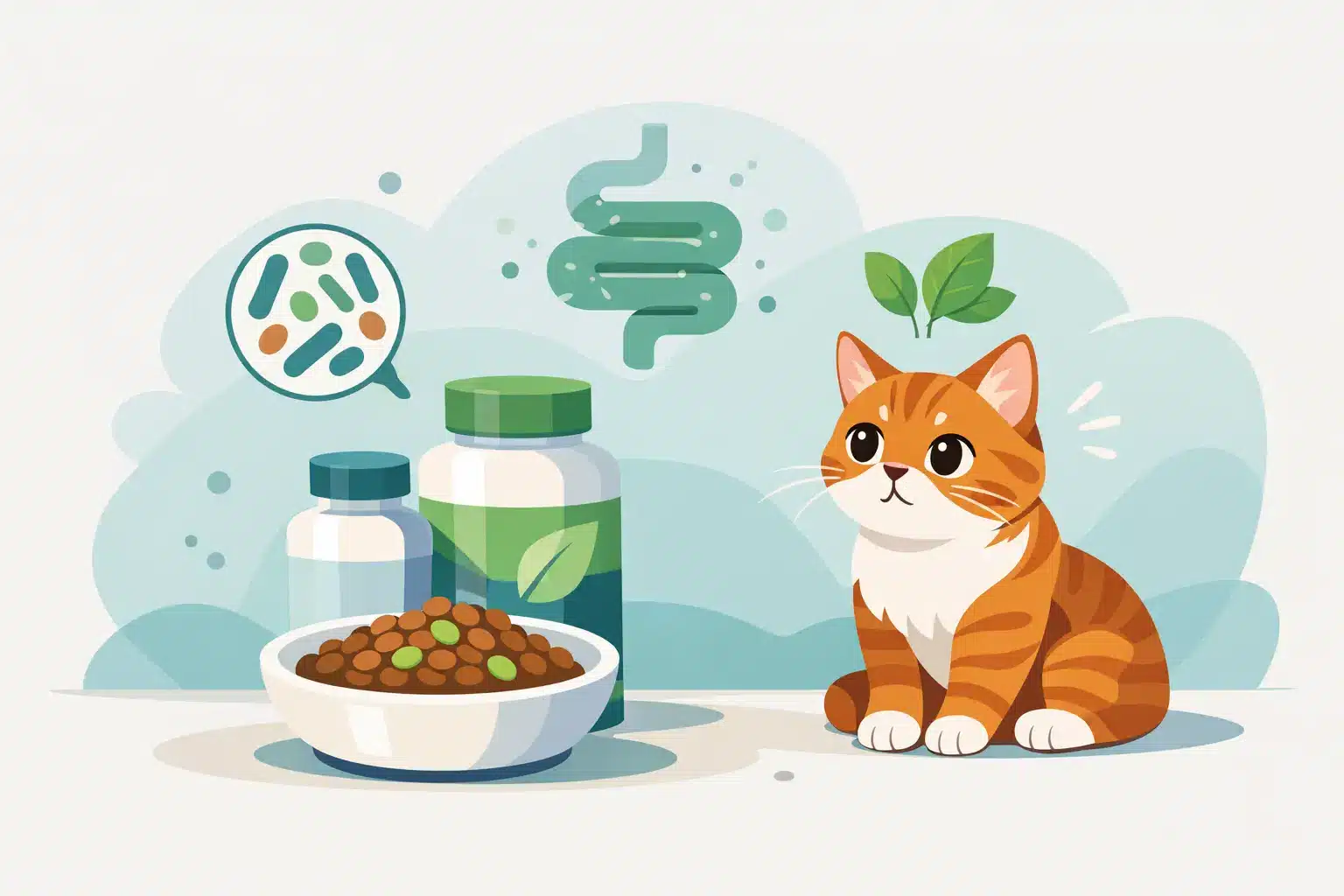
At Lucy Pet, that digestive-first mindset is central to how wellness should be approached. Ingredients matter, but formulation matters just as much. The goal is not simply to add “healthy” foods. It is to support the microbiome, stool quality, nutrient absorption, and whole-body health through balanced nutrition.
Signs your pet needs more than home support
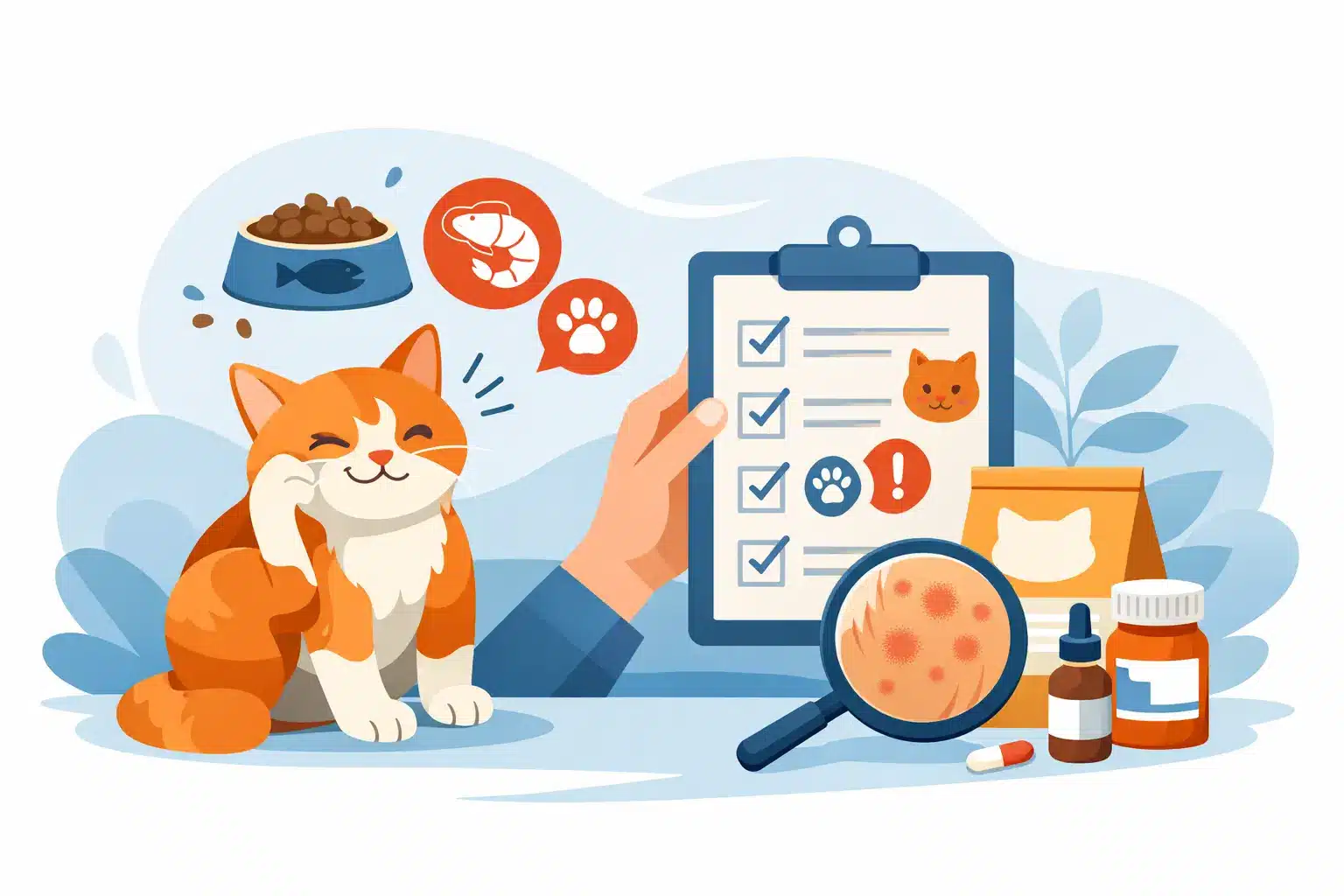
A little nausea after a car ride is one thing. A pattern of digestive trouble is another. If your pet shows repeated vomiting, chronic loose stool, constipation, poor appetite, weight loss, excess grass eating, lip smacking, or unusual lethargy, it is time to look deeper.
Those signs can be linked to diet intolerance, parasites, inflammation, organ issues, stress, or other underlying conditions. Ginger does not diagnose any of that, and it should never delay proper care.
For cats especially, reduced food intake can become serious quickly. Even a short period of poor eating can create larger health concerns. Dogs may show more obvious digestive complaints, but cats often hide discomfort until it is advanced.
So, is ginger good for dogs and cats?
Yes, ginger can be okay for some dogs and some cats in very small amounts, but that answer comes with real limits. It is more practical for dogs than for cats, more useful for mild occasional nausea than for ongoing digestive problems, and more appropriate when your veterinarian agrees it fits your pet’s situation.
The safest way to think about ginger is as a possible minor support, not a nutritional strategy. If your pet is thriving on a complete, balanced diet and occasionally needs help with a mild stomach wobble, ginger may have a place. If digestive problems are frequent, the better move is to focus on the health of the gut as a system – with high-quality nutrition, consistency, and veterinary guidance when symptoms persist.
When you are choosing what goes into your dog’s bowl or your cat’s dish, small ingredients matter. But the daily foundation matters most, and that is what gives pets the best chance to feel good not just today, but for years to come.

Leave A Comment
You must be logged in to post a comment.