

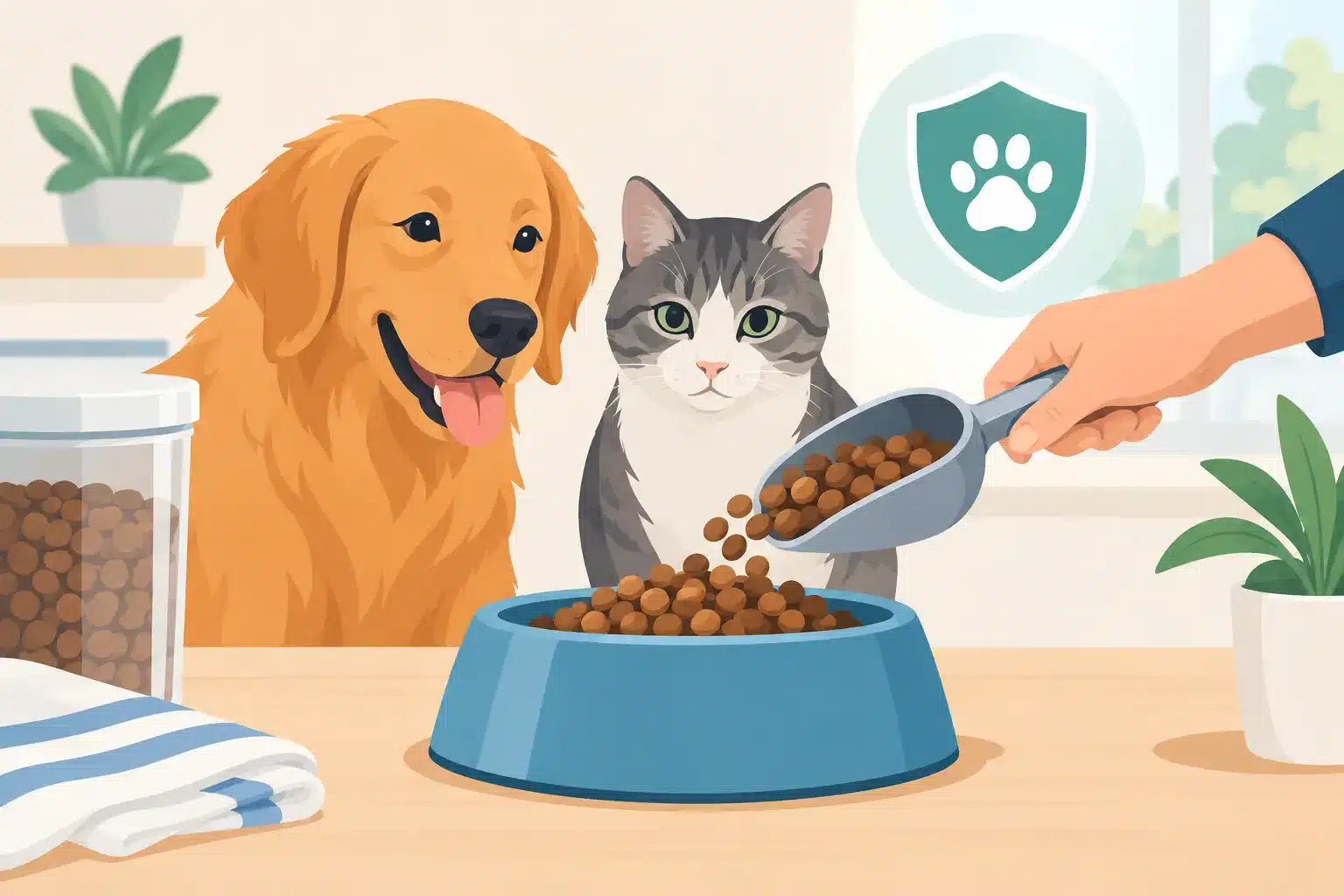
You scoop dinner for the dog, your cat wanders over, and suddenly you are wondering: why is dog food not good for cats if both are just pet food? It is a fair question, especially when the bags may look similar and both recipes can contain meat, grains, and added vitamins. The difference is that cats are built for a very different nutritional life. What looks close on the label can be very far apart in the bowl.
Cats are obligate carnivores, which means their bodies are designed to get key nutrients from animal-based ingredients in a way dogs do not require. Dogs are more nutritionally flexible. They are still healthiest on complete, balanced diets, but they can handle a wider range of ingredients and nutrient ratios. That basic biological difference is the reason dog food should not replace cat food.
Why is dog food not good for cats in the first place?
The short answer is that dog food is formulated for dogs, not cats. A complete and balanced dog formula is designed around canine nutrient needs, calorie use, metabolism, and digestive physiology. A complete and balanced cat formula is designed around feline needs, which are more specific and often more demanding.
That matters because cats need higher levels of certain nutrients that support vision, heart health, muscle maintenance, skin health, and normal metabolic function. These nutrients are not optional extras. They are foundational to long-term health.
A cat may eat dog food once and seem perfectly fine. That does not make it an appropriate diet. Nutritional problems usually show up when the mismatch happens often or becomes routine.
Cats need nutrients dog food may not provide enough of
One of the biggest issues is protein concentration and quality. Cats typically require more protein than dogs, and they rely heavily on amino acids from animal tissue. Their bodies continuously use protein in ways that make low-protein or modest-protein diets a poor fit over time.
Taurine is another major concern. Cats must get adequate taurine from their food because they cannot make enough on their own. Taurine supports the eyes, heart, reproductive health, and nervous system. Dog foods may contain taurine, but they are not built around feline taurine requirements in the same way cat foods are.
Arachidonic acid is also essential for cats. Dogs can make it from other fats. Cats cannot do that efficiently, so they need it preformed in the diet. The same pattern applies to vitamin A and niacin. Dogs can convert certain precursors into usable forms more effectively than cats can. Cats have less room for dietary shortcuts.
This is why a food can be high quality for a dog and still be wrong for a cat. Quality matters, but species-appropriate formulation matters just as much.
What can happen if a cat eats dog food regularly?
The first thing many pet parents notice is not a dramatic emergency. It is a slower change. Energy may dip. Coat quality can become duller. Muscle condition may decline. Stool quality can change, especially if the formula does not sit well with the cat’s digestive system or if fat and fiber levels are poorly matched for feline needs.
Over time, ongoing nutrient deficiencies can become more serious. Inadequate taurine intake has been associated with heart problems and vision loss in cats. Poorly matched nutrient density can also affect body condition, immune support, and overall resilience.
Kittens are especially vulnerable because they are growing rapidly and need very precise nutrition. Feeding dog food to a kitten is a much bigger risk than a cat occasionally stealing a bite from the dog bowl. Senior cats and cats with existing health issues also have less room for dietary mistakes.
There is also a practical issue many people overlook: cats are often less driven by thirst than dogs. They benefit from diets that support their overall hydration strategy and urinary health. That does not mean every dog food is dangerous on contact, but it does mean a casual food swap can overlook important aspects of feline wellness.
Why similar ingredients do not mean similar nutrition
A bag of dog food and a bag of cat food may both list chicken, salmon, brown rice, or pumpkin. On the surface, that can make them seem interchangeable. They are not.
Formulation is about the full nutrient profile, not just the ingredient list. Two foods can contain chicken and still deliver very different protein percentages, amino acid balances, fat levels, mineral ratios, calorie density, and digestive support.
This is especially relevant for pet parents who shop for wellness benefits. Digestive health, stool quality, skin and coat support, and immune function all depend on the right formula for the right species. Fiber balance, fat levels, and ingredient digestibility need to work with the animal’s physiology. A dog’s healthy diet is not automatically a cat’s healthy diet.
Is it ever okay for cats to eat dog food?
In a true short-term pinch, a healthy adult cat eating dog food for one meal is usually not the same as a poisoning event. The bigger concern is regular feeding or relying on dog food as a substitute. If you run out of cat food late at night, the most helpful next step is to return to a complete and balanced cat food as soon as possible.
There is a difference between an accidental snack and a feeding plan. Cats are curious, and some love the smell of dog food. If they steal a few bites now and then, that is generally a management issue, not a reason to panic. If they are cleaning out the dog bowl daily, it is worth changing feeding routines and talking to your veterinarian if the habit is hard to stop.
For cats with medical needs, even occasional access may be less appropriate. In those cases, professional guidance matters more.
Why cats often seem interested in dog food anyway
Cats do not choose food based on a nutrient spreadsheet. They respond to smell, texture, habit, and opportunity. Sometimes the dog’s food simply smells novel. Sometimes the cat enjoys the kibble shape or the location of the bowl. In multi-pet households, food stealing can become a routine behavior long before anyone realizes it.
This can create a false sense of safety. A cat who eagerly eats dog food is not proving that the food is nutritionally suitable. Cats will also try human food that is not ideal for them. Appetite and appropriateness are not the same thing.
How to protect your cat’s nutrition in a multi-pet home
The best approach is simple but intentional. Feed each pet a complete and balanced diet made for their species and life stage. If your dog grazes all day, consider set mealtimes or feeding in a separate area so your cat cannot snack from the dog bowl. Elevated feeding stations can help in some homes, but they depend on your cat’s mobility and your dog’s size.
If your cat seems persistently drawn to the dog’s food, it may be worth evaluating whether your cat’s current diet is satisfying in terms of palatability, texture, and routine. Sometimes a cat does better with a different formula or feeding format, especially if digestive comfort or appetite is inconsistent.
This is where thoughtful formulation matters. A well-made cat food should do more than meet minimum standards. It should support digestion, nutrient absorption, healthy energy, and whole-body wellness in a way that makes sense for how cats actually live and eat. Brands such as Lucy Pet focus on nutrition through that wider wellness lens, connecting ingredient quality and digestive support to everyday health outcomes.
Choosing the right cat food matters more than people think
When pet parents ask why is dog food not good for cats, they are usually trying to make a smart everyday decision, not solve a theoretical problem. The answer comes down to respecting biology. Cats are not small dogs. Their nutritional needs are more specialized, and long-term health depends on meeting those needs consistently.
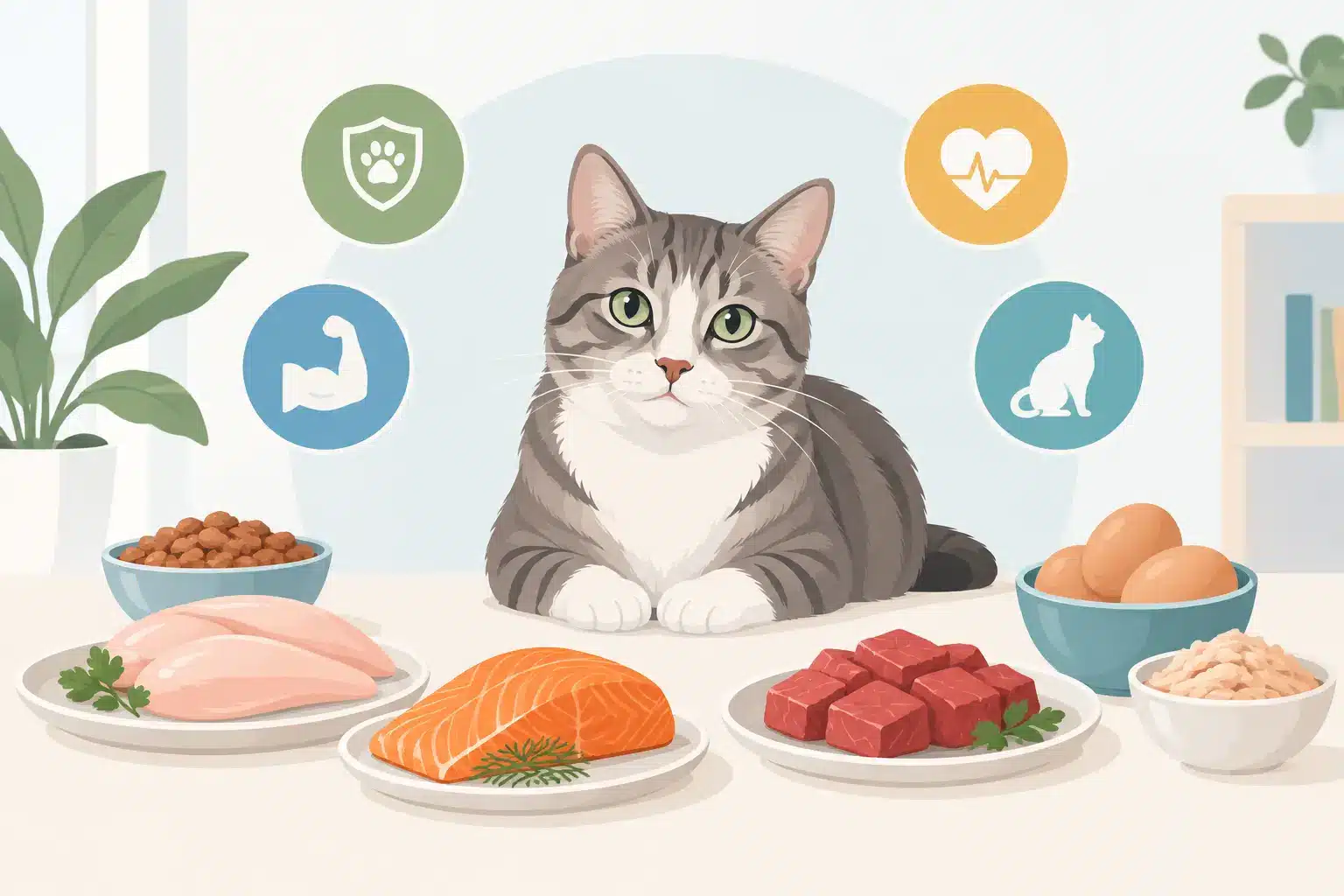
That does not mean every feeding mistake causes harm. It means the daily pattern matters. The right cat food helps support lean muscle, healthy skin and coat, normal vision, heart function, digestive balance, and overall vitality. The wrong food can slowly pull those systems off track.
If you share your home with both dogs and cats, separate bowls may seem like a small detail. In reality, they are one of the easiest ways to protect species-specific nutrition and support better health over time. Your cat may still cast a jealous look at the dog’s dinner, but what belongs in the cat bowl should always be formulated for a cat.

Leave A Comment
You must be logged in to post a comment.