

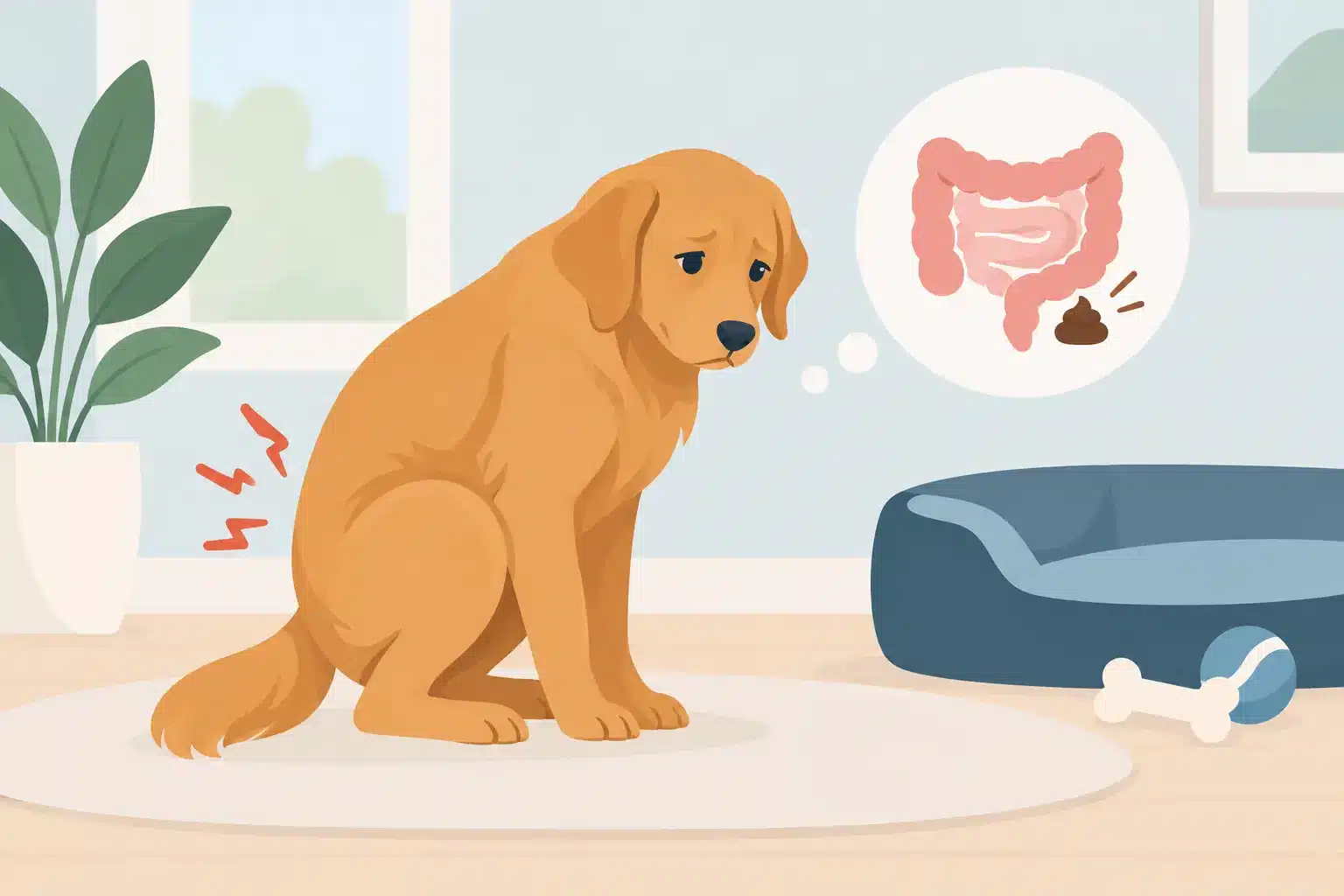
You realize your dog has an upset stomach, then spot a probiotic supplement in the cabinet meant for your cat. At that moment, the question becomes very practical: can I give cat probiotics to my dog?
The short answer is maybe, but it is not the best default choice. Some cat probiotics contain strains that are not harmful to dogs, but the full formula matters more than the word probiotic on the label. Species, dose, inactive ingredients, flavorings, and the reason your dog needs digestive support all matter. When you are trying to improve gut health, a close-enough supplement is not always the smartest option.
Can I Give Cat Probiotics to My Dog Safely?
Sometimes a cat probiotic will be tolerated by a dog, especially if the product uses broadly studied bacterial strains and does not include ingredients that are unsafe for dogs. But safe is not the same as ideal.
Dogs and cats have different nutritional needs, different digestive physiology, and often different serving sizes. A supplement designed for a ten-pound cat may not provide the right amount for a sixty-pound dog. On the other hand, a concentrated product for cats could still deliver too much of certain added ingredients if you guess at the serving. That is where pet parents can run into trouble.
There is also the issue of formulation purpose. Some probiotics are made for general digestive balance, while others are targeted for stress-related stool changes, antibiotic support, immune health, or occasional loose stool. If your dog is dealing with gas, inconsistent stool, food transition issues, or a sensitive stomach, you want a product designed around canine digestive needs rather than a formula borrowed from another species.
What matters more than the probiotic strain
Many pet owners assume probiotics are interchangeable because the beneficial bacteria may look familiar on the label. You might see Lactobacillus, Bifidobacterium, or Enterococcus in both dog and cat products. While those names matter, they are only part of the picture.
The full formula is what determines whether a product makes sense for your dog. That includes the CFU count, whether the strains are intended to survive digestion, whether the supplement includes prebiotics, and what else is in the chew, powder, capsule, or paste. A dog may react not to the probiotic itself, but to a flavor base, dairy ingredient, sweetener, or protein source used in the product.
This is one reason digestive wellness is about more than adding bacteria. A healthy gut environment also depends on diet, fiber balance, hydration, stress levels, and overall food quality. Probiotics can help, but they work best when the rest of the digestive plan supports them.
Risks of giving your dog a cat probiotic
The biggest risk is not always toxicity. In many cases, it is using the wrong tool and delaying the right solution.
If a cat probiotic contains ingredients like xylitol, high levels of vitamin D, certain herbal blends, or other additives not appropriate for dogs, it should never be given. Even ingredients that are not outright toxic can still trigger digestive upset. Rich flavorings, milk-based fillers, or fish-heavy palatants may cause vomiting or diarrhea in sensitive dogs.
Another concern is dosing accuracy. Small pets and large pets do not process supplements the same way, and label directions are there for a reason. Giving too little may do nothing. Giving too much may lead to bloating, gas, or softer stool, especially when your dog is already dealing with a disrupted gut.
Then there is the risk of assuming probiotics will fix a problem that needs veterinary attention. If your dog has repeated vomiting, blood in the stool, severe diarrhea, lethargy, or appetite loss, that is not the time to experiment with a cat supplement from the pantry.
When it may be okay in a pinch
There are situations where a veterinarian may say a cat probiotic is acceptable temporarily. For example, if the active strains are appropriate for dogs, the ingredient list is clean, and the dose can be adjusted safely for your dog’s weight, a short-term crossover may be reasonable.
That said, this should be treated as a stopgap, not a long-term routine. A temporary okay from your veterinarian is different from a general recommendation to swap supplements between species.
If you are considering it because your dog is between products or you are traveling and forgot your regular digestive support, call your veterinary clinic and read the entire label before giving anything. The phrase probiotic blend by itself does not tell you enough.
How to evaluate the label before giving it
If you are still asking whether can I give cat probiotics to my dog applies to the product in your home, start with the label and look past the front of the package.
Check the active strains and CFU count. Then review the inactive ingredients carefully. Look for anything dogs should not have, and pay attention to flavor systems and binders. Make sure the product has clear storage guidance, since probiotic quality can drop if the supplement has not been handled properly.
It also helps to ask whether the formula contains prebiotics. Prebiotics are the fibers that nourish beneficial gut bacteria, and they can be an important part of digestive balance. Supporting the microbiome is not only about introducing helpful organisms. It is also about feeding the gut environment in a way that promotes consistency and resilience.
A better question: why does your dog need a probiotic?
This is where pet wellness gets more specific and more useful. If your dog has occasional stool inconsistency during food changes, post-antibiotic digestive disruption, stress-related tummy trouble, or a generally sensitive gut, the best probiotic choice may be different in each situation.
For some dogs, the bigger opportunity is not a supplement borrowed from another pet, but a complete nutrition plan that supports digestive function every day. Diets built with balanced fiber, quality proteins, and digestible ingredients can help create a stronger foundation for stool quality, nutrient absorption, and immune support.
That is the difference between chasing symptoms and supporting whole-body wellness. At Lucy Pet, digestive health is approached through nutrition that helps maintain the gut environment, not just through one quick add-on.
What to use instead of cat probiotics for dogs
If your dog regularly needs digestive support, a dog-specific probiotic is the smarter choice. A product made for dogs gives you clearer dosing, more relevant formulation, and a better chance of matching the supplement to your dog’s age, size, and digestive history.
Even better, look at the full feeding routine. Dogs with sensitive digestion often benefit from consistent meals, fewer random treats, gradual food transitions, and formulas designed with gut health in mind. Prebiotic fiber can be especially valuable because it helps nourish beneficial bacteria already living in the digestive tract.
This is why many pet parents see more meaningful results when they combine the right digestive support with a nutritionally complete dog food focused on stool quality and gut balance. A probiotic can be helpful, but it does not replace a well-formulated diet.
Signs your dog may need veterinary guidance first
Mild gas or a day of softer stool after a food change is one thing. Ongoing digestive symptoms are another.
Talk with your veterinarian before using any supplement if your dog is a puppy, a senior, immunocompromised, on medication, or has chronic GI issues. The same applies if symptoms keep coming back. Recurrent diarrhea, unexplained weight loss, straining, vomiting, or sudden food refusal can point to issues that need more than probiotic support.
Your veterinarian can also help you choose the right type of digestive aid. Sometimes the answer is a canine probiotic. Sometimes it is a parasite test, a diet change, a feeding adjustment, or treatment for an underlying condition.
So, can I give cat probiotics to my dog?
Sometimes yes, under the right circumstances and with careful label review, but usually not as your first choice. A cat probiotic is not automatically dangerous, yet it is also not automatically appropriate for your dog. The details matter – strains, dose, inactive ingredients, your dog’s size, and the reason digestive support is needed in the first place.
When your goal is better digestion, firmer stool, stronger immune support, and long-term wellness, the best path is usually species-appropriate nutrition and dog-specific digestive support. Your dog’s gut does a lot of work every day. It deserves more than a guess from the supplement cabinet.



Leave A Comment
You must be logged in to post a comment.