

A pet with digestive trouble usually tells you long before a diagnosis ever does. Maybe your dog has inconsistent stools, more gas than usual, or a coat that has lost some shine. Maybe your cat is eating, but not thriving. That is where extra strength gut health for dogs and cats becomes more than a marketing phrase. It becomes a practical way to think about nutrition when everyday digestion needs more support.
The gut does far more than process food. It helps the body absorb nutrients, supports immune function, and influences skin, coat, energy, and overall comfort. When the digestive system is under strain, the effects can show up in ways that do not always look obviously digestive at first. Loose stool, hard stool, vomiting, poor appetite, excessive shedding, food sensitivity, and inconsistent energy can all connect back to what is happening in the gut.
What extra strength gut health for dogs and cats really means
In pet nutrition, extra strength gut health for dogs and cats should not mean harsh, overloaded, or extreme. It should mean targeted digestive support built into a complete and balanced diet. The goal is not to overwhelm the system with trendy additives. The goal is to give the digestive tract what it needs to function more consistently.
That often starts with fiber balance. Fiber is sometimes treated as a simple fix, but the kind, amount, and source matter. Too little can leave stool quality inconsistent. Too much, or the wrong type, can create its own problems. A thoughtful blend of fibers can help regulate stool, support beneficial gut bacteria, and improve nutrient use without making the food feel overly heavy or difficult to digest.
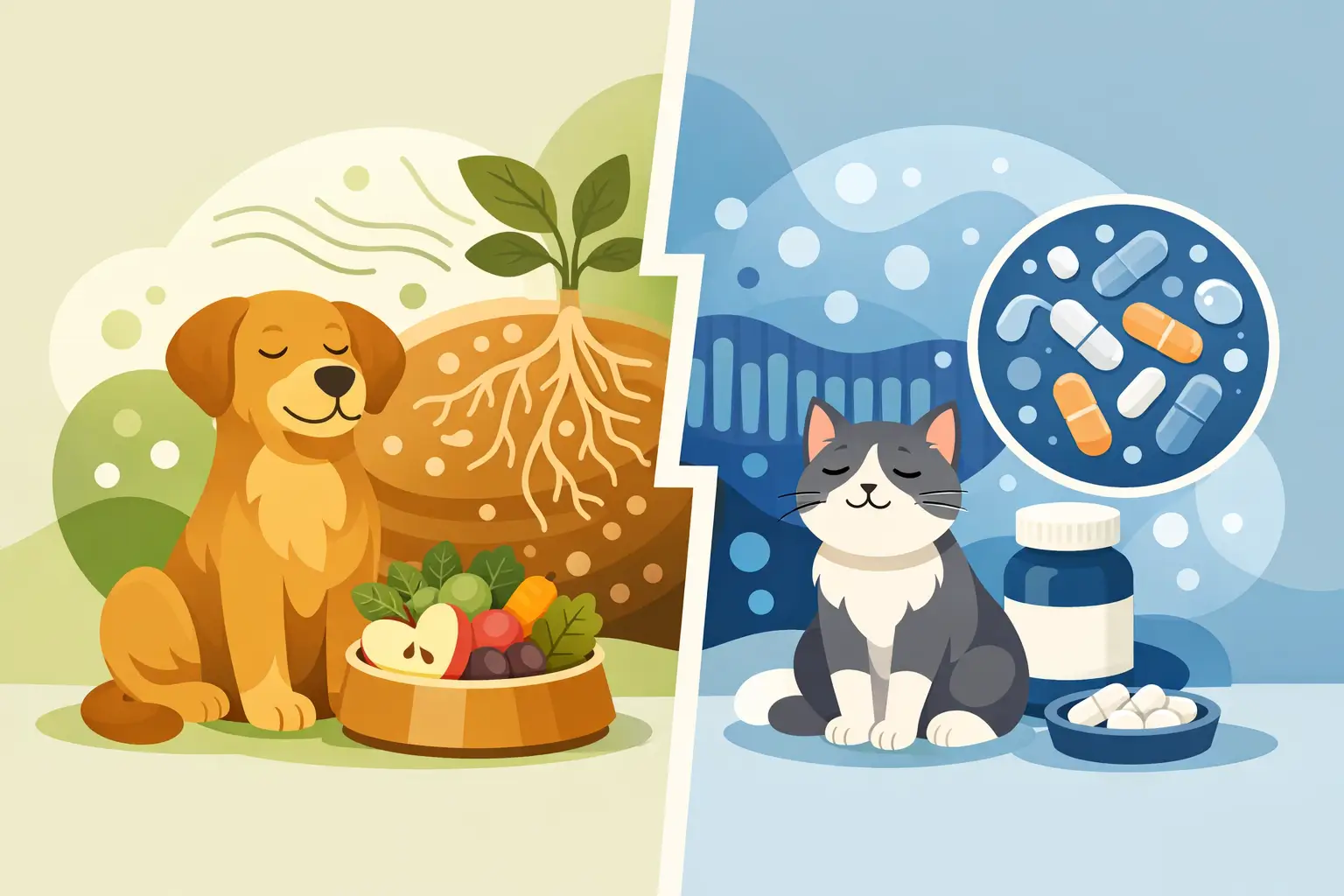
Prebiotics are another key part of the conversation. Unlike probiotics, which add live beneficial bacteria, prebiotics help nourish the helpful bacteria already living in the gut. That can be especially useful for pets who need steady, everyday digestive support rather than a short-term solution. A nutrition approach built around balanced prebiotic fiber can help support the microbiome in a way that feels sustainable and practical for long-term feeding.
Why gut support matters beyond digestion
Many pet owners first notice digestive support working through stool quality. That makes sense because it is the most visible sign. But the benefits can go further. A healthier gut can support more efficient digestion and absorption of nutrients, which may affect body condition, coat quality, and day-to-day vitality.
Immune health is part of this picture too. A large share of immune activity is tied to the digestive tract, so supporting gut function can also support the body’s broader defenses. This does not mean one food can prevent every issue. It does mean that consistent digestive nutrition can be a meaningful part of whole-body wellness.
For dogs, gut support often shows up in more predictable elimination, less digestive upset during food transitions, and better comfort after meals. For cats, digestive wellness can be a little more subtle. A cat may seem simply picky or sensitive, when the underlying issue is that the food is not working well with the digestive system. Better gut support may help with stool consistency, litter box changes, and overall eating comfort.
Ingredients that earn their place in a gut health formula
When evaluating a food for digestive wellness, ingredient quality matters, but formulation matters just as much. A bag full of recognizable ingredients is a good start, but the real question is how those ingredients work together.
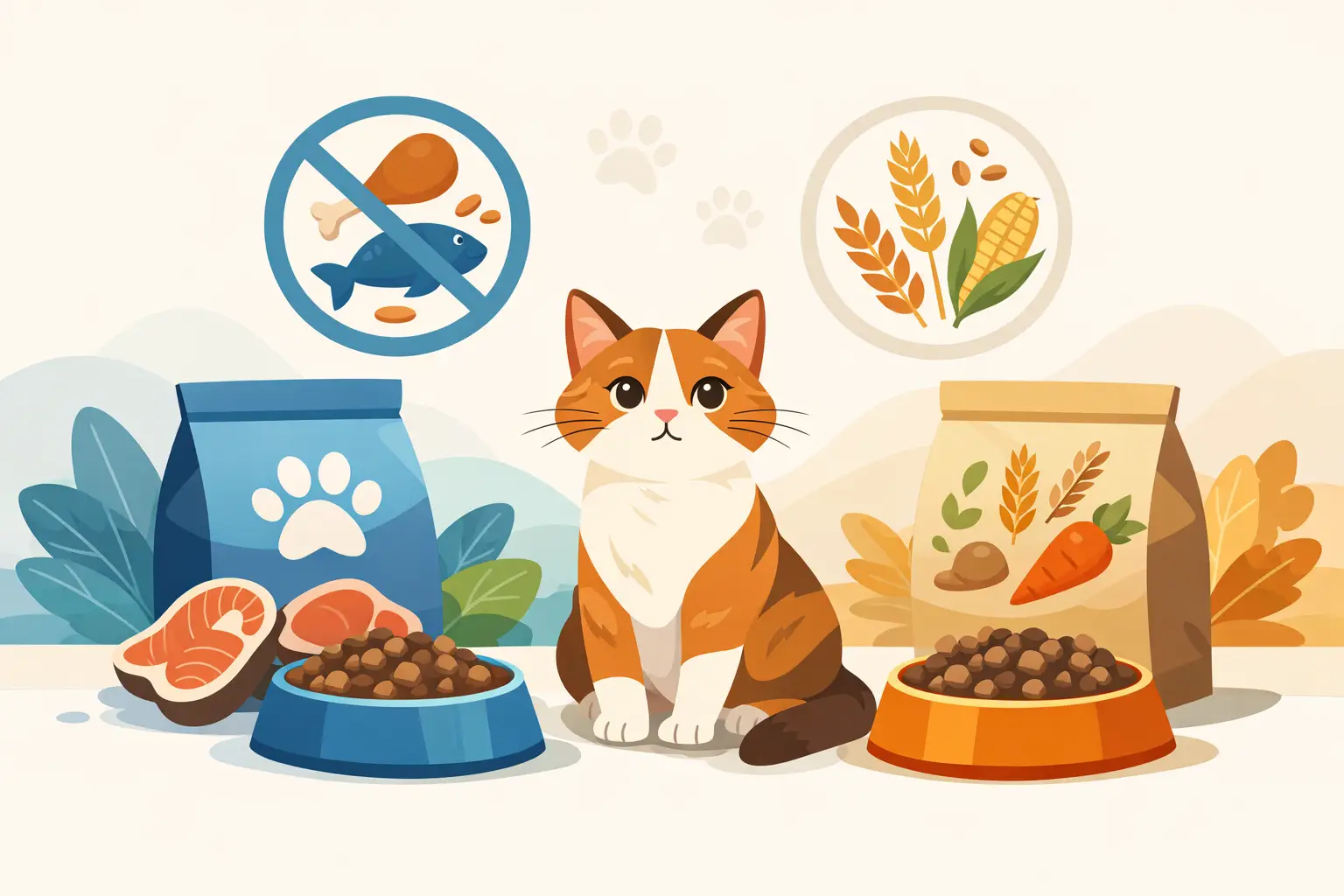
Proteins should be digestible and appropriate for the pet’s needs. Ingredients such as chicken, salmon, or duck can provide strong nutritional value, but individual tolerance still matters. Some pets do very well with one protein and not another. If your dog or cat has a history of food sensitivity, the best gut health support may come from choosing a formula with a protein source that agrees with them consistently.
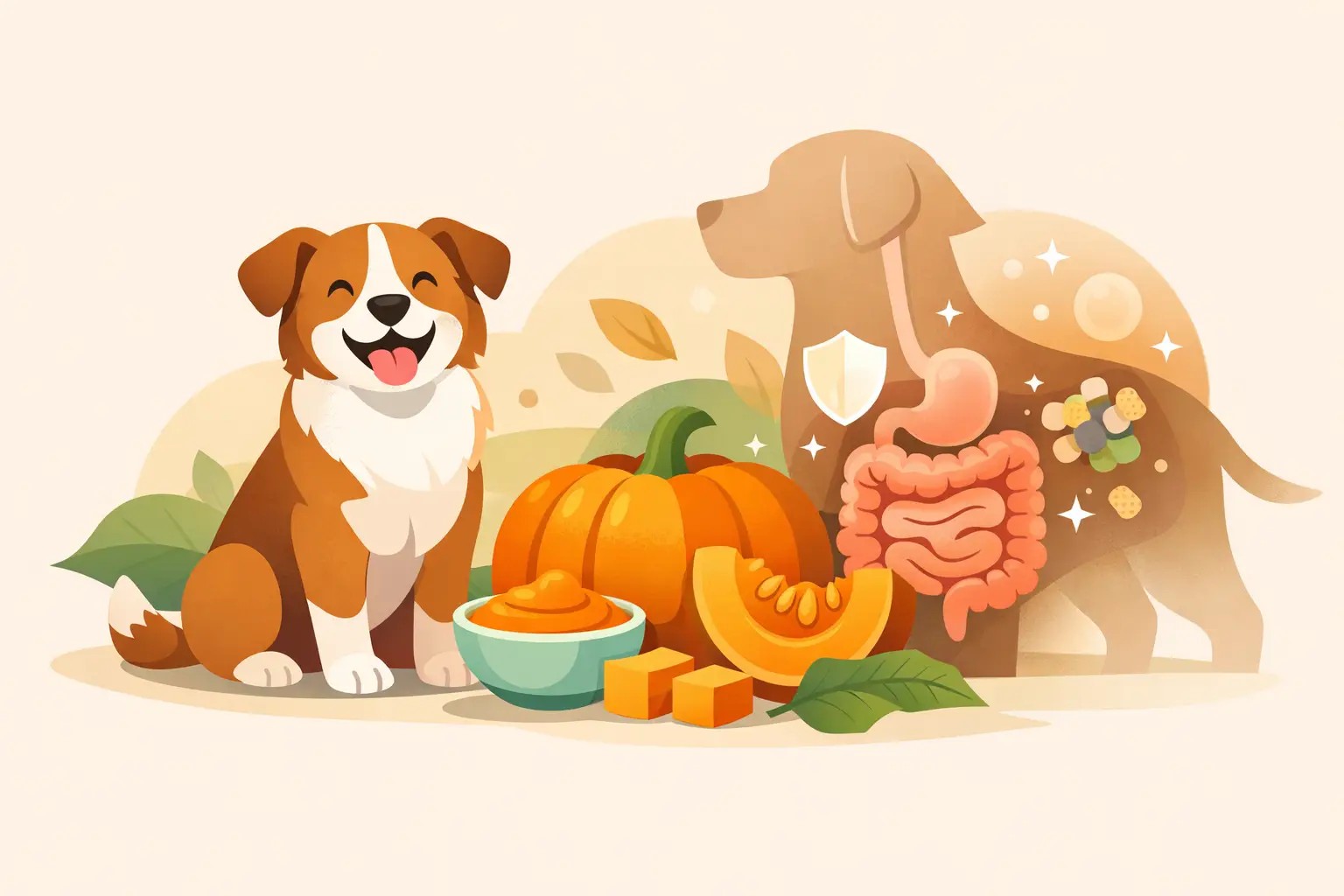
Carbohydrate and fiber sources also deserve attention. Pumpkin is widely recognized for digestive support, and for good reason. It can help support stool quality and digestive regularity. Whole grains and seed ingredients such as brown rice or quinoa may also play an important role when used thoughtfully, contributing digestible energy and fiber balance. Grain-free can be helpful for some pets, but it is not automatically better for every dog or cat. The right choice depends on the individual animal, not the trend cycle.
Fat levels matter too. Highly palatable foods with rich fat content can appeal to pets, but in some animals they may worsen digestive inconsistency. Extra strength support is not always about adding more of everything. Sometimes it is about using the right amount of each nutrient to reduce digestive stress.
When a pet may need stronger digestive support
Some pets do fine on almost any decent food. Others need a more deliberate feeding strategy. If your pet has recurring soft stool, frequent gas, visible discomfort after meals, intermittent vomiting, or difficulty adjusting to new foods, it may be time to pay closer attention to gut-focused nutrition.
Life stage can also affect digestive resilience. Puppies and kittens are still developing, and sudden changes can throw off digestion quickly. Senior pets may process food differently than they did earlier in life. Stress matters as well. Boarding, travel, schedule changes, multi-pet households, and even weather shifts can influence the gut.
That is one reason consistency matters so much. An advanced digestive formula can help, but results are harder to see if meals, treats, toppers, and table scraps are constantly changing. The gut tends to do better when the overall feeding routine is stable.
How to choose an extra strength gut health approach
The best approach starts with realism. If your pet has severe symptoms, dramatic weight loss, blood in the stool, persistent vomiting, or a sudden refusal to eat, that is not a nutrition article problem. It is a veterinary conversation. Food can support health, but it should not replace medical care when symptoms are significant.
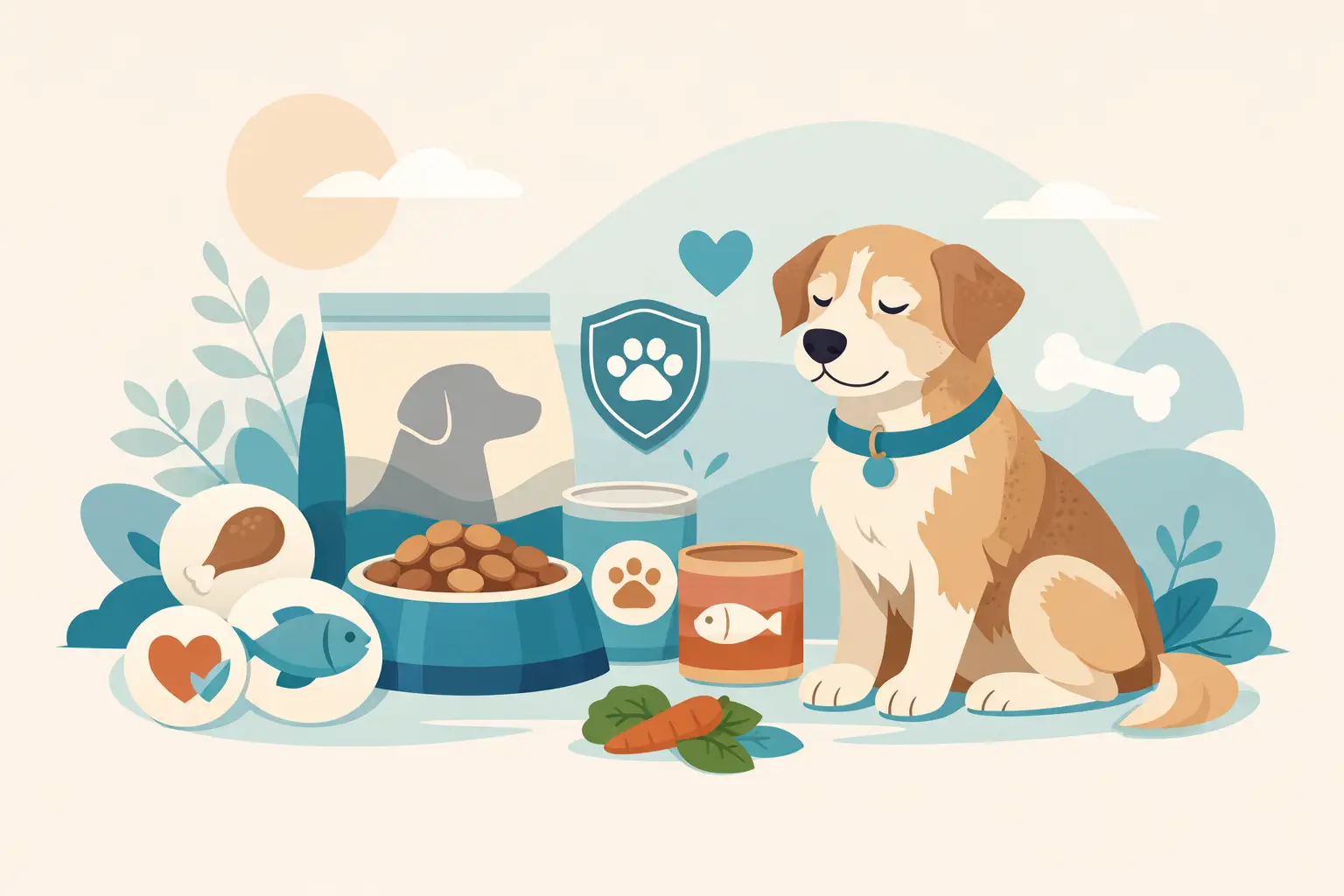
For pets with milder but persistent digestive concerns, look for a complete and balanced food designed with digestive wellness in mind. That means more than adding a digestive claim to the label. Look for a clearly defined nutritional philosophy, ingredient transparency, and a formulation that connects fiber, prebiotics, and digestible proteins to measurable outcomes like stool quality, nutrient absorption, and daily comfort.
This is where a science-backed concept such as Prebiotic Balanced Fiber can make practical sense. Rather than treating digestive support as a single ingredient story, it focuses on how fiber balance can help nourish beneficial bacteria and support the gut environment over time. That kind of nutritional design is often more useful than chasing whatever single gut-health ingredient is currently popular.
Feeding changes that help the gut do its job
Even an excellent formula needs the right rollout. One of the most common reasons pets struggle with a new food is that the transition happens too fast. A gradual transition over several days, or longer for especially sensitive pets, gives the digestive system time to adjust.
Portion control matters as much as formula choice. Overfeeding can create digestive issues even with premium food. So can too many treats, especially when they do not match the same nutritional philosophy as the main diet. If gut health is the goal, every calorie should support that goal as much as possible.
Hydration also plays a role. Cats in particular may benefit from moisture-rich feeding options in addition to dry food, depending on their needs and preferences. Dogs and cats both do better when digestion is supported by adequate water intake, especially when fiber is part of the wellness strategy.
If you are looking for a premium nutrition approach, Lucy Pet has built much of its feeding philosophy around digestive wellness, combining complete nutrition with fiber-focused support designed to help pets maintain healthy digestion, immunity, and everyday vitality.
What progress actually looks like
Pet owners sometimes expect dramatic overnight results. Digestive wellness usually works more quietly than that. Better stool quality, less odor, more regular appetite, easier transitions, and a more comfortable pet are often the first meaningful changes.
Some outcomes take longer. Skin and coat improvements may follow better nutrient absorption over time. Energy and body condition may become more consistent once digestion is working more efficiently. The goal is not perfection every single day. The goal is a stronger baseline for health.
It is also worth remembering that more support is not always better support. If a pet is doing well on a balanced digestive formula, there may be no need to add multiple supplements, toppers, and extras. Gut health works best when the overall plan is clear, consistent, and based on what your individual dog or cat actually needs.
The most helpful mindset is simple: feed the gut well, and the rest of the body has a better chance to do well too. When your pet’s food is built to support digestion with intention, you are not just managing messes in the yard or litter box. You are supporting comfort, resilience, and a healthier everyday life.

Leave A Comment
You must be logged in to post a comment.