
What We Test For
Every batch is tested for quality and safety to give you peace of mind

At Pet Food Safety Labâ„¢ (PFSL), every batch of food is tested for quality and safety, giving you peace of mind that it is safe to feed your pet. We rigorously test each batch of pet food before it is released. The lab has chemical, physical, and microbiological testing capabilities to meet your product’s inspection needs.

ROUTINE MICROBIOLOGICAL TESTING

Includes sample enrichment and PCR (Polymerase chain reaction) Testing capability.

ADVANCED ANALYTICAL TESTING
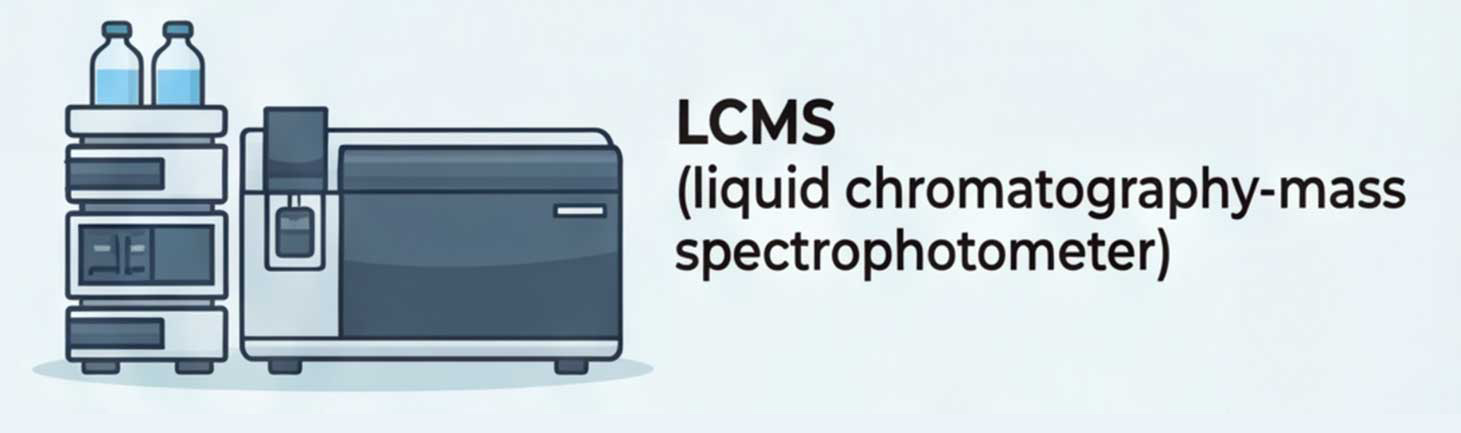
state-of-the-art equipment capable of detecting materials or contaminant of sub-ppm levels. Tests include: Melamine, cyanuric Acid, B Vitamins, Vitamin D, or any other analyte needed.

OTHER METHODS

THE FOLLOWING TESTS ARE USED TO EVALUATE THE QUALITY AND SAFETY OF THE FOOD YOU FEED YOUR PET

Aflatoxin is a chemical (mycotoxin) produced by a class of fungus (mold) called aspergillus.  Molds can form in the agricultural supply chain process when a crop such as wheat, soybean, or walnuts is allowed to contain too much moisture, and mold grows upon standing.  Unfortunately, these molds can be very common, and great care must be taken to make sure these farm products are free of aflatoxin.

Fumonisin is another mycotoxin that is produced by a mold (genus Fusarium).  Poor farm processing methods can also be at the root cause of Fumonisin issues, which most affect grain/cereal type crops.  Acute toxicity of this mycotoxin are fairly low, but, in some cases, infection can be quite serious.

 DON (deoxynivalenol) is a mycotoxin that is a metabolic waste of the mold species Fusarium.  As the name implies, it can cause violent vomiting episodes.  Fusarium is found in many common grains and is naturally occurring.

Ochratoxin is actually a family of mycotoxins, the most prevalent of which is Ochratoxin A.  It is also produced by mold species such as Aspergillus and Penicillium, thriving is wet, moist environments.  Contaminated grains and pork are the most common sources, but Ochratoxin can also be found in grapes and coffee.

The mycotoxin Zearalenone is produced by the mold species Fusarium and Gibberella.  This mycotoxin can bind to estrogen receptors, leading to infertility and abortion.  Common crops such as maize, barley, oats, wheat, and rice can harbor these molds if not properly handled in the supply chain.