

The sound of a salmon pouch opening can bring even a sleepy cat running. That enthusiasm is understandable: salmon has a rich aroma, satisfying flavor, and nutrients cats can use. But is salmon good for cats as a regular part of their diet? It can be a healthy ingredient when it is properly prepared and included in a complete, balanced food. By itself, however, salmon is not enough to meet every nutritional need of a cat.
For pet parents choosing food with whole, recognizable ingredients, the goal is not simply to find a protein cats love. It is to choose nutrition that supports digestion, a healthy immune system, lean muscle, skin, coat, and lifelong vitality.
Is Salmon Good for Cats? The Nutritional Benefits
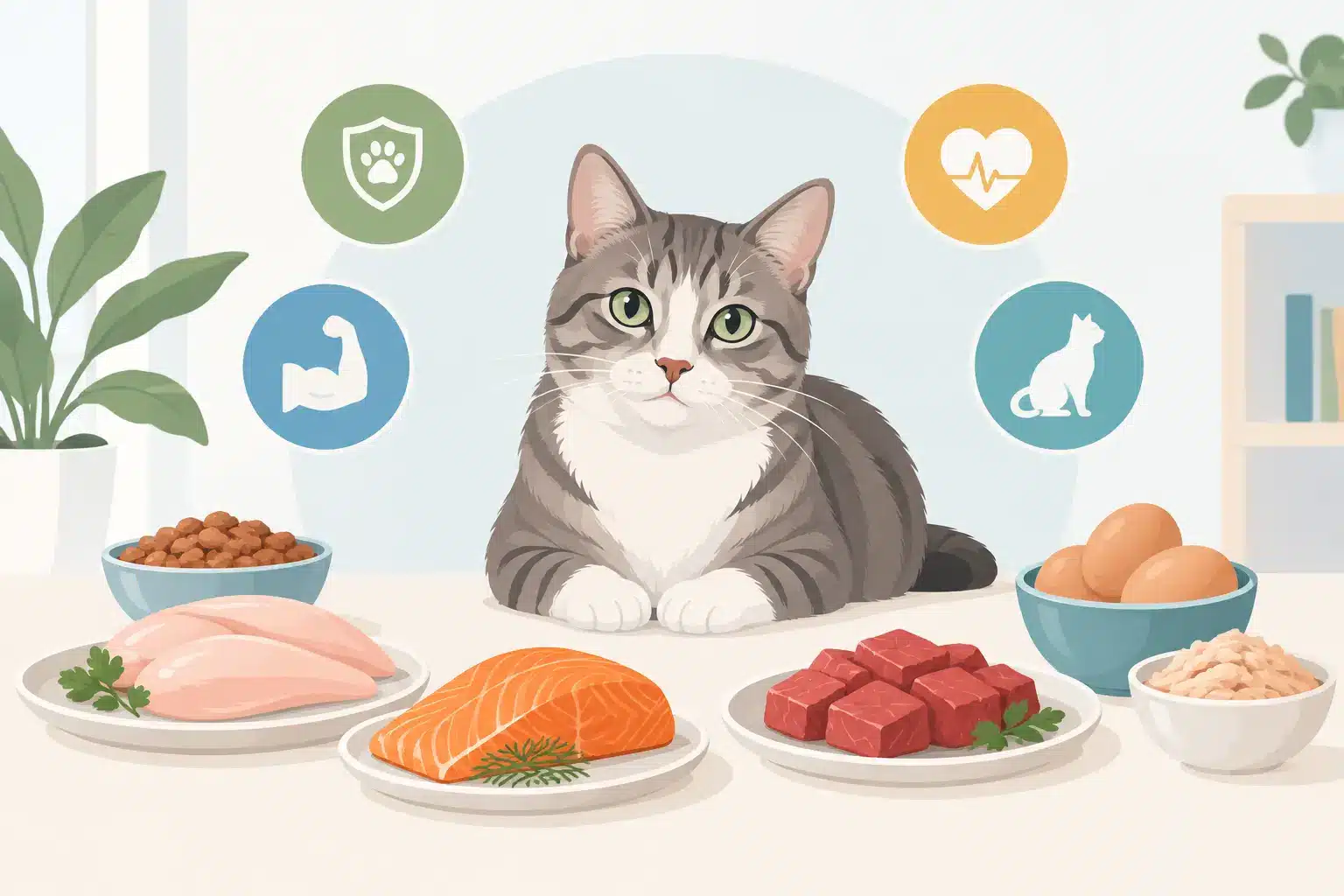
Salmon is a high-quality animal protein, and protein is essential for cats. As obligate carnivores, cats rely on animal-derived nutrients to help maintain strong muscles, support normal organ function, and fuel their naturally active metabolism. A salmon-based formula can be especially appealing for cats that enjoy fish-forward flavors or need variety in their protein rotation.
Salmon also naturally provides omega-3 fatty acids, including EPA and DHA. These fats support healthy skin and a soft, glossy coat, while also contributing to normal brain, eye, joint, and immune function. For a cat with dry-looking skin or a dull coat, adequate omega-3s may be one useful part of a broader nutrition plan.
This fish supplies additional nutrients, such as vitamin D, vitamin B12, selenium, and phosphorus. Each has a role in normal feline health, from energy metabolism to bone maintenance. The value of salmon is not just its protein content. It is the combination of highly palatable animal protein and beneficial fats within a thoughtfully formulated diet.
That formulation piece matters. The nutritional profile of a salmon fillet is different from the nutritional profile of a complete cat food made with salmon. A complete formula is designed to provide appropriate levels of essential amino acids, vitamins, minerals, and fatty acids in every serving.
Why Salmon Alone Is Not a Complete Cat Diet
A plain piece of salmon can be a tasty treat, but feeding salmon as the main meal day after day can create nutritional gaps. Cats need precise amounts of nutrients that are not reliably supplied by a fish-only diet, including taurine, calcium, certain vitamins, and trace minerals.
Taurine deserves particular attention. Cats need taurine from animal-based foods, and inadequate intake can affect heart function, vision, and overall health. Commercial cat foods labeled complete and balanced are formulated to supply the nutrients cats require in the right proportions. Home-prepared diets can be appropriate in certain circumstances, but they should be developed with a veterinarian or a board-certified veterinary nutritionist rather than assembled from single ingredients.
There is also a calorie consideration. Salmon is nutrient-dense and can add up quickly, especially for indoor cats with modest calorie needs. Treats and toppers, including plain salmon, should generally remain a small part of the daily calorie intake so they do not crowd out balanced meals or contribute to unwanted weight gain.
A salmon recipe that includes balanced nutrition and digestive support is a different choice from offering extra table salmon. Lucy Pet Formulas for Life® cat foods are designed around complete nutrition, helping pet parents offer appealing proteins while keeping whole-body wellness in focus.
The Safest Way to Serve Salmon to Cats
If you would like to share salmon with your cat, serve it cooked, plain, and in a small amount. Baking, steaming, or poaching are simple options. Let it cool fully, remove every bone, and break the fish into bite-sized pieces before offering it.
Avoid butter, oils, sauces, breading, marinades, and seasonings. Garlic and onion are toxic to cats, and salty or heavily seasoned preparations can cause digestive upset. Smoked salmon, lox, and cured salmon are not good choices because they are typically high in sodium. Fried salmon is also unnecessarily rich and may be difficult for some cats to digest.
Raw salmon is best avoided. Raw fish can carry bacteria and parasites, creating an avoidable food safety risk. Some raw fish also contains thiaminase, an enzyme that can interfere with thiamine, or vitamin B1, when fed frequently. Proper cooking reduces these concerns.
Canned salmon can work occasionally if it is packed in water with no added salt, flavorings, or oil. Check carefully for bones, even if the label indicates they are soft. While soft canned bones may be safe in some human foods, a cautious approach is best for cats. When in doubt, choose boneless cooked salmon or a complete salmon-based cat food instead.
How Much Salmon Can a Cat Have?
For most healthy adult cats, a few small flakes of plain cooked salmon make a reasonable occasional treat. The right portion depends on your cat’s size, daily food intake, activity level, and health needs. A petite cat may only need a teaspoon, while a larger cat may tolerate a little more.
The key is consistency with the rest of the diet. If salmon is an extra, adjust treats and toppers so your cat is not getting too many calories. If salmon is part of the main food, choose a recipe labeled complete and balanced for your cat’s life stage and feed according to the package guidelines, then adjust based on body condition and your veterinarian’s recommendation.
Kittens, senior cats, and cats with medical conditions need extra care. Growing kittens require nutrition calibrated for development. Cats with kidney disease, pancreatitis, food allergies, or a history of urinary concerns may need a more specific dietary plan. A veterinarian can help determine whether salmon fits your cat’s individual needs.
Watch for Sensitivity, Allergy, and Digestive Changes
Fish is a favorite flavor for many cats, but not every cat tolerates it equally well. Food sensitivities can show up as vomiting, loose stool, itchy skin, recurrent ear irritation, or excessive scratching. These signs are not always caused by food, but a pattern that appears after introducing salmon is worth discussing with your veterinarian.
Introduce any new food gradually. Start with a very small amount alongside your cat’s usual diet, then monitor appetite, stool quality, energy, and skin condition over several days. A slow transition is particularly helpful for cats with sensitive digestion, since abrupt dietary changes can upset the digestive system even when the new food is high quality.
It is also wise to keep salmon in perspective. Some cats become so focused on fish flavors that they begin refusing their regular food. Offering salmon only occasionally, or choosing a nutritionally complete salmon recipe rather than frequent table scraps, helps preserve healthy eating habits.
Choosing a Salmon Cat Food That Supports Whole-Body Health
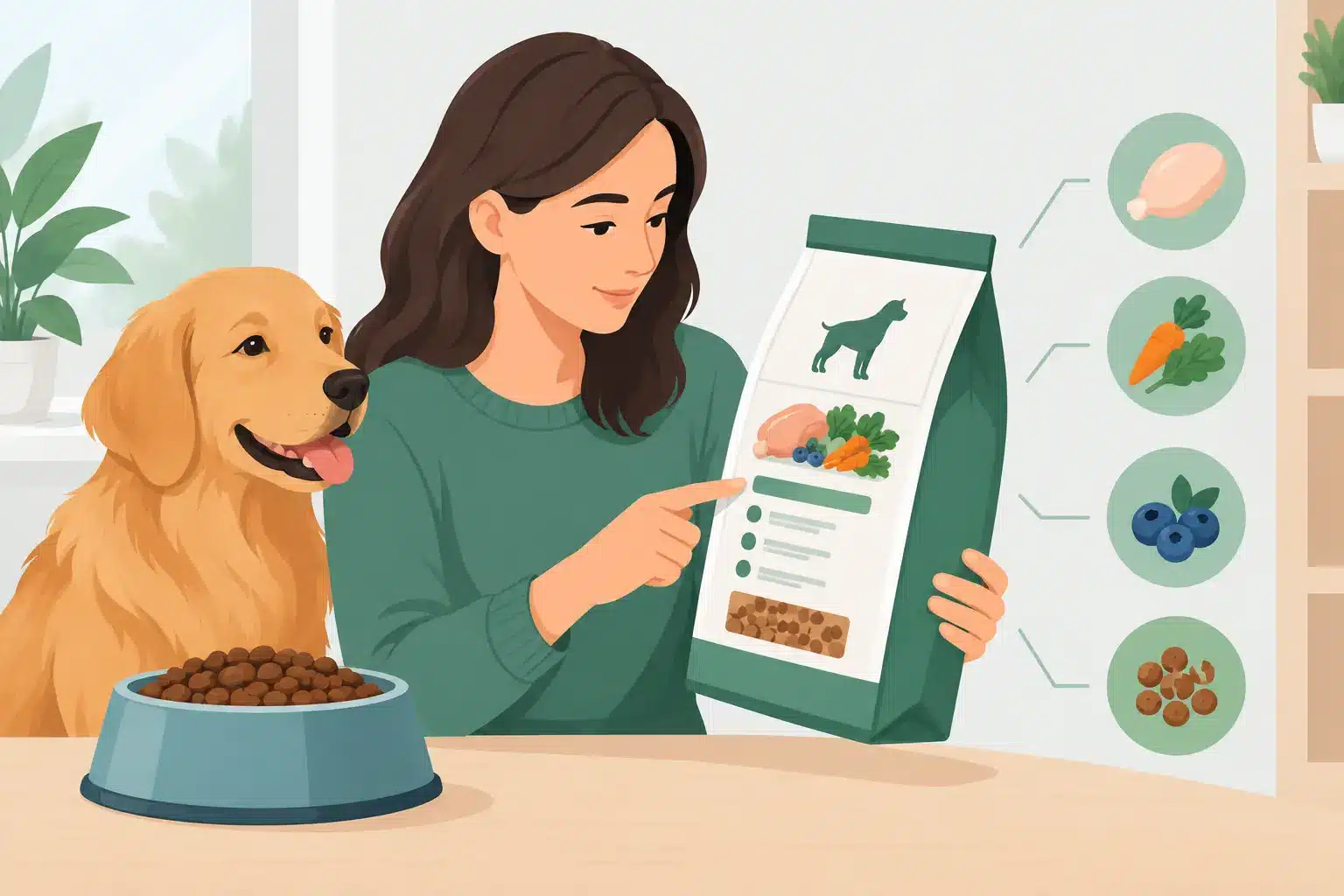
When salmon is a key ingredient in your cat’s daily food, look beyond the front-of-bag protein claim. Choose a food made for cats, appropriate for your cat’s life stage, and labeled complete and balanced. The recipe should provide animal protein alongside essential nutrients cats cannot obtain from salmon alone.
Digestive wellness deserves a place in that decision, too. A healthy gut helps cats make the most of the nutrients in their food and supports normal stool quality. Thoughtful fiber choices and prebiotic support can help nourish beneficial gut bacteria, while a gradual transition gives the digestive tract time to adapt.
Ingredient quality, palatability, and nutritional completeness work together. Salmon can bring flavor and beneficial fatty acids to the bowl, but the best results come from a formula built to support your cat from the inside out.
A little plain, cooked salmon can be a lovely way to share a moment with your cat. Let a complete, balanced daily diet do the bigger job: supporting the healthy, comfortable, curious life you want to see every day.



Leave A Comment
You must be logged in to post a comment.