

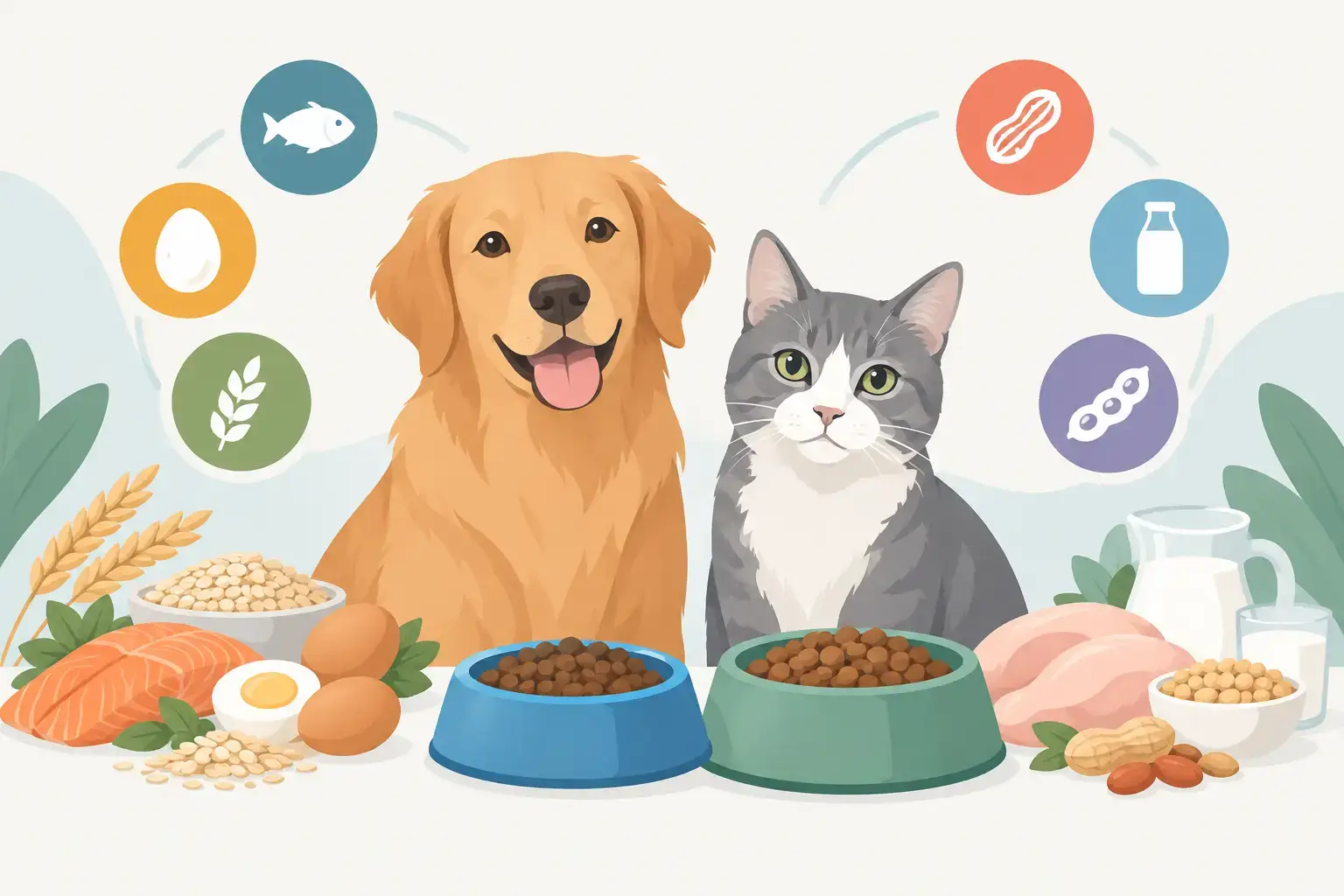
A bag of food can look very different on the shelf and still be designed to meet the same basic goal: providing complete, balanced daily nutrition. In the conversation around air dried versus kibble, the better choice is rarely about which format is more fashionable. It is about your pet’s nutritional needs, digestion, lifestyle, preferences, and your ability to feed the food consistently.
Air-dried foods and traditional kibble are made differently, which affects texture, moisture, calorie density, price, and convenience. Understanding those differences helps pet parents look beyond a short ingredient list or an appealing package claim and make a decision that supports long-term wellness.
Air Dried Versus Kibble: The Core Differences
Air-dried pet food is typically made by slowly removing moisture from ingredients at relatively low temperatures. The result is a shelf-stable food with a dense, jerky-like texture. It generally contains far less water than canned food but may feel softer, richer, and more aromatic than a typical kibble.
Kibble is commonly made through extrusion. Ingredients are ground, mixed, cooked, shaped, and dried into uniform pieces. This process produces a practical, shelf-stable food that is easy to portion, store, and feed. Many kibbles are then coated with fats or palatants to support flavor and texture.
Neither process automatically determines nutritional quality. A food’s nutrient profile depends on the complete recipe, ingredient sourcing, manufacturing controls, calorie content, and whether it is formulated to be complete and balanced for the pet’s life stage. A carefully formulated kibble can be an excellent everyday diet, just as an air-dried food can be a thoughtful choice for the right pet and household.
Nutrition Starts With the Complete Formula
The first question is not whether the food is air dried or extruded. Ask whether it provides complete and balanced nutrition for your dog or cat’s intended life stage. Look for a nutritional adequacy statement on the package and feed according to your pet’s age, size, activity level, and body condition.
Air-dried recipes often feature a concentrated mix of animal ingredients, fruits, vegetables, or functional additions. Because water has been removed, the nutrients and calories are concentrated too. This can make air-dried food especially appealing to pets that enjoy a stronger aroma and meat-forward texture. It can also make it easy to overfeed if portions are measured by habit rather than by calories.
Kibble may include ingredients such as animal protein, whole grains, legumes, fiber sources, vitamins, and minerals. Its format can make it easier to build a consistent nutrition routine. For many pets, a properly formulated kibble offers dependable energy, essential nutrients, and manageable feeding costs over time.
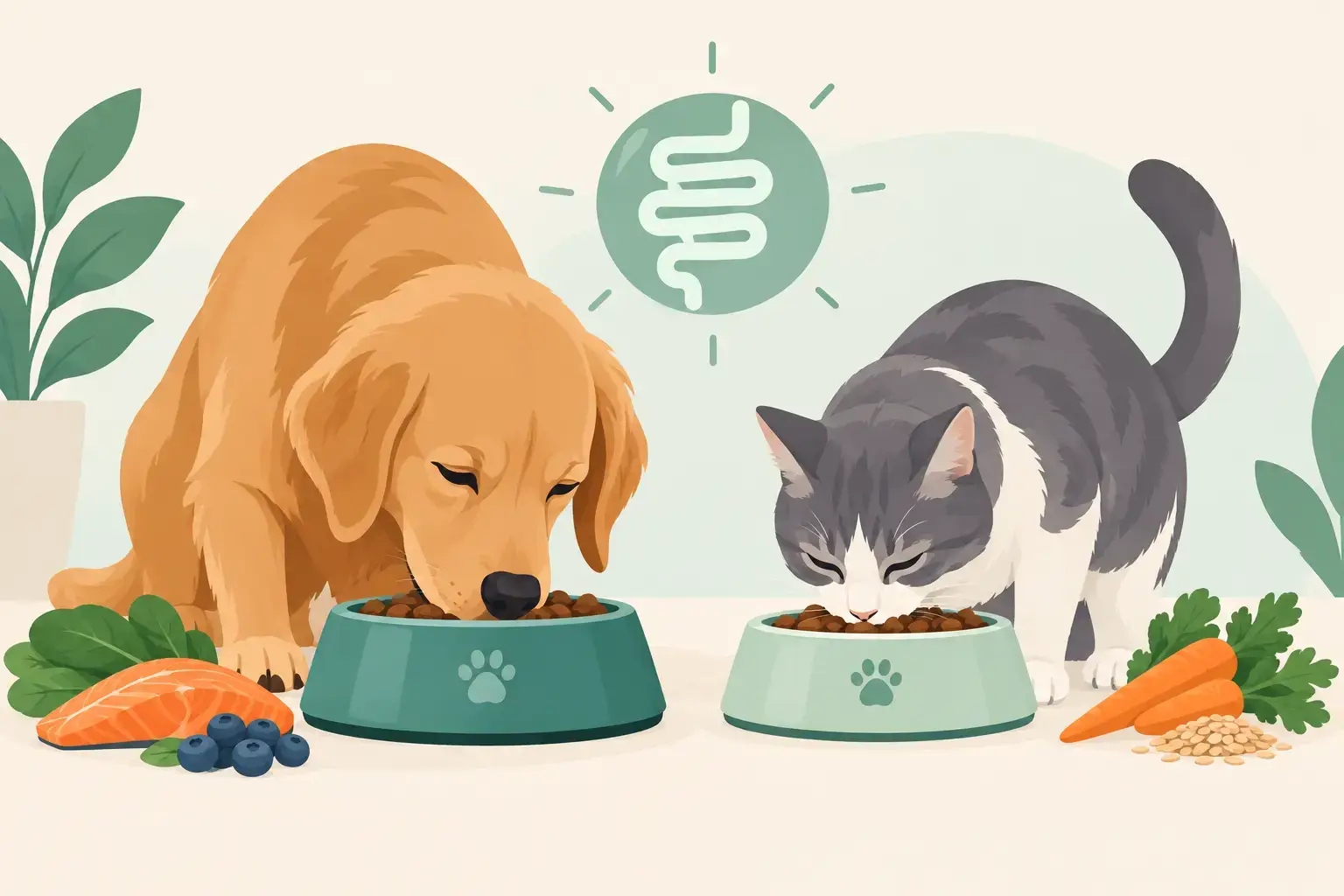
For pets with digestive sensitivities, look closely at the whole formula. Protein source, fat level, fiber type, ingredient consistency, and feeding amount may matter more than processing style. A diet that supports regular stool quality and comfortable digestion is often one your pet can stay on successfully.
Lucy Pet Formulas for Life® recipes are built around digestive wellness, including P.B.F. Prebiotic Balanced Fiber™, because balanced fiber can help support healthy digestion and whole-body wellness. That principle applies when comparing any food format: focus on the nutritional system behind the recipe, not just the shape of the food.
Protein and fat need context
Air-dried foods can be rich in protein and fat, but “more” is not always better for every pet. A highly active dog may thrive on a calorie-dense recipe, while a less active adult dog, a pet prone to weight gain, or a pet requiring a lower-fat diet may need more careful portion control or a different formula.
The same is true for kibble. Protein percentage alone does not reveal digestibility, amino acid balance, calorie density, or whether a formula suits your pet’s individual needs. Your veterinarian can offer valuable guidance for pets with pancreatitis, kidney concerns, food allergies, urinary issues, or other diagnosed conditions.
Digestion, Palatability, and Daily Feeding
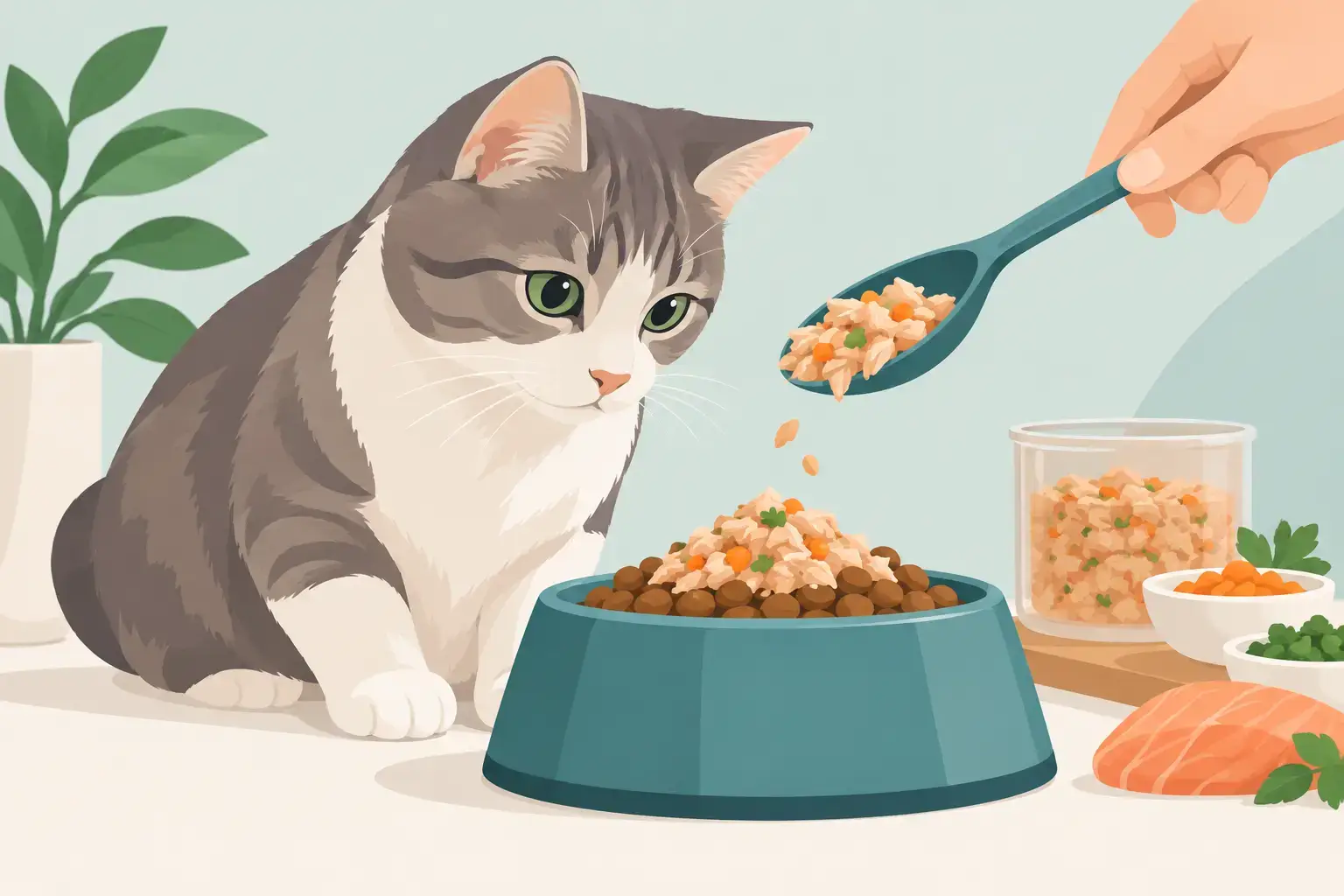
Some pets are immediately drawn to air-dried food because of its smell and texture. For a selective eater, that palatability can be useful. Air-dried pieces can also work well as meal toppers or high-value training rewards, provided those extra calories are accounted for in the day’s total intake.
Kibble remains a strong choice for many families because it is simple to serve and reliably portion. It can be particularly practical in multi-pet homes, for automatic feeders, or when several caregivers share feeding responsibilities. Consistency matters for digestive health, and a routine that is easy to follow is more likely to stay consistent.
Do not assume that a softer air-dried texture is gentler on every stomach or that kibble is inherently harder to digest. Individual response matters. Watch your pet after any food change: stool quality, appetite, itching, gas, energy, vomiting, and weight can all provide useful clues. One isolated soft stool may happen for many reasons, but persistent changes deserve attention from your veterinarian.
Cost, Storage, and Convenience Matter Too
Air-dried food is often more expensive per pound than kibble. Since it is calorie-dense, the true comparison should be cost per day, not just the price of the bag. Even so, feeding a large dog a fully air-dried diet may stretch a household budget more than feeding a quality kibble.
Kibble is typically the more economical everyday option and is widely available in a range of life-stage and dietary formulas. Its uniform pieces also make measuring meals straightforward. For pet parents seeking premium nutrition within a predictable budget, this convenience can be a meaningful benefit rather than a compromise.
Both foods need proper storage. Keep food in its original bag when possible, seal it tightly, store it in a cool, dry place, and use it by the manufacturer’s recommended timeframe after opening. If you place a bag in a storage bin, keep the food in the bag inside the bin to preserve lot and expiration information and reduce contact with residual oils in the container.
What About Teeth and Dental Health?
Kibble is often associated with cleaner teeth, but ordinary dry food should not replace dental care. Some chewing may create minor mechanical abrasion, yet most pets still need regular tooth brushing, veterinary dental exams, and, when appropriate, professionally recommended dental products.
Air-dried food is not a dental-care substitute either. Its texture varies widely by recipe and piece size. If dental health is a concern, speak with your veterinarian about a complete plan based on your pet’s teeth, gums, chewing habits, and medical history.
How to Choose the Right Format for Your Pet
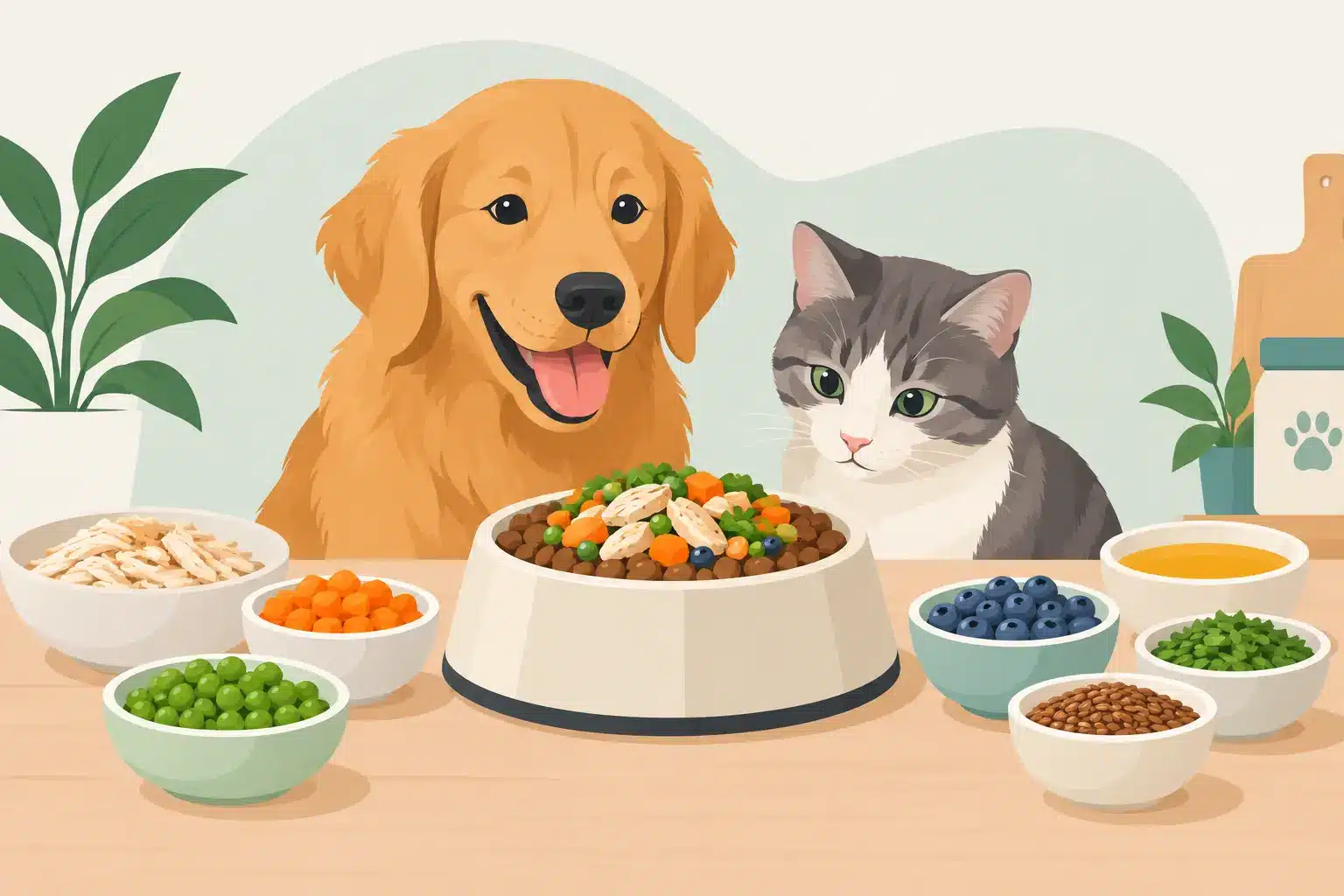
A good decision begins with your pet rather than a broad label. Air-dried food may fit a pet that needs strong palatability, enjoys a meat-forward texture, or benefits from a convenient, nutrient-dense option in smaller portions. It may also be best used as a topper when budget, calorie needs, or feeding preferences make a fully air-dried diet less practical.
Kibble may fit a pet parent who values consistent daily feeding, straightforward storage, accurate portioning, or a broader range of formula options at a manageable cost. It can be an especially sensible choice for large dogs, multi-pet homes, and pets who do well on a stable, complete diet.
For either format, prioritize these fundamentals:
- A complete and balanced nutritional adequacy statement for the appropriate life stage.
- A calorie level that matches your pet’s activity and body-condition goals.
- Ingredients and nutrient levels that support your pet’s known sensitivities or health needs.
- A feeding routine you can maintain consistently, including measured portions and limited extras.
Transition Slowly, Especially for Sensitive Pets
Even an excellent food can cause temporary digestive upset if introduced too quickly. Transition over about 7 to 10 days by gradually increasing the new food while decreasing the old food. Pets with sensitive digestion may need a slower transition, sometimes over two weeks or longer with veterinary guidance.
Keep treats, table scraps, and new supplements to a minimum during the transition. That makes it easier to understand how your pet is responding to the new diet. Fresh water should always be available, particularly when feeding dry or air-dried foods.
The best food is one that meets your pet’s nutritional needs, supports comfortable digestion, helps maintain a healthy body condition, and works for your real life. Whether the bowl holds air-dried pieces, kibble, or a thoughtfully managed combination, steady nutrition and close attention to your pet’s response are what help turn every meal into lasting care.



Leave A Comment
You must be logged in to post a comment.