

A new bag of dog food can represent a thoughtful upgrade for your dog, whether you are addressing sensitive digestion, changing life-stage needs, or simply choosing ingredients that better support long-term wellness. But transitioning dogs to new food is not a one-meal swap. Even an excellent formula can cause temporary digestive upset when introduced too quickly.
Your dog’s gut is home to a complex community of beneficial microorganisms. Those microbes help process food, support nutrient absorption, and contribute to immune health. A gradual transition gives that system time to adjust to a different balance of proteins, fats, fibers, and carbohydrates. The result is often a more comfortable dog, steadier stool quality, and a clearer picture of whether the new food is the right fit.
Why a Slow Food Transition Supports Digestion
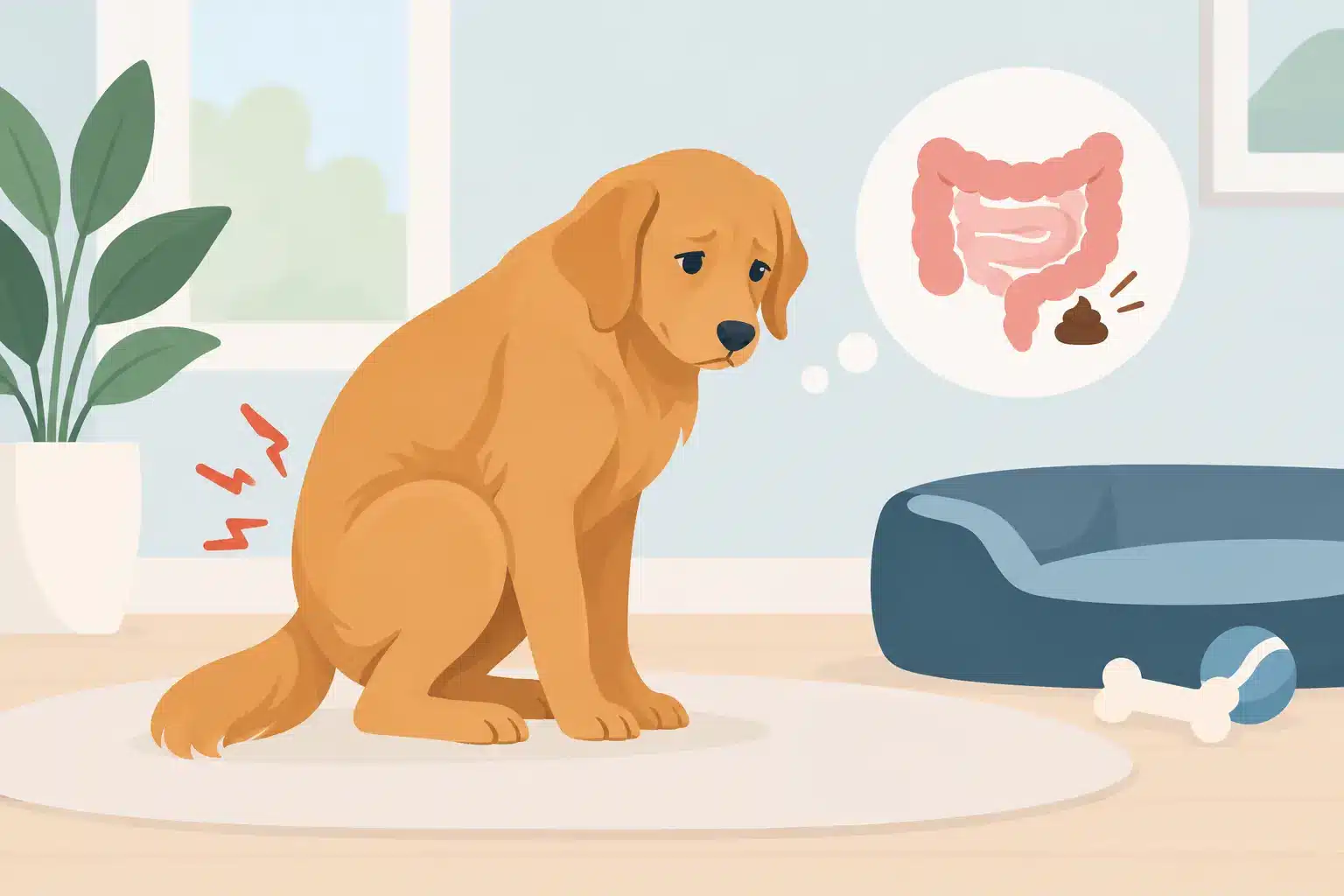
A dog’s digestive tract adapts to the food it receives consistently. When the formula changes suddenly, the gut may have trouble keeping pace. You might see soft stool, gas, changes in appetite, or an urgent need to go outside. These signs do not always mean the new food is unsuitable. They can simply mean the transition moved faster than your dog’s digestive system preferred.
Fiber deserves particular attention. Different foods can vary widely in fiber source and amount, and fiber helps influence stool consistency and the balance of gut bacteria. A thoughtfully formulated diet with balanced fiber can support healthy digestion, but the gut still needs time to become accustomed to it. That is why gradual change is a practical part of feeding for wellness, not just a precaution for dogs with sensitive stomachs.
A slow switch also helps you identify a true food-related concern. If you change foods overnight and your dog develops diarrhea or itching, it can be difficult to tell whether the issue was the abrupt transition, a treat given that day, stress, or an ingredient in the new formula. A measured plan gives you more useful information.
A 7-Day Plan for Transitioning Dogs to New Food
For most healthy adult dogs, plan on seven days. Keep total daily calories and meal frequency consistent while changing the proportions of old and new food. Measure meals rather than estimating by eye, especially when the two foods have different calorie densities.
- Days 1 and 2: Feed 75% old food and 25% new food.
- Days 3 and 4: Feed 50% old food and 50% new food.
- Days 5 and 6: Feed 25% old food and 75% new food.
- Day 7: Feed 100% of the new food.
For dogs that eat twice a day, use the same ratio in both meals. Mixing the foods thoroughly can help prevent a dog from picking out familiar pieces while leaving the new diet behind. Fresh water should always be available, particularly if you are moving from wet food to kibble or introducing a food with a different fiber profile.
This schedule is a starting point, not a deadline. Some dogs do well with a five- to seven-day transition. Others benefit from 10 to 14 days, particularly senior dogs, dogs with a history of digestive sensitivity, or dogs moving between foods with very different ingredients. If stool becomes softer but your dog is otherwise comfortable and eating normally, return to the last ratio that produced well-formed stool for an extra day or two before moving forward.
What to Watch During the Transition
Healthy digestion is not only about whether your dog finishes the bowl. Pay attention to the full picture: appetite, energy, water intake, stool frequency, stool consistency, skin condition, and comfort after meals.
Well-formed stool that is easy to pick up is generally a reassuring sign. A brief, mild change in stool can occur during a food transition, but repeated loose stool, frequent straining, vomiting, marked gas, or a dog that seems uncomfortable should prompt you to slow down. Do not keep increasing the new food amount while digestive signs are worsening.
Itchiness, ear irritation, or persistent paw licking can also be worth documenting, especially if they emerge after a formula change. These signs have many potential causes, including environmental allergies and skin conditions, so they do not automatically point to food. Still, a simple feeding journal can help your veterinarian evaluate timing and patterns.
Record the food ratio, treats, chews, supplements, and any digestive changes each day. During the transition, consistency matters. Introducing a new food, a new treat, table scraps, and a supplement all at once makes it much harder to understand what your dog is reacting to.
When to Slow Down or Call Your Veterinarian
A gradual plan is appropriate for many dogs, but there are times to seek veterinary guidance before making a dietary change. Puppies, pregnant or nursing dogs, dogs with chronic medical conditions, and dogs on therapeutic diets may have specific nutritional needs. A dog with pancreatitis history, kidney disease, diabetes, inflammatory bowel disease, or a diagnosed food allergy should not be switched without professional advice.
Contact your veterinarian promptly if your dog has repeated vomiting, diarrhea lasting more than a day, blood or black stool, severe lethargy, abdominal pain, refusal to eat, or signs of dehydration. Young puppies and small dogs can become dehydrated quickly, so it is better to call sooner rather than wait for symptoms to pass.
If your dog is simply hesitant about the new food but otherwise feels well, avoid making the bowl more exciting with rich toppers or a rotating menu of alternatives. That approach can unintentionally teach selective eating and may create another source of digestive upset. Offer the measured meal at the usual time, keep the environment calm, and ask your veterinarian for guidance if reduced appetite persists.
Choose a New Food With a Clear Purpose
A transition is easier when there is a reason behind the new diet. Consider your dog’s age, activity level, body condition, known sensitivities, and lifestyle. An active working dog, for example, may need a different calorie and protein profile than a less active adult companion. Dogs with sensitive digestion may benefit from formulas designed with digestibility and balanced fiber in mind.
Look beyond front-of-bag claims. Review the feeding guidelines, calorie content, protein source, and ingredient list. Recognizable ingredients can be reassuring, but nutritional completeness matters too. A complete and balanced food is formulated to provide essential nutrients in appropriate amounts when fed as the main diet.
Lucy Pet Formulas for Life® are developed with digestive wellness at the center, including P.B.F. Prebiotic Balanced Fiber™ to help support a healthy gut environment. As with any diet change, introduce a new formula gradually and adjust the pace to your individual dog’s response.
Common Transition Mistakes to Avoid
The most common mistake is switching overnight because the old food is finished. Whenever possible, purchase the new food while you still have at least a week of the current food remaining. Store both foods according to package directions and use a clean, dry scoop to protect freshness.
Another mistake is overfeeding during the transition. New food may have more or fewer calories per cup than the previous formula. Feeding the same volume without checking the label can lead to unwanted weight gain or loss over time. Calculate portions based on the new food’s feeding guide, then refine them based on your dog’s body condition and your veterinarian’s recommendation.
Finally, do not confuse a gradual transition with frequent food rotation. Some dogs tolerate variety well, while others thrive on consistency. If you want to rotate proteins or formulas, make each change thoughtfully, maintain a stable routine, and give your dog enough time on one food to evaluate how it supports digestion, skin, coat, energy, and overall comfort.
A calm, patient transition is one of the simplest ways to show care at mealtime. Let your dog’s stool, appetite, and comfort guide the pace, and give their digestive system the time it needs to settle into a nourishing new routine.




Leave A Comment
You must be logged in to post a comment.