

A dog who strains, circles repeatedly, or produces small, dry stools can make any pet parent worry. If you are asking, “why is my dog constipated,” the answer may be as simple as not drinking enough water, but constipation can also signal pain, a dietary imbalance, or an intestinal blockage that needs veterinary care.
Healthy digestion is about more than how often your dog goes. Stool should pass without obvious effort and generally be formed, moist, and easy to pick up. A brief change can happen, especially after a disrupted routine. Straining or discomfort that continues, however, deserves attention.
Why Is My Dog Constipated?
Constipation occurs when stool moves too slowly through the large intestine. As it sits there, the body absorbs more water from it, leaving stool harder, drier, and more difficult to pass. Dogs may squat repeatedly, strain with little result, pass only a few hard pellets, or seem restless and uncomfortable.
A dog may still have an appetite at first, so do not use normal eating habits as proof that the problem is minor. Watch the whole picture: their water intake, energy, abdominal comfort, bathroom behavior, and what eventually comes out.
Dehydration and everyday routine changes
Not drinking enough water is a common contributor. This can happen after vigorous exercise, hot weather, travel, boarding, illness, or simply when a dog is less interested in their water bowl. Dogs eating mostly dry food may also need extra encouragement to maintain good hydration.
A change in routine can matter, too. Some dogs hold their stool when they are anxious, staying somewhere unfamiliar, or unable to follow their usual walk schedule. Less activity may slow normal intestinal movement, particularly in senior dogs or dogs recovering from an injury.
Diet, fiber, and sudden food changes
The right amount and type of fiber supports normal stool quality, but more fiber is not automatically better. Some dogs may develop firm, dry stools when their diet does not provide enough appropriate fiber or moisture. Others can become constipated when too much fiber is added without enough water.
Suddenly changing foods, offering many new treats, or feeding a meal that is unusually rich can also disrupt digestion. Bones, rawhide-type chews, and swallowed hair are particular concerns because they may create dry, compacted stool or contribute to an obstruction. Keep treats and chews portioned thoughtfully, and make dietary transitions gradually over several days.
Medical issues that affect bowel movements
Constipation can be secondary to a health issue. Painful arthritis may make squatting difficult. Anal gland discomfort, spinal conditions, pelvic injuries, enlarged prostate glands in intact male dogs, and certain medications can all interfere with normal elimination.
Dogs sometimes strain because they have diarrhea or inflammation in the lower bowel, not constipation. Urinary straining can look very similar as well. If your dog is repeatedly trying to urinate, producing only drops, crying, or unable to urinate, treat that as an emergency and contact a veterinarian immediately.
When Constipation Needs Prompt Veterinary Care
A dog who has not had a bowel movement for a day may not always be in immediate danger, especially if their schedule has changed and they otherwise seem completely comfortable. Still, the longer stool remains in the colon, the harder it can become to pass. When in doubt, call your veterinarian for guidance based on your dog’s age, health history, and symptoms.
Seek veterinary attention promptly if your dog is vomiting, refusing food, lethargic, bloated, painful when touched, or repeatedly straining without producing stool. A sudden problem after chewing a bone, toy, fabric, corn cob, or another nonfood item also needs urgent assessment. These signs may point to an obstruction or another condition that cannot be safely managed at home.
Puppies, senior dogs, dogs with chronic disease, and dogs taking medications should receive a lower threshold for veterinary advice. A veterinarian may use an exam, imaging, or lab work to determine whether stool is impacted and whether there is an underlying cause. Treatment can range from hydration support and veterinarian-recommended stool softeners to removal of impacted stool or treatment for the condition causing the problem.
Never give your dog human laxatives, enemas, mineral oil, or other home remedies unless your veterinarian specifically directs you to do so. Some products are toxic to dogs, can cause aspiration or electrolyte problems, or may be dangerous if a blockage is present.
Safe Ways to Support a Mild Case at Home
If your dog is bright, comfortable, eating normally, and has only a mild, short-lived change in stool quality, practical digestive support may help. Start by making fresh water readily available in more than one location. You can also discuss adding moisture to meals with your veterinarian, especially for dogs who eat dry food exclusively.
Gentle movement often helps. A relaxed walk gives many dogs the chance to settle into their normal elimination routine and supports natural intestinal motility. Avoid intense exercise if your dog seems painful, weak, or nauseated.
Keep meals consistent for the moment. Resist the urge to offer several new foods or large amounts of treats in an effort to get things moving. Dietary variety can make it harder to identify what is affecting your dog’s digestion, and rich extras may create a new problem.
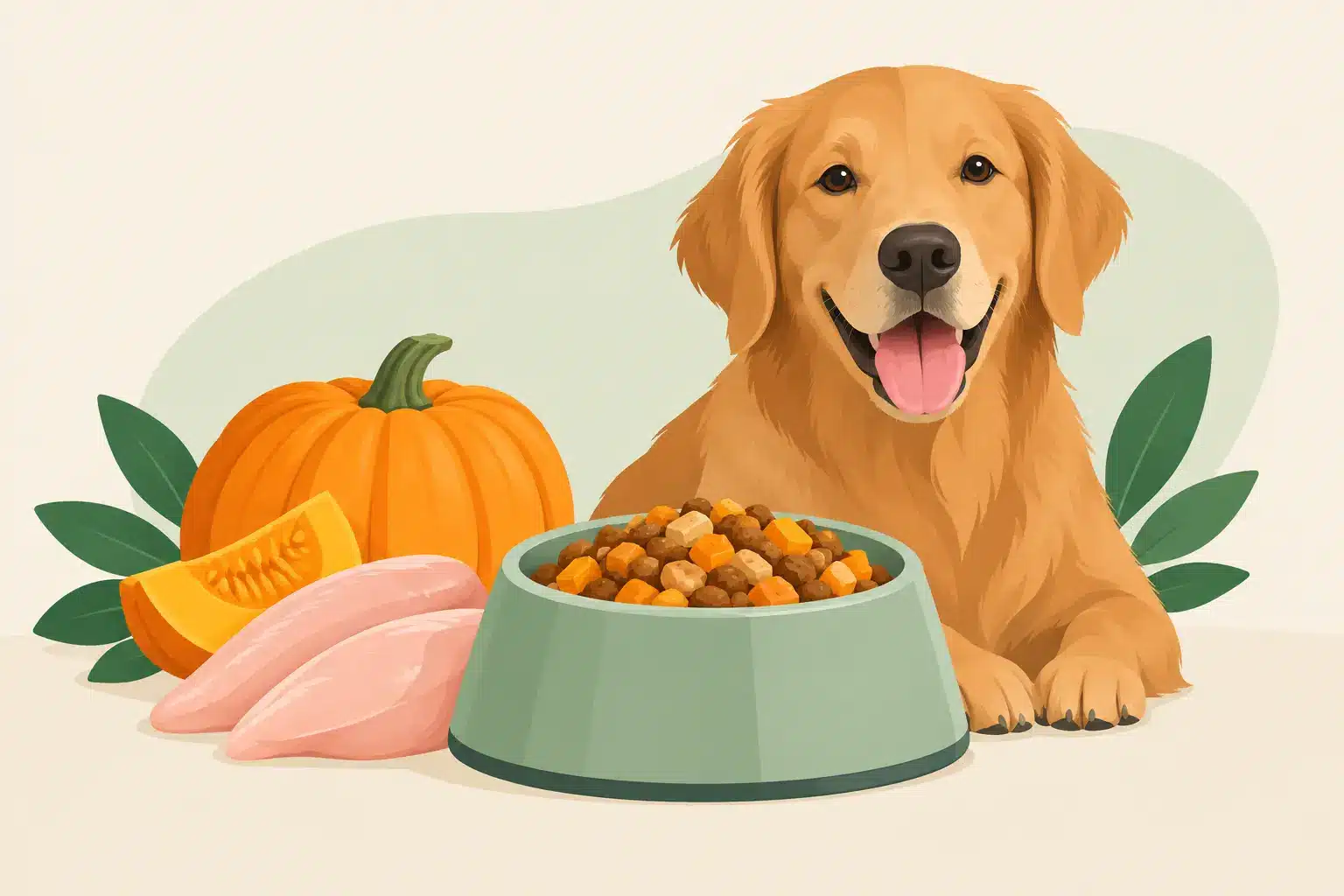
For some dogs, a veterinarian may recommend a measured amount of plain pumpkin or another specific source of soluble fiber. The correct approach depends on your dog’s size, current food, water intake, and medical history. Pumpkin can be useful for some dogs, but it is not a universal fix and should not delay care for a dog that is straining or ill.
Build a Diet That Supports Regularity
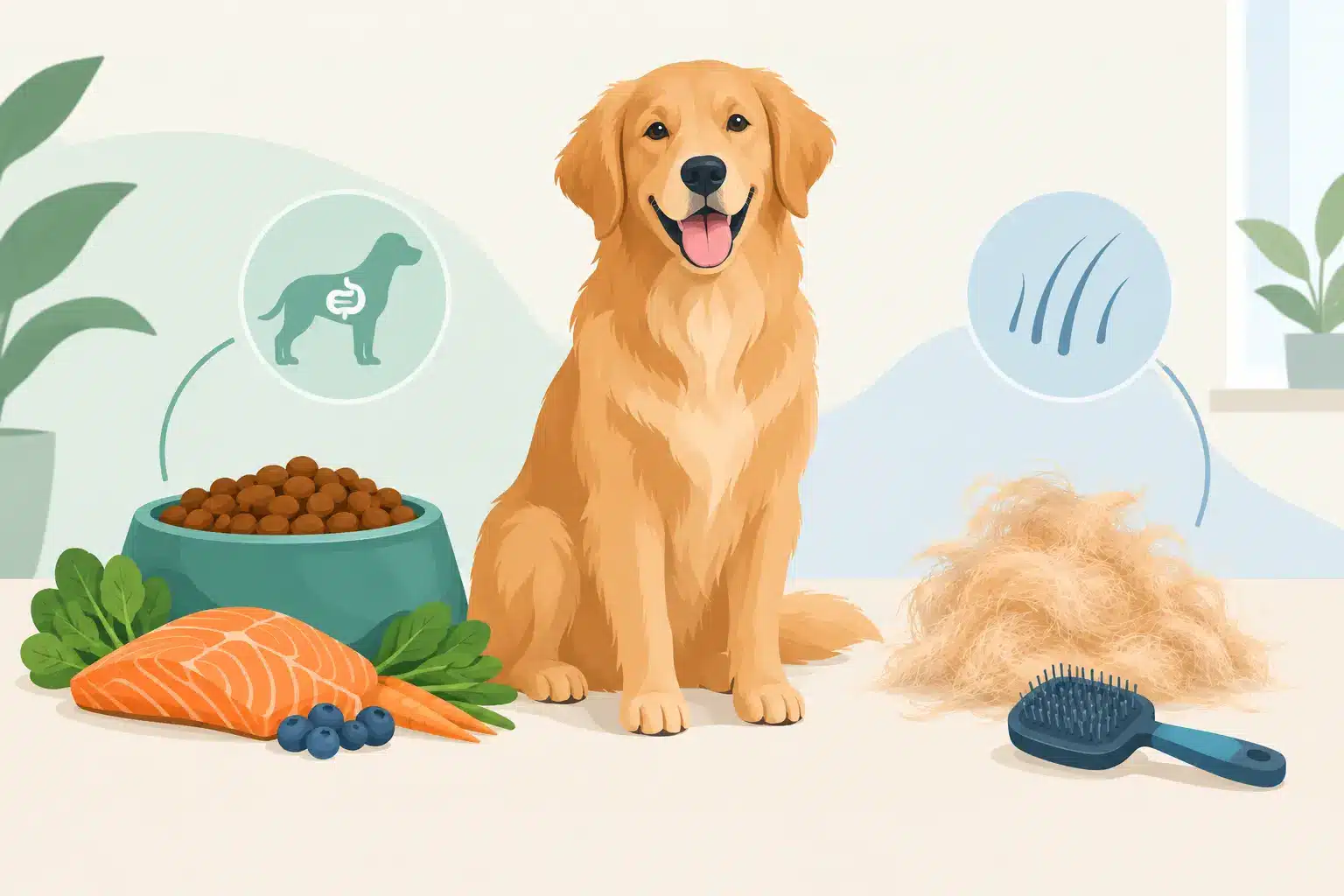
Long-term stool quality starts with a complete and balanced diet, steady feeding habits, hydration, and appropriate activity. Look for nutrition designed to support digestive health rather than relying on occasional quick fixes. Recognizable ingredients and thoughtfully balanced fiber can help nourish the gut while supporting stools that are easier to pass.
Fiber works best as part of a complete nutritional system. Insoluble fiber can support normal movement through the digestive tract, while soluble fiber can help hold water and support beneficial gut microbes. The ideal balance varies by dog, which is why a formula designed for digestive wellness can be more useful than adding large amounts of a single ingredient at home.
Lucy Pet Formulas for Life® are built with P.B.F. Prebiotic Balanced Fiber™ to support healthy digestion, stool quality, and whole-body wellness. If you are changing your dog’s food, transition gradually by mixing increasing amounts of the new food with the old food over several days. This gives the digestive system time to adjust and lets you monitor your dog’s response.
Your veterinarian remains the best partner if constipation is recurrent. Ongoing episodes may call for a review of your dog’s diet, supplements, medication, hydration, mobility, and bowel habits. Bringing notes about frequency, stool appearance, treats, chews, and any recent changes can make that conversation more productive.
A single dry stool after a long day may pass with water, a calm walk, and a return to routine. But a dog who is uncomfortable, repeatedly straining, or showing changes in appetite or energy is asking for more than a home remedy. Respond early, feed with digestive balance in mind, and let your veterinary team help protect the comfort and health that keeps your dog feeling like themselves.

Leave A Comment
You must be logged in to post a comment.