

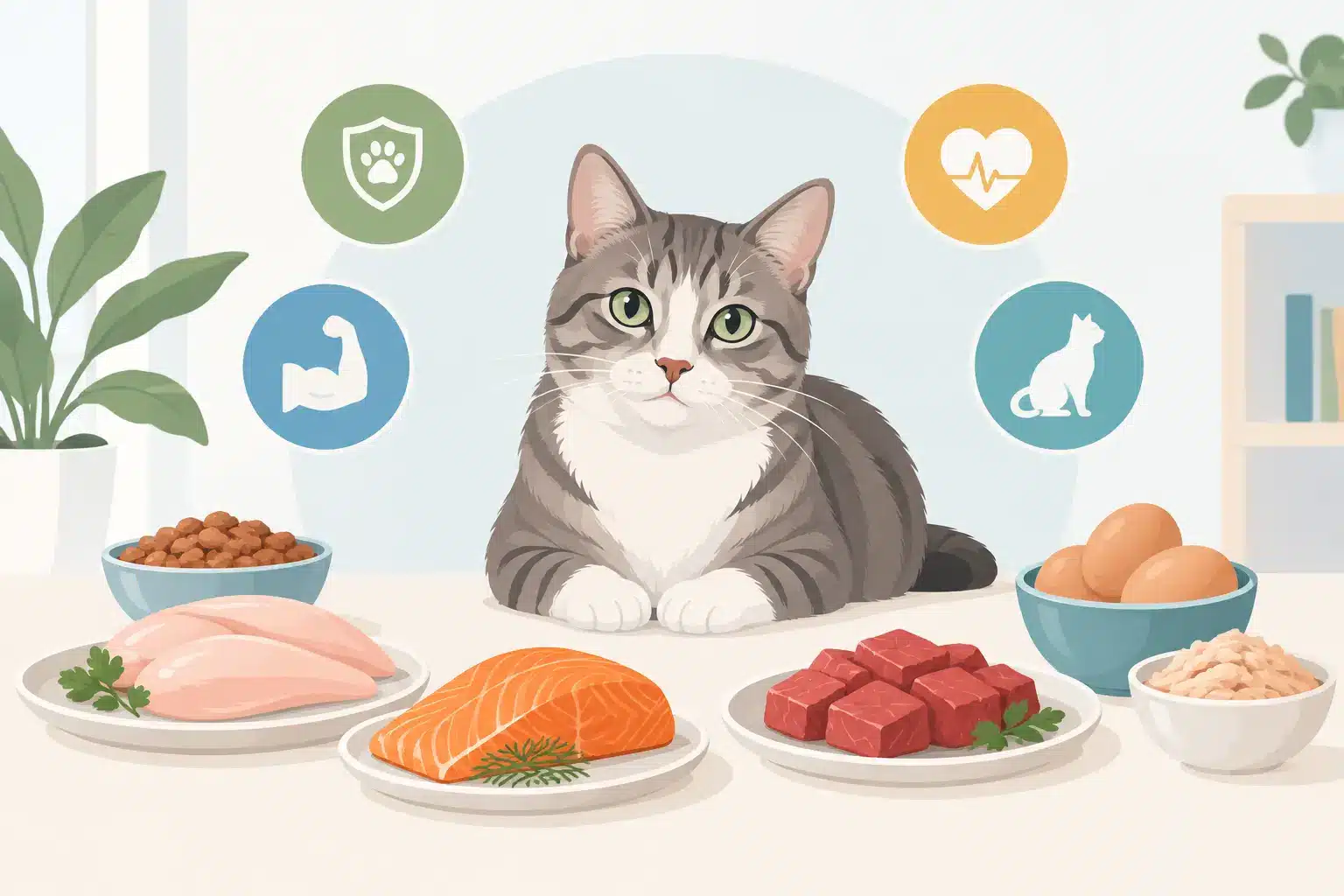
A small amount of pumpkin fiber for cats can be useful when a cat’s stool is less consistent than usual, but it is not a one-size-fits-all digestive fix. Cats have unique nutritional needs as obligate carnivores, and any fiber addition should support – not replace – a complete, balanced cat food designed for daily nourishment.
Pumpkin is often recommended because it contains both soluble and insoluble fiber, along with moisture and naturally occurring nutrients. Used thoughtfully, it may help support healthy stool quality and regularity. Used too generously or for the wrong problem, it can add digestive upset to an issue that may already need veterinary attention.
What pumpkin fiber does for cats
Fiber is the portion of plant foods that is not fully digested in the small intestine. Instead, it moves into the large intestine, where it can influence stool bulk, water balance, and the environment that supports beneficial gut microbes.
Pumpkin contains two useful categories of fiber. Soluble fiber absorbs water and forms a gel-like material in the digestive tract. This can help give loose stool more form in some cats. Insoluble fiber adds bulk and can help encourage normal movement through the intestinal tract, which may be helpful for some cats prone to occasional constipation.
That dual action explains why pumpkin has a reputation for helping with both loose stool and constipation. The result depends on the cat, the amount used, water intake, the rest of the diet, and the underlying cause of the digestive change. Pumpkin is a supportive ingredient, not a diagnosis.
For cats eating a nutrient-dense, high-quality diet, the goal is balance. Too little dietary fiber may not support ideal stool quality for every cat, while too much can dilute the calorie and nutrient density of the diet or lead to gas, bulky stools, and reduced appetite. A carefully formulated food uses fiber as part of a complete nutritional system rather than as an afterthought.
When pumpkin fiber for cats may be helpful
An otherwise bright, comfortable cat with a short-term change in stool consistency may benefit from a modest amount of plain pumpkin, especially during a food transition or after a minor disruption to routine. It may also be considered for cats that occasionally pass dry, firm stool, provided they are drinking normally and have no signs of pain or illness.
Pumpkin can be especially useful as part of a broader digestive wellness plan. That plan should include a complete and balanced diet, consistent meal routines, fresh water, appropriate activity, and gradual food changes. Switching foods abruptly can cause digestive upset even when the new recipe is an excellent nutritional choice.
It is also worth considering the full fiber profile of a cat’s food. Functional fibers and prebiotics may help nourish beneficial gut bacteria, which play a role in digestive and immune health. Lucy Pet’s P.B.F. Prebiotic Balanced Fiber™ approach reflects this principle: digestive support is most meaningful when fiber is balanced within a complete formula, rather than added in large amounts after problems arise.
Loose stool is not always a fiber issue
A little soft stool can occur after stress, a new treat, or a quick diet change. However, diarrhea may also be related to parasites, infection, food intolerance, inflammatory conditions, medication effects, or other health concerns. Pumpkin should not be used to delay care if stool changes are frequent, severe, or accompanied by vomiting, appetite changes, lethargy, or dehydration.
Constipation needs special care
Constipation can look like infrequent stool, small hard stools, straining in the litter box, or repeated trips with little output. Fiber may help some cats, but others need more moisture, veterinary-guided treatment, or evaluation for an underlying condition. Never assume that straining is constipation. Urinary blockage can look similar and is an emergency, particularly in male cats.
Choose the right kind of pumpkin
If you offer pumpkin to your cat, choose plain, 100% canned pumpkin with no added salt, sugar, spices, flavorings, or sweeteners. Fresh cooked pumpkin can also work if it is plain and thoroughly mashed, but canned plain pumpkin is often easier to portion and store.
Pumpkin pie filling is not appropriate for cats. It may contain sugar, spices, dairy ingredients, or sweeteners that can upset the digestive tract. Some products may contain xylitol, which is dangerous for pets. Check the ingredient panel every time, even if the label looks familiar.
Avoid pumpkin products with added butter, oil, broth, onion, garlic, or seasoning blends. Cats do not need these extras, and certain ingredients can be harmful. The simplest option is the safest: plain pumpkin only.
How much pumpkin can a cat have?
Start small. For many adult cats, about one-half to one teaspoon of plain canned pumpkin mixed into food is a reasonable introductory amount. Give the same small amount once daily for a day or two and observe your cat’s stool, appetite, and comfort before offering more.
More is not necessarily better. If your cat develops gas, softer stool, reduced interest in food, or vomiting, stop the pumpkin and contact your veterinarian if symptoms continue. Cats with diabetes, chronic digestive disease, kidney disease, food sensitivities, or a prescribed therapeutic diet should only receive pumpkin with veterinary guidance.
Kittens need additional caution. Their digestive systems are developing, and diarrhea can lead to dehydration quickly. Ask your veterinarian before adding pumpkin or any supplement to a kitten’s meals.
A spoonful of pumpkin should be treated as a temporary food topper or supportive addition, not a daily substitute for well-formulated nutrition. If your cat regularly needs added pumpkin to maintain comfortable, normal stools, that is useful information to share with your veterinarian. It may signal that the current diet, hydration routine, stress level, or medical status needs a closer look.
Support digestion beyond the pumpkin spoonful
Healthy digestion begins with what your cat eats every day. Look for complete and balanced nutrition appropriate for your cat’s life stage, with quality animal-based protein and a thoughtfully designed fiber profile. For cats with sensitive digestion, consistency matters just as much as ingredient selection.
When changing foods, transition gradually over seven to 10 days. Begin by mixing a small amount of the new food with the old food, then slowly increase the new food while monitoring litter box habits. This gives the digestive tract time to adapt and makes it easier to identify whether a formula agrees with your cat.
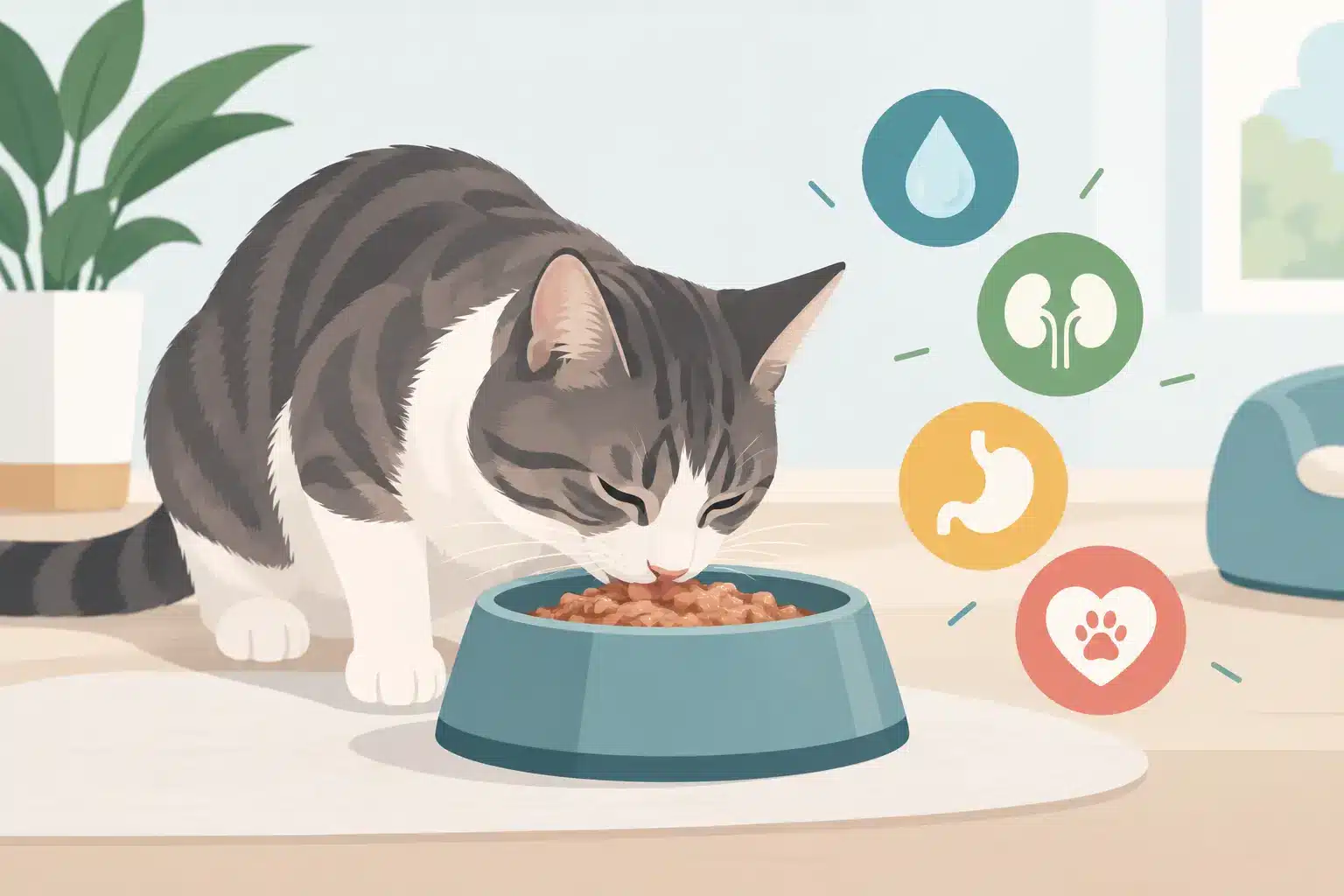
Hydration also deserves attention, particularly for cats that eat mostly dry food or tend to produce firm stools. Fresh water in multiple locations, a clean water bowl, and moisture-rich meals can all support normal digestive function. Some cats are more interested in drinking from a fountain or a wide, shallow bowl.
Keep treats and table foods modest during a digestive reset. A cat may have a perfectly balanced main diet but still experience loose stool after rich treats, dairy, fatty people food, or frequent ingredient changes. A short period of simplicity can make patterns easier to spot.
When to call your veterinarian
Contact your veterinarian promptly if your cat has diarrhea lasting more than a day or two, repeated vomiting, blood or black stool, noticeable pain, a swollen abdomen, weakness, fever, or refusal to eat. Seek urgent care if your cat strains to urinate, produces little or no urine, or cries in the litter box.
For constipation, call sooner rather than later if your cat is straining, has not produced stool for more than 24 to 48 hours, seems painful, or is vomiting. Cats are skilled at hiding discomfort, so a change in litter box behavior should always be taken seriously.
Pumpkin can be a gentle, practical tool for occasional digestive support, but your cat’s daily comfort is the real measure. Pay attention to the litter box, keep meals consistent, and let persistent changes guide you toward a conversation with your veterinary team.


Leave A Comment
You must be logged in to post a comment.