

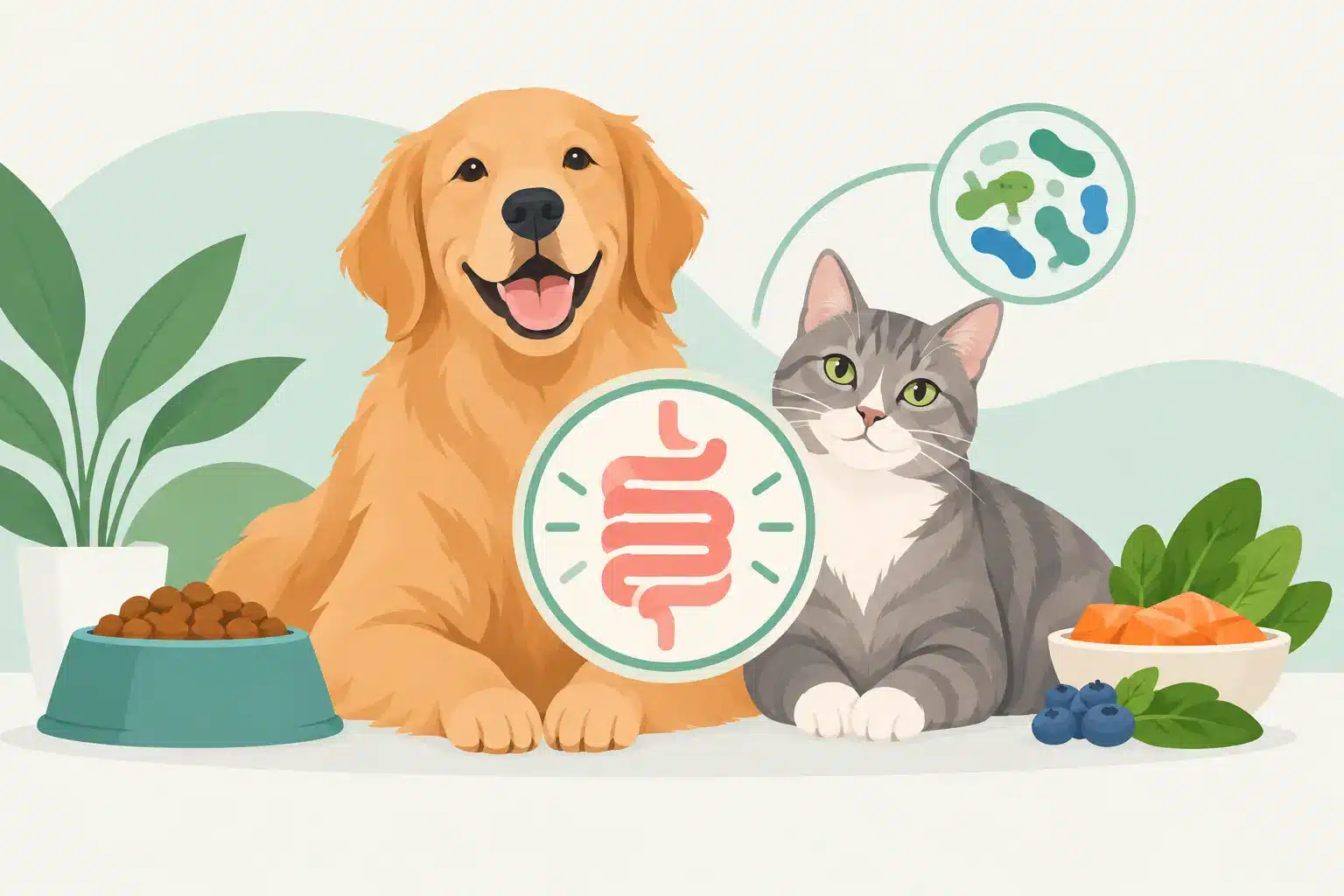
Your pet’s digestive system does far more than process a meal. The gut is home to a large community of microorganisms that can influence digestion, stool quality, immune function, and everyday comfort. So, what is prebiotic fiber? It is a type of fiber that helps nourish beneficial bacteria already living in your dog or cat’s digestive tract.
Unlike a vitamin or protein source, prebiotic fiber is not primarily there to feed your pet directly. It reaches the lower digestive tract, where beneficial bacteria can ferment it and use it as fuel. When the right bacteria are supported, they can help create a healthier, more balanced intestinal environment.
What Is Prebiotic Fiber and How Does It Work?
Prebiotic fiber is a non-digestible carbohydrate that selectively supports beneficial microorganisms in the gut. Your pet does not fully break it down in the stomach or small intestine. Instead, it travels to the large intestine, where certain helpful bacteria ferment it.
That fermentation process produces compounds called short-chain fatty acids. These compounds help support the cells lining the colon and can contribute to normal digestive function. A well-supported gut environment may also help your pet absorb nutrients effectively and maintain regular, well-formed stools.
Prebiotics are often confused with probiotics, but they play different roles. Probiotics are live beneficial microorganisms that are added to food or supplements. Prebiotics are the fuel source that helps beneficial microorganisms thrive. Think of probiotics as the helpful residents of the gut and prebiotic fiber as part of the nourishment that helps them stay established.
Both can have a place in a pet wellness plan, but prebiotic fiber is especially valuable because it supports the beneficial bacteria your pet already has. The result is not an overnight fix. Gut health is built through consistent nutrition, appropriate fiber levels, and a diet that agrees with your individual pet.
Why Prebiotic Fiber Matters for Pet Health
A healthy digestive system can affect much more than what happens in the backyard or litter box. The gut is closely connected to immune health because a significant portion of the immune system is associated with the digestive tract. Supporting a balanced gut microbiome gives your pet’s body a stronger nutritional foundation for whole-body wellness.
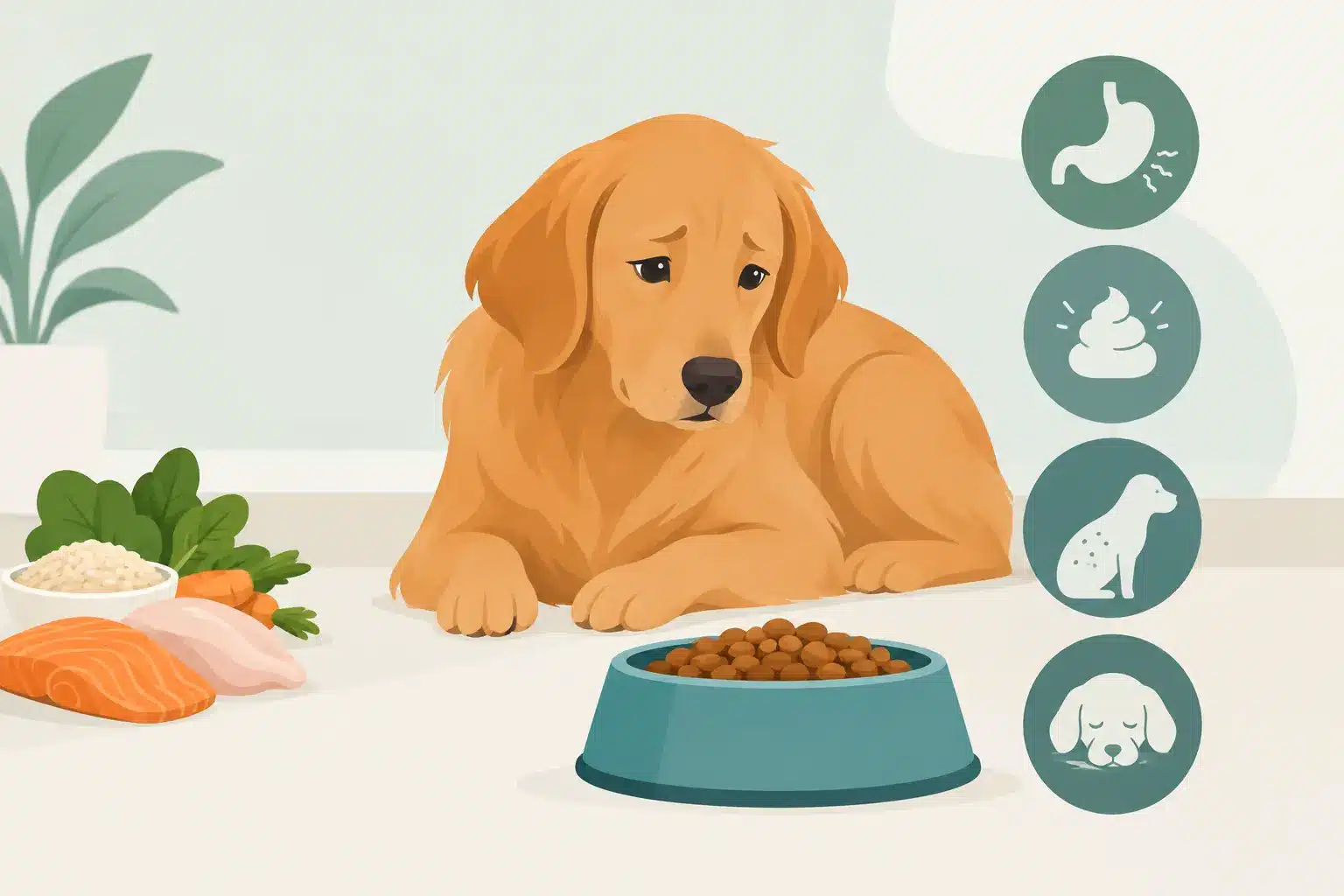
For many pet parents, stool quality is the first noticeable sign that a diet is or is not working well. Stool that is consistently loose, overly hard, difficult to pass, or unpredictable can point to several possible concerns, including dietary intolerance, stress, parasites, illness, or an imbalance in fiber intake. Prebiotic fiber is not a diagnosis or a treatment, but the right type and amount of fiber can support healthy digestive regularity.
Pets may also benefit from a balanced fiber approach when they are transitioning foods, managing occasional digestive sensitivity, or adjusting to changes in routine. Travel, boarding, new household members, and shifts in activity can all affect digestion. A nutritionally complete diet with thoughtfully selected fiber sources can help support consistency during normal life changes.
Fiber Is Not One-Size-Fits-All
It is tempting to assume more fiber is always better. It is not. Too little fiber may leave some pets without the digestive support they need, while too much fiber may contribute to excess gas, larger stools, reduced calorie density, or loose stool in sensitive animals.
The ideal amount depends on your pet’s age, size, activity level, health history, calorie needs, and the rest of the recipe. Dogs and cats also have different nutritional needs. Cats are obligate carnivores, yet they can still benefit from carefully formulated fiber sources in an appropriate diet. The goal is balance, not simply adding as much fiber as possible.
Common Sources of Prebiotic Fiber in Pet Food
Prebiotic fibers can come from several plant-based ingredients. Some fibers are naturally present in fruits, vegetables, legumes, and grains, while others may be included in a formula in more concentrated forms. The ingredient itself matters, but the complete nutritional design matters even more.
Common sources may include chicory root, inulin, beet pulp, certain whole grains, and select fruits and vegetables. Pumpkin is well known among pet parents for its fiber content and can be useful as part of a balanced recipe, though it is not automatically the answer to every digestive concern. Ingredients such as brown rice and quinoa may also contribute fiber while providing other nutrients and energy.
Different fibers behave differently in the digestive system. Some are more fermentable, meaning gut bacteria can use them readily. Others add bulk or help hold water in the stool. A quality food may use a blend of fiber types to support both beneficial bacteria and normal stool formation.
That distinction is why it is better to look beyond a single trendy ingredient. A scoop of pumpkin or a fiber supplement may be appropriate in certain situations, but it should not replace a complete and balanced diet formulated for your pet’s life stage. If your pet has ongoing digestive symptoms, your veterinarian is the right partner for identifying the cause.
Signs Your Pet May Need More Digestive Support
No single sign proves that a pet needs prebiotic fiber. Still, changes in digestive habits are worth noticing. Recurrent loose stools, straining, unusually hard stools, frequent gas, or inconsistent stool volume can all be reasons to take a closer look at your pet’s diet and health.
A dull coat, reduced appetite, vomiting, weight loss, blood in the stool, or a sudden change in bathroom habits deserve prompt veterinary attention. These signs can have causes that go far beyond fiber. Prebiotics support wellness, but they are not a substitute for veterinary care when something seems wrong.
For pets who are otherwise healthy, a diet with balanced prebiotic fiber may be a helpful part of a broader nutrition strategy. Look for a food that is complete and balanced for the appropriate life stage, contains clearly identified ingredients, and provides nutrition that matches your pet’s lifestyle. A highly active dog, a sedentary indoor cat, and a growing puppy will not all thrive on the same nutritional profile.
How to Introduce a Prebiotic Fiber-Rich Food
Any food change should be gradual, even when you are moving to a premium formula designed for digestive wellness. A slow transition gives your pet’s digestive system time to adapt to changes in protein, fat, fiber, and calorie density.
Over about seven to 10 days, begin by mixing a small amount of the new food with your pet’s current food. Increase the new food gradually while decreasing the old food. Some sensitive pets benefit from an even slower transition. During this period, monitor appetite, energy, stool consistency, and signs of digestive discomfort.
Keep treats and extras in mind, too. A new food may be well formulated, but frequent table scraps, rich chews, or multiple new supplements can make it difficult to tell what is affecting your pet’s digestion. Consistency gives you the clearest picture of how a food is working.
Lucy Pet’s P.B.F. Prebiotic Balanced Fiber™ approach reflects this balanced philosophy: fiber should support healthy digestion without losing sight of complete nutrition, palatability, and the needs of the whole pet. The most beneficial food is not defined by one ingredient claim. It is defined by how the complete recipe supports your pet day after day.
Choosing Food With Prebiotic Fiber
When evaluating a food, start with the nutritional adequacy statement and ensure the formula is appropriate for your pet’s species and life stage. Then consider the ingredient list, the brand’s formulation standards, and whether the recipe aligns with your pet’s known sensitivities or preferences.
It also helps to set realistic expectations. A food that supports the gut may contribute to more consistent stools and comfortable digestion over time, but every pet responds differently. Age, medications, stress, water intake, exercise, parasites, and underlying health conditions can all influence results.
The best sign of a good nutritional fit is a pet who is eager to eat, maintains a healthy body condition, has normal energy, and produces consistently healthy stools. Prebiotic fiber can be an important part of that picture, especially when it is included as part of a complete, carefully balanced diet.
Your pet cannot tell you how their microbiome is doing, but their daily habits often offer useful clues. Paying attention to those small signs, choosing nutrition with purpose, and making changes patiently can help support a healthier, happier life from the inside out.


Leave A Comment
You must be logged in to post a comment.