

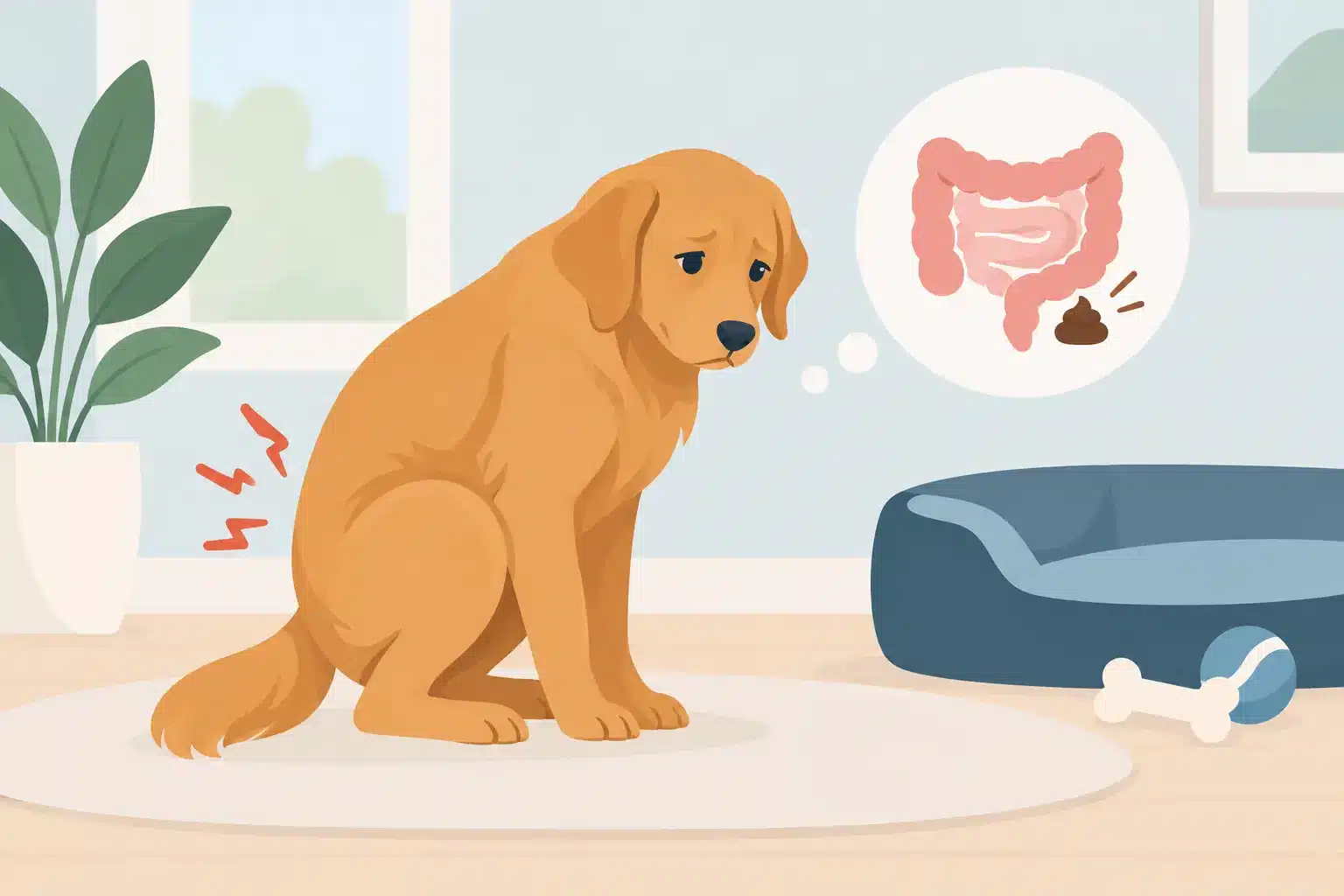
A dog who once cleaned the bowl in seconds may suddenly sniff dinner, walk away, or deal with inconsistent stools seemingly out of nowhere. That shift is often one of the first signs that senior dog digestion support deserves more attention. As dogs age, the digestive system can become less resilient, which means the food and feeding habits that worked for years may no longer deliver the same comfort, stool quality, or steady energy.
That does not always mean something is seriously wrong. It does mean older dogs benefit from a more thoughtful approach to nutrition, ingredient quality, fiber balance, and routine. Digestive wellness in the senior years is closely tied to whole-body health, including immunity, nutrient absorption, hydration, weight management, and day-to-day quality of life.
Why digestion changes in senior dogs
Aging affects more than joints and energy level. The gut changes too. Some senior dogs produce digestive enzymes less efficiently, while others become more sensitive to rich foods, abrupt diet changes, or ingredients they handled well when they were younger. Chewing may also become harder if dental issues are present, and that can affect how well food is broken down before it reaches the stomach.
Activity level matters as well. A slower, less active dog may have different calorie needs and different digestive patterns than a younger adult dog with a faster metabolism. Reduced movement can sometimes contribute to sluggish digestion or weight gain, while underlying health conditions may influence appetite, stool quality, and tolerance for fat or certain proteins.
The gut microbiome is another part of the picture. A healthy digestive tract depends on beneficial bacteria, balanced fermentation, and the right kind of fiber. In senior dogs, that balance can become easier to disrupt. When it does, you may notice gas, loose stool, constipation, more frequent stomach upset, or changes in how often your dog wants to eat.
What senior dog digestion support should include
Effective senior dog digestion support is not about one miracle ingredient. It is about the relationship between digestible protein, balanced fiber, healthy fats, hydration, and feeding consistency.
Protein still matters in the senior years, but quality becomes even more important. Older dogs need protein that is digestible and appropriate for their overall health status. Too little can work against muscle maintenance, but very rich or poorly digested protein sources may be harder on sensitive stomachs. The right answer depends on the dog, especially if your veterinarian is monitoring kidney, liver, or pancreatic concerns.
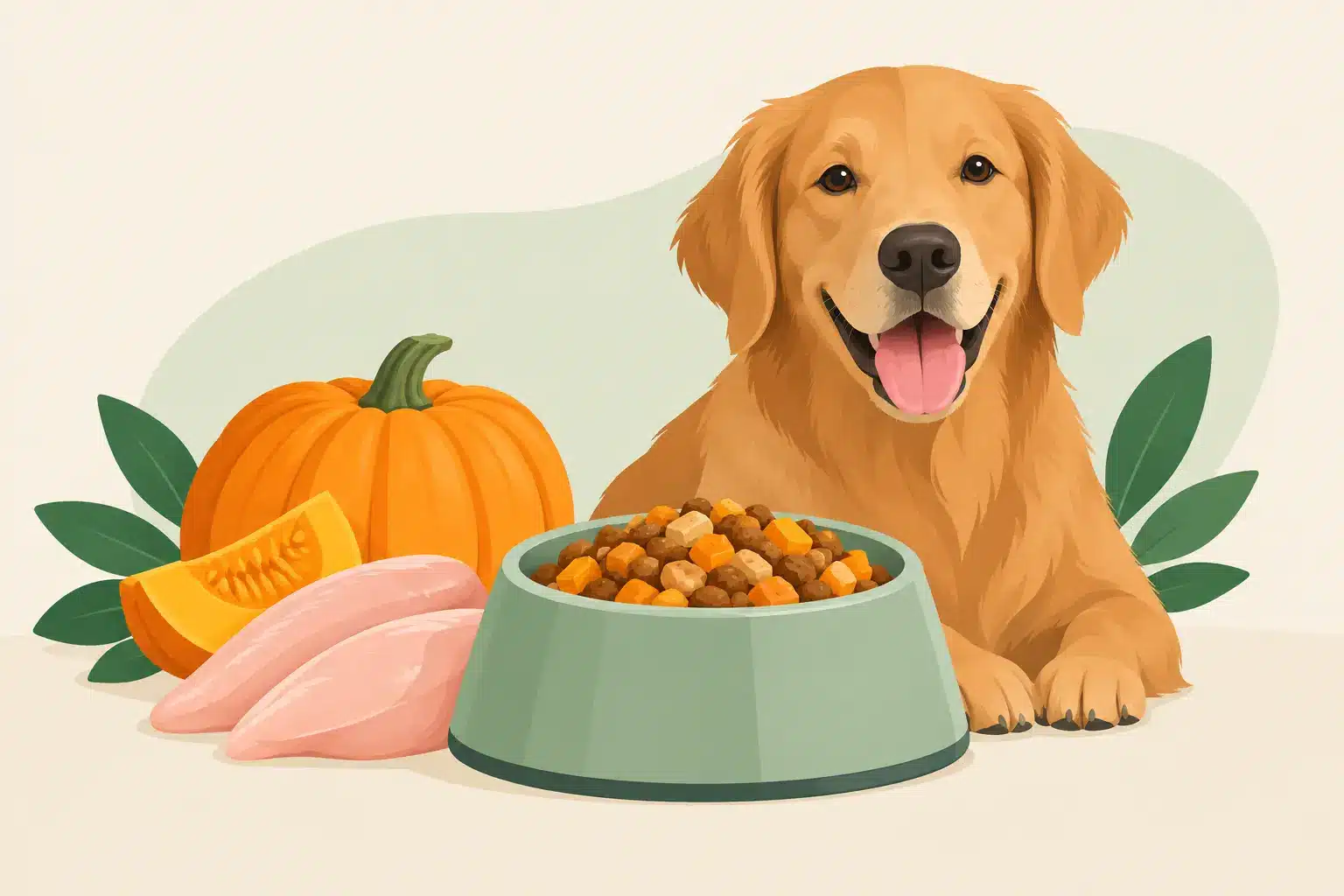
Fiber deserves special attention. This is where many pet owners see a real difference in stool quality and digestive comfort. The goal is not simply more fiber. It is the right balance of fibers that support healthy digestion without causing excess bulk, gas, or reduced nutrient absorption. Ingredients such as pumpkin and other carefully selected fiber sources can help support normal stool formation and healthy gut function when used in a well-formulated diet.
Fat content can also become a bigger issue with age. Some older dogs do well on moderate fat levels, while others are less tolerant of richer foods and treats. If your dog seems to have digestive flare-ups after table scraps or high-fat snacks, the problem may be less about aging itself and more about a digestive system that now needs steadier, cleaner nutrition.
Signs your older dog may need digestive help
Sometimes the signs are obvious, like diarrhea or vomiting. More often, they are subtle. A senior dog may have stool that is softer than usual one week and dry the next. You might notice more gas, a gurgling stomach, reluctance to finish meals, lip licking after eating, or a drop in enthusiasm around food.
Body condition can offer clues too. If your dog is losing weight despite eating normally, or gaining weight while eating the same amount, digestion and nutrient utilization may be part of the equation. Coat quality may change as well. Dull fur and flaky skin are not always digestive in origin, but the gut plays a major role in how nutrients are absorbed and used throughout the body.
These changes should not be brushed off as just old age. They are signals worth paying attention to, especially if they persist or worsen.
Choosing food for senior dog digestion support
The label matters, but formulation matters more. A food can sound healthy and still be too rich, too inconsistent, or poorly balanced for an older dog with a sensitive digestive tract. Look for diets built around digestibility, ingredient transparency, and a clear philosophy of gut health.
Recognizable ingredients are a good starting point, but they are only part of the story. Chicken, salmon, duck, pumpkin, brown rice, and quinoa can all have a place in a senior diet when used thoughtfully. What matters is how the full formula works together to support stool quality, nutrient absorption, and microbiome balance.
This is where a science-led approach to fiber can be especially valuable. A carefully balanced blend of prebiotic-supporting fiber sources can help nourish beneficial gut bacteria and support more consistent digestion. Lucy Pet Products has centered much of its nutritional philosophy on digestive health, including its P.B.F. Prebiotic Balanced Fiber concept, because digestive balance does not happen by accident. It is built through formulation.
Texture may matter too. Some senior dogs do better with softer foods, stews, or food rolls if chewing dry kibble has become uncomfortable. Others continue to thrive on dry food, especially when the formula is highly digestible and the dog remains well hydrated. There is no single correct format. The best choice is the one your dog digests well, enjoys eating, and can manage comfortably.
Feeding habits that support an aging gut
Even an excellent food can underperform if the feeding routine is inconsistent. Senior dogs often benefit from predictable meal times and measured portions. Feeding smaller meals more than once a day may be gentler on the digestive tract for some dogs, particularly those who struggle with large meals or occasional nausea.
Treats should be part of the nutrition conversation, not an afterthought. A dog can eat a carefully balanced diet and still deal with digestive upset because of frequent extras, high-fat chews, or table food. If stools are inconsistent, look at everything going into the bowl and beyond it.
Hydration is easy to overlook, but it is essential for digestion. Adequate water intake supports stool quality and overall gut function. Senior dogs eating dry food may especially benefit from close attention to water consumption. Some dogs naturally drink less with age, and others need more encouragement through fresh water access or moisture-rich meal options.
Diet transitions should also move more slowly in seniors. A younger dog may switch foods with minimal trouble. An older dog with a sensitive gut often needs a gradual transition over at least seven to ten days, and sometimes longer. If your dog has a history of digestive sensitivity, slower is usually better.
When it depends on the individual dog
Not every senior dog needs a special senior diet, and not every digestive issue is fixed with fiber. That is why context matters. A healthy 9-year-old dog with a strong appetite and normal stools may simply need a high-quality, digestible diet with good fiber balance. A 13-year-old dog with chronic loose stool, weight loss, or repeated vomiting needs a more careful evaluation.
Breed, size, medical history, medications, and activity level all shape what digestive support should look like. Large-breed seniors may have different metabolic and mobility factors than small-breed seniors who stay active into later years. Dogs with pancreatitis history, food sensitivities, endocrine disease, or dental issues need a more individualized plan.
This is also where working with your veterinarian matters. Persistent digestive symptoms can point to parasites, inflammatory issues, organ dysfunction, food intolerance, or other conditions that need more than a food change. Nutrition is powerful, but it works best when matched to the dog in front of you.
A practical way to support better digestion now
If your senior dog is showing signs of digestive change, start simple. Review the current diet, treats, and meal routine. Look at stool quality over time, not just on one off day. Choose food with highly digestible ingredients and thoughtfully balanced fiber rather than chasing trendy claims. Keep feeding times consistent, transition slowly, and monitor how your dog responds over two to four weeks.
The best outcomes usually come from steady support, not dramatic fixes. An aging digestive system tends to do better with balance than with constant change. When nutrition supports the gut well, many pet parents notice more than improved stools. They often see better appetite, steadier energy, easier weight management, and a dog who simply seems more comfortable.
A healthy gut cannot turn back the clock, but it can make the senior years feel a lot better from the inside out.

Leave A Comment
You must be logged in to post a comment.