

Cats are famous for rejecting change, and food is often where they draw the line. If you are wondering how to switch cat food without triggering digestive upset, the answer is usually not faster or firmer – it is slower, more deliberate, and based on what your cat’s body is telling you.
A food transition is not just about getting your cat to accept a new taste. It is also about protecting digestive balance. Sudden diet changes can lead to vomiting, loose stool, gas, reduced appetite, or a cat that simply walks away from the bowl. A gradual transition gives the digestive system time to adapt to new protein sources, fat levels, fiber blends, and ingredient profiles.
How to Switch Cat Food the Right Way
For most healthy adult cats, the best approach is a gradual transition over 7 to 10 days. Start by mixing a small amount of the new food into the current food, then slowly increase the proportion of the new formula every few days. This gives your cat time to adjust both physically and behaviorally.
A common schedule starts with about 75 percent old food and 25 percent new food for the first few days. If your cat is doing well, move to a half-and-half mix, then 25 percent old food and 75 percent new food, and finally the new food only. Some cats do fine on this pace. Others need more time, especially if they have a sensitive stomach, a history of food refusal, or are moving to a formula with a different protein or fiber profile.
That is where pet parents often run into trouble. They assume the transition failed because the cat hesitated at the bowl once or had one softer stool. In reality, some adjustment is normal. The key is to watch for patterns, not one isolated moment.
Why Cats React to Food Changes
Cats do not process every formula the same way. Even when both foods are high quality, the ingredient mix can differ in meaningful ways. Protein source, fat content, moisture level, and fiber balance all affect digestion.
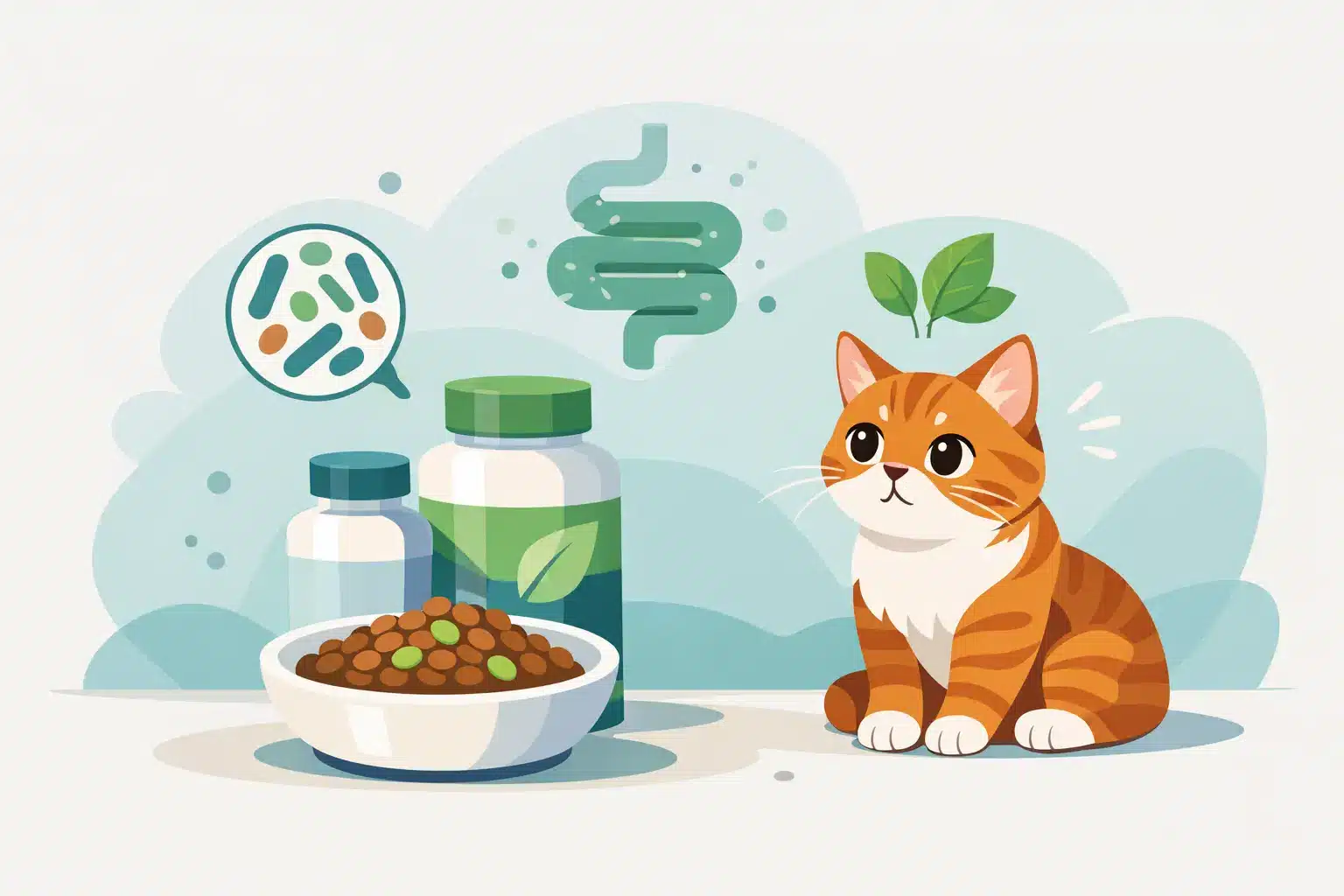
A formula built with digestive support in mind can make this process easier. Balanced fiber, for example, can help support stool quality and a healthier gut environment during a transition. That matters because the digestive tract is not just where food is broken down – it is also closely tied to immune health, nutrient absorption, and overall comfort.
Texture can matter as much as ingredients. A cat switching from dry kibble to wet food, or from one kibble shape to another, may resist at first simply because the eating experience feels unfamiliar. Some cats are highly routine-driven and need extra time to trust a new bowl.
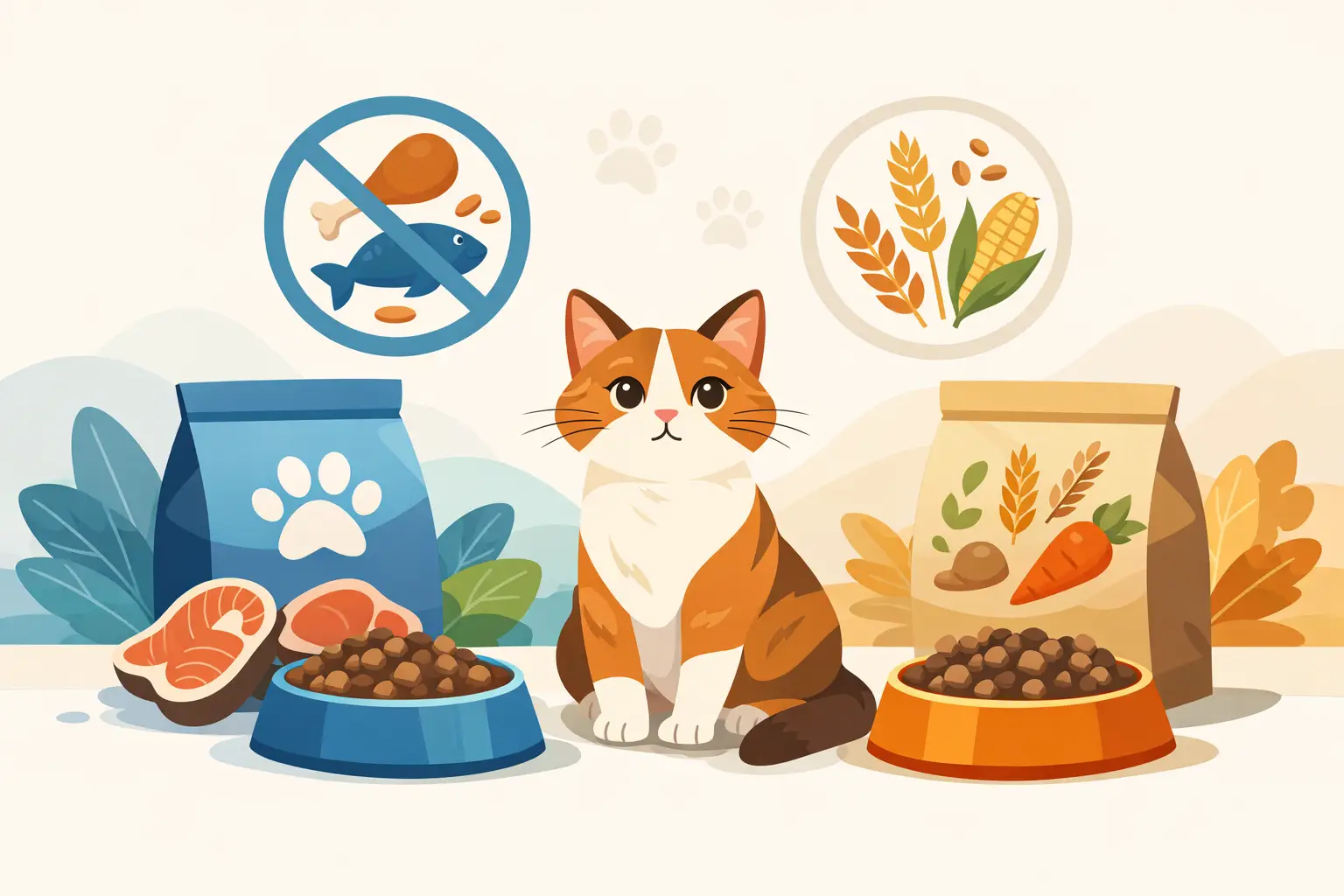
Flavor preferences also play a role. A cat that has eaten chicken for years may be suspicious of salmon or duck, even if the new formula is nutritionally excellent. That does not mean the new food is wrong. It means your cat may need a slower introduction.
When to Go Slower
Some cats should not be rushed. If your cat has a sensitive digestive system, inconsistent stool quality, frequent hairballs, or a history of vomiting after meals, plan for a longer transition. The same is true for senior cats, very picky eaters, and cats recovering from illness.
In those cases, stretching the transition to 10 to 14 days is often the better choice. You might stay at each mixing stage for several days instead of moving forward quickly. If your cat shows signs of digestive stress, it is usually wise to pause at the current ratio rather than pushing ahead.
Going slower is not a setback. It is often the most effective way to get to the finish line without creating avoidable stress on the digestive system.
Signs the Transition Is Going Well
A successful switch is not only about finishing the bowl. It is about how your cat looks and feels over time. Appetite should remain steady or return quickly after an initial pause. Stool should stay reasonably formed. Energy, hydration, and litter box habits should remain consistent.
Some pet parents also notice broader wellness changes after a successful transition to a thoughtfully formulated diet. Better stool quality, less digestive noise, improved coat condition, and more consistent appetite can all point to a formula that better supports whole-body health.
This is one reason premium nutrition matters. When a cat food is formulated with digestibility and ingredient quality in mind, the transition can feel less like trial and error and more like a controlled, healthy adjustment.
Signs Something Is Off
Not every reaction means the new food is wrong, but some signs deserve attention. Repeated vomiting, persistent diarrhea, ongoing refusal to eat, lethargy, or signs of discomfort are not things to wait out for too long. Cats can become dehydrated quickly, and a prolonged drop in food intake is especially concerning.
If your cat stops eating altogether, contact your veterinarian. This is particularly important for overweight cats, senior cats, and cats with existing health issues. Cats are not small dogs – fasting can create serious metabolic problems.
You should also speak with your veterinarian before changing food if your cat has kidney disease, diabetes, food allergies, inflammatory bowel concerns, or a history of urinary issues. In those situations, the right transition plan may depend on the medical reason for the diet change.
Dry to Wet, Wet to Dry, or Formula to Formula
How to switch cat food can look slightly different depending on the kind of change you are making. A dry-to-dry switch is usually the most straightforward because the texture stays familiar. A wet-to-wet switch may also go smoothly if the flavors are similar.
Dry to wet can be harder for routine-loving cats, even though many cats benefit from increased moisture intake. Start with a very small amount of wet food mixed into or offered alongside the usual meal. Some cats prefer the foods separate at first rather than mixed together.
Wet to dry can also require patience, especially if the cat is used to strong aroma and moisture. In that case, offering small measured portions of the new dry food while maintaining a gradual blend may work better than replacing meals too quickly.
If you are changing both format and protein source at the same time, expect the process to take longer. One change is easier for the digestive system and for the cat’s preferences than two major changes at once.
Simple Ways to Help a Picky Cat Accept New Food
Presentation matters more than many people realize. Serve the food at regular meal times rather than leaving it out all day if your veterinarian agrees your cat can eat on a schedule. Fresh food is more appealing than food that has been sitting too long, especially canned food.
You can also make the new food easier to investigate. Mixing thoroughly helps some cats avoid eating around the new pieces, while other cats prefer a small amount placed beside their usual food so they can sniff and sample without feeling tricked. There is no single rule here. It depends on your cat’s personality.
If your cat is hesitant, stay calm. Repeatedly changing strategies or offering too many alternatives can teach a cat to hold out for something else. Consistency helps. So does keeping the feeding area quiet and low stress.
For cats with sensitive digestion, a formula designed to support gut health can be especially useful during this period. Lucy Pet’s nutrition philosophy centers on digestive wellness, including balanced fiber support to help maintain healthy digestion while the body adjusts to a new food.
Patience Is Part of the Process
The biggest mistake pet parents make is assuming a good new food should work instantly. Sometimes it does. Often, it takes time. Cats are individuals, and a transition that feels easy for one may need extra care for another.
If you move gradually, monitor litter box changes, and respect your cat’s pace, you give the new diet a fair chance to succeed. Better nutrition is not about making a dramatic overnight change. It is about helping your cat arrive at a healthier routine with as little stress as possible.
When you approach the switch with patience and a focus on digestive health, mealtime becomes less of a battle and more of a steady step toward long-term wellness.



Leave A Comment
You must be logged in to post a comment.