

One stolen scoop from the cat’s bowl can be enough to leave a dog with vomiting, diarrhea, or a painful upset stomach later that day. If you’ve ever wondered why does cat food make dogs sick, the short answer is that cat food is formulated for a very different animal with very different nutritional needs. Dogs may love the smell and taste, but what appeals to them is often exactly what makes it hard on their digestive system.
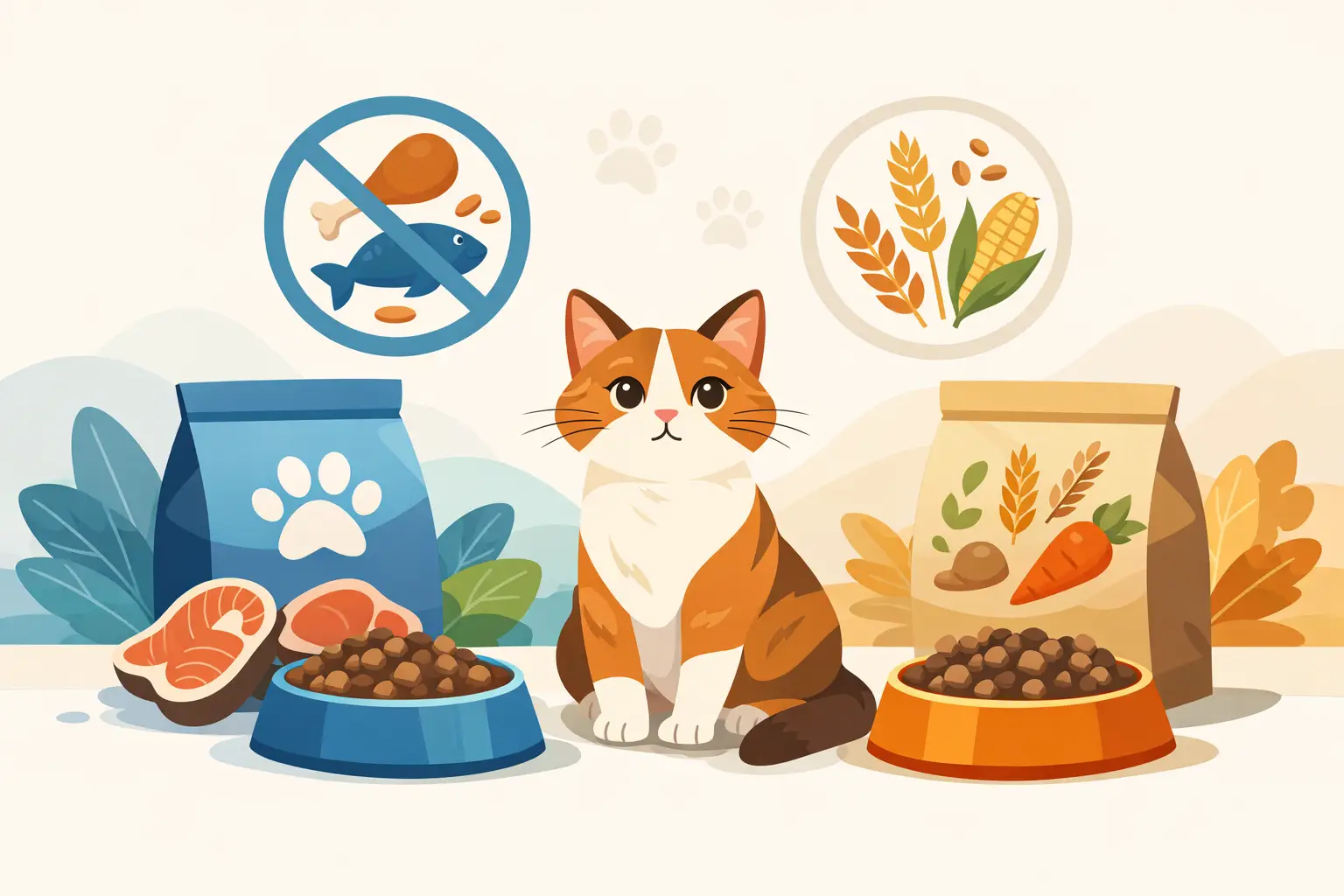
Cats and dogs are both carnivores in the broad pet-owner sense, but nutritionally they are not interchangeable. Cats are obligate carnivores, which means they depend much more heavily on animal-based protein and fat. Dog food, by contrast, is designed for an omnivorous species with different calorie needs, different nutrient targets, and different digestive tolerances. That gap matters more than many pet parents realize.
Why does cat food make dogs sick so quickly?
In many cases, the problem starts with richness. Cat food is usually higher in fat, denser in calories, and often more concentrated in animal protein than dog food. That richer profile can overwhelm a dog’s digestive tract, especially if the dog has a sensitive stomach, a history of loose stool, or a tendency to eat too fast.
A dog that sneaks cat food may seem fine at first, then develop nausea, gas, soft stool, or vomiting within hours. Some dogs only experience mild digestive upset. Others can react more dramatically, particularly small breeds, seniors, or dogs prone to pancreatitis. The amount matters, but so does the dog’s underlying health.
Cat food is also highly palatable by design. It often contains strong aromas and richer fat levels that make it irresistible. That means dogs tend not to nibble politely. They gulp it down, and that alone can trigger stomach upset even before the nutritional mismatch comes into play.
The nutritional mismatch between cat food and dog food
The biggest issue is not that cat food is “bad” food. It’s that it is the wrong food for a dog.
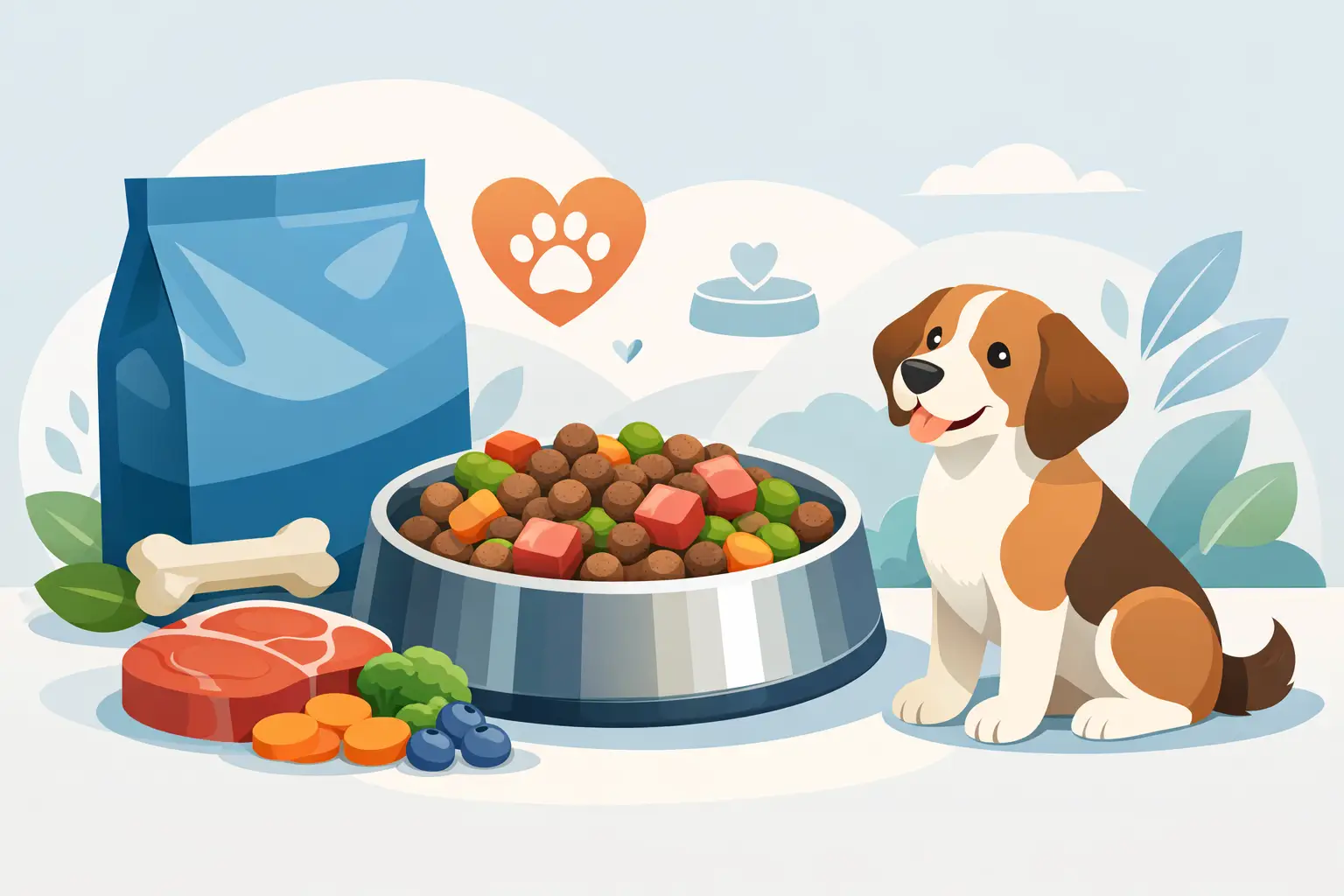
Cats require higher levels of certain nutrients, including protein and specific amino acids such as taurine. Their food is built to meet feline metabolism, not canine digestive balance. Dogs need complete and balanced nutrition for their own species, including appropriate levels of protein, fat, fiber, vitamins, and minerals that support steady energy, healthy stool quality, skin, coat, and long-term wellness.
When a dog eats cat food occasionally, the result is usually digestive upset rather than a dangerous deficiency. But if a dog eats cat food regularly, the concern shifts from a simple stomachache to an ongoing nutritional imbalance. Too much fat, excess calories, and the wrong overall nutrient profile can contribute to weight gain, digestive strain, and in some dogs, more serious metabolic stress.
This is where formulation really matters. Digestive health is not just about whether food gets eaten. It is about whether the recipe supports the species eating it, how well nutrients are absorbed, and how consistently the gut can process that formula day after day.
Why fat content is often the main culprit
If you are asking why does cat food make dogs sick after only a small amount, fat is often the answer. Many cat foods are significantly higher in fat than dog foods because cats rely heavily on fat as an energy source. For dogs, especially those with sensitive digestion, that extra fat can be a problem.
A sudden high-fat meal can irritate the stomach and intestines, leading to vomiting or diarrhea. In more serious cases, it can inflame the pancreas, an organ that helps digest fat and regulate blood sugar. Pancreatitis can be painful and sometimes severe, and it is more likely in dogs that are already at risk, such as overweight dogs, miniature schnauzers, older dogs, and dogs with a history of digestive episodes.
Not every dog who steals cat food will develop pancreatitis, and a healthy large dog that grabs a few bites may only have a messy night. But the risk is real enough that repeated access to cat food should not be brushed off as harmless.
Why some dogs react worse than others
There is no single response that applies to every dog. A Labrador with a strong stomach may eat a small amount of cat food and only experience mild gas. A toy breed with a sensitive gut may vomit within an hour. Dogs with food sensitivities, inflammatory digestive conditions, or previous pancreatic issues are generally less tolerant.
Age can also play a role. Puppies have immature digestive systems and can become dehydrated more quickly if they develop diarrhea. Senior dogs may have less digestive resilience, especially if they already have health conditions. Dogs on prescription diets or limited-ingredient diets can be thrown off more easily by an unexpected, richer food.
That is why context matters. The question is not only what the dog ate, but how much, how fast, and what kind of health history the dog brings to the situation.
Signs your dog got sick from cat food
Most symptoms show up as gastrointestinal distress. You may notice vomiting, diarrhea, loose stool, stomach gurgling, bloating, burping, or obvious discomfort after eating. Some dogs become restless and pace. Others act lethargic, refuse their usual meal, or seem unusually thirsty.
If symptoms are mild and short-lived, the dog may simply need time for the digestive system to settle. But there are situations where veterinary care matters sooner rather than later. Repeated vomiting, severe diarrhea, abdominal pain, weakness, dehydration, or any sign of pancreatitis should be taken seriously.
If your dog is very young, very small, elderly, or has an existing medical condition, a call to your veterinarian is the safest next step. The same is true if your dog ate a large quantity of cat food or got into a rich wet formula all at once.
What to do if your dog ate cat food
First, do not panic. In many cases, a healthy dog that eats a small amount of cat food will recover with monitoring and supportive care. Offer fresh water and watch closely for vomiting, diarrhea, or behavior changes.
Avoid giving more rich treats or table scraps for the rest of the day. Returning to the dog’s normal, balanced diet is usually the best approach once the stomach settles. If symptoms begin or worsen, contact your veterinarian for guidance.
It may be tempting to switch foods or withhold meals without direction, but abrupt changes can create more digestive disruption. A steady, species-appropriate diet is usually kinder to the gut than reactive feeding decisions.
How to prevent the problem from happening again
Prevention is often about household setup more than discipline. Cats may free-feed throughout the day, while dogs are opportunistic eaters who will happily clean up every bowl in sight. That makes access the real issue.
Feeding the cat in a separate room, on a counter the dog cannot reach, or behind a baby gate can help. Some pet parents use microchip feeders or schedule meals so food is not left out. If your dog is highly food-motivated, environmental management is usually more reliable than repeated correction.
This is also a good reminder that every pet in a multi-pet home benefits from nutrition designed for their own biology. A well-formulated dog food should support digestive health, consistent stools, immune function, and whole-body wellness without the extremes that can come from eating outside the species-specific plan.
Brands focused on gut health, including Lucy Pet Products, emphasize the role of balanced fiber and digestive support because stool quality and digestive comfort are early markers of how well a food is truly working. When a dog’s digestive system is stable, you often see it in the litter-free places that matter most – the backyard, the walk, and the cleanup.
When cat food is more than a one-time mistake
An occasional stolen bite is different from a pattern. If your dog regularly seeks out the cat’s food, it may simply be because cat food is richer and more aromatic. But it is still worth looking at the dog’s own diet. Is your dog eating enough? Is the feeding schedule consistent? Is the formula highly digestible and satisfying?
Sometimes persistent food stealing is behavioral. Sometimes it reflects opportunity. And sometimes pet parents realize their dog may benefit from a more thoughtfully formulated food that better supports satiety, digestion, and overall health.
The goal is not just keeping your dog away from the cat bowl. It is building a nutrition routine that helps your dog feel good, digest well, and stay healthy for the long run. When food matches the animal, the body usually tells you. Appetite becomes steadier, stools become more consistent, and mealtime stops turning into a scavenger hunt.
Leave A Comment
You must be logged in to post a comment.