

A shiny coat, consistent litter box habits, and steady energy are everyday clues that a cat’s nutrition is supporting their health. When pet parents search for natural cat food, they are often looking for more than a short ingredient list. They want food made with recognizable ingredients, formulated for a cat’s unique nutritional needs, and designed to support wellness from digestion to skin, coat, and immune health.
The word “natural” can be helpful, but it is not a complete measure of quality on its own. The best choice is a complete and balanced formula that combines thoughtful ingredient selection with the nutrients cats need to thrive at every life stage.
What Does Natural Cat Food Mean?
Natural cat food generally emphasizes ingredients derived from plant, animal, or mineral sources rather than artificial flavors, colors, or preservatives. You may see recognizable ingredients such as chicken, salmon, duck, pumpkin, brown rice, or quinoa on the package. For many pet parents, that visibility offers welcome reassurance.
Still, natural does not automatically mean nutritionally complete. Cats are obligate carnivores, which means animal-based nutrition is central to their dietary needs. They require specific nutrients that are most reliably supplied through carefully formulated cat food, including taurine, arachidonic acid, preformed vitamin A, and appropriate levels of high-quality protein.
A food can contain appealing whole-food ingredients and still fall short if its nutrient profile is not properly balanced. Conversely, a formula with a name you do not immediately recognize may serve an essential nutritional purpose. The goal is not to judge every ingredient in isolation. It is to look for a thoughtful formula built for feline biology.
Why Complete and Balanced Nutrition Comes First
A natural ingredient philosophy works best when it is paired with nutritional expertise. Look for a statement that the food is complete and balanced for your cat’s life stage, whether that is growth, adult maintenance, or all life stages. This indicates the formula is designed to provide essential nutrients in the appropriate amounts when fed as the primary diet.
Cats are not small dogs, and their food should not be treated as interchangeable. Their bodies have distinct needs for protein, amino acids, fatty acids, vitamins, and minerals. A cat who appears to enjoy a food may still need a better nutritional fit if they experience recurring digestive upset, dull fur, unwanted weight changes, or inconsistent stool quality.
This is also why homemade diets and unbalanced topper-heavy feeding routines deserve caution. Fresh ingredients can have a place in a feeding plan, but a meal made from plain meat, vegetables, or fish is not automatically complete for a cat. If you are considering a home-prepared diet, work with your veterinarian or a qualified veterinary nutrition professional to help avoid nutrient gaps.
How to Read a Natural Cat Food Label
A cat food label can tell you a great deal when you know where to focus. Start with the product’s nutritional adequacy statement, then consider ingredients, protein sources, calorie content, and feeding guidance together.
Start With Animal Protein
Because cats depend on animal-sourced nutrition, look for a formula that features named animal proteins, such as chicken, salmon, or duck. Named ingredients provide more clarity than vague descriptions and make it easier to identify what your cat is eating.
The ingredient list is useful, but it does not tell the whole story. Ingredients are listed by weight before cooking, which means moisture can influence placement. A protein source near the top is encouraging, but the complete formula and nutritional adequacy statement matter more than trying to evaluate quality by the first ingredient alone.
Look Beyond “No” Claims
Claims such as no artificial colors, flavors, or preservatives can align with a natural feeding preference. They should not be the only reason to choose a food, though. A formula should also provide appropriate protein, essential nutrients, and a calorie level that suits your cat’s age, activity, body condition, and lifestyle.
Grain-free is another choice that depends on the individual cat. Some cats do well with grain-free recipes, while others thrive on formulas that include digestible grains such as brown rice. Grains are not inherently unsuitable for cats, and grain-free does not automatically mean lower carbohydrate or higher quality. If your cat has a suspected food sensitivity, your veterinarian can help identify the right next step rather than relying on broad assumptions.
Consider Digestive Support Ingredients
Digestive wellness affects far more than the litter box. A healthy digestive system helps a cat use the nutrients in their food and can support day-to-day comfort, skin and coat condition, and overall vitality.
Fiber plays a meaningful role, but the right amount and blend matter. Some fibers help support healthy stool quality, while prebiotic fibers can help nourish beneficial gut bacteria. Ingredients such as pumpkin may contribute fiber, yet a well-designed formula considers the entire fiber system rather than relying on one recognizable ingredient.
Lucy Pet’s Formulas for Life® approach includes P.B.F. Prebiotic Balanced Fiber™, a nutrition-focused fiber concept developed to support digestive health while providing complete and balanced nourishment. It reflects a practical principle for any pet parent: look for food that treats gut health as part of whole-body wellness, not as an afterthought.
Match the Food to Your Cat, Not the Trend
The “best” natural cat food is not universal. A playful young indoor cat, a senior cat with changing appetite, and a cat with a sensitive stomach may all need different nutritional considerations.
For kittens, growth requires energy-dense nutrition and carefully balanced nutrients to support developing bodies. Adult cats often benefit from portion awareness and consistent feeding routines, especially when they live indoors and have lower activity levels. Senior cats may need closer monitoring of weight, appetite, dental comfort, and changes in digestion. Any sudden change in eating habits, thirst, vomiting, stool, or weight deserves a conversation with a veterinarian.
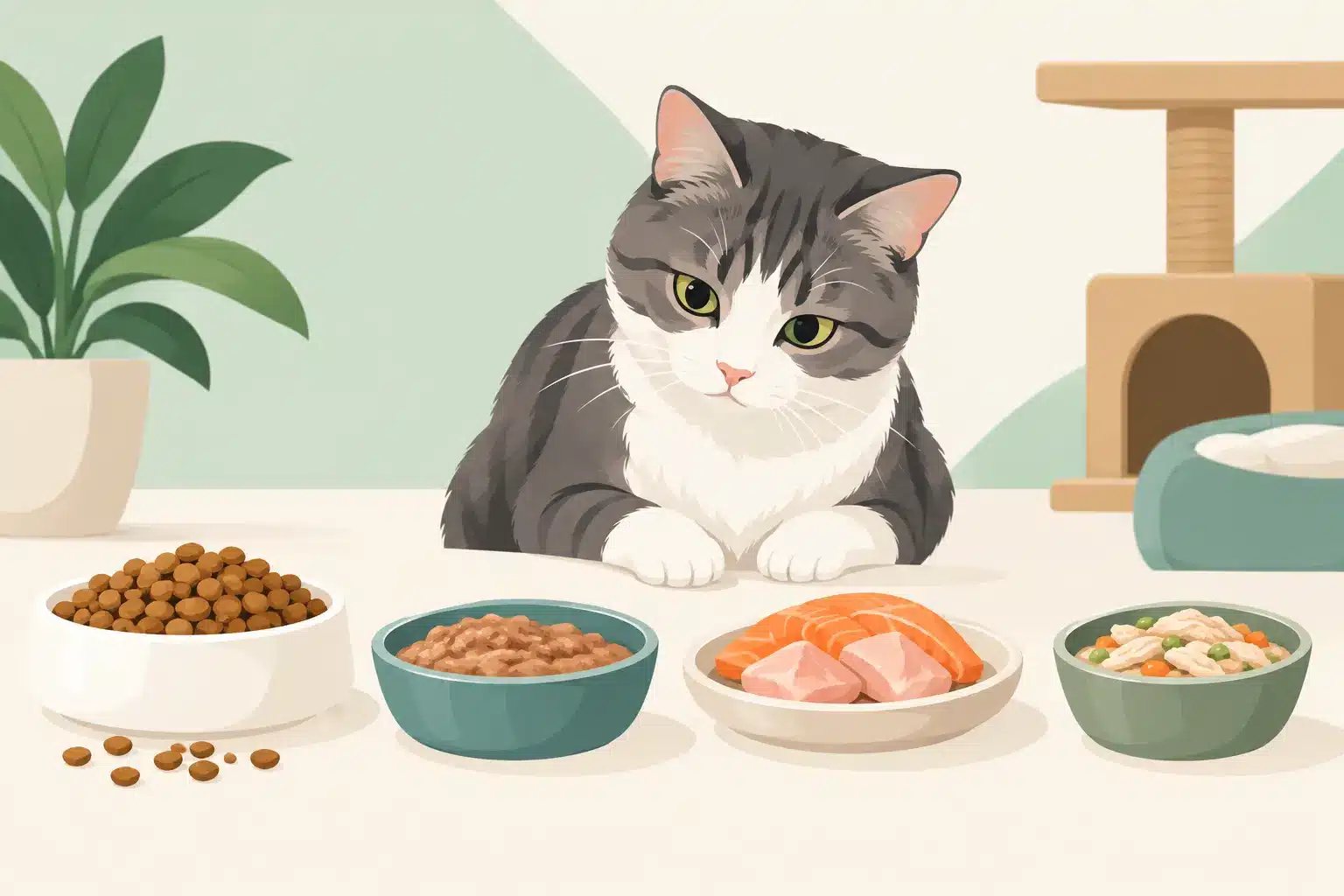
Texture matters, too. Dry food can be convenient, support daily feeding routines, and offer a concentrated source of nutrition. Wet food can add moisture and may appeal to cats who prefer a softer texture. Many households use a combination, adjusting portions so total daily calories remain appropriate. The right option is the one your cat will eat consistently while meeting their nutritional and wellness needs.
Transition Slowly to Protect Sensitive Stomachs
Even an excellent new food can cause temporary digestive upset if introduced too quickly. A gradual transition gives your cat’s digestive system time to adjust and helps you observe how the new formula is working.
Begin by mixing a small amount of the new food with the current food. Over about seven to 10 days, increase the new food while reducing the old food. Cats with especially sensitive digestion may benefit from an even slower transition. Keep an eye on appetite, stool consistency, vomiting, scratching, and energy level during the process.
Avoid changing several things at once. If you introduce a new food, new treats, and new supplements in the same week, it becomes difficult to tell what agrees with your cat. Consistency makes it easier to make informed choices.
Feeding Habits That Help Natural Nutrition Work Better
Food quality is only one part of a healthy feeding plan. Measure portions based on the package guidance, then adjust with your veterinarian as needed for your cat’s body condition. Free-feeding can work in some homes, but scheduled meals make it easier to monitor appetite and prevent unnoticed overeating.
Fresh water should always be available, especially for cats who primarily eat dry food. Clean bowls regularly and place water in a calm, accessible area. Some cats drink more readily from a fountain or from several water stations throughout the home.
Treats and toppers should complement a complete diet, not crowd it out. Keep extras modest so they do not add excessive calories or disrupt the nutritional balance of the main meal. A food your cat enjoys is valuable, but long-term wellness depends on the full pattern of what and how much they eat.
Natural cat food can be a meaningful part of caring for your cat, especially when natural ingredients are supported by complete nutrition and a digestive-health-minded formula. Watch your cat closely, feed with consistency, and let their daily comfort, appetite, coat, energy, and litter box habits guide the conversations you have with your veterinary team.





Leave A Comment
You must be logged in to post a comment.