

A treat can be a small moment of connection, but for a cat with a sensitive stomach, it can also be the difference between comfortable digestion and an unwanted litter box surprise. The best cat treats for digestion are not simply labeled “natural” or “sensitive.” They are made with purposeful ingredients, fed in appropriate portions, and chosen to complement your cat’s complete daily nutrition.
For cats prone to soft stools, occasional hairballs, gas, or food sensitivities, treat choices matter. A thoughtful digestive-support routine can help you reward your cat without adding unnecessary ingredients that may upset their system.
What Makes a Cat Treat Good for Digestion?
Cats are obligate carnivores, meaning animal-based protein should remain at the center of their nutrition. A digestion-friendly treat should start with a recognizable animal protein and avoid becoming a source of excessive fillers, rich fats, or unfamiliar ingredients.
The right option depends on your cat. A healthy adult cat may do well with a simple, protein-forward treat, while a cat with recurring digestive upset may benefit from a formula that includes carefully selected fiber or prebiotic support. What matters most is consistency: the treat should fit comfortably into a feeding plan that supports healthy stool quality, appetite, energy, skin, and coat.
Look beyond front-of-package claims and consider the ingredient list, calorie content, texture, and your cat’s individual response over time. A treat that works beautifully for one cat may not suit another, especially if food sensitivities are involved.
A simple animal protein source
Chicken, salmon, turkey, and duck are commonly used proteins in premium cat nutrition. For a cat with a sensitive digestive system, a shorter ingredient list can make it easier to identify what agrees with them.
If your cat has eaten a particular protein successfully in their regular food, choosing a treat with that same protein is often a sensible starting point. Introducing several new proteins at once makes it harder to pinpoint the cause if digestive discomfort develops.
Balanced fiber, not excessive fiber
Fiber supports more than regularity. The right types and amounts can help nourish beneficial gut bacteria and support normal stool formation. However, cats do not need fiber-heavy treats. Too much fiber, or a sudden change in fiber intake, may lead to gas, loose stools, or reduced interest in meals.
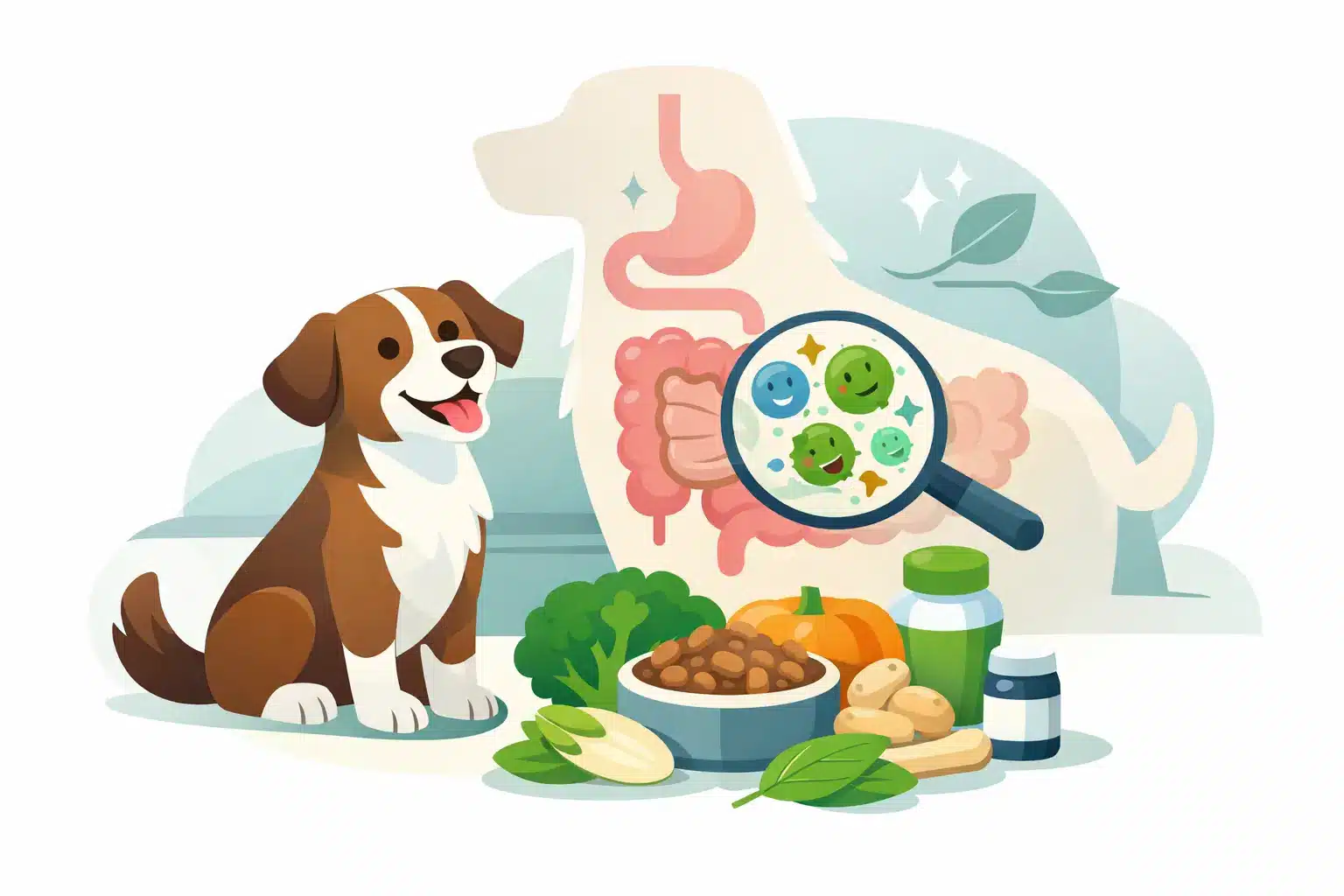
Ingredients such as pumpkin can be useful in appropriately formulated amounts. Prebiotic fibers can also support the gut microbiome, the community of beneficial microorganisms that plays a role in digestive and immune health. The goal is balance, not loading a carnivore’s diet with plant ingredients.
Limited unnecessary extras
Artificial colors, excessive flavor coatings, and highly rich ingredients do not make a treat more rewarding to your cat. They can make it harder for pet parents to manage sensitivities and total calorie intake. Choose products with clear ingredient information and avoid treating the ingredient panel as an afterthought.
Best Cat Treats for Digestion: Types to Consider
There is no single best format for every cat. Texture, hydration needs, dental health, and food preferences all influence which kind of treat makes the most sense.
Soft, moisture-rich treats
Soft treats and lickable options can be appealing for senior cats, cats with dental discomfort, or picky eaters. Their moisture content may also be helpful for cats that do not drink enough water, although treats should never replace access to fresh water or a moisture-conscious feeding plan.
Check the calories carefully. Small, soft treats can be easy to overfeed because they feel less substantial than crunchy pieces. Use them for training, medication support, or a focused bonding moment rather than offering multiple servings without measuring.
Crunchy treats with simple ingredients
Crunchy treats can provide a satisfying texture and are convenient to portion. They are a good choice when the recipe features a familiar protein and a controlled calorie count. While crunchy treats may contribute to mechanical cleaning as a cat chews, they are not a substitute for veterinary dental care or a dental product specifically designed and tested for oral health.
For digestion, simplicity wins. A protein-centered crunchy treat with measured fiber is generally a better fit than one with a long list of flavorings and fillers.
Freeze-dried meat treats
Single-ingredient freeze-dried treats can be a practical choice for cats with food sensitivities because they make ingredient avoidance straightforward. If your cat tolerates chicken well, a chicken-only treat may be easier to manage than a complex recipe.
That said, these treats can be calorie-dense and rich. They should be broken into small pieces, particularly for indoor or less active cats. Some cats also need time to adjust to a richer meat treat, so start slowly.
Functional treats with prebiotics or pumpkin
Functional treats can offer targeted digestive support when their formulation is thoughtful and their benefits align with your cat’s needs. A recipe that includes prebiotic fiber, for example, may help support beneficial bacteria in the digestive tract. Pumpkin may support normal digestion in modest, appropriate amounts.
Avoid assuming that more functional ingredients always produce better results. A cat with chronic diarrhea, vomiting, constipation, or appetite changes needs veterinary guidance rather than an ever-growing collection of supplements and treats.
How to Introduce a New Digestive Treat
Even the best-formulated treat deserves a gradual introduction. Begin with one small piece or a partial serving, then observe your cat for several days. Watch for changes in stool consistency, vomiting, itching, appetite, or behavior around the litter box.
If your cat does well, increase only to the recommended serving size. Treats should generally account for no more than 10% of daily calories, with the remainder coming from a complete and balanced cat food. For cats managing weight concerns, the appropriate amount may be lower.
Keep the rest of the diet stable during the trial period. Changing food, treats, toppers, and supplements at the same time creates confusion when your cat’s digestion changes. A simple routine gives you much clearer answers.
Match Treats to Your Cat’s Digestive Needs
A cat that occasionally coughs up a hairball has different needs than a cat with ongoing loose stool. Hairball-prone cats may benefit from hydration, regular brushing, and a diet with carefully balanced fiber. Cats with sensitive digestion may do best with limited ingredients and a consistent protein source.
For a cat with constipation, hydration is often a central consideration. Wet food, fresh water access, and veterinary advice may be more meaningful than adding extra dry treats. For cats with food allergies or suspected intolerances, your veterinarian may recommend a specific elimination diet. In that situation, even a small off-plan treat can interfere with the process.
Cats with kidney disease, diabetes, pancreatitis, inflammatory bowel disease, or a history of urinary issues should have treats selected with their veterinarian. “Digestive” does not automatically mean appropriate for every medical condition.
Signs It Is Time to Call Your Veterinarian
Treats can support a healthy feeding routine, but they cannot diagnose or resolve medical problems. Contact your veterinarian if your cat has repeated vomiting, diarrhea lasting more than a day or two, blood in the stool, constipation, weight loss, lethargy, reduced appetite, or obvious discomfort.
A sudden change in litter box habits is especially worth taking seriously. Cats are skilled at masking illness, and digestive symptoms can sometimes point to concerns that require professional care.
Make Every Reward Part of a Healthier Routine
A high-quality treat should feel good for both of you: appealing enough that your cat comes running, and thoughtfully made enough that you can offer it with confidence. Focus on animal-based protein, sensible calories, clear ingredients, and digestive-supportive elements that match your cat’s needs.
Lucy Pet Products approaches nutrition with digestive wellness in mind, including the role balanced prebiotic fiber can play in supporting the gut. Still, the most effective treat routine is always personal. Pay attention to your cat’s response, keep portions modest, and let every small reward support a lifetime of health, happiness, and comfort.





Leave A Comment
You must be logged in to post a comment.