

A dull coat usually shows up before pet parents notice anything else. Your cat may still be eating, playing, and acting normal, but the fur looks flat, dry, or rough instead of soft and glossy. When that happens, cat food for shiny coat support is not about vanity. It is often about nutrition, skin health, digestion, and whether your cat is truly absorbing what the diet provides.
Why coat quality starts inside the body
A shiny coat is built from the inside out. Hair is made mostly of protein, and healthy skin depends on a steady supply of amino acids, fatty acids, vitamins, minerals, and hydration. If any of those are lacking, the coat can lose its softness and shine.
That is why topical grooming products only go so far. Brushing helps distribute natural oils and remove loose hair, but nutrition is what helps the skin produce those oils in the first place. When a cat is fed a complete and balanced diet with high-quality ingredients, the results often show up in coat texture, reduced dryness, and more consistent shedding.
Digestive health also plays a bigger role than many people realize. A cat can eat nutrient-rich food, but if digestion is compromised, the body may not use those nutrients efficiently. That is one reason wellness-focused formulas often pay close attention to fiber balance, digestibility, and ingredient quality alongside skin and coat support.
What to look for in cat food for shiny coat results
If you are comparing foods, start with the nutrient profile rather than front-of-bag claims. Protein quality matters because your cat is an obligate carnivore and depends on animal-based nutrients to support skin, fur, lean muscle, and overall health. Named animal proteins such as chicken, salmon, or duck are generally more reassuring than vague meat descriptions.
Fat quality is equally important. Omega-3 and omega-6 fatty acids help support the skin barrier and maintain coat softness and luster. Salmon and fish oil are common sources of omega-3s, while poultry fat and some plant oils may contribute omega-6s. The balance matters. Too little fat can leave the coat dry, while an unbalanced formula may not support skin as effectively as a well-formulated complete diet.
Vitamins and minerals also do quiet but essential work. Zinc supports skin integrity. Vitamin E helps protect cells from oxidative stress. B vitamins contribute to skin function and coat condition. Copper can also play a role in pigment and coat quality. These nutrients should be part of a complete and balanced formula rather than added through random supplementation unless your veterinarian recommends otherwise.
The role of digestibility and fiber
A beautiful coat does not depend on fat alone. Digestibility matters because your cat needs to break down and absorb the nutrients in the bowl. Highly digestible ingredients can help the body put protein and fatty acids to work where they are needed.
Fiber deserves attention too, especially in cats with sensitive digestion. The right fiber blend can help support gut health and stool quality, which sounds unrelated until you remember that healthy digestion supports whole-body wellness. At Lucy Pet, that idea is central to nutrition, with a focus on balanced digestive support through P.B.F. Prebiotic Balanced Fiber™ as part of a broader approach to skin, coat, and overall vitality.
Ingredients that often support a shinier coat
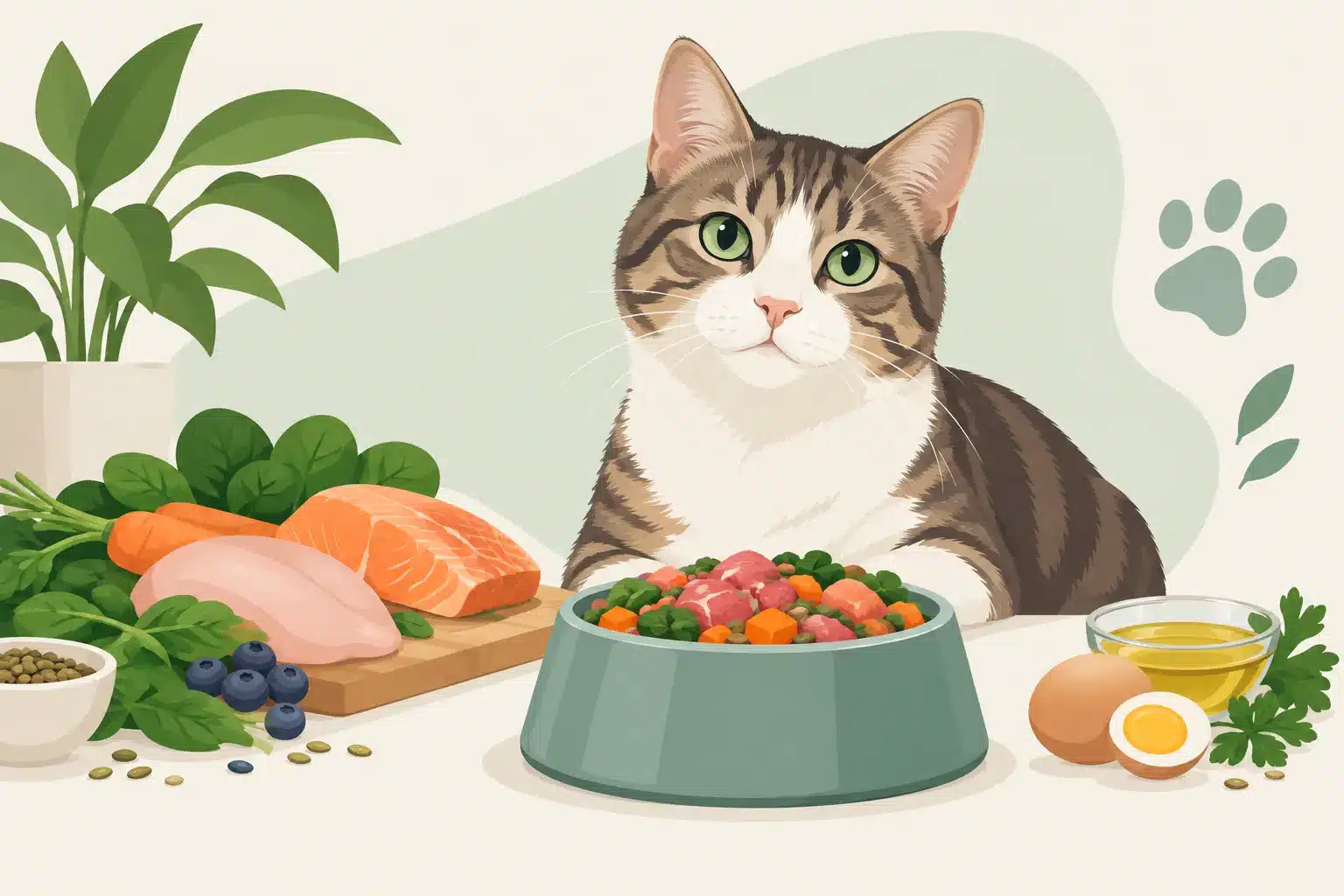
Some ingredients tend to show up again and again in coat-supportive formulas because they provide useful nutrients naturally. Salmon is a strong example because it offers protein along with omega-3 fatty acids that support healthy skin. Chicken and duck can also be excellent protein sources in balanced recipes.
Pumpkin may not be the first ingredient you associate with coat condition, but it can support digestive regularity as part of a fiber blend. When digestion is steady, the body is better positioned to use the nutrients that contribute to skin and coat health. Whole grains such as brown rice or nutrient-dense ingredients like quinoa may also have a place, depending on the formula and your cat’s specific needs.
What matters most is not chasing a single hero ingredient. It is choosing a complete diet where the ingredients work together to support digestion, skin, coat, and immune health.
When a dull coat is not just a food issue
Food is powerful, but it is not the only factor. A rough or greasy coat can also be related to age, stress, seasonal shedding, obesity, dental discomfort, allergies, parasites, or an underlying medical issue. Cats that are overweight may struggle to groom themselves well, especially around the lower back. Senior cats may groom less due to arthritis or declining mobility.
That is why it helps to look at the full picture. If your cat’s coat has changed suddenly, or if you also notice itching, hair loss, dandruff, vomiting, diarrhea, weight changes, or low energy, it is worth speaking with your veterinarian. Nutrition can support recovery and maintenance, but first you want to rule out a bigger health problem.
How long does cat food for shiny coat improvement take?
Most coat changes do not happen overnight. Skin cells and hair growth take time, so even with a better diet, visible improvement usually comes gradually over several weeks. Some pet parents notice softer fur first. Others notice less dryness, less flaking, or more even shedding before they see a clear shine.
A realistic window is often four to eight weeks, though it depends on your cat’s starting point, age, health status, grooming habits, and how consistently the new food is fed. If treats and table scraps make up a large part of the diet, they can dilute the benefits of a nutritionally balanced formula.
Transitioning to a new food without upsetting digestion
If you are switching foods for coat support, do it gradually. A sudden change can cause digestive upset, which works against your goal. Start by mixing a small amount of the new food into the old food and increase the new portion over seven to ten days.
For cats with especially sensitive stomachs, a slower transition may be better. Watch stool quality, appetite, and behavior during the change. Consistency matters. Feeding a premium formula some days and multiple extras or frequent food changes on other days can make it harder to judge results.
Wet food, dry food, and hydration
Hydration supports skin health too. Cats naturally have a low thirst drive, which is one reason many pet parents include wet food in the diet. The added moisture can support overall hydration, and that may help skin condition in some cats.
Dry food can still be part of a healthy plan, especially when it is complete and balanced and your cat drinks well. For many households, the best choice depends on the individual cat’s preferences, calorie needs, dental habits, and digestive tolerance. Some cats do well with a combination feeding approach. The goal is not to follow a trend. It is to feed the diet your cat thrives on.
Red flags when choosing a formula
Be cautious with foods that promise cosmetic results without showing nutritional substance. A shiny coat should come from complete, balanced nutrition, not from a marketing phrase alone. If a formula is vague about its protein sources or does not reflect a thoughtful approach to digestibility and essential fatty acids, the label may be doing more work than the food itself.
It is also smart to be careful with excessive supplementation. Adding oils or skin supplements on top of a complete diet can sound helpful, but too much fat can upset digestion or add unnecessary calories. If your cat has ongoing coat concerns despite eating a high-quality food, personalized veterinary guidance is a better next step than guessing.
The bigger picture: shiny coat means healthy skin
The real goal is not just a glossy appearance. A healthy coat usually reflects healthy skin underneath, and healthy skin depends on much more than surface care. It depends on protein, essential fatty acids, micronutrients, hydration, and a digestive system that can make good use of them.
If you are shopping for cat food for shiny coat support, think beyond appearance and look for a complete formula built around whole-body wellness. When nutrition supports digestion, skin, and daily vitality together, the shine you see on the outside tends to be more than cosmetic. It is often a sign that your cat is being nourished where it matters most.
A soft, glossy coat is satisfying to see, but the better feeling is knowing your cat’s food is supporting comfort, wellness, and long-term health every day.

Leave A Comment
You must be logged in to post a comment.