

You usually notice a hairball problem after the fact – the coughing, the retching, the mess on the rug, and a cat that looks irritated and tired afterward. The right cat food for hairball control can help reduce how often that happens, but not every formula works for the same reason. Hairball support is less about a trendy label and more about how nutrition helps swallowed hair move through the digestive tract more efficiently.
For many cats, hairballs are occasional and manageable. Cats groom constantly, and that means they naturally swallow loose fur. Trouble starts when too much hair collects in the stomach instead of passing through the digestive system. That is why nutrition matters. A well-formulated diet can support digestive movement, stool quality, and skin and coat health, all of which play a role in hairball control.
How cat food for hairball control actually works
Hairball formulas are not magic, and they do not stop shedding altogether. What they do is address the two biggest contributors to hairballs: the amount of loose hair a cat swallows and how well the digestive system handles that hair once it is ingested.
Fiber is usually the first nutritional tool people think about, and for good reason. The right balance of fiber can help move swallowed hair through the digestive tract so it is eliminated in the stool instead of collecting in the stomach. But more fiber is not always better. Too much poorly balanced fiber can lead to bulky stools, reduced digestibility, or changes in appetite. The goal is a thoughtful blend that supports transit without compromising overall nutrition.
Fatty acids also matter. When a cat’s skin and coat are healthy, there may be less excessive shedding, which can mean less hair swallowed during grooming. Protein quality is part of the picture too. Cats are obligate carnivores, and they do best with diets that support lean muscle, healthy skin, and coat integrity. If a food focuses only on hairball claims and ignores whole-body wellness, it may not deliver the long-term support your cat needs.
Ingredients that matter in cat food for hairball control
When comparing formulas, it helps to look past marketing language and focus on what the ingredient panel and guaranteed analysis suggest about the food’s purpose.
A quality animal protein should be central. Chicken, salmon, duck, or other named proteins provide amino acids that support skin, coat, and overall condition. Cats with a glossy, healthy coat often shed less excessively than cats whose nutritional needs are not being met.
Fiber sources deserve a closer look. Ingredients such as beet pulp, pumpkin, brown rice, or other balanced fiber sources may be used to help support digestive regularity. This is where formulation matters more than any single ingredient. A food built around digestive wellness often takes a more measured approach, combining soluble and insoluble fiber to support stool formation and intestinal movement.
Prebiotics can also be valuable, especially for cats with sensitive digestion. A healthy gut environment supports efficient digestion and regular elimination, both of which can help reduce the chance that swallowed hair lingers where it should not. That is one reason digestive-focused nutrition can be a smart choice for cats that struggle with recurring hairballs.
You may also see added omega fatty acids, often from fish or flax sources. These support skin barrier health and coat condition. If your cat’s coat feels dry, flaky, or dull, hairball issues may not just be about grooming habits. Skin and coat nutrition could be part of the answer.
What to avoid when choosing a formula
A hairball-control label is not enough on its own. Some foods lean too heavily on fillers or use vague ingredient descriptions that do not inspire much confidence. If the formula does not look nutritionally balanced beyond the hairball claim, it may not be the best long-term option.
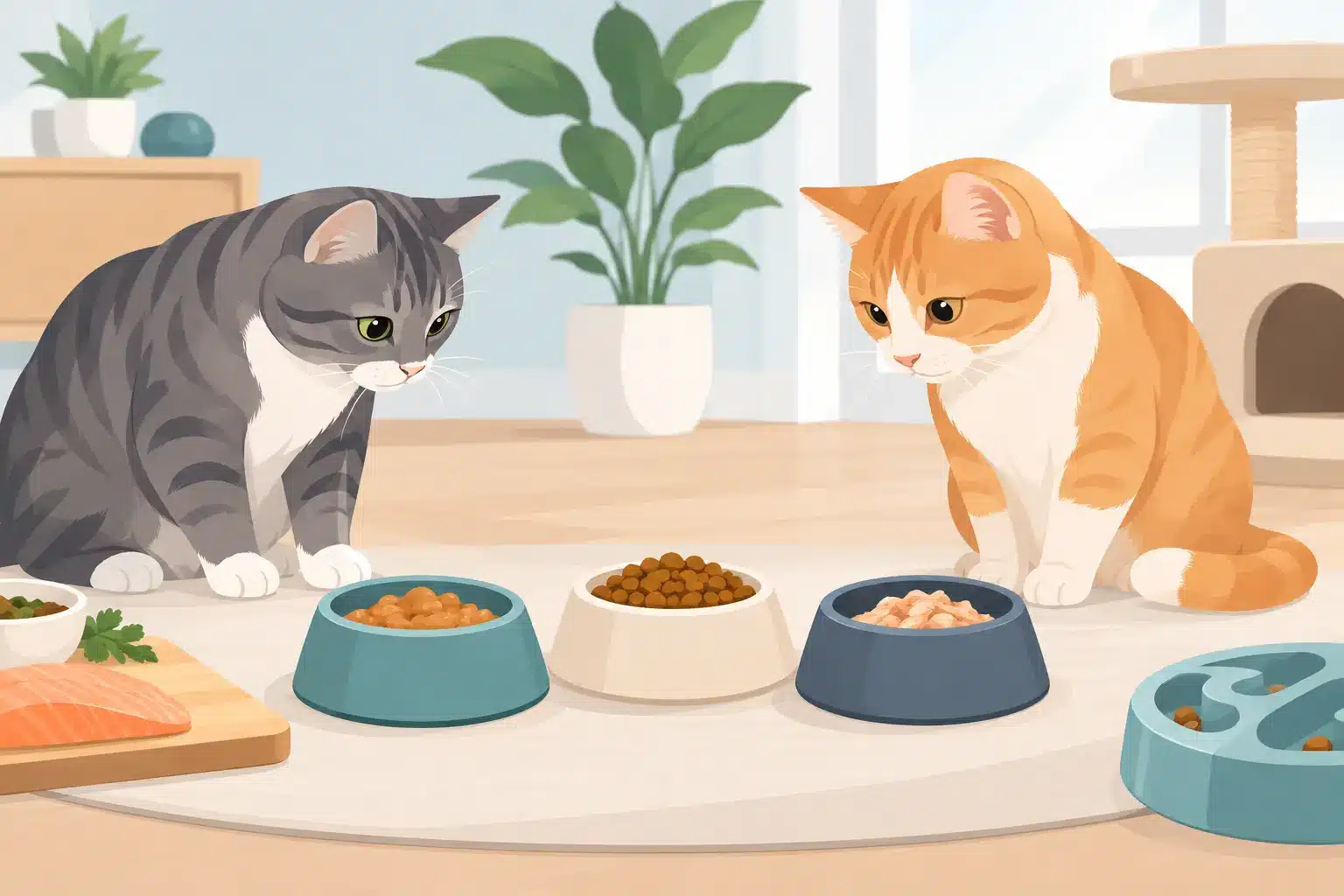
Be cautious with abrupt diet changes in an effort to fix the problem quickly. Even a high-quality food can cause digestive upset if introduced too fast. Cats often do better with a gradual transition over 7 to 10 days, especially if they have a history of sensitive stomachs, inconsistent stools, or picky eating.
It is also worth remembering that persistent vomiting is not always a simple hairball issue. If your cat is coughing frequently, losing weight, eating less, or having repeated vomiting episodes with little hair produced, it is time to talk with your veterinarian. Nutrition is powerful, but it cannot replace medical evaluation when symptoms point to something more serious.
Hairball control depends on the cat
Long-haired cats often need more support than short-haired cats, but coat length is only part of the story. Some short-haired cats are obsessive groomers. Senior cats may groom differently or have changes in digestion. Indoor cats may shed year-round because of controlled light and temperature exposure. Overweight cats may struggle to groom efficiently, while anxious cats may overgroom and swallow more hair than usual.
That is why the best cat food for hairball control is not always the one with the most aggressive claim on the bag. It is the one that fits your cat’s age, coat, digestion, activity level, and overall health needs. If your cat also deals with soft stools, occasional stomach upset, or a dull coat, a formula that supports digestive and skin health together may make more sense than one designed around a single symptom.
Why digestive wellness makes a difference
Hairball control and digestive health are closely connected. If food moves through the digestive tract well, swallowed hair is more likely to move along with it. If digestion is inconsistent, or if stool quality is poor, hair may be more likely to accumulate.
This is where a science-backed approach to fiber can stand out. Balanced fiber helps regulate transit, but ideally it also supports the microbiome and overall gut function. Lucy Pet has built much of its nutritional philosophy around digestive support, including its P.B.F. Prebiotic Balanced Fiber concept, which reflects a broader wellness perspective rather than a one-note solution. For pet parents, that matters because fewer hairballs are helpful, but improved digestion, better stool quality, and healthier skin and coat are often part of the same nutritional win.
Signs the food is helping
Hairball control is usually not an overnight change. In many cats, you are looking for gradual improvement over several weeks. The first positive sign may be fewer retching episodes. You may also notice more consistent stools, less visible shedding, or a coat that feels softer and looks shinier.
Some cats continue to produce an occasional hairball even on an appropriate diet. That does not always mean the food is failing. Seasonal shedding, stress, grooming changes, and hydration can all affect results. What matters is whether the pattern is improving and whether your cat seems comfortable, energetic, and well nourished.
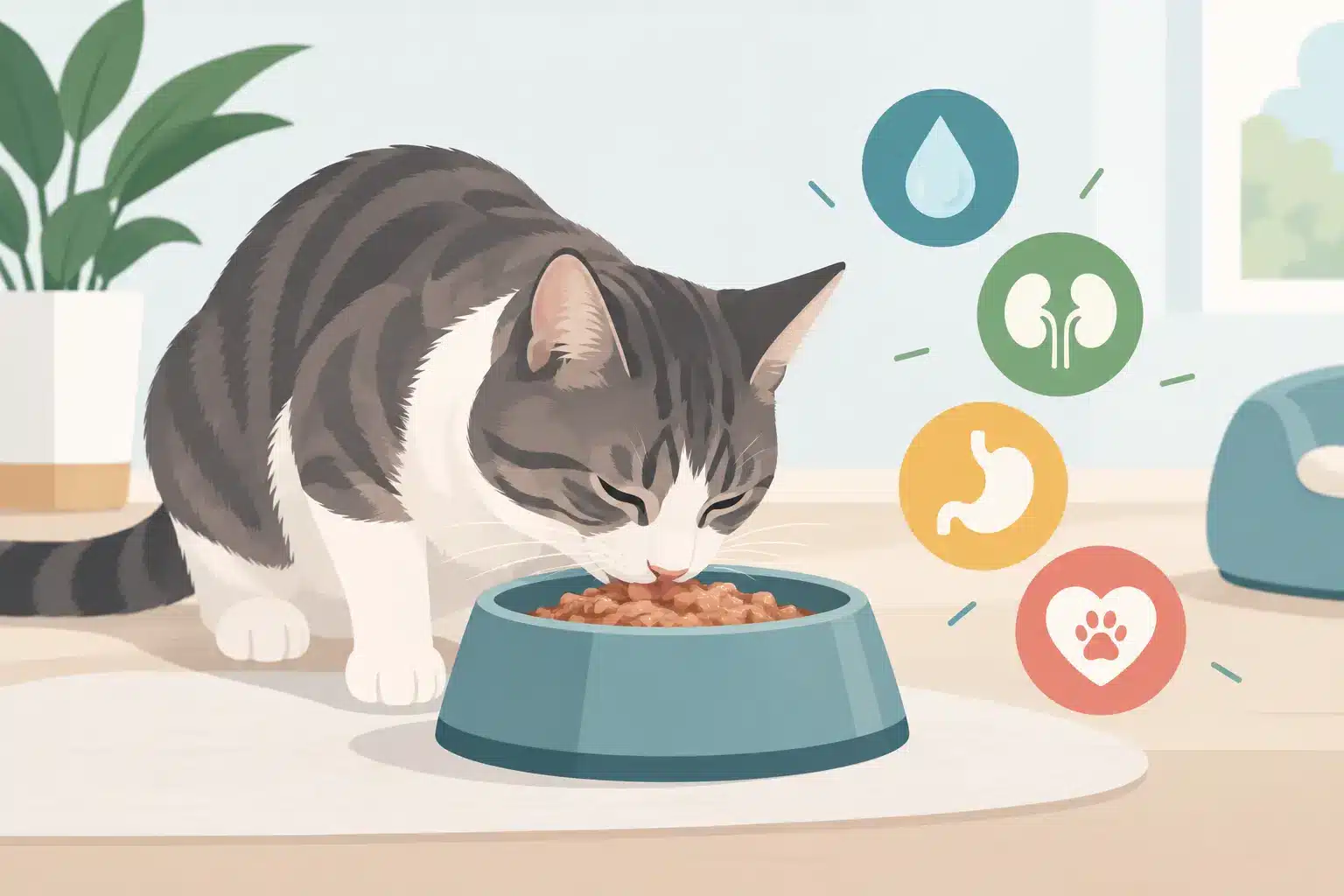
Water intake is another factor that should not be overlooked. Good hydration supports digestion and regular elimination. If your cat eats only dry food and rarely drinks, adding moisture through wet food or other veterinarian-approved strategies may help support the overall plan.
Nutrition works best with daily care
Even the best formula cannot do all the work by itself. Regular brushing removes loose fur before your cat can swallow it. This is especially helpful for long-haired breeds and heavy shedders. A few minutes of grooming several times a week can make a real difference.
Weight management matters too. Cats at a healthy body condition often move, groom, and digest more efficiently. If your cat is carrying extra weight, a broader nutrition conversation may be more useful than focusing only on hairballs.
And then there is stress. Changes in the home, boredom, conflict with other pets, or lack of enrichment can lead some cats to groom excessively. If hairballs have increased suddenly, it is worth looking at behavior and routine, not just the food bowl.
Choosing with confidence
A smart approach starts with the full picture. Look for a cat food for hairball control that offers quality animal protein, balanced fiber, support for digestive health, and nutrients that help maintain healthy skin and coat. Avoid treating hairballs like an isolated problem when they are often tied to digestion, shedding, grooming, and hydration.
If your cat has mild, occasional hairballs, the right food may reduce frequency and make life a little easier for both of you. If the issue is frequent or severe, your veterinarian can help rule out medical causes and guide you toward the right diet strategy. The best nutrition choice is the one that supports your cat not just through the next hairball season, but through everyday health, comfort, and a better quality of life.
Sometimes the most reassuring sign is simple – a cat that eats well, digests comfortably, sheds less, and goes about the day without that familiar cycle of coughing and retching. That is the kind of progress worth feeding for.



Leave A Comment
You must be logged in to post a comment.