

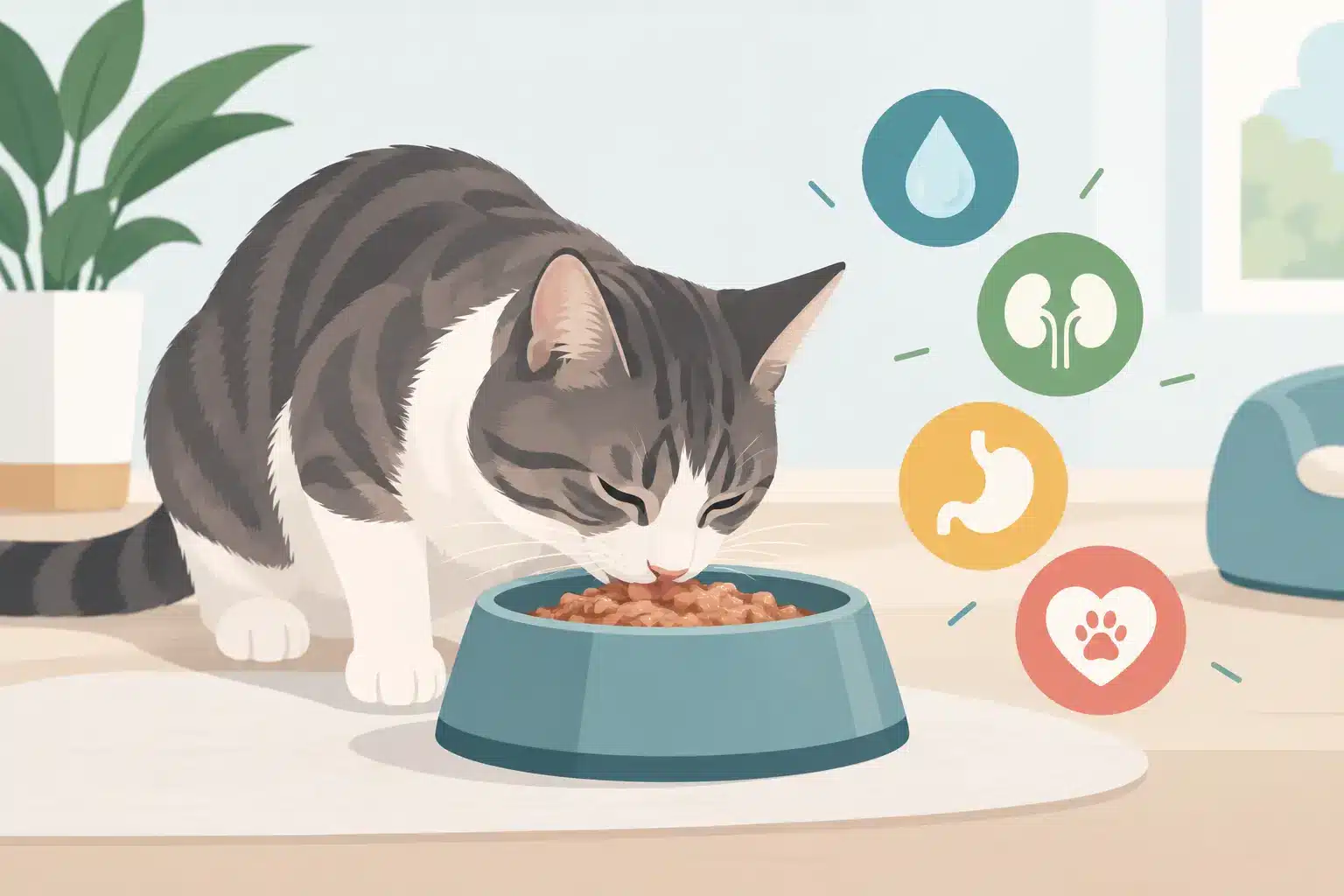
One day the litter box looks normal, and the next your cat has soft stool, extra gas, or vomits after meals. That pattern is exactly why many pet parents start looking for cat food for sensitive digestion. When digestion is off, it can affect comfort, appetite, energy, coat condition, and even how eager your cat is to eat.
Sensitive digestion is not a single diagnosis. It is a broad way of describing cats that do not tolerate certain foods, feeding routines, or ingredient profiles very well. Some cats react to rich formulas. Others struggle with abrupt diet changes, hard-to-digest proteins, or too little fiber. The goal is not just to find a food that seems gentle for a few days. It is to find a complete, balanced formula that supports digestive health consistently.
What sensitive digestion can look like in cats
Cats with digestive sensitivity do not all show the same signs. For one cat, the issue may be occasional vomiting after eating too fast. For another, it is chronic loose stool, strong stool odor, gurgling stomach sounds, or inconsistent appetite. Some cats also show more subtle clues, such as weight fluctuation, poor stool quality, or a dull coat that suggests nutrients are not being used as efficiently as they should be.
It also matters how often the problem happens. A single upset stomach after a treat or table scrap is not the same as a recurring issue. If your cat is vomiting repeatedly, losing weight, refusing food, acting lethargic, or showing blood in stool, that calls for veterinary attention. Food can support digestive wellness, but it should not be used to guess your way through a serious medical problem.
What to look for in cat food for sensitive digestion
The best cat food for sensitive digestion is usually built around digestibility, ingredient quality, and consistency. That sounds simple, but several details matter.
Highly digestible protein sources
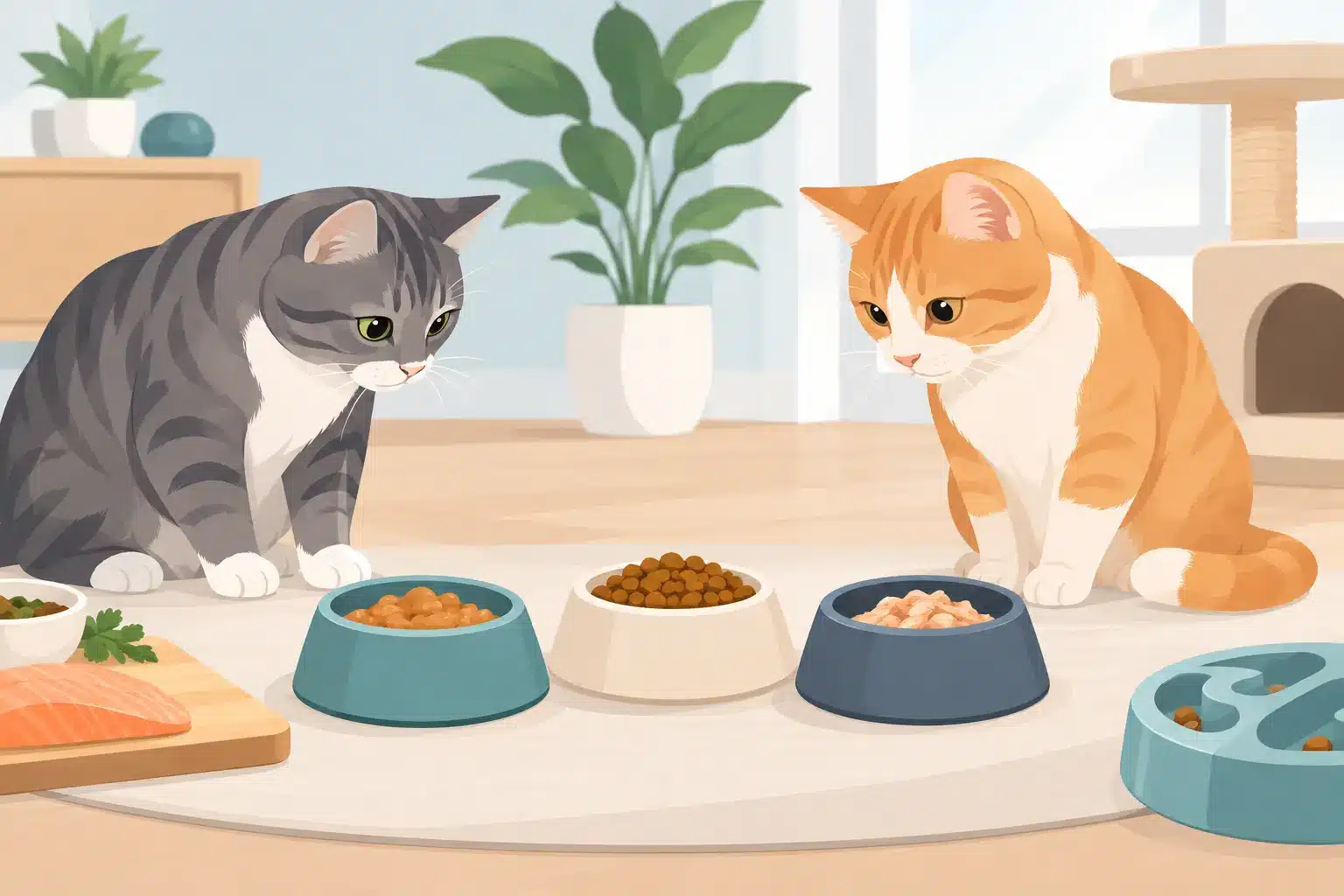
Cats are obligate carnivores, so protein quality sits at the center of any digestive conversation. A sensitive cat may do better with a clearly named animal protein source rather than a vague mix of ingredients. Chicken, salmon, or duck can each work well, but there is no universal best choice. It depends on what your cat has tolerated before and whether a certain protein seems to trigger issues.
Sometimes pet parents assume richer formulas are automatically better because they seem more premium. In practice, richer is not always gentler. A food with a well-balanced protein and fat profile may be easier on a sensitive stomach than one that is extremely heavy or indulgent.
Balanced fiber, not just more fiber
Fiber often gets oversimplified. Too little can leave digestion sluggish or stools poorly formed. Too much can reduce digestibility or change stool volume in ways pet parents do not love. The real target is balance.
Prebiotic fiber can be especially helpful because it helps nourish beneficial gut bacteria. That matters because the digestive tract is not only where food is broken down. It is also a major center for immune function and overall wellness. A thoughtfully balanced fiber system, such as one designed to support the microbiome and healthy stool quality, can make a visible difference over time.
Gentle carbohydrate sources
Cats do not need carbohydrate-heavy diets, but digestible carbohydrate ingredients can still play a useful role in kibble structure and digestive tolerance. Ingredients like brown rice, pumpkin, or quinoa may be included in formulas designed for digestive support because they can contribute fiber, texture, and gentle energy. The key is formulation balance, not simply removing or adding one ingredient category.
Consistent ingredient quality
Cats with sensitive digestion often do better when their food is predictable from bag to bag or can to can. Major swings in ingredient sourcing, fat level, or formula style can lead to inconsistent stools or appetite changes. This is one reason many pet parents gravitate toward brands that emphasize formulation standards and digestive wellness instead of chasing trends.
Ingredients and features that often help
When evaluating cat food for sensitive digestion, it helps to think beyond front-of-bag marketing claims. Look at the actual nutritional intent of the formula.
Foods designed for digestive support often include prebiotic fiber, recognizable protein sources, and ingredients associated with stool quality and gut balance. Pumpkin is one common example because it contributes useful fiber. Brown rice or quinoa may appear in formulas where digestibility and balanced energy are priorities. Some premium recipes also focus on gut health through specialized fiber concepts that aim to support both digestive comfort and nutrient use.
This is where formulation philosophy matters. A food made with digestive wellness in mind is different from a food that simply avoids one trending ingredient. Grain-free can be right for some cats, but it is not automatically the answer for every sensitive stomach. For many cats, the issue is not grain itself. It may be fat level, protein tolerance, feeding speed, stress, overfeeding, or poor transition practices.
How to choose the right formula for your cat
Start with your cat’s actual pattern. If stool is the main issue, look closely at fiber balance and digestibility. If vomiting happens soon after meals, meal size and eating speed may be part of the problem. If your cat is itchy in addition to having digestive upset, a specific protein sensitivity may be worth discussing with your veterinarian.
Age and lifestyle matter too. Kittens, indoor adults, and seniors can all have different digestive needs. A less active indoor cat may benefit from a formula that supports healthy weight and hairball control alongside digestion. A cat with a history of inconsistent stools may need a simpler, more stable diet with fewer extras.
This is also where a wellness-focused brand can stand out. Lucy Pet Products, for example, has built much of its nutrition approach around digestive support and balanced fiber, which reflects a bigger truth in pet nutrition: the gut is not separate from whole-body health. Digestion, immunity, skin, coat, and vitality are connected.
How to transition to cat food for sensitive digestion
Even an excellent formula can cause temporary upset if you switch too quickly. Sensitive cats usually do best with a gradual transition over 7 to 10 days, and sometimes longer if they have a history of digestive issues.
Begin with a small portion of the new food mixed into the current food. Increase the new food slowly while watching stool quality, appetite, litter box frequency, and vomiting. If stools become very loose, slow the pace. Rushing the process can make a good food look like a bad fit.
Feeding routine matters during this period. Try to keep meal times consistent and avoid introducing new treats, toppers, or supplements at the same time. If too many variables change at once, it becomes hard to tell what is actually helping.
Mistakes pet parents often make
One common mistake is changing foods too often. If a cat has one bad day, it is tempting to switch immediately, but frequent changes can create more digestive instability. Another is focusing only on ingredient exclusion. Removing grains, changing proteins, or choosing a limited recipe may help in some cases, but digestive health is broader than a single ingredient debate.
Overfeeding is another overlooked factor. A very high-quality food can still cause soft stools or vomiting if portion sizes are too large. Cats with sensitive stomachs often do better with measured meals instead of free-feeding, especially if they tend to eat quickly.
Treats can also quietly undo progress. Rich treats, dairy, or bits of human food may be enough to keep symptoms going even when the main diet is appropriate.
When food is helping and when to call your veterinarian
When a diet is working, you will usually see signs beyond the litter box. Stool becomes more consistent. Vomiting episodes may decrease. Appetite stabilizes. Coat quality can improve, and your cat may simply seem more comfortable after meals.
Still, food is only one part of the picture. If digestive issues persist for more than a short period, or if your cat has severe symptoms, your veterinarian should evaluate for parasites, inflammatory conditions, food intolerance, pancreatitis, or other underlying concerns. Premium nutrition supports health best when it is paired with appropriate medical guidance.
Choosing cat food for sensitive digestion is really about respecting how individual your cat’s system is. The right formula should do more than avoid problems. It should help your cat feel better, process nutrients well, and enjoy meals with less digestive stress. When you find that balance, feeding stops feeling like trial and error and starts feeling like a steady part of long-term wellness.




Leave A Comment
You must be logged in to post a comment.