

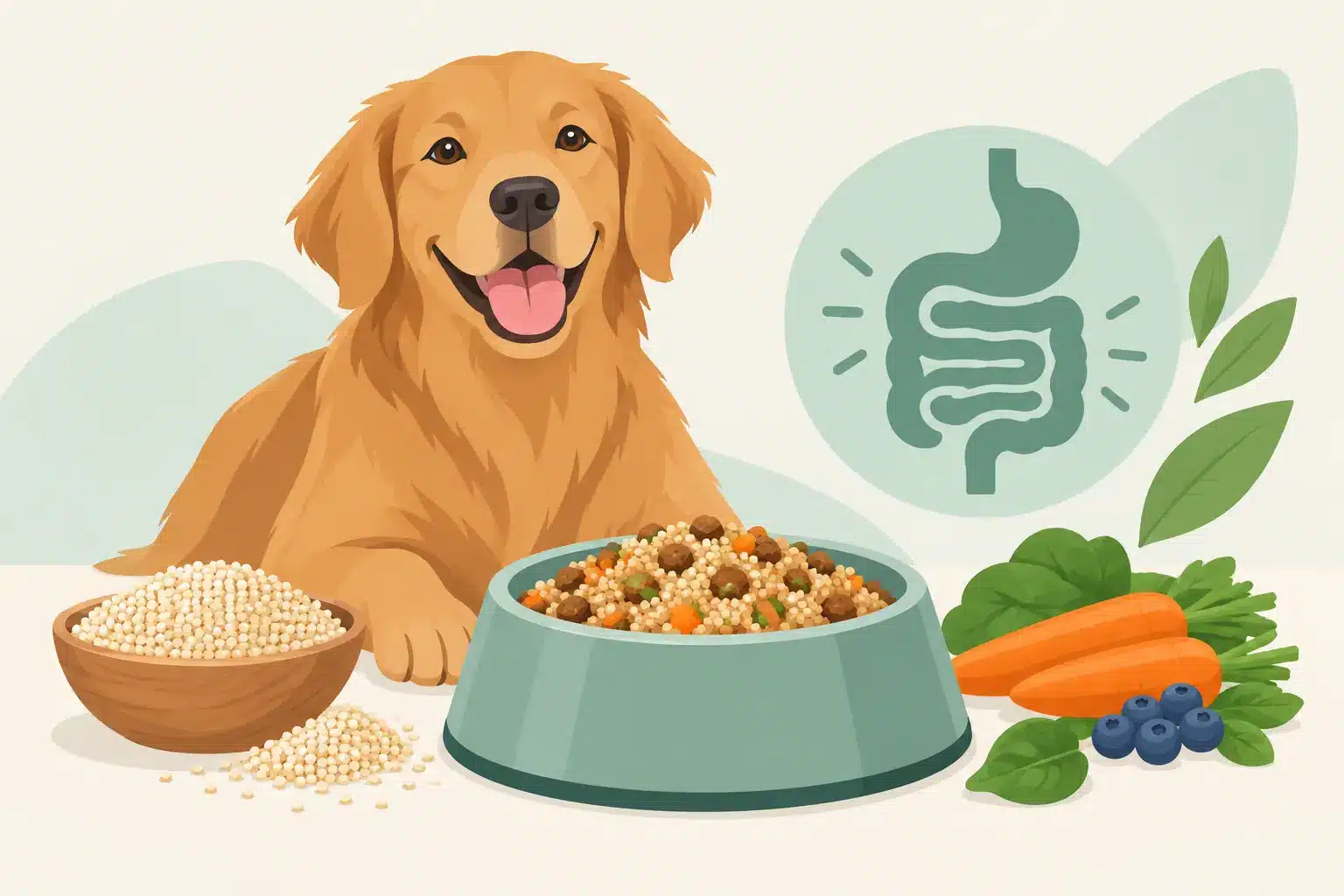
Loose stool usually shows up before anything else does. You may notice softer pick-ups on walks, extra trips outside, or stools that swing from firm one day to mushy the next. If you are wondering how to improve dog stool consistency, the answer often starts in the gut. Stool quality is one of the clearest everyday signs of digestive health, and small changes in diet, feeding habits, stress, or hydration can make a noticeable difference.
Firm, well-formed stool is not just easier to clean up. It suggests that food is being digested properly, nutrients are being absorbed efficiently, and the digestive tract is functioning in better balance. When stool stays loose, overly soft, or inconsistent, it is worth paying attention.
What healthy stool should look like
Healthy dog stool should be easy to pass, moist but not runny, and shaped enough to hold together when picked up. Color can vary somewhat depending on diet, but medium to dark brown is generally expected. A one-off soft stool is not always cause for concern. Many dogs have occasional digestive changes after eating something unusual, dealing with stress, or switching routines.
The bigger concern is a pattern. If your dog regularly has soft stool, frequent diarrhea, mucus, straining, or sudden changes in bowel habits, that points to an underlying issue that should be addressed. Stool consistency matters because the colon plays a major role in absorbing water and forming waste. When that process is disrupted, stool quality changes quickly.
How to improve dog stool consistency through nutrition
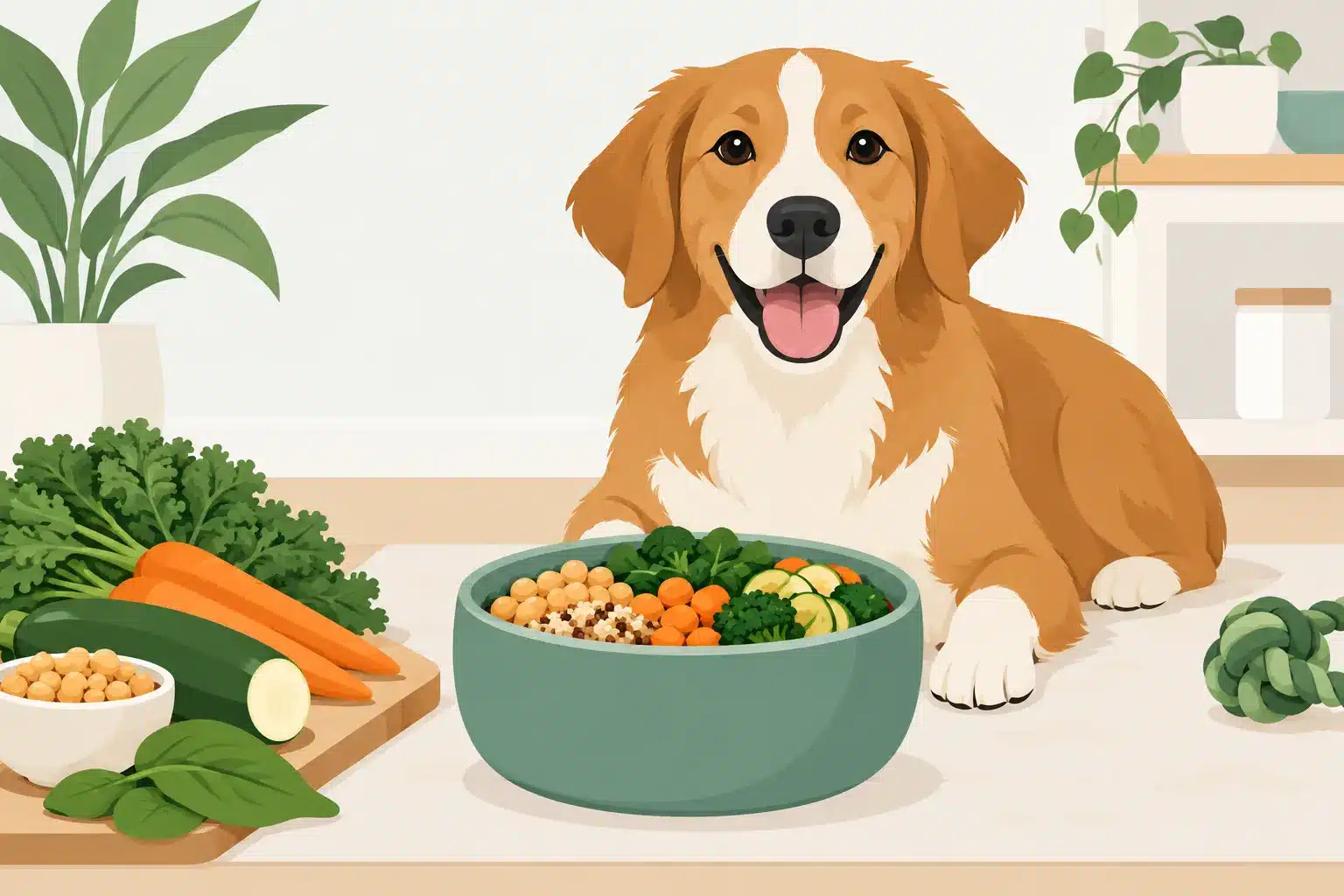
Food is usually the first place to look. Dogs with inconsistent stool often benefit from a diet that is highly digestible, nutritionally balanced, and designed to support gut health. Rich table scraps, abrupt food changes, low-quality ingredients, and formulas that do not agree with your dog can all lead to softer stool.
A well-formulated diet helps create more predictable digestion. That means consistent protein sources, appropriate fat levels, and carefully selected carbohydrates and fibers. Dogs do not all respond the same way to food, so there is some trial and observation involved. A food that works beautifully for one dog may not be the right fit for another, especially if your dog has a sensitive stomach.
Fiber is one of the most important pieces of this conversation. The right fiber blend can help normalize stool by supporting proper transit time and feeding beneficial gut bacteria. That balance matters. Too little fiber may leave stool loose or irregular, while too much of the wrong kind can cause gas, bulk, or even more digestive upset. This is where prebiotic fiber can be especially helpful, because it supports the microbiome while also contributing to healthier stool formation.
For pet parents focused on digestive wellness, formulas built around balanced fiber sources can offer a more targeted approach than simply choosing any premium food. Lucy Pet Products, for example, has built much of its nutritional philosophy around gut support through its P.B.F. Prebiotic Balanced Fiber concept, which reflects how closely stool quality and digestive balance are connected.
Why sudden food changes often backfire
Even when you are switching to a better food, changing too quickly can cause temporary stool problems. The digestive system needs time to adapt to new ingredients, protein sources, and fiber levels. A gradual transition over seven to ten days is usually the safer route. For sensitive dogs, even longer can be appropriate.
If your dog develops soft stool during a transition, it does not always mean the new food is wrong. It may simply mean the pace was too fast. Slowing down the change often helps.
Gut health plays a bigger role than many owners realize
The digestive tract is home to a large and active community of microorganisms that help process food, produce helpful compounds, and support immune function. When that gut environment is out of balance, stool quality can suffer. That is one reason recurring loose stool should not be treated as just a cleanup issue.
A healthy gut tends to produce more stable digestion. Prebiotic fibers help nourish beneficial bacteria, and that can support more consistent stools over time. This is not always an overnight fix. If stool issues have been going on for a while, the gut may need time and dietary stability to recover.
Stress can also affect the gut. Boarding, travel, schedule changes, new pets, loud environments, and even excitement can trigger softer stool in some dogs. If the timing lines up with a stressful event, nutrition still matters, but so does reducing disruption and helping your dog settle back into routine.
Hydration, treats, and extras that affect stool quality
Water intake influences stool texture more than many people expect. A well-hydrated dog is essential for overall health, but excess water in the stool itself can result from digestive irritation or poor absorption. If your dog is drinking normally but passing chronically soft stools, the issue is usually not hydration alone. Still, making sure fresh water is always available supports digestive function.
Treats and extras are another common problem area. Many dogs eat a balanced main diet but get a steady stream of chews, training treats, people food, or leftovers that disrupt digestion. Fatty snacks are especially notorious for causing soft stool. If you are trying to improve stool consistency, it helps to simplify the diet for a period of time and see whether stool becomes more predictable.
That does not mean treats must disappear forever. It means they should make sense within the bigger nutritional picture. Ideally, they should be limited, easy to digest, and consistent with your dog’s main diet.
When softer stool points to something more serious
Not every stool issue is solved by changing food. Parasites, infections, food intolerances, inflammatory conditions, pancreatic problems, and other medical issues can all affect stool consistency. Puppies are especially vulnerable to parasites and dietary upsets, while older dogs may develop new sensitivities or health conditions that change digestion.
Call your veterinarian promptly if soft stool is accompanied by vomiting, lethargy, blood, black stool, pain, dehydration, weight loss, fever, or appetite changes. You should also check in if loose stool lasts more than a couple of days, keeps recurring, or becomes a chronic pattern. If your dog seems bright and normal but stool has never really been ideal, a veterinary conversation is still worthwhile. There may be a manageable cause behind it.
Signs your dog may need more than a diet adjustment
Sometimes the clue is not dramatic diarrhea. It may be frequent stool volume, urgent bowel movements, mucus, excessive gas, poor coat quality, or stools that alternate between firm and loose. These patterns can suggest that digestion is not fully settled, even if your dog acts fine otherwise.
A stool sample, diet history, and basic exam can reveal a lot. That is often the fastest way to avoid guessing.
Practical steps to improve stool consistency safely
If your dog has mild but persistent soft stool and is otherwise acting normal, a few consistent steps can help. Start by looking at the entire feeding routine, not just the food bag. Is your dog eating one stable diet? Are treats controlled? Was there a recent switch? Is your dog getting into the trash, the cat’s food, or outdoor mystery snacks?
Once you tighten up those variables, choose a nutritionally complete food that supports digestive health and stick with it long enough to judge results fairly. Constantly rotating foods in response to every soft stool can make the problem harder to interpret. Most dogs benefit from consistency.
It also helps to feed measured meals on a regular schedule rather than free-feeding or offering inconsistent portions. Predictable meal timing supports predictable digestion. For some dogs, smaller meals split into two or three feedings per day are easier on the gut than one large meal.
Exercise matters too. Normal daily movement supports healthy motility, while sudden bursts of intense activity after eating can upset some dogs. This is another area where routine helps.
How long it takes to see improvement
That depends on the cause. If the problem came from a dietary indiscretion, stool may firm up within a day or two once the trigger is gone. If the issue is related to an unsuitable diet or an imbalanced gut environment, improvement may be more gradual. You may see meaningful changes over one to three weeks after transitioning to a better digestive-supportive routine.
The key is to look for trends, not perfection after one meal. Firmer shape, less urgency, fewer messy pick-ups, and more day-to-day predictability are all signs you are moving in the right direction.
A better stool starts with a better digestive foundation
When pet parents ask how to improve dog stool consistency, they are usually asking a bigger question: how do I help my dog feel better from the inside out? Stool quality is one of the simplest ways to monitor digestive wellness at home. With the right food, balanced fiber, steady routines, and timely veterinary care when needed, many dogs can achieve more stable digestion and healthier stools.
If your dog’s stool has been telling you something lately, it is worth listening. Small, thoughtful changes in nutrition and routine can make a real difference in comfort, cleanup, and long-term well-being.

Leave A Comment
You must be logged in to post a comment.