

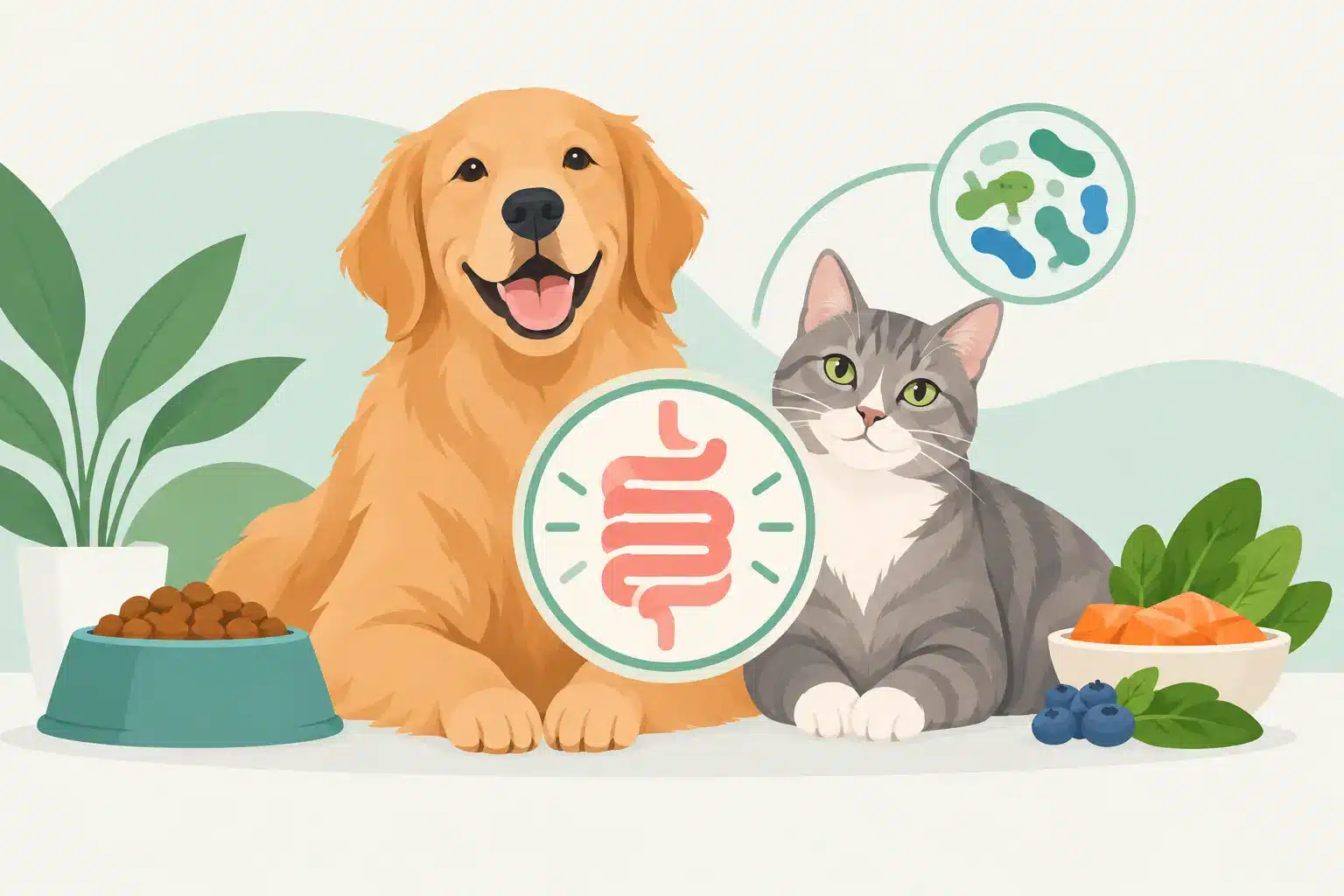
If you are paying close attention to your dog’s stool, you are already paying attention to one of the clearest signs of digestive health. The right dog food for stool quality can help support firmer, more consistent stools, fewer messy pickups, and a happier gut overall. For many pet parents, stool changes are the first signal that a food is either working well or missing the mark.
Why stool quality matters more than most owners realize
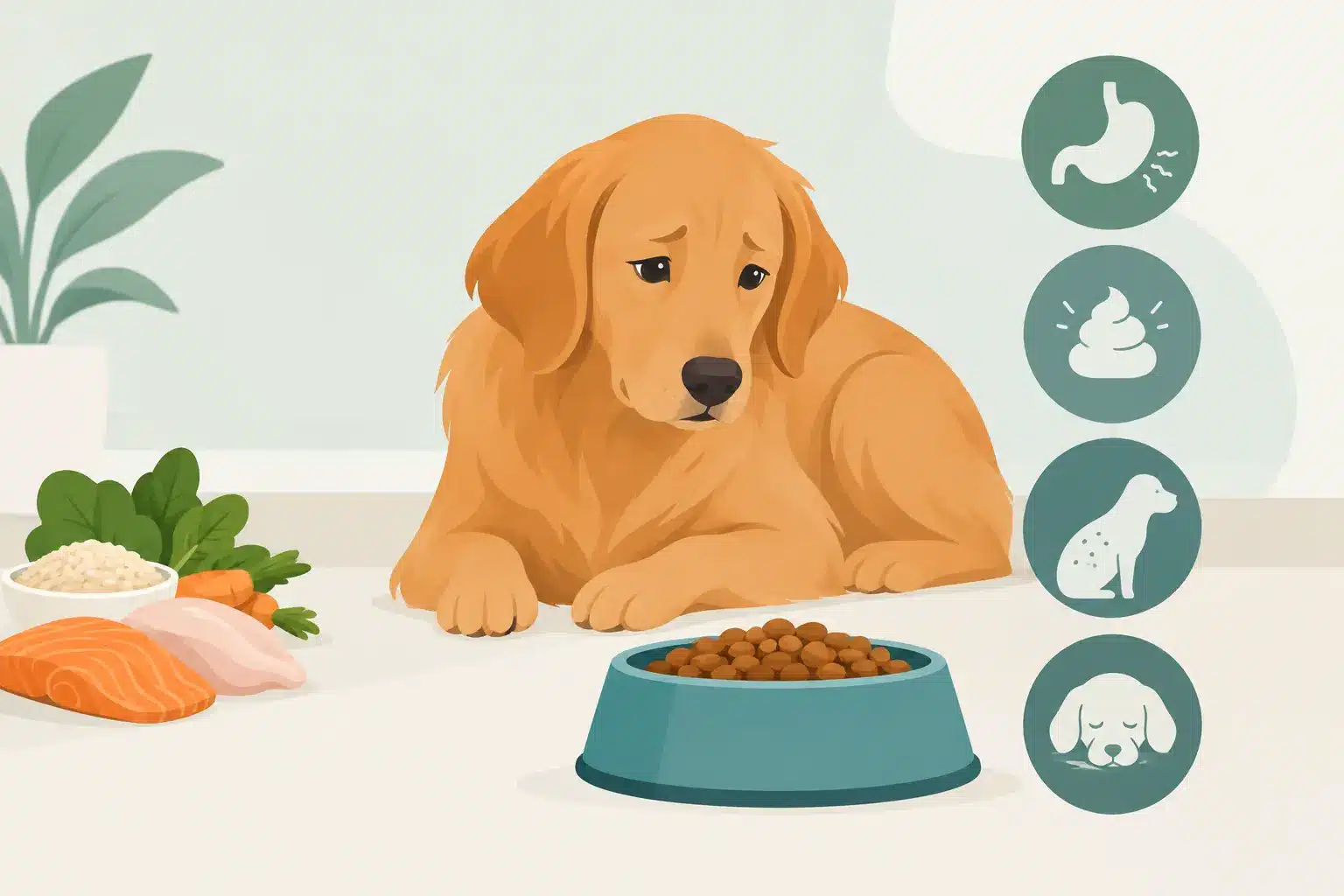
A dog’s stool reflects how well food is being digested, absorbed, and tolerated. Firm, well-formed stools usually suggest that the digestive system is processing nutrients efficiently. Loose stools, frequent soft stools, excess volume, or recurring inconsistency can point to something less than ideal in the diet, although stress, parasites, illness, and sudden food changes can also play a role.
This is why stool quality is not just about convenience. It can offer day-to-day feedback about gut health, microbial balance, fiber intake, and ingredient digestibility. When stools improve, pet parents often notice other benefits too, including steadier appetite, better energy, and less digestive upset.
What to look for in dog food for stool quality
Not every premium food automatically supports good stool quality. The formula matters, and so does how your individual dog responds to it. In general, the most helpful foods are built around digestible proteins, balanced fat levels, and a thoughtful fiber blend.
High-quality animal protein is usually a good starting point because dogs need protein, but the source and digestibility matter. A formula that uses recognizable ingredients and avoids unnecessary filler can be easier on the digestive tract. That said, richer is not always better. Some dogs do poorly on very high-fat foods, especially if they are sensitive, inactive, or prone to digestive flare-ups.
Fiber is one of the most important pieces of the stool-quality puzzle. Too little fiber can leave stools loose or inconsistent. Too much, or the wrong kind, can create bulky stools or gas. The goal is balance. A well-designed formula often combines soluble and insoluble fibers to help feed beneficial gut bacteria while also supporting healthy transit through the digestive system.
This is where a science-backed approach makes a difference. Lucy Pet’s P.B.F. Prebiotic Balanced Fiber™ concept was developed around the idea that balanced fiber can help nourish the gut and support digestive function, which is directly connected to stool consistency in many dogs.
The role of digestibility
Digestibility is not always obvious from the front of the bag, but it has a major effect on stool output. When a dog efficiently digests and absorbs nutrients, there is typically less waste left over. That often means smaller, firmer stools.
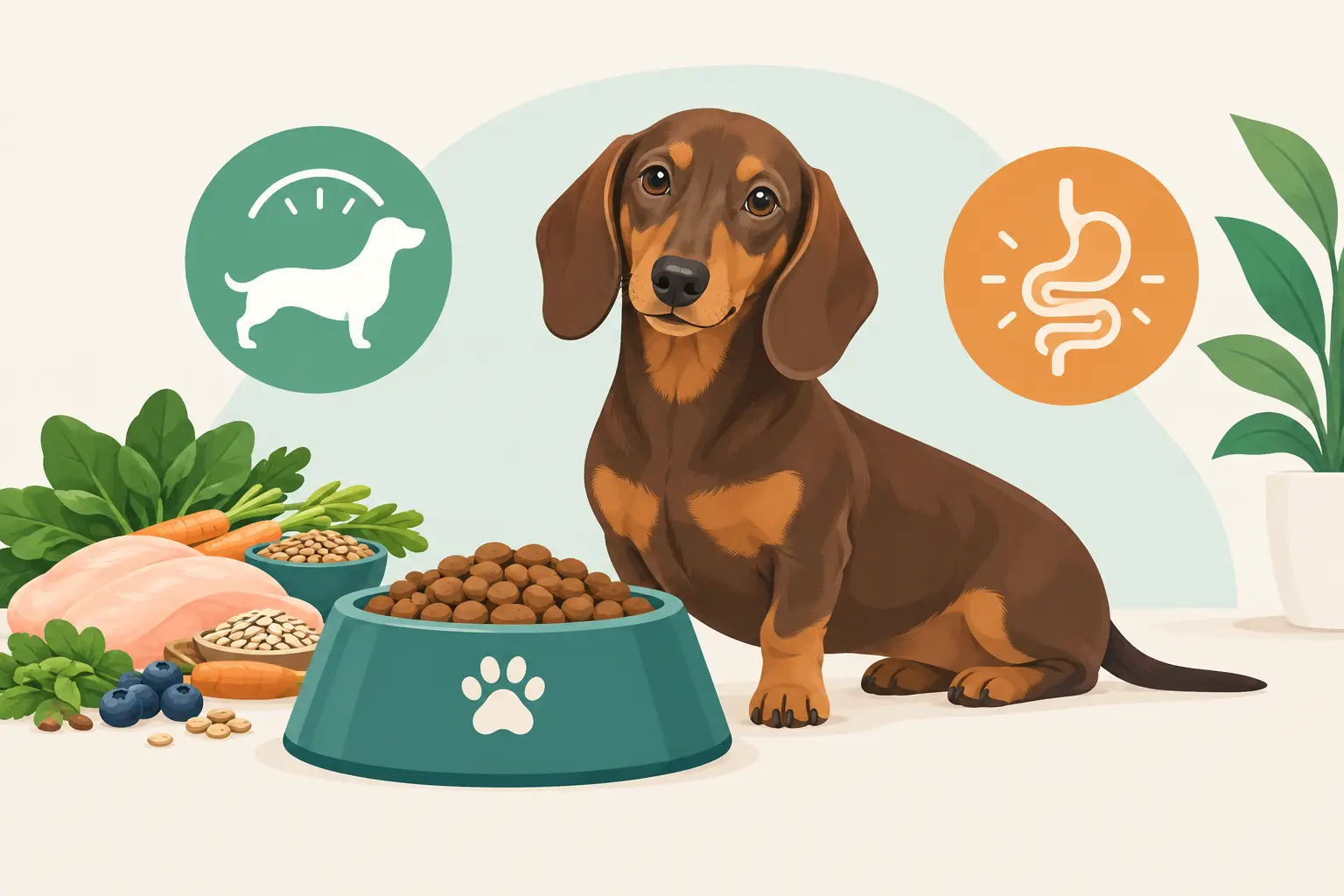
Foods made with highly digestible ingredients may help reduce the amount of undigested material reaching the colon, where it can contribute to loose stool, fermentation, and inconsistency. Ingredients like chicken, salmon, duck, pumpkin, brown rice, and quinoa can all have a place in a digestibility-focused formula, depending on the dog.
Why fiber balance matters for stool consistency
Fiber deserves special attention because it does more than add bulk. Certain fibers help absorb water and support firmer stools. Others help move waste along. Prebiotic fibers can also feed beneficial bacteria in the gut, which supports a healthier digestive environment overall.
Pumpkin is a familiar example many pet owners know, and for good reason. It can be a useful ingredient in formulas designed to support stool quality because it contributes gentle fiber. But fiber works best when it is part of a complete and balanced diet, not treated as a quick fix layered on top of a food that is otherwise not a good match.
A dog with chronically soft stool may need more than pumpkin. They may need a food with a better balance of fiber types, a more suitable protein source, or a more moderate fat level.
Ingredients that can help support better stools
When evaluating dog food for stool quality, look beyond marketing language and focus on how the formula is built. Ingredient quality matters, but so does ingredient purpose.
Moderately digestible carbohydrates such as brown rice can be helpful for many dogs because they are gentle and consistent. Quinoa may also be included in some formulas as a nutrient-dense carbohydrate source. Animal proteins should be clearly identified, and the food should feel complete rather than overloaded with trendy extras.
Prebiotics can be especially valuable for dogs with inconsistent stools because they support beneficial bacteria in the gut. A healthy gut microbiome plays a real role in digestion, stool formation, and immune function. Since much of the immune system is tied to the gut, feeding for stool quality can also support broader wellness.
Fats should be appropriate for the dog’s needs. Fat is essential, but when it is too high for a dog’s digestive capacity, stools can become loose or greasy. This is one reason that a food praised by one owner may not work for another dog. Age, activity level, breed, and digestive sensitivity all influence what “best” looks like.
Common reasons a food may be hurting stool quality
Sometimes the issue is not that a food is low quality overall. It may simply be the wrong fit for that dog. A formula that is too rich, a protein your dog does not tolerate well, or a sudden transition can all affect stool consistency.
Overfeeding is another common factor. Even an excellent food can lead to soft stools if your dog is regularly eating more than they can comfortably digest. Treats, table scraps, and chews also count. Many pet parents focus on the bowl but forget how much the extras can influence digestion.
Food changes made too quickly are another major trigger. When transitioning to a new food, especially one intended to improve stool quality, patience matters. A gradual change over several days or longer gives the digestive system and gut microbiome time to adjust.
When loose stools are not just about food
Diet matters, but it is not always the full answer. Parasites, bacterial imbalances, stress, medication use, and underlying medical conditions can all affect stool quality. If your dog has persistent diarrhea, blood or mucus in the stool, vomiting, weight loss, or a sudden major change in bathroom habits, it is time to speak with your veterinarian.
This is especially true if your dog has always done well on a food and stool quality changes abruptly. Nutrition is foundational, but it works best when viewed as part of the full health picture.
How to choose the best dog food for stool quality
Start with your dog, not with trends. A young active dog may tolerate a richer formula than a senior with a slower metabolism. A dog with a sensitive stomach may do better on a simpler recipe with moderate fat and purposeful fiber. Dogs with recurring soft stools often benefit from consistency more than novelty.
Read the guaranteed analysis, but also read the ingredient panel with a practical eye. Look for clearly named proteins, digestible carbohydrate sources when included, and functional ingredients that support gut health. Consider whether the formula is built for digestive wellness rather than simply high protein or grain-free positioning.
Then evaluate results over time. Better stool quality usually means stools become firmer, easier to pick up, and more regular without looking dry or strained. Your dog should also seem comfortable, not gassy, bloated, or urgently needing to go out.
Give the new food enough time
One of the biggest mistakes pet parents make is changing foods again too soon. Unless your dog is reacting badly, give the transition and adjustment period enough time. Some dogs show improvement quickly, while others need a few weeks of steady feeding before stool quality fully settles.
Keep the rest of the routine stable while you evaluate. If you switch food, add toppers, introduce new treats, and start supplements all at once, it becomes almost impossible to know what is helping and what is hurting.
Stool quality and whole-body wellness
Good stool quality may seem like a narrow goal, but it connects to much bigger outcomes. A healthy digestive system supports nutrient absorption, immune function, and day-to-day comfort. When the gut is functioning well, the whole dog often feels better.
That is why choosing dog food for stool quality is really about choosing nutrition that supports digestive balance. The best formula is not necessarily the richest, the most expensive, or the trendiest. It is the one that helps your dog digest well, absorb nutrients efficiently, and maintain consistent, healthy stools over time.
If your dog’s stool has been sending you mixed signals, consider it useful information, not just a cleanup problem. The right food can make a visible difference, and when digestion improves, your dog’s comfort often does too. That is a worthwhile place to start when you want nutrition to do more than fill the bowl.


Leave A Comment
You must be logged in to post a comment.